Find Self-Watering Smart Window Planter for Homes, Offices & Hotels
Browse a curated selection of Self-Watering Smart Window Planter options and compare materials such as ABS or metal, sizes, water tank capacity, irrigation features, and finishing options. Review 30 products spanning indoor vegetable growing, apartment, and landscape applications, then request quotes from listed suppliers.
Key considerations
Products List


Indoor Hydroponics Vertical Farming Growing System Smart Garden Planter
$648.50 - $958.50
MOQ: 1 Pieces

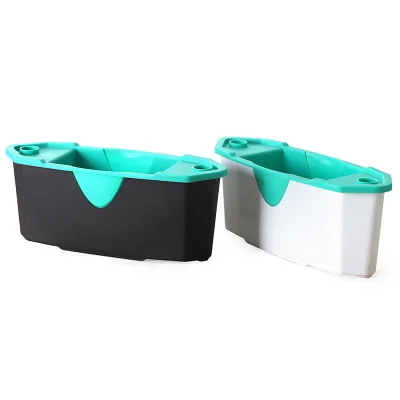

Indoor Plants Flower Pot Water Plants Grow Tracking Tool Self Watering Planters
$1.19 - $1.39
MOQ: 720 Pieces


Comprehensive Sourcing Guide
Self-Watering Smart Window Planter Sourcing Guide
Procuring self-watering smart window planters requires a distinct approach compared to traditional static planters, as the integration of automated irrigation systems introduces complex mechanical and electronic components. Buyers must recognize that these products are hybrid systems combining structural horticultural containers with active fluid management hardware. This dual nature means that quality control cannot rely solely on material inspection; it must also account for the reliability of pumps, sensors, and water reservoirs. Understanding this hybrid nature is the first step in defining a robust sourcing strategy that mitigates the risks associated with combining passive materials with active technology.
The primary value proposition for end-users is the reduction of manual maintenance while ensuring consistent plant health, which is critical for indoor environments where watering schedules are often neglected. For B2B buyers, this translates into a product that must perform reliably over extended periods without frequent user intervention. The sourcing process must therefore prioritize suppliers who can demonstrate consistent performance in fluid dynamics and electronic stability. By focusing on these core functional attributes, buyers can filter out suppliers who may offer attractive pricing but lack the engineering capability to deliver a durable, low-maintenance smart gardening solution.
Product Scope and Observed Listing Signals
The market for self-watering smart window planters encompasses a variety of form factors, ranging from compact desktop units to larger floor-standing systems. Observed listings indicate a spectrum of sizes, with specific models offering dimensions such as 4518.520~59 cm for smaller units and larger configurations like 7740170 cm for more substantial installations. This variance in size dictates the target application, with smaller units suitable for home offices or apartments, while larger systems may serve commercial spaces or dedicated indoor vegetable growing areas. Buyers must align the physical dimensions of the planter with the intended installation space to ensure the product fits both the physical environment and the user's capacity for plant volume.
Material composition is another critical signal in the product scope, with observed listings featuring both metal and ABS plastic constructions. Metal planters, often finished with powder coating or galvanization, offer durability and a specific aesthetic appeal suitable for modern interiors, while ABS plastic units provide lightweight, cost-effective solutions that are easier to ship and assemble. The choice between these materials impacts not only the visual presentation but also the weight, shipping costs, and potential for corrosion or degradation over time. Buyers should evaluate whether the material choice aligns with the brand positioning and the environmental conditions of the end-user, such as humidity levels in indoor vegetable growing applications.
Technical Specifications to Verify
When evaluating technical specifications, the irrigation system is the most critical component to verify. Listings indicate the use of water pumps as the primary irrigation mechanism, with specific power consumption figures such as 23 W observed in certain models. Buyers must verify the pump's efficiency, noise level, and lifespan, as these factors directly impact user satisfaction. A lower noise rating is a significant feature for indoor use, ensuring that the planter does not become a source of auditory disturbance in quiet spaces like offices or bedrooms. Additionally, the capacity of the water tank, observed at 8 L in specific listings, determines the frequency with which the user needs to refill the system, which is a key selling point for "smart" and low-maintenance products.
The smart features of the planter, such as water shortage alarms, must be rigorously tested for accuracy and reliability. A false alarm can erode user trust, while a missed alarm can lead to plant death, resulting in product returns and negative reviews. Buyers should request detailed technical documentation on the sensor technology used to detect water levels and the logic behind the alert system. Furthermore, the number of pots or planting sites, such as the 16-pot configuration observed in some listings, must be verified to ensure it matches the marketing claims and the physical layout of the unit. This ensures that the product delivers the promised capacity for growing flowers, plants, or vegetables without overcrowding.
Compliance and Safety Documentation
Electrical safety is a paramount concern for any smart planter that incorporates pumps and sensors. Buyers must ensure that suppliers provide documentation proving compliance with relevant electrical safety standards for the target market. This includes verification of insulation, grounding, and protection against water ingress, which is particularly important given the constant presence of water in the system. While specific certification names may vary by region, the underlying requirement is that the product must not pose a risk of electric shock or fire. Buyers should request test reports from accredited laboratories that validate these safety parameters before placing large orders.
In addition to electrical safety, the materials used in the planter must be safe for contact with water and plant roots. For plastic components, such as ABS, buyers should verify that the materials are free from harmful chemicals that could leach into the water reservoir and affect plant health or user safety. This is especially important for products marketed for indoor vegetable growing, where the produce may be consumed. Documentation regarding material safety, such as food-grade certifications for water-contact parts, should be part of the standard supplier qualification process. Ensuring that all materials are non-toxic and environmentally responsible aligns with the growing demand for sustainable and safe home gardening solutions.
Cost Drivers and Commercial Terms
The cost of self-watering smart window planters is driven by several key factors, including the complexity of the electronic components, the material quality, and the manufacturing process. Listings indicate a wide price range, from as low as $0.26 to as high as $958.5, reflecting the diversity in product types and specifications. Buyers should analyze the cost structure to understand which components contribute most to the final price. For instance, high-quality pumps and sensors may account for a significant portion of the cost, while the structural materials may be less expensive. Understanding this breakdown helps buyers negotiate better terms and identify opportunities for cost optimization without compromising quality.
Commercial terms, such as Minimum Order Quantity (MOQ) and payment terms, also play a crucial role in the procurement process. Observed MOQs range from 1 to 3,125 pieces, indicating that suppliers may offer flexible terms for small trial orders or require larger commitments for production runs. Buyers should negotiate MOQs that align with their inventory strategy and cash flow constraints. Additionally, payment terms, such as advance payments or letters of credit, should be structured to mitigate financial risk. Clear and transparent commercial terms help build a stable relationship with the supplier and ensure that both parties are aligned on the expectations for the transaction.
Supplier Qualification and Quality Control
Qualifying a supplier for self-watering smart window planters requires a thorough assessment of their manufacturing capabilities and quality control processes. Buyers should visit the supplier's facility or request detailed information about their production lines, including the use of semi-manual or semi-mechanical production methods. The production method impacts the consistency and efficiency of the manufacturing process, with mechanical methods generally offering higher precision and lower labor costs. Buyers should verify that the supplier has the necessary equipment and expertise to produce the specific models they are interested in, including the assembly of electronic components and the testing of irrigation systems.
Quality control is essential to ensure that every unit meets the specified standards. Buyers should request a detailed quality control plan that outlines the inspection points, testing procedures, and acceptance criteria. This should include functional tests for the pump, sensor, and alarm system, as well as visual inspections for material defects and finishing quality. Suppliers should provide samples for pre-production approval and conduct final random inspections before shipment. By implementing a robust quality control process, buyers can reduce the risk of receiving defective products and ensure that the end-user receives a reliable and high-quality smart planter.
Long-Term Procurement Checks
Establishing a long-term procurement relationship with a supplier for self-watering smart window planters requires ongoing monitoring and evaluation. Buyers should track key performance indicators, such as defect rates, lead times, and customer satisfaction, to assess the supplier's performance over time. Regular audits and reviews help identify areas for improvement and ensure that the supplier continues to meet the required standards. Building a strong relationship with the supplier also facilitates better communication and collaboration, which is essential for addressing any issues that may arise during the production or delivery process.
Sustainability and environmental responsibility are increasingly important considerations in long-term procurement. Buyers should evaluate the supplier's commitment to sustainable practices, such as the use of recycled materials, energy-efficient manufacturing processes, and responsible waste management. This not only aligns with the values of environmentally conscious consumers but also helps mitigate regulatory risks and enhance the brand's reputation. By prioritizing suppliers who demonstrate a commitment to sustainability, buyers can contribute to a more responsible and resilient supply chain for smart gardening products.
FAQs
What materials are used for self watering smart window planters?
Self watering smart window planters are typically constructed from durable ABS plastic or metal. ABS is common for lightweight indoor units, while metal options often feature powder coating or galvanization for outdoor durability. The choice depends on whether the planter is intended for indoor vegetable growing or landscape engineering applications.
How does the irrigation system in a smart window planter work?
The irrigation system usually employs a water pump to circulate nutrients to the roots. Many models include a water tank, such as an 8-liter capacity, to maintain consistent moisture levels. Some advanced units feature a water shortage alarm to notify users when refilling is required, ensuring plant health without manual monitoring.
What is the typical size of a Self-Watering Smart Window Planter?
Sizes vary significantly, ranging from compact units like 45x18.5x20cm to larger structures measuring 77x40x170cm. Specific dimensions depend on the model, such as the Z247 or SP-002. Buyers should verify the exact product standard and size specifications to ensure the planter fits their designated window or indoor space.
Can self watering smart window planters be customized for OEM orders?
Yes, many manufacturers offer OEM and ODM services for self watering smart window planters. Customization options may include specific dimensions, color schemes like white or black, and branding. Buyers should confirm the minimum order quantity and available customization parameters with the supplier before placing a bulk order.
What is the power consumption of a smart window planter?
Power consumption is generally low, with some models operating at 23 watts. This efficiency makes them suitable for home or office environments where energy usage is a consideration. The lower noise feature of the pump also ensures the device does not disrupt indoor activities while maintaining the hydroponic system.
Where are self watering smart window planters typically manufactured?
These planters are commonly manufactured in China, with production hubs in regions like Guangzhou and Chongqing. The origin can influence shipping costs and lead times for international buyers. Verifying the specific factory location helps in planning logistics and ensuring compliance with local import regulations.
What is the minimum order quantity for smart window planters?
The minimum order quantity can vary, with some suppliers accepting orders as low as 1 piece for sampling. However, bulk production orders often have higher MOQs, such as 3125 units. Buyers should clarify the MOQ for both sample requests and mass production to align with their procurement budget and inventory needs.