Source Semi-Automatic Corn Oil Press Machine for Farms, Home Use, Food Shops
Compare 30 semi-automatic corn oil press machines from verified suppliers. These units support oil extraction for farms, home use, and food shops with features like high efficiency and automation.
Key considerations
Products List


Hot Sale Seed Peanut Corn Oil Pressing Machine Automatic Screw Oil Press
$1000.00 - $8000.00
MOQ: 1 Pieces

CE Hydraulic Oil Machine Soybean Automatic Hydraulic Oil Press Machine
$1000.00 - $8000.00
MOQ: 1 Pieces


130 Soybean Oil Press Peanut Oil Press Machine
$5900.00 - $6500.00
MOQ: 1 Pieces
Sichuan Guangxin Machinery of Grain & Oil Processing Co., Ltd.


High Productivity Coconut Pinenut Peanut Sesame Walnut Sunflower Seed Oil Press
$2800.00 - $3445.00
MOQ: 1 set


Mustard Sesame Cottonseed Groundnut Olive Sunflower Avocado Coconut Oil Press Machine
$1100.00 - $1400.00
MOQ: 1 Pieces

Black Seed Oil Cold Screw Oil Press Machine Palm Oil Press with High Yield
$1150.00 - $1320.00
MOQ: 1 Pieces

Automatic Hot Cold Press Oil Machine Cocoa Oil Making Machine Corn Oil Pressing Machine
$1000.00 - $1280.00
MOQ: 1 Pieces
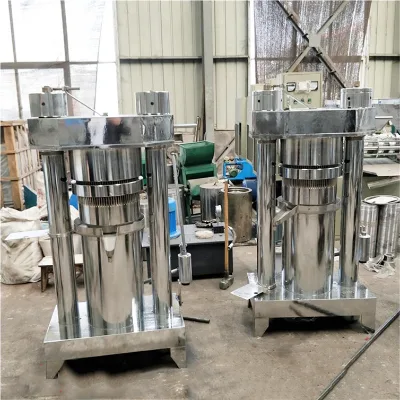


Crude Oil Pressing Machine Peanut Oil Pressing Machine Oil Extractor Machine
$3599.00 - $4599.00
MOQ: 1 Pieces


Comprehensive Sourcing Guide
Strategic Sourcing Guide for Semi-Automatic Corn Oil Press Machines
The global demand for edible oil extraction has driven significant innovation in processing equipment, particularly for small to medium-scale operations focusing on corn and other oilseeds. For procurement professionals seeking a semi-automatic corn oil press machine, the market offers a diverse array of configurations, each with distinct operational characteristics. This guide synthesizes available product data and industry standards to provide a disciplined framework for evaluating suppliers, verifying technical claims, and ensuring long-term operational reliability. The focus remains on evidence-based criteria rather than speculative market trends, ensuring that procurement decisions are grounded in verifiable product attributes.
Technical Architecture and Operational Modes
Understanding the mechanical architecture of oil press machines is the first step in the sourcing process. The market currently features machines categorized by their press series, ranging from third to fifth generations, with variations in automation levels. While some high-end models are fully automatic, the semi-automatic segment offers a balance between labor efficiency and operational control. A critical observation in the current supply landscape is the variation in structural design. Buyers must distinguish between vertical and horizontal configurations, as the choice impacts floor space requirements and material flow dynamics.
The power requirements for these machines vary significantly based on the intended capacity and press series. Data indicates that entry-level or smaller capacity units may operate with power ratings around 1.5kw, whereas larger industrial models designed for higher throughput can require up to 18.5kw. Voltage compatibility is another technical parameter that demands strict verification. While some units are designed for 380V industrial supply, others may require different voltage standards depending on the region of installation. The automatic grade is a defining feature; semi-automatic machines typically require operator intervention for feeding or monitoring, distinguishing them from fully automated lines that handle the entire process with minimal human input.
Furthermore, the application scope is broad. While the core keyword focuses on corn, the machinery is often versatile, capable of processing beans, wheat, rice flour, and starch. This versatility is a key value driver for buyers in agricultural regions where crop rotation or diverse raw material sourcing is common. The press mechanism itself, often described as a spiral oil press or hydraulic system, determines the extraction efficiency. The "Spiral Oil Press" type, for instance, utilizes a rotating screw to generate pressure, a method known for its ability to handle various seed types effectively.
Compliance, Certification, and Safety Standards
In the B2B machinery sector, compliance is not merely a formality but a prerequisite for market entry and operational safety. When sourcing a semi-automatic corn oil press, buyers must rigorously verify the certification status of the equipment. The most frequently observed certifications in the current market include ISO9001 for quality management systems and CE marking, which indicates conformity with health, safety, and environmental protection standards for products sold within the European Economic Area.
However, the presence of these certifications on a product listing does not guarantee universal compliance for every specific unit. Buyers should treat certification as an observation of the supplier's general quality system rather than an automatic attribute of every machine in the catalog. It is essential to request valid, up-to-date certificates that correspond to the specific model number being purchased. For instance, a model designated as "S-05B" or "YZLXQ130-8" must have its own specific compliance documentation.
Safety standards regarding electrical components and mechanical guards are paramount. The machine's voltage rating, such as 380V, must align with the local electrical infrastructure to prevent hazards. Additionally, the materials used in construction, particularly those in contact with food, must meet food-grade standards. The supply data highlights the use of food-grade stainless steel in certain models, a critical factor for ensuring the purity of the extracted oil and compliance with food safety regulations. Buyers should verify that the "Food Grade" claim is backed by material test reports or supplier declarations of conformity.
Cost Drivers and Total Cost of Ownership
The pricing of semi-automatic corn oil press machines is influenced by a complex interplay of factors, including power rating, structural complexity, and material quality. The observed price range in the market spans from approximately $300 to $45,000 USD. This wide variance reflects differences in capacity, automation level, and build quality. A machine with a 1.5kw motor and basic vertical structure will naturally be priced lower than an 18.5kw horizontal unit with advanced features like a larger squeeze cage and high capacity.
When evaluating cost, buyers must look beyond the initial purchase price to the total cost of ownership (TCO). Key cost drivers include the warranty terms and the availability of after-sales service. Many suppliers offer a 12-month warranty, with specific coverage for core components often limited to one year. The availability of engineers for overseas service is a significant value-add that can reduce long-term downtime costs. If a machine requires frequent maintenance, the cost of shipping replacement parts or hiring local technicians can quickly exceed the initial savings from a cheaper unit.
Packaging also plays a role in the final landed cost. Machines are typically shipped in wooden cases or wooden boxes to prevent damage during transit. The dimensions of the packaging, which can range from compact sizes like 430290210mm to large industrial footprints of 202016102000mm, directly impact shipping logistics and freight expenses. Buyers should calculate freight costs based on the specific model's dimensions and weight, which can range from lightweight units to heavy industrial machines weighing up to 1250kg.
Typical Applications and Production Capacity
The versatility of semi-automatic oil press machines makes them suitable for a wide range of industrial applications. The primary use case is the squeezing of oil from various seeds, including corn, beans, and wheat. The "Application" field in product data often lists multiple crops, indicating that a single machine can serve as a multi-purpose asset for farms, home-use setups, or food shops. This flexibility is particularly valuable for small-scale processors who need to adapt to seasonal crop availability.
Production capacity is a critical metric for determining the suitability of a machine for a specific business scale. Some models are rated for capacities between 400 and 500kg per hour, making them ideal for medium-scale operations. In contrast, smaller units may have lower throughput, suitable for artisanal or home-based production. The "Capacity" attribute should be cross-referenced with the power rating; higher capacity units generally require more power, such as the 18.5kw models, to maintain consistent pressure and extraction rates.
The physical structure of the machine also dictates its application environment. Horizontal structures are often preferred for larger operations due to their stability and ease of integration into production lines, while vertical units might be chosen for space-constrained environments. The "Appearance" attribute, whether uniaxial or vertical, influences the workflow and the type of raw material that can be fed into the system efficiently. Buyers must ensure that the machine's design aligns with their specific production layout and material handling capabilities.
Supplier Evaluation and Geographic Considerations
Selecting the right supplier requires a thorough evaluation of their geographic location, production standards, and service capabilities. The supply data indicates that a significant portion of these machines originates from China, specifically from regions like Henan and Sichuan. These regions are known for their manufacturing clusters in agricultural machinery. However, the "Place of Origin" should be verified against the supplier's actual facility to ensure authenticity.
Supplier evaluation should also focus on the customization capabilities. While some models are described as "Customized" or offering "Any Color You Like," others are "Non-Customized" with standard specifications. Buyers seeking specific modifications, such as unique dimensions or specialized features, must confirm the supplier's ability to deliver on these requests. The "Standard" attribute often notes "Customer customization," but this should be treated as a potential service rather than a guaranteed feature for every listing.
After-sales support is a critical differentiator among suppliers. The availability of engineers for overseas service is a high-value attribute that ensures operational continuity. A supplier that offers a 12-month warranty and provides technical support remotely or on-site adds significant value to the procurement. Buyers should inquire about the response time for service requests and the availability of spare parts, as these factors directly impact the machine's lifecycle.
Quality Control and Long-Term Procurement Strategy
Implementing a robust quality control (QC) strategy is essential when sourcing machinery from international suppliers. Buyers should establish clear acceptance criteria based on the product's technical specifications, such as power rating, voltage, and material composition. The use of food-grade stainless steel is a non-negotiable requirement for machines intended for food processing, and this must be verified through material certificates.
Long-term procurement considerations include the lead time and delivery schedule. The observed delivery dates range from two weeks to 30 days once an order is confirmed. This variability underscores the importance of aligning procurement timelines with production schedules. Buyers should factor in potential delays due to logistics or customs clearance when planning their operations.
Finally, the "Feature" set of the machine, including high efficiency, precision, and automation, should be validated through performance testing. While suppliers may claim these features, buyers should request demonstration videos or third-party test results to confirm the machine's actual performance. The "Key Selling Points" such as "Automatic" or "High Capacity" should be treated as marketing claims that require verification against the machine's actual output and operational data. By maintaining a disciplined approach to verification and documentation, buyers can mitigate risks and ensure the acquisition of reliable, high-performance semi-automatic corn oil press machines.
FAQs
What is the delivery time for semi-automatic corn oil press machines?
Delivery typically takes two weeks or ranges from 7 to 30 days once the order is confirmed. Specific timelines depend on the supplier's location and whether the unit requires customization before shipment.
Which certifications do semi-automatic corn oil press machines usually have?
Common certifications include ISO9001 for quality management and CE for safety compliance. Buyers should verify that these certifications apply to the specific model number being purchased.
Can semi-automatic corn oil press machines process crops other than corn?
Yes, these machines can process beans, wheat, rice flour, and starch in addition to corn. The versatility allows farms and food shops to adapt to seasonal crop availability.
What is the warranty period for core components of these machines?
The warranty for core components is typically one year, while the overall machine warranty often covers 12 months. After-sales service may include engineers available for overseas machinery support.
How does the power rating affect the capacity of the oil press?
Higher power ratings like 18.5kw generally support higher capacities up to 500kg per hour compared to 1.5kw units. The power requirement aligns with the machine's structural design and intended throughput.
Are semi-automatic corn oil press machines available in different colors?
Some models allow for any color customization, while others come in standard configurations. Buyers should confirm the specific color options with the manufacturer before placing an order.
What is the typical packaging method for shipping these machines?
Machines are usually packed in wooden cases or wooden boxes to prevent damage during transit. The packaging dimensions vary significantly based on the machine's size and weight.