Source Semi Hanging Furrow Plow for Ploughing, Tilling, and Soil Prep
Compare 30 Semi Hanging Furrow Plow options from verified suppliers. These machines feature CE certification, 25-45HP tractor compatibility, and 30cm tilling depth for efficient dry cultivating machinery operations in agriculture; compare the available evidence and request quotations based on your requirements.
Key considerations
Products List
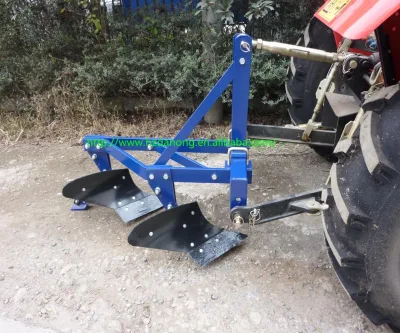
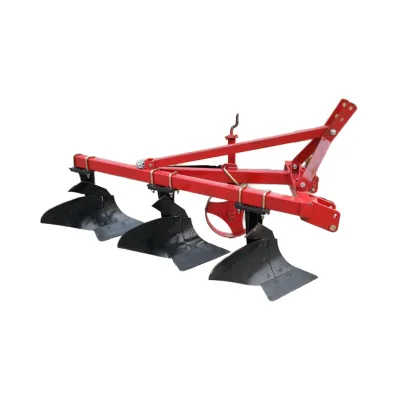
Tractor Furrow Plough, Furrow Plow, 3Point Furrow Plow Twin Moldboard Plows
$115.00 - $120.00
MOQ: 10 pieces


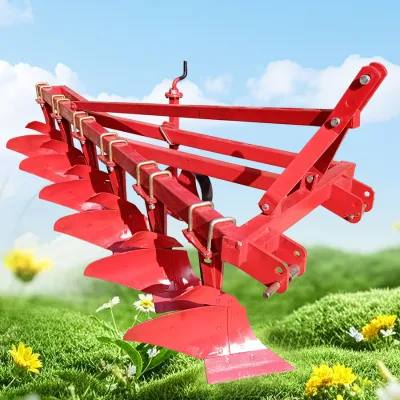
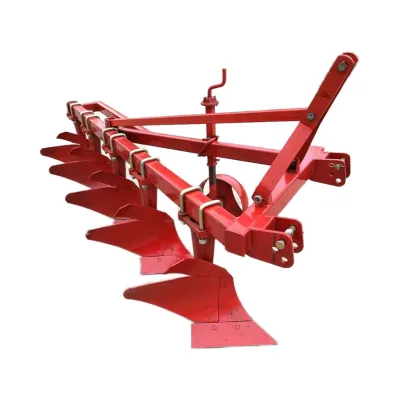
Suspended Six-Furrow Plough 130-220 HP for Agricultural Use High Quality
$928.60 - $975.00
MOQ: 1 Pieces


The Furrow Plough with Good Soil-Breaking Performance and a Narrow Furrow
$809.00 - $850.00
MOQ: 1 Sets

Excellent Performance Hydraulic Furrow Plough Durable and Long-Lasting 90-155HP
$2857.00 - $3000.00
MOQ: 1 Pieces


Furrow Plough and Share Plow for Farm Use Diesel/Gasoline/Manual Used Condition
$150.00 - $880.00
MOQ: 1 Pieces






Comprehensive Sourcing Guide
Semi Hanging Furrow Plow Sourcing Guide
Sourcing a Semi Hanging Furrow Plow requires careful attention to the specific traction type and power requirements of your agricultural operation. The observed market data indicates that these units are designed for hanging or traction applications, typically matched with tractors ranging from 25 to 45 horsepower for standard models, while larger variants support up to 180 horsepower. Buyers must verify that the tractor's power output aligns with the plow's matched power specifications to ensure efficient soil preparation without overloading the engine.
The operational scope for these machines centers on continuous running operations for dry cultivating and arable machinery tasks. With a working width ranging from 40 to 100 centimeters and a maximum width of 140 centimeters, these plows offer flexibility for various field sizes. The core components, such as the gearbox and vertical shaft arbor configuration, are critical for maintaining performance during heavy-duty ploughing, making it essential to confirm the durability of these internal parts before finalizing a purchase order.
Product Scope and Observed Listing Signals
The product listings reveal a diverse range of models, including specific identifiers like MP212, MP214, and MP216, alongside other designations such as 1L and 1L-320. These variations suggest different configurations for single plough body working widths, which can be as narrow as 35 centimeters, or broader setups reaching 140 centimeters. Procurement teams should scrutinize the model number to ensure the specific dimensions and plough body spacing, such as the observed 77 centimeters, match the physical constraints of their farm equipment and field layouts.
Listing signals also highlight significant variability in packaging and physical attributes, with some units weighing 60 kilograms while others are associated with standards up to 1000 kilograms. The packaging details often specify steel crates or iron frames, which directly impacts shipping costs and handling requirements. Buyers must distinguish between single-item selling units and bulk orders, noting that supply abilities can reach 200 pieces per week, which influences lead time planning for large-scale agricultural projects.
Technical Specifications to Verify
Technical verification must begin with the power source and drive type, as the observed data specifies gasoline power and chain drive mechanisms for certain models. It is crucial to confirm whether the unit relies on a tractor as the primary power source or if it includes integrated engines, as this dictates the compatibility with existing fleet assets. The traction type, whether hanging or traction-based, must be explicitly matched to the tractor's three-point linkage system to prevent mechanical failure during operation.
Dimensional accuracy is another critical verification point, with observed dimensions of 100 by 66 by 80 centimeters for specific units. Buyers should request detailed blueprints to confirm the tilling depth, which is listed as 30 centimeters, and ensure this meets the specific soil preparation needs of their crop rotation cycles. Additionally, the working width specifications must be cross-referenced with the actual field dimensions to optimize the number of passes required, ensuring that the machinery test report provided by the supplier validates these performance metrics.
Compliance and Safety Documentation
Compliance verification is paramount, with the CE certification appearing as a standard requirement for the observed product listings. This certification indicates adherence to European safety and health standards, which is often a prerequisite for importing agricultural machinery into many international markets. Buyers should request the official CE documentation and verify that it covers the specific model number and power type to ensure the equipment meets the regulatory requirements of the destination country.
Safety documentation also extends to the machinery test report, which is noted as provided for these units. This report should detail the results of stress tests on the gearbox and other core components to confirm that the machine can withstand continuous running operations without structural failure. Procurement teams must ensure that the test report is recent and specifically addresses the operational conditions of the Semi Hanging Furrow Plow, including the vertical shaft arbor configuration and the specific load limits associated with the 100kg or 300kg standards observed in the data.
Cost Drivers and Commercial Terms
Cost drivers for semi hanging furrow plows are heavily influenced by the customization options and the complexity of the core components. The availability of custom logos and optional colors adds a layer of variable pricing that must be factored into the total cost of ownership. Buyers should clarify whether the customization fees are included in the base price or charged separately, as this can significantly impact the final invoice for orders requiring specific branding or color schemes to match existing farm equipment.
Commercial terms are further defined by the supply ability of 200 pieces per week and the port of dispatch, which is typically Ningbo or Shanghai. These logistical factors determine the lead time and shipping costs, which can fluctuate based on global freight rates and the specific packaging details like steel crates or pallet packages. Buyers must negotiate clear delivery schedules and Incoterms to manage the risk of delays, ensuring that the single item selling units or bulk orders arrive in time for the critical planting season.
Supplier Qualification and Quality Control
Supplier qualification should focus on the place of origin, with Shandong China identified as a primary production hub for these agricultural machines. Buyers must verify the supplier's manufacturing capacity to ensure they can consistently meet the supply ability of 200 pieces per week without compromising quality. It is advisable to request a factory audit or video tour to confirm that the production lines are equipped to handle the specific model numbers and customization requirements observed in the market listings.
Quality control processes must be rigorously evaluated, particularly regarding the warranty terms which are typically set at one year. This warranty should cover defects in the gearbox, vertical shaft, and other critical components, providing a safety net for unexpected mechanical failures. Buyers should also inquire about the after-sales support structure, including the availability of spare parts and technical assistance, to ensure that the machinery test report and initial performance claims are backed by long-term reliability and service commitment.
Long-Term Procurement Checks
Long-term procurement checks require a focus on the sustainability of the supply chain and the availability of replacement parts for the Semi Hanging Furrow Plow. Given the continuous running operation nature of these machines, wear and tear on the chain drive and plough bodies will be inevitable. Buyers should establish a relationship with the supplier to secure a steady supply of spare parts, ensuring that the 30-centimeter tilling depth and 77-centimeter plough body spacing can be maintained over the lifespan of the equipment.
Finally, buyers must monitor the evolving farming policies and market trends that may affect the demand for dry cultivating machinery. The ability of the supplier to adapt to new agricultural standards or changes in tractor horsepower requirements is a key indicator of their long-term viability. Regular performance reviews of the machinery, based on the initial machinery test report and actual field data, will help identify any necessary adjustments to the procurement strategy, ensuring that the investment in semi hanging furrow plows continues to deliver value.
FAQs
What is the working width range for this Semi Hanging Furrow Plow?
The working width ranges from 40 to 100 cm for standard models. Specific configurations like the 1L-435 can reach up to 140 cm. This flexibility allows farmers to select the appropriate width for their field size and tractor power, ensuring efficient soil preparation and optimal coverage during ploughing operations.
Can this Semi Hanging Furrow Plow be customized for specific needs?
Yes, customization is available for this Semi Hanging Furrow Plow. Buyers can request custom logos and optional color choices to match their branding or preferences. The manufacturer also offers tailored solutions for specific agricultural requirements, ensuring the machinery fits unique operational needs while maintaining high performance and durability in the field.
What certification does this Semi Hanging Furrow Plow hold?
This Semi Hanging Furrow Plow holds CE certification, ensuring it meets European safety and quality standards. This certification is crucial for international trade, allowing the machinery to be imported and used in regions requiring strict compliance. It provides buyers with confidence in the product's reliability and adherence to recognized industrial regulations.
How is the Semi Hanging Furrow Plow powered and operated?
The Semi Hanging Furrow Plow is powered by a tractor with 25-45 HP for standard models, while larger versions require 90-180 HP. It uses a chain drive and vertical shaft arbor configuration. The machine is designed for continuous running operation, making it suitable for efficient soil preparation and ploughing tasks in agricultural fields.
What is the warranty period for this Semi Hanging Furrow Plow?
The warranty period for this Semi Hanging Furrow Plow is one year. This coverage typically includes core components like the gearbox, ensuring protection against manufacturing defects. Buyers receive a machinery test report, providing additional assurance of quality. This warranty supports long-term reliability and reduces operational risks for agricultural users investing in this equipment.
What is the packaging method for shipping this Semi Hanging Furrow Plow?
The Semi Hanging Furrow Plow is packaged in a steel crate or iron frame for secure transport. This robust packaging protects the machinery from damage during transit. Some models may use pallet packaging. The sturdy design ensures the equipment arrives in optimal condition, ready for immediate installation and operation in the field upon delivery to the buyer.