Source Semi-Open Impeller Chemical Circulation Pump for Automotive, Chemical, and Chlor Alkali
Find 30 semi-open impeller chemical circulation pumps from verified manufacturers. Compare specifications including materials like PVDF and 316L, pressure ratings, and flow rates for automotive, chemical, and chlor-alkali applications.
Key considerations
Products List


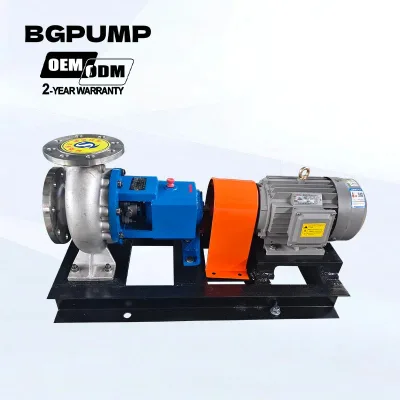
316L Material Open Impeller Centrifugal Pump IH Explosion-proof Chemical Pump
$267.19 - $472.72
MOQ: 1 pieces


CE Certified Industrial Process Pump for Chemical Liquid Circulation Systems
$1500.00 - $50000.00
MOQ: 1 Sets

Semi-Open Impeller Chemical Axial Suction Fluorine Plastic Centrifugal Pump
$500.00 - $1000.00
MOQ: 1 set


Carbon Steel Stainless Steel Semi Open Impeller for Submersible Motor Pump
$50.00 - $200.00
MOQ: 1 Pieces

Single Open Semi-Open Impeller Horizontal Single Stage Pumps Chemical Process Water Pump
$900.00 - $15000.00
MOQ: 1 Pieces

Oh2 Type Single-Stage Open Impeller High Temperature Chemical Process Pump
$900.00 - $15000.00
MOQ: 1 Pieces


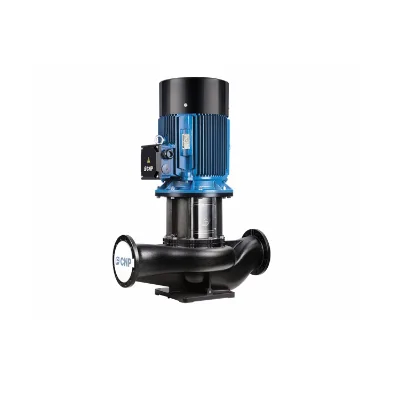
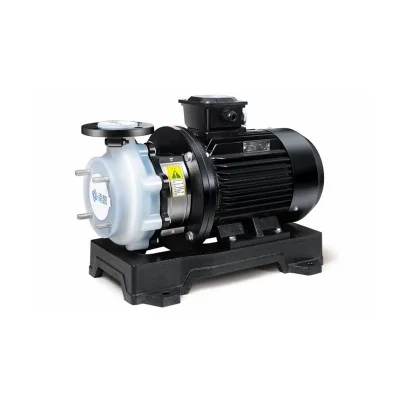


OEM Close Coupled Centrifugal Pump for Chemical Plant Fluid Transfer Systems
$600.00 - $1200.00
MOQ: 1 Pieces


Stainless Steel Centrifugal Pump Semi-Open Impeller Impurity Sewage Pump
$47.00 - $115.00
MOQ: 1 Pieces
Comprehensive Sourcing Guide
Strategic Sourcing Guide for Semi-Open Impeller Chemical Circulation Pumps
Technical Specifications and Design Parameters
When sourcing a semi-open impeller chemical circulation pump, the primary focus must be on the specific hydraulic and mechanical attributes that define the unit's performance in aggressive environments. The core component, the impeller, is often designed with an open configuration to facilitate the handling of fluids containing suspended solids or to simplify maintenance, though the specific "semi-open" designation requires verification against the manufacturer's detailed drawings. Based on available market data, these units frequently operate as single-stage or multistage configurations, with the impeller material being a critical determinant of longevity. Common impeller materials observed in this sector include ductile iron, which offers robust mechanical strength, or specialized alloys depending on the chemical compatibility required.
The pump casing is another vital specification. In many industrial applications, particularly those involving high-pressure or corrosive media, the casing is designed as a horizontal split pump. This design allows for easier inspection and maintenance of internal components without dismantling the entire piping system. The mounting height is typically associated with suction centrifugal designs, which are standard for circulation duties where the pump must draw fluid from a source below or at the same level. The driving type is almost universally motor-driven, requiring careful attention to the voltage specifications, which often range from 220V to 380V to accommodate various global power grids.
Performance metrics are equally critical. The maximum head for these units can vary significantly, with observed ranges extending up to 30-50 meters, suitable for medium-pressure applications. The working pressure classification is generally categorized as middle pressure, though some specialized variants are engineered for high-pressure requirements. The flow rate capabilities are substantial, with some models supporting a maximum flow rate between 10 and 10,000 cubic meters per hour. However, for specific circulation applications, the capacity might be narrower, such as 50-100 liters per minute, depending on the system's hydraulic resistance. The operating temperature range is a strict constraint; units are typically rated for temperatures between -40 and 250 degrees Celsius, or a slightly narrower range of -40 to 175 degrees Celsius, depending on the seal and material selection.
| Specification Category | Observed Range/Type | Verification Requirement |
|---|---|---|
| Impeller Type | Single Suction, Open/Semi-Open | Confirm geometry for solids handling |
| Casing Design | Horizontal Split | Verify accessibility for maintenance |
| Shaft Position | Horizontal | Ensure alignment with baseplate |
| Max Head | 30-50m | Calculate system head loss |
| Flow Rate | 10-10,000 m³/h or 50-100 L/min | Match to process demand |
| Operating Temp | -40°C to 250°C | Check seal compatibility |
| Voltage | 220V/380V | Match facility power supply |
Material Compatibility and Chemical Resistance
The selection of materials is the most critical factor in ensuring the longevity of a chemical circulation pump. The pump body and internal components must be resistant to the specific corrosive agents present in the process fluid. The supplied data indicates a wide array of material options, including various grades of stainless steel such as 304, 304L, 321, 316, 316L, as well as duplex steels like 2205 and 2507. For highly aggressive environments, materials like Titanium (Ta2) and Titanium-Copper (Tc4) are available. Additionally, plastic materials such as PVDF, PE, PP, and PPH are frequently utilized for casings or wetted parts to provide superior chemical resistance against acids and alkalis.
The choice of material directly correlates with the application industry. For instance, pumps serving the Chlor Alkali Industry require materials that can withstand extreme corrosive conditions, while those for the Automotive Industry might prioritize different mechanical properties. The impeller material, often ductile iron in standard configurations, must be matched against the fluid's pH and temperature to prevent erosion or corrosion. It is essential to verify that the specific grade of stainless steel or plastic matches the chemical compatibility chart provided by the manufacturer for the exact fluid being pumped. The "Semi-Open" nature of the impeller may also influence material selection, as open impellers are more exposed to the fluid and may require higher-grade alloys to prevent rapid wear.
Compliance, Standards, and Certification Verification
Navigating the regulatory landscape for industrial pumps requires a rigorous check of international standards and certifications. The supplied information highlights several key standards that buyers should look for on product documentation. The flange standards are critical for ensuring the pump connects correctly to existing piping systems; observed standards include DIN, JIS, ANSI, and ASME. Similarly, the overall product standard may reference ASME/ANSI specifications, which govern the design and pressure ratings of the equipment.
While specific certification marks are not universally listed in the general product descriptions, buyers must verify that the supplier can provide documentation proving compliance with relevant safety and quality standards. The trade mark "Hb" and model numbers like "MMCP32-25-160" or "HZW" serve as identifiers, but they do not replace the need for formal certification. The permissible altitude is noted as up to 1000 meters above sea level, which is a specific operational constraint that must be considered if the installation site is at a higher elevation. Furthermore, the product origin is frequently listed as Shanghai or China, which may necessitate additional import compliance checks depending on the buyer's location.
Buyers should also verify the warranty terms, which are observed to be 2 years in some listings. This warranty period is a strong indicator of the manufacturer's confidence in their product's durability. However, the warranty should be explicitly reviewed to understand what is covered, such as mechanical failures versus wear and tear on the impeller or seals. The cable length is another specification to verify, with options like 2m, 3m, or 4m available, ensuring the motor can be connected to the local power source without requiring extension cords that could compromise safety.
Cost Drivers and Procurement Economics
Understanding the cost structure of semi-open impeller chemical circulation pumps is essential for effective budgeting. The price range for these units is extensive, observed from $30 to $50,000, reflecting the vast differences in size, material, and performance capabilities. A pump priced at the lower end of the spectrum is likely a small, single-stage unit with standard materials like cast iron or basic stainless steel, suitable for less demanding applications. Conversely, a unit approaching $50,000 would likely feature high-grade alloys like 2507 or Titanium, a multistage design for high head, and specialized motor controls.
The Minimum Order Quantity (MOQ) is a significant factor in procurement strategy. Data indicates an MOQ of 1 set for many suppliers, which is highly favorable for small-scale projects or pilot programs. This low barrier to entry allows buyers to test the performance of a specific pump model before committing to larger orders. However, buyers should be aware that while the MOQ is low, the unit price may be higher for single-unit purchases compared to bulk orders.
Other cost drivers include the customization level. Suppliers offering OEM, ODM, and Obm support allow for tailored solutions, which inevitably adds to the cost. The packing method, typically a wooden case, is a standard requirement for international shipping but adds to the overall logistics cost. The trade mark and brand reputation also influence pricing; established brands like "Beigong" may command a premium over generic manufacturers. Buyers must balance the initial purchase price against the long-term operational costs, including energy efficiency, maintenance frequency, and the cost of spare parts.
Typical Applications and Industry Use Cases
Semi-open impeller chemical circulation pumps are versatile and serve a wide range of industrial applications. The data explicitly identifies the Automotive Industry and the Chlor Alkali Industry as key sectors. In the Chlor Alkali Industry, these pumps are critical for circulating corrosive electrolytes and handling hazardous chemicals where material compatibility is paramount. The open or semi-open impeller design is particularly beneficial here as it can handle fluids with varying levels of suspended solids without clogging.
Beyond these specific industries, the pumps are also utilized in the broader Chemical Industry for general circulation duties. The "Function" of these pumps is often described as Slurry Transmission, indicating their ability to move abrasive mixtures. This makes them suitable for mining, wastewater treatment, and industrial slurry handling. The "Application" field also mentions "Developing World Water Solutions," suggesting that these pumps are used in infrastructure projects aimed at improving water supply and sanitation in emerging economies.
The versatility of the pump is further highlighted by its ability to operate in diverse environments. The operating temperature range of -40 to 250 degrees Celsius allows for use in both cryogenic and high-temperature processes. The maximum capacity of 10,000 cubic meters per hour suggests that these pumps can scale from small laboratory circulation loops to large industrial process lines. Buyers should match the specific application requirements, such as the type of chemical, temperature, and flow rate, to the pump's specifications to ensure optimal performance.
Supplier Evaluation and Quality Control Protocols
Selecting the right supplier is as important as selecting the right pump. Buyers should prioritize suppliers who offer comprehensive customization support, including OEM and ODM services. This capability indicates a supplier's ability to adapt the pump design to specific customer needs, such as unique flange dimensions or specialized material requirements. The presence of a trade mark like "Hb" or "Beigong" suggests an established brand, but buyers should still conduct due diligence on the specific manufacturing facility.
Quality control is a critical component of the procurement process. Buyers should request detailed test results and performance data before finalizing a purchase. While specific test data is not provided in the general product list, the existence of a 2-year warranty implies a baseline level of quality assurance. The "Dwell time" of 1.5 hours mentioned in the specifications may refer to a testing or curing process, which is a positive indicator of manufacturing rigor.
When evaluating suppliers, buyers should verify the origin of the product, with Shanghai and China being common sources. It is advisable to visit the manufacturing site or request third-party inspection reports to ensure that the production processes meet international quality standards. The supplier's ability to provide accurate documentation, including material certificates and compliance with standards like ASME/ANSI, is a key indicator of reliability. Additionally, the supplier's responsiveness to customization requests and their track record in the specific industry sector (e.g., Chlor Alkali or Automotive) should be assessed.
Long-Term Procurement and Maintenance Considerations
Long-term procurement success depends on the availability of spare parts and the ease of maintenance. The horizontal split pump design is advantageous here, as it allows for the inspection and replacement of internal components without removing the pump from the pipeline. The "Semi-Open" impeller design also simplifies cleaning and maintenance, reducing downtime. Buyers should ensure that the supplier maintains a stock of critical spare parts, such as impellers, seals, and bearings, to minimize operational disruptions.
The warranty period of 2 years provides a safety net for early-life failures, but buyers should also consider the total cost of ownership over the pump's lifespan. This includes energy consumption, which is influenced by the motor efficiency and the hydraulic design of the impeller. The operating temperature and pressure limits must be strictly adhered to, as exceeding these limits can lead to premature failure. The permissible altitude limit of 1000 meters is another long-term consideration; if the installation site is at a higher elevation, the pump's performance may be affected, and adjustments may be necessary.
Finally, buyers should establish a long-term relationship with the supplier to ensure consistent support. The availability of technical assistance for troubleshooting and the ability to provide updated models or upgrades as technology evolves are valuable assets. By focusing on these long-term factors, buyers can ensure that their investment in semi-open impeller chemical circulation pumps delivers reliable performance and value over the years.
FAQs
What materials are used for semi-open impeller chemical circulation pumps?
These pumps are constructed from stainless steel grades like 304, 316, and duplex steels such as 2205. Plastic options including PVDF, PE, PP, and PPH are also available for superior chemical resistance in corrosive environments.
How is the impeller configured in these chemical circulation pumps?
The impeller is typically designed as a single suction, open type to handle fluids with suspended solids. Some models feature a multistage configuration to achieve higher heads while maintaining the open geometry for easier maintenance.
Which industries commonly utilize semi-open impeller chemical circulation pumps?
These pumps are widely used in the Chlor Alkali, Automotive, and general Chemical industries. They also support slurry transmission and water solutions in developing regions due to their robust design and material compatibility.
Can these pumps operate at high temperatures and pressures?
Yes, they can operate within temperature ranges from -40 to 250 degrees Celsius depending on the seal and material. They are classified as middle pressure pumps, though some specialized variants are engineered for high-pressure applications.
What is the maximum flow rate capacity for these units?
The maximum flow rate can reach up to 10,000 cubic meters per hour for large industrial applications. Smaller circulation models may have capacities ranging from 50 to 100 liters per minute based on specific system requirements.
How do suppliers support customization for these chemical pumps?
Suppliers offer OEM, ODM, and Obm customization support to tailor pumps to specific needs. Buyers can request modifications to flange standards, material grades, or motor specifications to match their unique process environments.