Source Semiconductor Thermal Shock Test Equipment for Auto, Lab, and Industry
Find 30 verified Semiconductor Thermal Shock Test Equipment units with temperature ranges from -70°C to +200°C and fluctuation as low as ±0.5°C. Buyers can compare specifications, certifications, and pricing for automotive, laboratory, and industrial applications.
Key considerations
Products List


Thermal Shock Test Chamber High Low Temperature Shock Tester Temperature Shock Testing Machine
$1000.00 - $3000.00
MOQ: 1 Pieces

Hot and Cold Shock High and Low Temperature Test Chamber Three-Zone Thermal Shock Testing Equipment
$5050.00 - $70050.00
MOQ: 1 Pieces


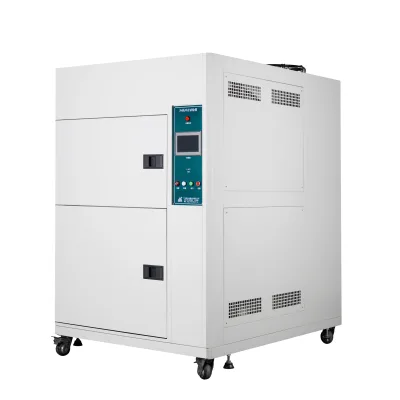
China Laboratory Testing Equipment Cold and Thermal Shock Testing Machine
$5000.00 - $8000.00
MOQ: 1 Minimum


Standard High Low Temperature Environmental Thermal Shock Test Equipment
$27680.00 - $86520.00
MOQ: 1 Set


Environmental High and Low Temperature 3-Zone Thermal Shock Test Machine
$4000.00 - $8000.00
MOQ: 1 Pieces


225L Lab Equipment for Two Zones Temperature Thermal Shock Test Chambers
$2000.00 - $8000.00
MOQ: 1 Pieces


Lab Equipment High-Low Temperature Thermal Shock Impact Test Machine
$15000.00 - $50000.00
MOQ: 1 Pieces

Thermal Shock Tester Thermal Shock Test Chamber Thermal Shock Test Machine
$29000.00 - $32000.00
MOQ: 1 Pieces


Comprehensive Sourcing Guide
Strategic Sourcing Guide for Semiconductor Thermal Shock Test Equipment
Procuring Semiconductor Thermal Shock Test Equipment requires a rigorous approach that balances precise technical specifications with robust supplier verification. For buyers in the electronics and semiconductor sectors, the primary objective is to validate device reliability under extreme thermal stress conditions. This guide outlines the critical factors for sourcing, ensuring that procurement decisions are grounded in verifiable data and industry best practices rather than marketing assertions. The following sections detail the technical landscape, compliance requirements, cost structures, and evaluation criteria necessary for a successful acquisition.
Technical Specifications and Performance Parameters
The core functionality of thermal shock equipment lies in its ability to rapidly transition test samples between extreme temperature environments. When evaluating potential units, buyers must scrutinize the specific temperature ranges and transition speeds. Based on available market data, high-performance units often feature a hot zone temperature range extending from +80℃ to +200℃, while the cold zone may operate between -10℃ and -70℃. Some advanced configurations offer a test zone range of -60℃ to +150℃, which is critical for simulating diverse environmental stressors encountered in semiconductor manufacturing.
Temperature stability is equally vital. Reliable equipment typically maintains a temperature fluctuation of ±2℃, ensuring that the test environment remains consistent during the exposure phase. For applications requiring higher precision, certain models demonstrate a temperature fluctuation of ±0.5℃ and an accuracy of ±0.1℃. The speed of thermal transition is another key differentiator. Buyers should verify the temperature recovery time, with high-end units achieving a recovery of less than 5 minutes. Furthermore, the rate of temperature change is often specified by the time required to transition from room temperature to the target extremes; for instance, a rise to +180℃ may take no more than 30 minutes, while a drop to -70℃ might require up to 50 minutes.
The physical capacity of the test chamber must align with the volume of semiconductor components being tested. Internal volumes can vary significantly, with common configurations offering 80 liters of space. The dimensions of the test chamber itself, such as 500mm in width, 400mm in height, and 400mm in depth, dictate the maximum size of the device under test. Conversely, the overall external dimensions, potentially reaching 1650mm by 1720mm by 1680mm, are essential for facility planning and logistics. The loading method is another technical consideration; dynamic load systems allow for the movement of samples between zones without manual intervention, reducing the risk of human error and ensuring consistent test cycles.
Compliance, Certification, and Standards Verification
In the semiconductor industry, adherence to international standards is non-negotiable. Buyers must verify that the equipment meets specific certification requirements before finalizing a purchase. Common certifications observed in the market include ISO, TUV, and CE marks. These certifications indicate that the manufacturer has undergone rigorous assessment regarding safety, quality management, and electromagnetic compatibility. It is crucial to distinguish between general certifications and those specific to the equipment's intended application.
While specific standards like IEC 60068-2-14 and IEC 60068 are frequently referenced in the industry for environmental testing, buyers should confirm that the equipment's design and operation align with these standards rather than assuming compliance based on general marketing. The equipment's protection class, often rated at IP56, ensures that the internal components are protected against dust and water jets, which is vital for maintaining operational integrity in laboratory settings. Additionally, the accuracy grade, which may be defined by computer control systems, ensures that the data collected during testing is reliable and traceable.
Buyers should also check for specific product standards and customizations. While some units adhere to standard dimensions like 100010001000 mm, others may be customized to fit unique testing protocols. The supply voltage requirements, such as φ200VAC±10% 50~60Hz or φ400VAC, must match the facility's power infrastructure to prevent operational failures. Verifying these compliance details is not merely a bureaucratic step but a fundamental risk mitigation strategy that ensures the equipment will perform as expected under regulatory scrutiny.
Cost Drivers and Pricing Structures
The pricing of Semiconductor Thermal Shock Test Equipment is influenced by a complex array of factors, including temperature range, internal volume, automation level, and customization requirements. Market observations indicate a wide price range, typically spanning from $1,000 to $100,000 USD. This variance reflects the difference between basic models and high-precision, fully automated systems.
Several specific attributes drive the cost upward. Equipment featuring a wider temperature range, such as those capable of reaching +200℃ or dropping to -70℃, generally commands a higher price due to the advanced refrigeration and heating systems required. Automation is another significant cost driver; units with electronic load systems and computer control interfaces are more expensive than manual or semi-automated counterparts. The weight of the unit, which can range from 0-100 kg for smaller chambers to 800 kg for larger industrial models, also impacts shipping and installation costs.
Furthermore, the condition of the equipment plays a role in pricing. New units with a standard one-year warranty are priced differently from refurbished or used equipment. Customization options, such as specific packing requirements like standard export wooden boxes or plywood cases, can also add to the final cost. Buyers should be aware that the minimum order quantity (MOQ) for these specialized machines is typically one unit, but bulk purchasing agreements may offer different pricing structures. Understanding these cost drivers allows procurement teams to budget accurately and negotiate effectively with suppliers.
Typical Applications and Operational Context
Semiconductor Thermal Shock Test Equipment is primarily utilized in environments where the reliability of electronic components is paramount. The applications for this equipment are diverse, ranging from auto testing to laboratory and general lab testing. In the automotive sector, components must withstand extreme temperature fluctuations to ensure safety and longevity in vehicles. Similarly, laboratory testing facilities use these machines to validate the thermal resilience of new semiconductor designs before mass production.
The specific temperature impact range of -55℃ to +150℃ is particularly relevant for simulating real-world conditions that semiconductors might encounter during their lifecycle. This range allows engineers to test the device's ability to survive rapid thermal cycling, which can cause material fatigue and failure. The equipment's ability to handle dynamic loads makes it suitable for testing components that are subject to movement or vibration during operation.
Furthermore, the application extends to quality control processes where batches of components are screened for defects. The digital display and computer control features enable operators to monitor test progress in real-time, ensuring that any deviations from the set parameters are immediately identified. This capability is essential for maintaining high standards of quality in semiconductor manufacturing. By understanding these applications, buyers can select equipment that not only meets current testing needs but also scales with future production demands.
Supplier Evaluation and Origin Considerations
When evaluating suppliers, buyers should prioritize transparency regarding the product's origin and manufacturing standards. Many units in this category originate from China, with specific production hubs in regions such as Xiamen, Fujian Province, and Guangdong. While the geographic origin is a fact, it should not be the sole determinant of quality. Instead, buyers should focus on the supplier's ability to provide verifiable certifications and a track record of delivering compliant equipment.
The brand name, such as Lonroy, may appear on certain units, but buyers should not rely solely on brand recognition. Instead, they should verify the supplier's reputation through independent reviews and case studies. The condition of the equipment, typically listed as "New," should be confirmed through inspection reports or third-party verification. Additionally, the packing method, whether standard export wooden boxes or plywood cases, is an indicator of the supplier's attention to detail and commitment to protecting the equipment during transit.
Buyers should also assess the supplier's willingness to customize the equipment to meet specific testing protocols. The availability of customization is a key attribute that distinguishes top-tier suppliers from generic vendors. Furthermore, the supply voltage compatibility and the specific model numbers, such as LR-K190 or Pw-Cts3-80-55A, should be cross-referenced with the buyer's technical requirements. A thorough evaluation of the supplier's technical support and after-sales service is equally important, as these factors ensure long-term operational success.
Quality Control and Long-Term Procurement Considerations
Ensuring the quality of thermal shock test equipment requires a comprehensive approach to quality control. Buyers should implement strict inspection protocols before accepting delivery, verifying that the equipment matches the specified dimensions, weight, and performance parameters. The temperature fluctuation and accuracy specifications must be validated through independent testing to ensure they meet the stated tolerances.
Long-term procurement considerations also include the availability of spare parts and the ease of maintenance. Equipment with a one-year warranty provides a baseline of protection, but buyers should inquire about extended warranty options and the availability of service contracts. The automation features and computer control systems should be designed for longevity, with software updates and technical support readily available from the supplier.
Additionally, buyers should consider the energy efficiency and environmental impact of the equipment. Units with advanced temperature control systems may offer lower energy consumption, reducing operational costs over time. The protection class and the robustness of the construction, such as the use of high-quality materials for the test chamber, are critical for ensuring the equipment's durability in demanding industrial environments. By focusing on these quality control and long-term factors, buyers can secure a reliable investment that supports their semiconductor testing needs for years to come.
Comparative Analysis of Equipment Attributes
To facilitate informed decision-making, the following table summarizes key attributes observed in the market for Semiconductor Thermal Shock Test Equipment. This comparison highlights the variability in specifications and helps buyers identify the features most relevant to their specific requirements.
| Attribute | Observed Range / Specification | Relevance to Procurement |
|---|---|---|
| Temperature Range (Hot) | +80℃ ~ +200℃ | Determines suitability for high-heat semiconductor testing. |
| Temperature Range (Cold) | -10℃ ~ -70℃ | Critical for simulating extreme cold stress conditions. |
| Temperature Fluctuation | ±0.5℃ to ±2℃ | Indicates precision; lower values are preferred for high-accuracy testing. |
| Temperature Recovery Time | < 5 minutes | Faster recovery allows for higher throughput in testing cycles. |
| Internal Volume | 80 Liters | Dictates the size and quantity of components that can be tested simultaneously. |
| Automation Level | Computer Control / Electronic Load | Essential for reducing human error and increasing test consistency. |
| Certification | ISO, TUV, CE | Mandatory for regulatory compliance and market acceptance. |
| Power Source | AC220V or φ400VAC | Must match facility power infrastructure to avoid installation issues. |
| Origin | China (Fujian, Guangdong) | Influences shipping costs and lead times. |
| Warranty | 1 Year Standard | Baseline for post-purchase support and maintenance coverage. |
This comparative analysis underscores the importance of aligning equipment specifications with specific testing protocols. Buyers should use this data to create a detailed requirements matrix, ensuring that the selected equipment meets all critical performance criteria. By adhering to these guidelines, procurement teams can navigate the complexities of sourcing Semiconductor Thermal Shock Test Equipment with confidence and precision.
FAQs
What certifications do these thermal shock test units hold?
The equipment holds ISO, TUV, and CE certifications. These marks verify compliance with international safety and quality management standards required for semiconductor testing environments.
How long is the warranty period for new units?
New units come with a standard one-year warranty. This coverage protects buyers against manufacturing defects during the initial operational phase of the thermal shock equipment.
Can the equipment be customized for specific testing needs?
Customization is available for these thermal shock test units. Buyers can request tailored specifications to match unique semiconductor testing protocols or facility requirements.
What is the temperature fluctuation tolerance during testing?
The temperature fluctuation tolerance is typically ±2℃ for standard models. Some high-precision configurations offer tighter stability at ±0.5℃ for sensitive semiconductor applications.
How fast does the unit recover temperature after a cycle?
The temperature recovery time is less than 5 minutes for high-performance units. This rapid transition capability ensures efficient testing cycles for semiconductor reliability validation.
Which origin locations are available for these test chambers?
Units originate from China, specifically Xiamen, Fujian Province, and Guangdong. Buyers can select suppliers from these regions based on logistics and certification requirements.
What is the minimum order quantity for purchasing this equipment?
The minimum order quantity is one unit for most models. This allows buyers to acquire a single thermal shock test chamber without needing bulk commitments.