Source Serum Vial Amber Glass Bottle for Lab, Pharma, Biotech
Find 30 options for the Serum Vial Amber Glass Bottle designed for sample storage, pharmaceuticals, and biotechnology. Buyers can compare sizes like 2ml, 125ml, and 30ml-500ml, along with sealing types and customization features from suppliers in China.
Key considerations
Products List


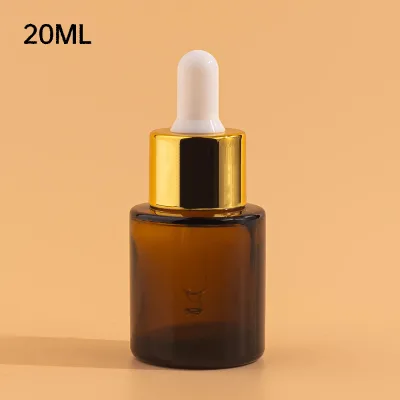

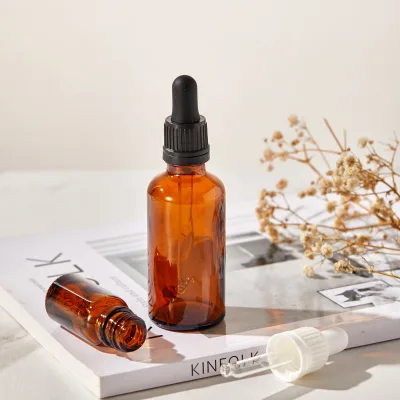
Comprehensive Sourcing Guide
Serum Vial Amber Glass Bottle Sourcing Guide
Procuring amber glass serum vials requires a nuanced understanding of pharmaceutical-grade packaging standards, material science, and supply chain logistics. These containers are critical for preserving the integrity of light-sensitive biological samples, ensuring sterility, and maintaining compliance with rigorous regulatory frameworks. Buyers must navigate a complex landscape of technical specifications, from neck sizes and sealing mechanisms to glass types and chemical resistance ratings, to ensure the selected packaging aligns with both product stability requirements and operational efficiency.
This guide synthesizes observed market data and trusted industry knowledge to provide a structured approach for sourcing decisions. It focuses on verifying technical attributes, understanding cost drivers, and establishing robust quality control protocols. By adhering to evidence-based procurement practices, organizations can mitigate risks associated with packaging failure, regulatory non-compliance, and supply chain disruptions, ultimately securing a reliable source for high-quality amber glass vials.
Product Scope and Observed Listing Signals
The market for amber glass serum vials encompasses a diverse range of product types, including crimp-top vials, ampoules, and syrup bottles, each serving distinct storage and dispensing needs. Observed listings indicate a strong presence of crimp-top vials with rubber stoppers, typically available in sizes such as 2ml, 30ml, 500ml, and larger formats like 125ml and 250ml. These vials are often characterized by their round shape and amber glass construction, which provides essential protection against UV light degradation for sensitive pharmaceutical and biotechnological applications.
Listing signals also reveal variations in packaging and customization options, with suppliers offering carton or pallet packing configurations depending on volume. Some products are marketed as recycled or unrecycled, indicating a growing market segment focused on sustainability, while others emphasize specific manufacturing techniques like bottle blowing or horizontal machine production. Buyers should note that while many suppliers accept logo printing, some listings explicitly state "without logo printing," highlighting the need to clarify branding requirements early in the sourcing process to avoid misalignment with marketing or regulatory labeling needs.
Technical Specifications to Verify
Verifying the physical and chemical specifications of amber glass vials is paramount to ensuring product compatibility and safety. Key attributes to confirm include the neck size, with 13mm being a common standard for crimp-top vials, and the sealing type, which often involves rubber stoppers or color-coded rings for ampoules. Buyers must also distinguish between different glass types, such as Type I water-resistant glass, which offers superior chemical resistance, and verify the coefficient of expansion (Coe) values, typically ranging from 5.0 to 7.0, to ensure thermal stability during sterilization processes.
Additionally, the breaking method for ampoules, such as OPC or color-breaking rings, and the form factors (Form B, C, D) are critical for operational efficiency in laboratory and manufacturing settings. The color of the glass, whether clear or amber, directly impacts light protection capabilities, with amber glass being preferred for light-sensitive serums. Buyers should also verify the alkali resistance type, often Type II, and ensure that the vials are suitable for the intended application, whether it be sample storage, pharmaceutical packaging, or medical use, to prevent chemical leaching or degradation.
Compliance and Safety Documentation
Compliance with international standards is non-negotiable for pharmaceutical and biotechnological packaging. Buyers must request documentation that verifies the vials meet relevant safety and quality standards, such as those governing water resistance and alkali resistance. While specific certification names are not universally standardized across all suppliers, the presence of Type I water resistance and Type II alkali resistance ratings is a strong indicator of compliance with high-quality glass standards.
Furthermore, buyers should ensure that the supplier provides clear information on the origin of the glass, with China, particularly Shandong, being a notable production hub. Documentation should also cover the manufacturing process, including whether the vials are produced using horizontal machines or bottle blowing techniques, as these methods can impact consistency and quality. It is essential to verify that the packaging materials, such as cartons and pallets, meet hygiene and safety standards to prevent contamination during storage and transportation.
Cost Drivers and Commercial Terms
The cost of amber glass serum vials is influenced by several factors, including material quality, customization requirements, and order volume. Observed price ranges vary significantly, from low-cost basic vials to premium options with specialized features, reflecting differences in glass purity, manufacturing precision, and additional services like logo printing. Buyers should consider the total cost of ownership, which includes not only the unit price but also shipping, handling, and potential costs associated with quality control and testing.
Commercial terms such as MOQ (Minimum Order Quantity) and lead times are critical for planning and budgeting. MOQs can range widely, from small quantities for testing to large volumes for mass production, impacting inventory management and cash flow. Buyers should negotiate clear terms regarding packaging, such as carton or pallet configurations, and verify any customization fees for logo printing or specific sealing types. Understanding these cost drivers helps in making informed decisions that balance quality, cost, and supply chain efficiency.
Supplier Qualification and Quality Control
Selecting a reliable supplier involves rigorous qualification and quality control processes. Buyers should assess the supplier’s manufacturing capabilities, including their use of advanced machinery and adherence to standardized production processes. Verification of the supplier’s origin and production facilities is essential to ensure transparency and accountability. Additionally, buyers should request samples to evaluate the physical quality, sealing integrity, and light protection capabilities of the vials before committing to large orders.
Quality control measures should include regular inspections of raw materials, in-process checks during manufacturing, and final product testing for defects. Buyers should establish clear criteria for acceptable quality levels and implement a robust inspection protocol upon receipt of goods. Collaboration with the supplier on continuous improvement initiatives can also help in maintaining high standards and addressing any issues promptly. By prioritizing supplier qualification and quality control, buyers can mitigate risks and ensure a consistent supply of high-quality amber glass vials.
Long-Term Procurement Checks
Long-term procurement success depends on ongoing monitoring and evaluation of supplier performance and product quality. Buyers should establish key performance indicators (KPIs) to track metrics such as delivery times, defect rates, and responsiveness to issues. Regular audits of the supplier’s quality management systems and production facilities can help identify potential risks and ensure continued compliance with standards.
Additionally, buyers should stay informed about industry trends and regulatory changes that may impact packaging requirements. This includes monitoring advancements in glass technology, sustainability practices, and new compliance standards. By maintaining a proactive approach to supplier management and staying adaptable to market changes, buyers can secure a reliable and cost-effective supply of amber glass serum vials, supporting their long-term business objectives and product integrity.
FAQs
What material is used for serum vial amber glass bottles?
These bottles are made from amber glass to protect light-sensitive contents. The material offers high flexibility and hardness, suitable for pharmaceutical packaging and laboratory sample storage applications.
Which sealing type is standard for these amber glass vials?
The standard sealing type is a rubber stopper designed for crimp top vials. This configuration ensures a secure seal for sample storage and biotechnology applications while maintaining product integrity.
Can I customize the logo on these amber glass bottles?
Logo printing is available for customization on these bottles. However, some listings indicate options without logo printing, so specific requirements must be confirmed with the supplier before ordering.
What sizes are available for serum vial amber glass bottles?
Available sizes range from 2ml to 500ml, including specific models like 125ml and 250ml. The 2ml variant features a 13mm neck size, while larger sizes use carton or pallet packing.
How are these amber glass bottles packaged for shipment?
Packaging options include cartons and pallets depending on the volume ordered. Smaller quantities often use cartons, while larger orders may utilize pallets to ensure safe transport of the glass items.
What is the origin of these serum vial amber glass bottles?
The products originate from China, with specific manufacturing locations in Shandong. This origin information helps buyers assess logistics and potential lead times for international procurement.
Are these bottles suitable for pharmaceutical applications?
Yes, they are explicitly designed for pharmaceutical packaging and medical applications. The amber glass provides necessary protection, and the round shape facilitates efficient handling in laboratory and biotechnology settings.