Source Serum Cosmetic Beads for facial, body, and oral care
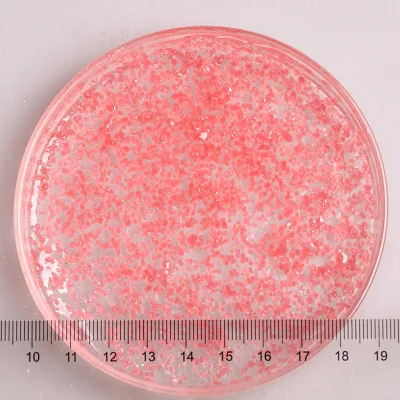
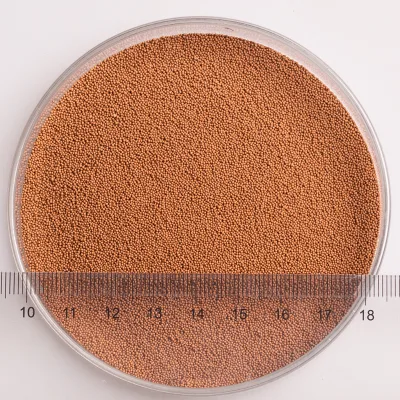
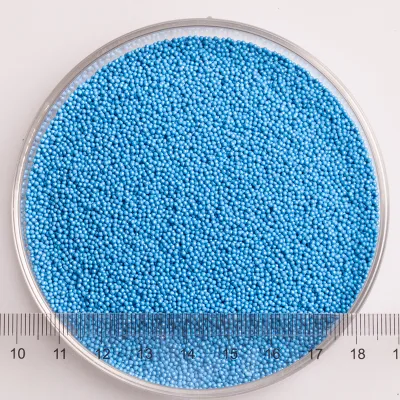
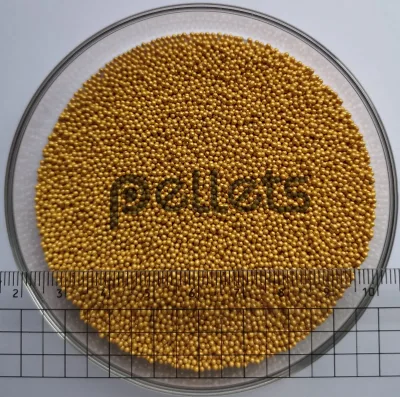
Find 16 listings for Serum Cosmetic Beads sourced from China. Compare cellulose-based oil beads and jojoba-style spheres available in pink, brown, and blue hues. These raw materials are designed for cosmetic, hair care, and oral care applications with OEM/ODM support.
Updated
Key considerations
Products List
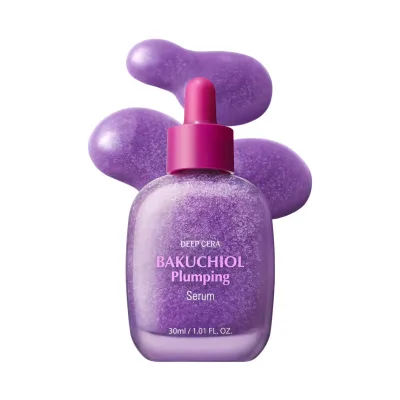
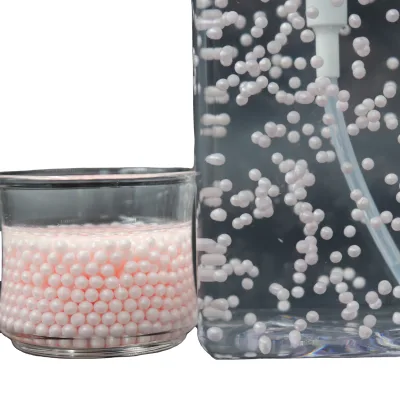
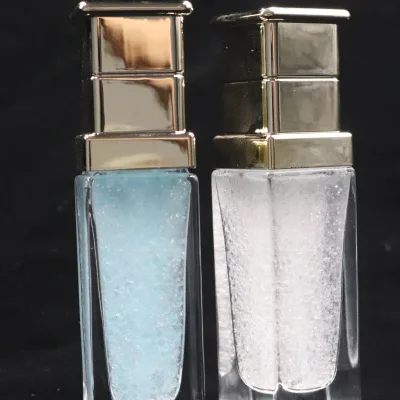
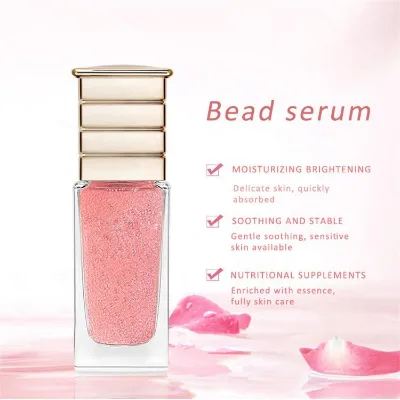
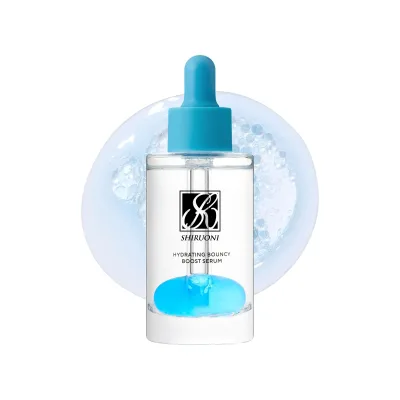
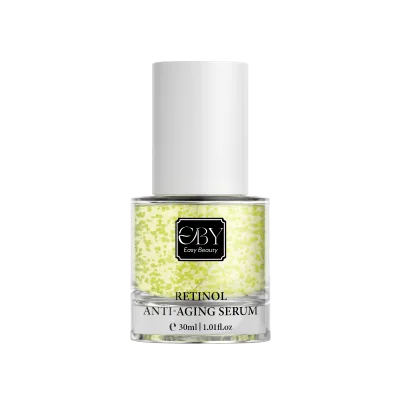
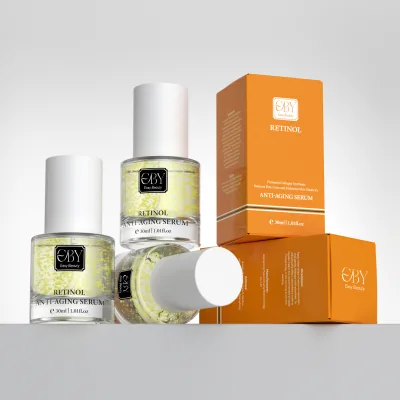
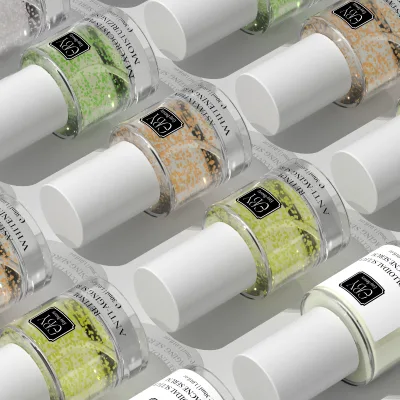
Comprehensive Sourcing Guide
Serum Cosmetic Beads Sourcing Guide
Procuring Serum Cosmetic Beads requires a nuanced understanding of material science and supply chain dynamics, particularly when sourcing from major manufacturing hubs like Chongqing and Guangdong in China. Buyers must navigate a landscape where product attributes vary significantly, ranging from cellulose-based oil beads to customized gel formulations. The observed market signals indicate a diverse inventory, with products labeled under various names such as "Oil beads for serum," "jojoba beads," and "oil Drop beads." These terms often describe the functional core of the bead rather than its structural composition, necessitating careful verification of the actual material content.
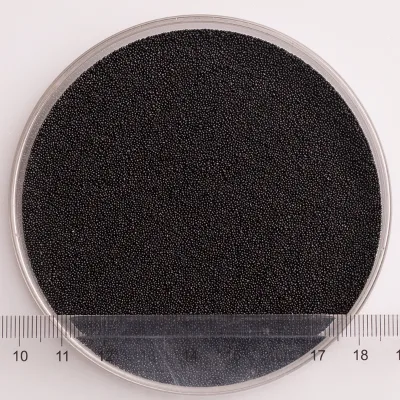
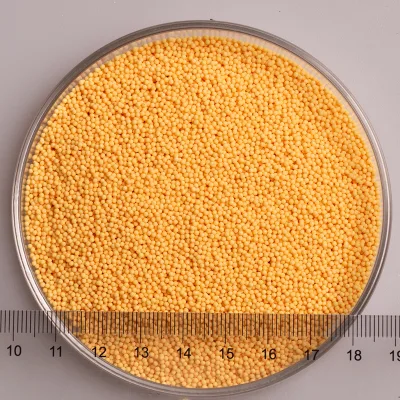
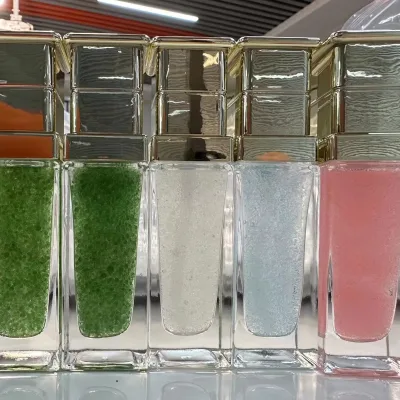
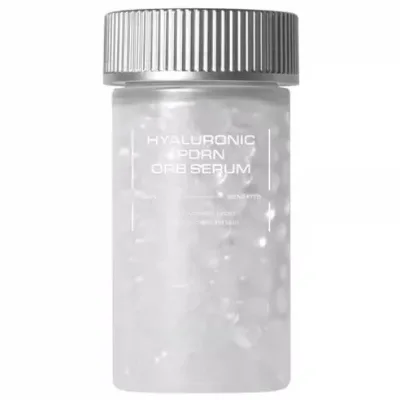
The visual and physical characteristics of these beads also present a complex verification challenge. Listings display a wide array of appearances, including pink, blue, brown, and customized colors, with forms described as beads, spheres, or gels. This variability suggests that suppliers may offer both standard and bespoke solutions tailored to specific cosmetic formulations. Buyers should prioritize suppliers who provide clear transparency regarding the core material, such as cellulose, and ensure that the bead structure aligns with the intended release mechanism of the serum. Understanding these distinctions is critical for maintaining product consistency and meeting consumer expectations for texture and efficacy.
Product Scope and Observed Listing Signals
The current market for Serum Cosmetic Beads exhibits a broad spectrum of product types, primarily categorized by their intended use in facial and body care applications. Observed listings highlight products designed for cosmetic raw materials, hair care chemicals, and even oral care chemicals, indicating a versatile utility across personal care segments. The presence of brands like "PELLETS" and "well pellets" suggests that some manufacturers operate under specific brand identities, while others may offer generic or OEM/ODM solutions. This diversity allows buyers to select suppliers based on their need for branded components versus private-label flexibility, depending on their market positioning and brand strategy.
Visual and physical attributes play a crucial role in product selection, with observed listings featuring colors such as pink, blue, and brown, as well as customized options. The form factor is predominantly described as beads or spheres, with some entries noting a gel-like consistency. These physical characteristics are not merely aesthetic; they often correlate with the bead's functionality, such as the controlled release of active ingredients. Buyers should pay close attention to these details, as the appearance and form can impact the sensory experience of the final cosmetic product. Additionally, the mention of "Colorful" and "Comfortable" features suggests that sensory appeal is a key selling point for these ingredients.
Technical Specifications to Verify
Verifying the technical specifications of Serum Cosmetic Beads is essential to ensure compatibility with your formulation process. Key attributes to confirm include the material composition, with cellulose being a noted material in some listings, and the model numbers, which may range from generic identifiers like "Oilets" to specific codes like "Colorlets Brown 04." Buyers should request detailed technical data sheets that specify the bead size, density, and dissolution or rupture properties. These parameters determine how the beads interact with the serum base and how they release their contents upon application. Misalignment in these specifications can lead to formulation instability or inconsistent product performance.
Another critical aspect is the packaging and weight specifications, which impact logistics and cost efficiency. Observed data includes single gross weights of 0.0 kg and 13.000 kg, as well as package sizes like 60X40X30 cm. These variations suggest that suppliers offer different packaging options, from small sample sizes to bulk industrial containers. Buyers must verify the actual net weight versus gross weight to avoid discrepancies in inventory management. Furthermore, the shelf life, noted as 1 year in some listings, is a vital factor for inventory planning. Ensuring that the beads remain stable and effective throughout their shelf life is crucial for maintaining product quality and minimizing waste.
Compliance and Safety Documentation
Compliance and safety documentation are non-negotiable requirements when sourcing cosmetic raw materials. Buyers must ensure that suppliers provide comprehensive safety data sheets (SDS) and certificates of analysis (COA) for each batch of Serum Cosmetic Beads. These documents verify the purity and composition of the beads, confirming that they meet the specified standards for cosmetic use. In the observed listings, purity is described as "mixture" or "mix," which requires further clarification to ensure that the components are safe and compliant with international cosmetic regulations. Buyers should request detailed ingredient lists to identify any potential allergens or restricted substances.
Additionally, certifications such as CE, mentioned in the background context, may indicate compliance with certain regional standards, but buyers should verify the specific scope and validity of these certifications. It is crucial to confirm that the supplier adheres to Good Manufacturing Practices (GMP) and other relevant quality management systems. This ensures that the production environment is controlled and that the beads are manufactured under hygienic conditions. Buyers should also inquire about any third-party testing or audits conducted by the supplier to validate their compliance claims. Robust documentation not only mitigates regulatory risks but also enhances consumer trust in the final product.
Cost Drivers and Commercial Terms
Understanding the cost drivers and commercial terms is vital for effective budgeting and negotiation. The observed price range of 1.79 to 100 USD suggests significant variability, likely influenced by factors such as material quality, customization, and order volume. Buyers should analyze the cost structure to identify the primary drivers, such as the complexity of the bead formulation or the level of customization required. For instance, customized colors or specific sizes may incur additional costs compared to standard offerings. Negotiating volume discounts and understanding the minimum order quantity (MOQ) requirements, which range from 1 to 1000 units, can help optimize procurement costs.
Commercial terms also include payment conditions, lead times, and shipping arrangements. Buyers should clarify the Incoterms used by the supplier to determine responsibility for shipping and insurance. Lead times can vary based on production capacity and order size, so it is essential to establish realistic timelines for delivery. Additionally, buyers should consider the total cost of ownership, including storage and handling costs, which can be influenced by packaging size and weight. By negotiating favorable terms and understanding the full cost implications, buyers can enhance their profitability and supply chain efficiency.
Supplier Qualification and Quality Control
Supplier qualification is a critical step in ensuring the reliability and consistency of Serum Cosmetic Beads. Buyers should conduct thorough due diligence on potential suppliers, verifying their business licenses, manufacturing capabilities, and quality control processes. The observed listings indicate suppliers from Chongqing and Guangdong, which are known manufacturing hubs, but buyers should still assess the specific facility's standards and practices. Requesting samples for testing is a practical way to evaluate the product's quality and performance before committing to a larger order. This hands-on verification helps identify any discrepancies between the supplier's claims and the actual product characteristics.
Quality control measures should be clearly defined and agreed upon with the supplier. This includes establishing acceptance criteria for visual appearance, physical properties, and chemical composition. Buyers should also inquire about the supplier's process for handling non-conforming products and their approach to continuous improvement. Regular audits and performance reviews can help maintain high standards and address any issues promptly. By prioritizing supplier qualification and robust quality control, buyers can minimize risks and ensure a steady supply of high-quality Serum Cosmetic Beads for their formulations.
Long-Term Procurement Checks
Long-term procurement checks are essential for maintaining a stable and efficient supply chain for Serum Cosmetic Beads. Buyers should establish regular review cycles to assess supplier performance, including on-time delivery, product quality, and responsiveness to issues. Monitoring market trends and technological advancements in bead technology can help buyers stay competitive and innovative. Engaging in strategic partnerships with suppliers can foster collaboration and mutual growth, leading to better pricing and priority service. Continuous communication and feedback loops are key to addressing any emerging challenges and optimizing the procurement process.
Additionally, buyers should diversify their supplier base to mitigate risks associated with single-source dependencies. Maintaining relationships with multiple suppliers can provide flexibility in case of supply disruptions or quality issues. Regularly updating the supplier qualification criteria and quality control protocols ensures that the procurement process remains aligned with evolving industry standards and regulatory requirements. By implementing these long-term checks, buyers can build a resilient supply chain that supports their business goals and delivers consistent value to their customers.
FAQs
What materials are used for Serum Cosmetic Beads?
The beads are primarily made from cellulose, a natural polymer suitable for cosmetic applications. This material allows the beads to encapsulate oils effectively while remaining biodegradable. The cellulose structure ensures stability during storage and provides a safe, non-irritating base for facial and body care formulations.
Can these beads be customized for specific colors?
Yes, the appearance can be customized to meet specific brand requirements. Options include pink, blue, brown, and other colors. The manufacturing process supports tailored colorlets and pearlets, allowing buyers to select hues that align with their product packaging and marketing strategies for distinct visual appeal.
What is the typical MOQ for these cosmetic beads?
The minimum order quantity varies by supplier, ranging from single items to 1000 units. Some suppliers list an MOQ of 36kg for bulk orders. Buyers should check individual listings for specific thresholds, as selling units may be defined as multiples of one or two items depending on the vendor.
Where are these serum beads manufactured?
These products originate from China, with specific manufacturing hubs in Chongqing and Guangdong provinces. The supply type often includes OEM and ODM services, allowing brands to leverage local production capabilities. Buyers can source directly from these regions to access competitive pricing and established manufacturing infrastructure for cosmetic raw materials.
What are the primary uses for these beads?
These beads serve as cosmetic raw materials for facial and body care products. They are also used in hair care and oral care chemicals. The beads function as oil droplets or jojoba beads, delivering active ingredients effectively. Their versatile application makes them suitable for various skincare formulations requiring controlled release.
How are the beads packaged and shipped?
Packaging dimensions are often customized, with standard single package sizes around 60x40x30 cm. The gross weight per unit can vary, with some listings indicating 13kg or 1kg per package. Buyers should verify specific packaging details with suppliers to ensure compatibility with their logistics and storage requirements for bulk raw materials.