Source RHD Steering Gear Rack for Honda, Toyota, and Nissan
Compare 30 verified RHD Steering Gear Rack listings from Chinese manufacturers. Buyers can review OEM numbers, certifications like ISO and CE, and customization options for automotive repair applications.
Key considerations
Products List

Auto Parts Rhd LHD Hydraulic Power Steering Gear Steering Rack for Ford Focus
$40.00 - $50.00
MOQ: 30 Pieces

Auto Parts Rhd LHD Hydraulic Power Steering Gear Steering Rack for Honda
$42.85 - $47.85
MOQ: 30 Pieces


Auto Electric Hydraulic Power Steering Rack Steering Gears for Ford Transit
$40.00 - $50.00
MOQ: 30 Pieces

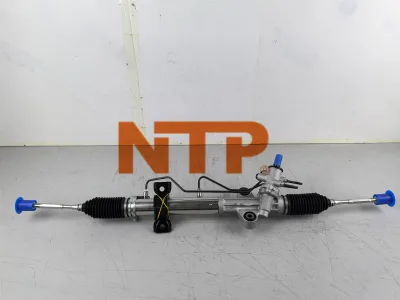


Rhd Steering Gear Steering Rack for Toyota Kdh222/Lh213 05-13 44200-26470 44200-26411
$40.00 - $70.00
MOQ: 1 Pieces

LHD Steering Rack for Toyota Auto Steering Gear 44250-20580 44250-20581-a 44250-20583
$30.00 - $80.00
MOQ: 1 Pieces

Auto Steering Gear LHD Power Steering Rack for Toyota 45500-02130 45500-02300
$20.00 - $100.00
MOQ: 10 Pieces

Auto LHD Steering Gear Assy Steering Rack 49001cc20b 49001-CB800 49001-Cc200
$20.00 - $50.00
MOQ: 1 Pieces

Rhd Power Steering Rack 45510-B4012/45510-B4011/45510-B4010/45510-B4020/45510-B4021
$30.00 - $80.00
MOQ: 1 Pieces

Auto Power Steering Gear Box Rack LHD for Toyota 44250-20181 44200-20181 44250-20221
$30.00 - $80.00
MOQ: 1 Pieces

China Hydraulic Power Steering Gear Rack for Toyota Honda Nissan Mercedes-Benz BMW Audi
$100.00 - $170.00
MOQ: 30 Pieces


Rhd Power Steering Rack for Toyota Altis 45510-12290/45510-02200/45510-47010/45510-12460
$31.80 - $33.80
MOQ: 100 Pieces


Comprehensive Sourcing Guide
Strategic Sourcing Guide for RHD Steering Gear Rack Procurement
Understanding Technical Specifications and Compatibility
When sourcing a Right-Hand Drive (RHD) steering gear rack, the primary objective is to identify components that match the specific mechanical architecture of the target vehicle. The supply landscape for these critical safety components is defined by precise model numbers and dimensional constraints rather than generic descriptions. Based on current market data, the steering gear rack is frequently categorized under the type "Steering Gears/Shaft" or specifically as a "Steering Gear Rack" and "steering rack." The physical construction of these units typically involves high-strength materials, with observed listings specifying Steel, Iron, and Aluminum/Alloy compositions. The material choice often dictates the weight and durability profile of the unit, with observed single gross weights ranging significantly, such as a 30.000 kg unit or a 12.000 Kg variant, indicating that weight is a variable attribute dependent on the specific OEM design.
Compatibility is the most critical technical factor. The product model numbers serve as the definitive link between the supplier's inventory and the buyer's vehicle requirements. Verified model identifiers in the current market include 53601-SJF-001, 44200-26470, 44200-26411, 45510-BZ350, 57700-1F000, 44250-20580, 45500-02130, 45500-02300, 49001CC20B, 49001-CB800, 49001-CC200, 45510-B4011, and 44250-20181. These alphanumeric codes correspond to specific manufacturers and vehicle generations, such as the Honda Rb1 or models spanning years 05-13 like the Kdh222Lh213. Buyers must verify that the listed "Car Model" specification aligns exactly with their fleet's VIN data. Furthermore, the physical dimensions of the packaging and the unit itself vary; observed single package sizes include 125X80X50 cm, 125X25X30 cm, and 854535 CM. These dimensions are essential for logistics planning and warehouse storage. The product is generally described as "New" and intended for "Replace/Repair" purposes, with some units featuring an "Automatic" transmission compatibility or specific color finishes like Silver.
Compliance, Certification, and Regulatory Standards
Navigating the regulatory landscape for automotive steering components requires rigorous verification of certifications. The steering gear rack is a safety-critical part, and compliance with international standards is non-negotiable. Current market observations indicate that suppliers often list a broad spectrum of certifications, including ISO, CE, DOT, GB, BS, ASTM, JIS, and DIN. The presence of the ISO certification is a high-confidence fact in the current dataset, suggesting a baseline adherence to quality management systems. However, buyers must treat the specific certification list as a claim that requires validation against the specific batch of goods, as not every listed product may satisfy every standard mentioned in a general supplier profile.
In addition to product certifications, the origin of the goods plays a significant role in regulatory acceptance. The majority of the observed supply originates from China, with specific provinces mentioned as Zhejiang and Guangdong. While the "Place of Origin" is clearly documented, buyers must ensure that the specific manufacturing facility holds the necessary local and international accreditations. The "Standard" attribute is frequently listed as "Standard," which implies adherence to industry norms, but this is a generic term. Buyers should verify if the product meets the specific "Standard" required by their local jurisdiction, such as FMVSS in the United States or ECE regulations in Europe. The "OEM" attribute is listed as "Acceptable," suggesting that many suppliers offer genuine or OEM-equivalent parts, but this does not guarantee that the part is an original manufacturer component unless explicitly stated.
Cost Drivers and Pricing Structures
The pricing of RHD steering gear racks is influenced by a complex interplay of material costs, customization requirements, and order volume. The observed listed price range in the current market spans from 19 to 171 USD. This wide variance suggests that the base price is not a fixed metric but is highly dependent on the specific model, material composition, and the level of customization requested. For instance, units made from Aluminum/Alloy may carry a different price point compared to those constructed from Steel or Iron. The "Customization" attribute is noted as "Available," which implies that buyers can request specific packaging, labeling, or minor modifications, but these services likely incur additional costs that push the final price toward the higher end of the observed range.
Minimum Order Quantity (MOQ) is another significant cost driver. The data shows an observed MOQ range of 1 to 200 units, with a specific high-confidence fact noting an MOQ of 30 PCS for certain listings. Other entries indicate an MOQ of "1 set," which is advantageous for small-scale repair shops or individual buyers, while larger fleet operators may need to negotiate for bulk pricing tiers. The "Selling Units" are typically listed as "Single item," but the "MOQ" constraint dictates the minimum financial commitment required to initiate a transaction. Buyers should be aware that the "Netural Package" or "Customized" packing options may also affect the final landed cost, as specialized packaging often requires additional labor and materials.
Typical Applications and Vehicle Compatibility
The application of the RHD Steering Gear Rack is predominantly within the automotive sector, specifically for replacement and repair scenarios. The product is explicitly designed for "Replace/Repair" purposes, indicating that it is intended to restore functionality to vehicles where the original steering gear has failed or worn out. The compatibility data highlights specific vehicle models, such as the Honda Rb1, and specific chassis codes like Kdh222Lh213. This specificity underscores the importance of matching the "OEM No." exactly. The observed OEM numbers, such as 44200-26470 and 44200-26411, are critical identifiers that ensure the new part will fit the mounting points and connect correctly with the steering column and rack.
The "Type" of the product is consistently identified as "Steering Gears/Shaft" or "steering rack," confirming its function in the steering system. The "Purpose" is strictly defined as replacement, meaning these parts are not typically designed for aftermarket modification or performance enhancement but rather for restoring the vehicle to its original operating specifications. The "Quality" attribute is often described as "High quality," but this is a subjective claim that buyers must verify through inspection or third-party testing. The "Service" aspect, such as "7X24 Hours Customer Service," is a value-added feature that supports the procurement process but does not alter the technical application of the part itself.
Supplier Evaluation and Operational Logistics
Evaluating a supplier for RHD steering gear racks requires a focus on reliability, communication, and logistical capabilities. The "Service" attribute highlights the availability of 7X24-hour customer support, which is a positive indicator for handling urgent procurement needs or technical queries. However, buyers must also assess the supplier's ability to meet delivery timelines. The observed "Delivery time" is listed as 3-5 Days, which is a relatively short lead time, suggesting efficient processing. However, this figure should be treated as an observation rather than a guaranteed promise, as actual lead times can vary based on stock availability and shipping conditions.
The "Place of Origin" is consistently reported as China, with specific regions like Zhejiang and Guangdong identified. Buyers should verify the specific factory location to ensure it aligns with their supply chain risk management strategies. The "Packing" options range from "Neutral Carton" to "Netural Package" and "Customized," which affects how the goods are shipped and received. The "Single package size" varies, with dimensions like 125X80X50 cm and 125X25X30 cm observed. These dimensions are crucial for calculating shipping costs and determining the number of units that can be loaded into a container. The "Weight" of the units, ranging from 12.000 Kg to 30.000 kg, also impacts freight costs and handling requirements.
Quality Control and Long-Term Procurement Considerations
Maintaining quality in the procurement of steering gear racks requires a proactive approach to quality control. While the "Quality" attribute is listed as "High quality," this is an observation that must be validated. Buyers should request documentation such as test results, material certificates, and inspection reports to confirm that the parts meet the required specifications. The "Certification" list, including ISO, CE, DOT, and others, provides a starting point for verification, but buyers should ensure that the certifications are current and applicable to the specific product batch.
Long-term procurement considerations involve building a sustainable relationship with suppliers who can consistently deliver high-quality parts. The "Customization" availability suggests that suppliers are willing to adapt to buyer needs, which is beneficial for long-term partnerships. However, buyers should also consider the "MOQ" flexibility, as a supplier willing to accept smaller orders (e.g., 1 set) may be more suitable for testing new products or managing inventory for smaller fleets. The "OEM" acceptability indicates that suppliers are open to working with original equipment specifications, which is essential for maintaining vehicle warranties and safety standards.
Comparative Analysis of Product Attributes
To facilitate decision-making, the following table summarizes the key attributes observed in the current market for RHD steering gear racks. This comparison highlights the variability in specifications and helps buyers identify the most suitable options for their specific needs.
| Attribute Category | Observed Values | Procurement Implication |
|---|---|---|
| Material | Steel, Iron, Aluminum/Alloy | Determines weight, durability, and cost. |
| Condition | New | Ensures the part is not refurbished or used. |
| Certification | ISO, CE, DOT, GB, BS, ASTM, JIS, DIN | Indicates compliance with various international standards. |
| MOQ | 1 set, 30 PCS, up to 200 | Defines minimum order volume and financial commitment. |
| Weight | 12.000 Kg, 30.000 kg | Affects shipping costs and handling requirements. |
| Packaging | Neutral Carton, Customized, Netural | Impacts logistics planning and storage space. |
| Delivery Time | 3-5 Days | Indicates potential lead time for order fulfillment. |
| OEM Compatibility | Acceptable, Specific OEM Nos. | Ensures fitment and functionality for target vehicles. |
| Origin | China (Zhejiang, Guangdong) | Relevant for trade regulations and supply chain risk. |
Final Procurement Recommendations
Sourcing RHD steering gear racks requires a meticulous approach that balances technical compatibility, regulatory compliance, and cost efficiency. Buyers must prioritize the verification of model numbers and OEM codes to ensure perfect fitment. The wide range of observed certifications and materials necessitates a thorough review of product documentation before finalizing any purchase. While the market offers competitive pricing and short lead times, the variability in MOQ and packaging options requires careful planning to optimize logistics and inventory management. By adhering to the observed facts and maintaining a rigorous quality control process, buyers can secure reliable steering gear racks that meet the demanding standards of the automotive industry.
FAQs
What certifications do rhd steering gear racks typically have?
These parts commonly carry ISO, CE, DOT, GB, BS, ASTM, JIS, and DIN certifications. Buyers should verify that specific batches meet these standards as not every listed product satisfies every standard mentioned in a general supplier profile.
Which materials are used to manufacture rhd steering gear racks?
Manufacturers use Steel, Iron, and Aluminum/Alloy compositions for these units. The material choice dictates the weight and durability profile, with observed single gross weights ranging from 12.000 kg to 30.000 kg depending on the design.
Can I customize the packaging for my RHD Steering Gear Rack order?
Yes, customization is available for packaging, labeling, and minor modifications. Buyers can request Neutral Cartons, Netural Packages, or Customized options, though these services may incur additional costs pushing the final price toward the higher end of the range.
What is the minimum order quantity for rhd steering gear racks?
The minimum order quantity varies from 1 set to 200 units depending on the supplier. A specific high-confidence fact notes an MOQ of 30 PCS for certain listings, while others allow smaller orders for testing or small fleet needs.
How long does it take to receive rhd steering gear racks?
The observed delivery time is listed as 3-5 Days for order fulfillment. Buyers must treat this as an observation rather than a guaranteed promise, as actual lead times can vary based on stock availability and shipping conditions.
Which car models are compatible with these rhd steering gear racks?
These racks are compatible with specific models like the Honda Rb1 and chassis codes such as Kdh222Lh213. Buyers must verify that the listed Car Model specification aligns exactly with their fleet's VIN data to ensure proper fitment.
Where are the rhd steering gear racks manufactured?
The majority of observed supply originates from China, specifically Zhejiang and Guangdong provinces. Buyers should verify the specific factory location to ensure it aligns with their supply chain risk management strategies and regulatory requirements.