Source Sexy Club Mesh Jumpsuit for Events, Parties, and Clubs
Explore 30 options for the Sexy Club Mesh Jumpsuit, featuring slim fit designs in polyester. Compare sizes S to XL, packaging types, and MOQs from 1 set to 3000. Source directly from China with fast delivery and OEM/ODM customization available for your brand needs.
Key considerations
Products List


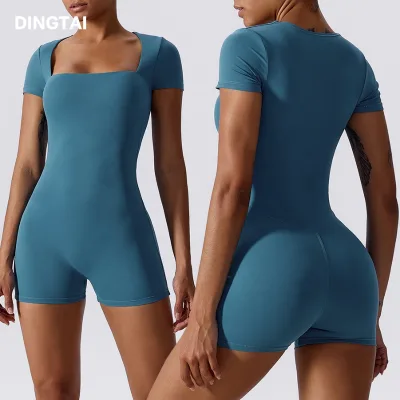

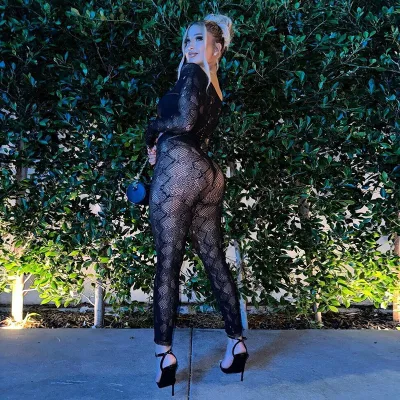
Hot Selling Elastic Thick Sexy Hollow Out Lace One Piece Mesh Jumpsuit Women
$9.70 - $10.30
MOQ: 3 pieces


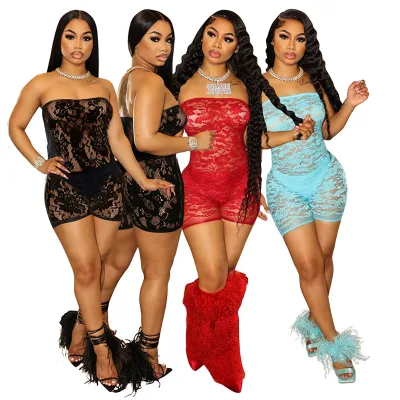


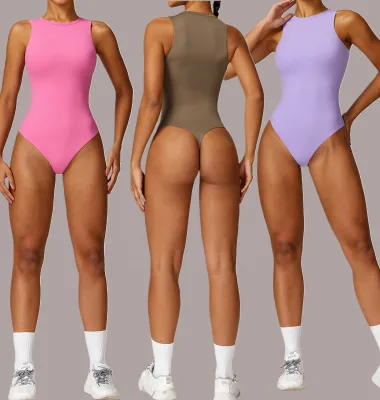


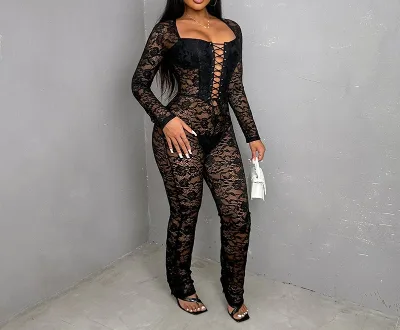


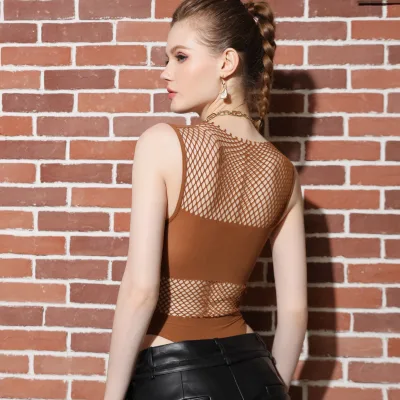
Comprehensive Sourcing Guide
Sexy Club Mesh Jumpsuit Sourcing Guide
Sourcing sexy club mesh jumpsuits requires a disciplined approach to verifying product consistency, as the category often blends fashion aesthetics with specific functional requirements. Buyers must treat initial listings as starting points for inquiry rather than final specifications, particularly when dealing with high-visibility apparel intended for nightlife or performance contexts. The primary challenge lies in aligning the visual appeal of the mesh fabric with the structural integrity required for repeated wear and movement.
Procurement teams should prioritize suppliers who can demonstrate stable production capabilities for delicate materials. Since mesh fabrics are prone to snagging and distortion, the supplier’s ability to maintain uniform tension during knitting and cutting is critical. Establishing clear communication channels early helps mitigate risks associated with color matching and sizing variations, ensuring that the final product meets the aesthetic standards expected by end consumers in club and entertainment venues.
Product Scope and Observed Listing Signals
The observed product data indicates a diverse range of models, including specific identifiers such as 2307008, XZ5072A, and LNN10199, suggesting a catalog that spans multiple design iterations. Listings frequently highlight attributes like "Slim Fit" and "Sleeveless" styles, which are common in clubwear to enhance body contouring. The presence of various size options, from S to XL, confirms that suppliers are catering to a broad demographic, though buyers must verify the specific size charts provided, as "S/M/L" and "S/M/L/XL" ranges appear interchangeably in different listings.
Packaging and delivery signals also vary significantly across the observed listings. Some items are packed in OPP bags, while others use box packing or carton boxes, which impacts storage and shipping logistics. Delivery times are often listed as "Spot 3~7 Days" for in-stock items, indicating a ready-to-ship inventory model. However, customization options, such as OEM/ODM services, are widely accepted, allowing buyers to modify designs. Understanding these signals helps buyers distinguish between off-the-shelf stock and made-to-order production, which directly affects lead times and minimum order quantities.
Technical Specifications to Verify
Buyers must rigorously verify the fabric composition, as polyester is the dominant material listed for these jumpsuits. Polyester offers durability and ease of care, but its specific weave and weight determine the drape and opacity of the mesh. It is essential to request physical samples to assess the fabric’s stretch recovery and resistance to pilling, as these factors influence the garment’s longevity. The technical specifications should also confirm the knitting technique, with "Knitted" being a common attribute, which affects the fabric’s elasticity and fit retention over time.
Sizing and fit details require precise verification to avoid high return rates. The "Slim Fit" attribute implies a close-to-body cut, which demands accurate measurement standards. Buyers should cross-reference the supplier’s size charts with their own target market’s sizing preferences, noting that discrepancies between "S/M/L" and "S/M/L/XL" ranges can lead to inventory mismatches. Additionally, the sleeve length, often listed as "Sleeveless," must be consistent across all units. Verifying these technical details ensures that the product aligns with the intended aesthetic and functional requirements of the clubwear market.
Compliance and Safety Documentation
While specific certification standards are not explicitly detailed in the provided data, buyers must ensure that the polyester fabric meets relevant textile safety regulations in their target markets. This includes checking for compliance with flammability standards and chemical restrictions, such as limits on harmful dyes or finishes. Requesting test reports from accredited laboratories is a standard practice to verify that the materials do not pose health risks to consumers. Documentation should clearly state the testing methods and results, providing a transparent record of the product’s safety profile.
Labeling requirements are another critical aspect of compliance. The observed data mentions "Sewing Label" options with specific MOQs, such as 20 or 100 pieces per color, which indicates that suppliers can accommodate custom branding. However, buyers must ensure that all required care instructions, fiber content, and country of origin are correctly printed on the labels. Failure to include accurate labeling can result in regulatory non-compliance and potential legal issues. Verifying that the supplier adheres to local labeling laws is essential for smooth market entry and consumer trust.
Cost Drivers and Commercial Terms
The observed price range of $0.89 to $25 per unit reflects the variability in design complexity, fabric quality, and order volume. Lower price points may correspond to simpler designs or bulk orders, while higher prices might indicate premium fabrics or customized features. Buyers should analyze the cost structure to understand which factors drive the price, such as the type of mesh, the number of design elements, and the packaging method. Negotiating terms based on these drivers can help optimize the total cost of ownership.
Minimum Order Quantities (MOQ) vary significantly, with listings showing ranges from 1 set to 3000 units. Some suppliers offer low MOQs for in-stock items, such as 10 sets per style, which is beneficial for testing new designs. However, custom orders often require higher MOQs, such as 300 pieces per style and color. Understanding these thresholds is crucial for inventory planning, as lower MOQs allow for greater flexibility but may result in higher per-unit costs. Buyers should balance the need for variety with the economic benefits of bulk purchasing to maintain a competitive edge.
Supplier Qualification and Quality Control
Qualifying suppliers involves assessing their production capabilities and quality control processes. The data indicates that suppliers offer "High Quality" products, but buyers must verify this through sample inspections and factory audits. Checking the supplier’s experience with mesh fabrics is essential, as these materials require specialized handling to prevent defects. Suppliers who can provide detailed production schedules and quality checkpoints demonstrate a commitment to maintaining consistent standards.
Quality control measures should include pre-shipment inspections to catch any defects before the goods are shipped. Buyers can request inspection reports that detail the percentage of defective items and the corrective actions taken. Additionally, verifying the supplier’s ability to handle small quantities, as indicated by the "Accept Small Quantity" attribute, is important for buyers who need to test the market with limited stock. Establishing a robust quality control framework ensures that the final products meet the expected standards and reduces the risk of customer complaints.
Long-Term Procurement Checks
For long-term procurement, buyers should establish a framework for ongoing supplier performance evaluation. This includes tracking key performance indicators such as on-time delivery rates, defect rates, and responsiveness to inquiries. The observed delivery times of 3-7 days for spot goods suggest that suppliers can maintain a steady flow of inventory, but buyers should monitor this consistency over time. Regular reviews help identify any trends in performance and allow for timely adjustments to the procurement strategy.
Building a collaborative relationship with suppliers can lead to better terms and improved product quality. Engaging in regular communication and sharing market feedback helps suppliers understand the buyer’s needs and adapt their production processes accordingly. Additionally, exploring opportunities for co-development can result in unique designs that differentiate the buyer’s offerings in the market. By focusing on long-term partnerships, buyers can secure a reliable supply chain and enhance their competitive position in the clubwear industry.
FAQs
What sizes are available for the Sexy Club Mesh Jumpsuit?
The product is available in S, M, L, and XL sizes. Some listings also specify S, M, and L options. Buyers should confirm the specific size chart with the supplier before placing an order to ensure the correct fit for their needs.
Can I order small quantities of the Sexy Club Mesh Jumpsuit?
Yes, small quantity orders are accepted for many styles. The minimum order quantity varies from one set to ten sets depending on the specific model. Some custom styles require a higher minimum of 300 pieces per color and style.
How fast can I receive the Sexy Club Mesh Jumpsuit?
Spot items can be delivered within three to seven days. The products are currently in stock for fast delivery. Custom orders may require additional time, so buyers should confirm the specific lead time with the manufacturer before finalizing the purchase.
What material is used for the Sexy Club Mesh Jumpsuit?
The jumpsuits are primarily made from polyester fabric. Some items feature knitted techniques and are designed with sleeveless or long sleeve styles. The material choice ensures durability and comfort for club wear while maintaining the desired aesthetic appeal.
Is customization available for the Sexy Club Mesh Jumpsuit?
OEM and ODM customization services are accepted for all styles. Buyers can request custom sewing labels with a minimum of twenty pieces per color. Additional customization options like specific packaging or branding details should be confirmed directly with the supplier.
How are the sexy club mesh jumpsuits packaged for shipping?
Packaging options include box packing, OPP bags, and carton boxes depending on the order size. Express shipments often use express bags containing ten sets. Buyers should specify their preferred packaging method when confirming the order details with the vendor.
Where are the sexy club mesh jumpsuits manufactured?
The products originate from China with delivery ports in Guangzhou and Shenzhen. Buyers can expect high-quality manufacturing standards for these items. The specific factory location may vary, but all listed products are sourced from verified Chinese suppliers.