Find Sheep Goat Feeder for Farm, Cattle, and Sheep Horse
Source 30 listings for Sheep Goat Feeder options including metal, iron, and galvanized steel models. Buyers can compare dimensions, surface treatments, and certifications like CE and ISO for livestock applications.
Key considerations
Products List


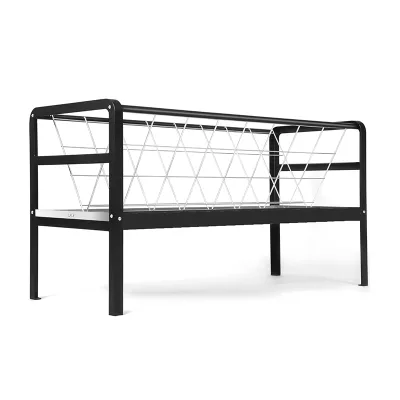
Galvanized Sheep/Cattle Bale Feeder/Round Bale Feeder Horse Hay Feeder
$132.01 - $145.78
MOQ: 10 piece


Comprehensive Sourcing Guide
Strategic Sourcing Guide for Sheep and Goat Feeders
Selecting the appropriate feeding infrastructure for small ruminants requires a nuanced understanding of material durability, structural geometry, and animal behavior. The market for sheep and goat feeders is diverse, ranging from compact, custom-designed units to large-scale industrial fencing systems that incorporate feeding functionality. Buyers must navigate a landscape where product attributes vary significantly between models, often defined by specific dimensions, surface treatments, and intended farm applications. This guide provides a disciplined approach to evaluating these products, ensuring that procurement decisions are grounded in verified technical specifications and compliance standards rather than generalized marketing claims.
Technical Specifications and Dimensional Analysis
The physical attributes of a sheep or goat feeder are the primary determinants of its suitability for a specific operation. When reviewing product listings, buyers must distinguish between standalone feeding troughs and integrated fencing systems. For instance, specific models in the current market are defined by precise dimensions such as a height of 97.5cm and a width of 60cm, with a length of 1.22m. These measurements are critical for ensuring the feeder fits within existing barn layouts or pasture boundaries without obstructing animal movement.
Conversely, other product categories, such as heavy-duty livestock fencing designed for cattle, sheep, and horses, present vastly different scale requirements. These systems may feature overall dimensions reaching 3920mm in length, 1640mm in width, and 1320mm in height. The structural integrity of these larger units often relies on specific pipe configurations. Buyers should verify the availability of round pipes with outer diameters of 32mm, 42mm, 48mm, or 60mm, as well as oval pipes in sizes like 30x60mm or 40x80mm. Square tubes, typically available in 40x40mm or 50x50mm right-hand side (RHS) dimensions, are also common in frame construction.
The geometry of the feeder itself is equally important. Some units are engineered with square holes, while others utilize round holes to prevent feed spillage and minimize injury risks to the animals. The choice between these shapes often depends on the specific feeding behavior of the livestock and the type of feed being dispensed. Additionally, the weight of the unit, which can be as high as 29kg for certain models, influences the ease of installation and the stability of the feeder against animal pressure.
Material Composition and Surface Treatments
Durability in agricultural environments is heavily dependent on the base material and the protective coatings applied. The majority of feeders in this sector are constructed from metal, with iron and low carbon steel being the most frequently cited materials. The choice of material dictates the initial cost and the long-term resistance to environmental degradation. For operations in coastal regions or areas with high humidity, the material selection becomes a critical risk management factor.
Surface treatment is the second line of defense against corrosion. Buyers should look for products that have undergone specific finishing processes. Powder coating is a common method used for frame finishing, providing a durable, aesthetically pleasing layer that resists chipping. However, for heavy-duty applications, galvanization is often preferred. Specific listings indicate the use of hot-dipped galvanization, which offers superior protection against rust compared to standard electro-galvanization. Other options include general coated surfaces, though the specific type of coating should be verified against the expected environmental stressors.
The combination of material and treatment defines the product's lifespan. A feeder made of galvanized steel sheet with a hot-dipped finish will generally outlast a standard iron unit with only a basic coat. When evaluating suppliers, it is essential to confirm that the "Anti-Corrosion" feature is backed by a specific process, such as hot-dipping, rather than a generic claim. This verification ensures that the investment will withstand the harsh conditions of a working farm.
Compliance, Certification, and Standards
In the global B2B market, compliance with international standards is a prerequisite for many buyers, particularly those exporting to regulated markets. The supply chain for agricultural equipment often includes certifications such as CE, ISO, and RoHS. These certifications indicate that the product meets specific safety, environmental, and quality management requirements. For example, some listings explicitly mention compliance with CE and ISO standards, while others may include RoHS and ASTM standards, reflecting adherence to stricter environmental and material safety protocols.
It is crucial for buyers to verify the specific standard associated with the product model. While some units are marketed as "Customized" in terms of their standard, others may adhere to specific dimensional standards, such as a width of 2.1m, 2.09m, or 2.07m. The standard for a particular model might also dictate the diameter and height, such as a unit with a 2m diameter and 1.06m height, or a larger structure measuring 4.46m in length with a 1.96m diameter.
Buyers must treat certification claims with due diligence. The presence of a certification mark does not automatically guarantee that every unit in a batch meets the criteria. It is advisable to request documentation that links the specific product model to the certification body. Furthermore, the origin of the product, often listed as China, should be cross-referenced with the buyer's local import regulations to ensure that the certifications are recognized and valid in the destination market.
Cost Drivers and Procurement Economics
The pricing of sheep and goat feeders is influenced by a complex interplay of factors, including material costs, manufacturing complexity, and logistical requirements. The observed price range in the market spans from approximately $8.99 to $1650 USD, reflecting the vast difference between small, simple feeders and large, complex fencing systems. This wide variance underscores the importance of defining the exact scope of the requirement before soliciting quotes.
Minimum Order Quantity (MOQ) is another significant cost driver. The market exhibits an MOQ range from 1 to 200 units. Buyers seeking to test a new supplier or fulfill a small-scale need can often find suppliers with low MOQs, facilitating lower upfront capital expenditure. However, for large-scale operations, negotiating a higher volume order can significantly reduce the unit cost. The packaging method also impacts the final landed cost. Products may be shipped in bulk, in cartons, or on pallets. Bulk shipping is generally more cost-effective for large orders but requires more on-site handling, whereas palletized or cartonized packaging offers better protection during transit but may incur higher shipping fees.
Typical Applications and Operational Fit
Understanding the intended application is vital for selecting the right equipment. While the core keyword focuses on sheep and goats, the market includes versatile units designed for multiple livestock types. Some feeders are explicitly rated for use with cattle, sheep, and horses, indicating a robust design capable of withstanding the pressure of larger animals. Other units are specialized for sheep and goats, featuring dimensions and hole shapes that prevent waste and ensure safe access.
The installation method is another critical consideration. Most feeders are designed for ground installation, which requires a stable foundation to prevent tipping. The "New" condition of the product is a standard expectation, but buyers should verify the condition of any used or refurbished units if they appear in the market. The weave technique, such as stamping, can also influence the product's suitability for specific applications, affecting the strength and flexibility of the mesh or frame.
Supplier Evaluation and Quality Control
Evaluating suppliers requires a focus on their ability to meet the specific technical and compliance needs of the buyer. Key attributes to verify include the customization availability, which allows for tailoring the feeder to unique farm layouts. The style of the product, often described as "Modern," can impact the aesthetic integration with farm infrastructure, though functionality should always take precedence.
Quality control measures should be a central part of the supplier evaluation process. Buyers should inquire about the testing procedures used to validate the anti-corrosion claims and the structural integrity of the pipes. The market includes products with specific features like "Anti-Corrosion," but the underlying quality control protocols determine the reliability of this feature. Additionally, the condition of the product upon arrival should be guaranteed, with clear policies for handling damage during transit.
Long-Term Procurement Considerations
Sourcing agricultural equipment is a long-term investment. Buyers should consider the lifecycle of the product, including maintenance requirements and the availability of replacement parts. The choice of material and surface treatment directly impacts the frequency of maintenance. A hot-dipped galvanized unit will require less maintenance than a standard coated unit, potentially lowering the total cost of ownership over time.
Furthermore, the market dynamics, including the origin of the product and the specific standards applied, should be monitored for changes. As regulations evolve, the certification requirements for imported agricultural equipment may shift. Buyers should maintain a relationship with suppliers who are adaptable to these changes and can provide updated compliance documentation. The ability to customize the product also offers a long-term advantage, allowing the feeder to be modified as the farm's needs change or as new animal breeds are introduced.
Comparative Overview of Product Attributes
To assist in the decision-making process, the following table summarizes the key attributes observed in the current market for sheep and goat feeders. This comparison highlights the diversity in specifications and helps buyers identify the features most relevant to their specific operational needs.
| Attribute Category | Specific Observation | Relevance to Procurement |
|---|---|---|
| Material | Metal, Iron, Low Carbon Steel, Galvanized Steel Sheet | Determines durability and corrosion resistance. |
| Surface Treatment | Powder Coated, Coated, Galvanized, Hot Dipped Galvanized | Critical for longevity in outdoor environments. |
| Dimensions | Height: 97.5cm; Width: 60cm; Length: 1.22m | Ensures fit within existing infrastructure. |
| Dimensions (Large) | 3920mm x 1640mm x 1320mm | Required for large-scale fencing and feeding systems. |
| Hole Shape | Square, Round | Affects feed spillage and animal safety. |
| Pipe Configuration | Round (32-60mm), Oval (30x60mm), Square (40x40mm) | Influences structural strength and weight. |
| Certification | CE, ISO, RoHS, ASTM | Essential for regulatory compliance in target markets. |
| Application | Farm, Sheep, Goat, Cattle, Horse | Defines the suitability for specific livestock types. |
| Installation | Ground Installation | Determines site preparation requirements. |
| Packing | Carton, Bulk, Pallet | Impacts shipping costs and on-site handling. |
| Origin | China | Relevant for logistics and import duty calculations. |
| Condition | New | Standard expectation for new equipment. |
By carefully analyzing these attributes and cross-referencing them with the specific needs of the farm, buyers can make informed decisions that balance cost, quality, and functionality. The diversity of the market offers solutions for every scale of operation, from small family farms to large commercial enterprises, provided that the technical specifications are rigorously verified before purchase.
FAQs
What materials are used for sheep goat feeders?
Sheep goat feeders are typically constructed from metal, iron, or low carbon steel. Some units specifically utilize galvanized steel sheets to ensure durability. The choice of material directly impacts the feeder's resistance to environmental wear and tear on the farm.
Which surface treatments protect feeders from corrosion?
Common protective treatments include powder coating, general coating, and galvanization. Hot-dipped galvanization offers superior rust resistance for heavy-duty applications. Buyers should verify the specific treatment type to ensure long-term performance in outdoor conditions.
Can I find customized dimensions for these feeders?
Yes, customization is available for many Sheep Goat Feeder models. Specific dimensions like 97.5cm height and 60cm width are common, but standards can be tailored. This allows buyers to fit units into existing barn layouts or specific pasture boundaries effectively.
What certifications do manufacturers typically hold?
Many suppliers provide products with CE, ISO, RoHS, and ASTM certifications. These marks indicate compliance with safety and quality management standards. Buyers should verify that the specific product model is linked to the certification body for import validity.
How does the hole shape affect animal safety?
Feeders are available with either square or round hole shapes to prevent feed spillage and injury. The geometry is chosen based on the specific feeding behavior of the livestock. This design choice ensures safe access while minimizing waste during feeding operations.
What is the typical price range for these units?
The market price range spans from approximately 8.99 to 1650 USD depending on the model. Costs vary significantly between small feeders and large fencing systems. Buyers must define their exact scope to get accurate quotes within this wide variance.