Source Shelf Storage Seasoning Bottle for Kitchen, Camping, and Tableware
Find and compare 30 Shelf Storage Seasoning Bottle options from Chinese manufacturers. Evaluate features like screw caps, square shapes, and materials including glass and stainless steel for kitchen, camping, and tableware applications.
Key considerations
Products List
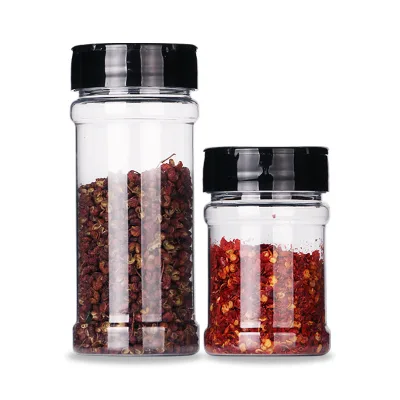


Storage Spice Bottle Salt Shaker Jar Spice Jars with Top Lid Plastic Bottle
$0.20 - $0.32
MOQ: 3000 Pieces


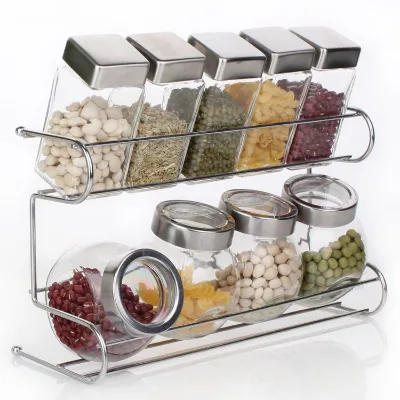
2026 Kitchen Spice Bottle Set, Seasoning Jar Shelf ,Spice Rack 10pcs/Set
$2.05 - $5.14
MOQ: 2000 Minimum
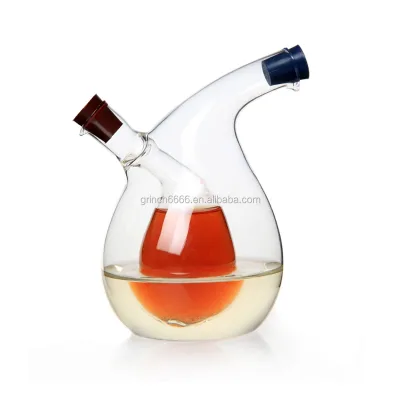
2026 Multipurpose Large Kitchen Seasoning Bottle, Glass oil vinegar sauce bottle
$2.00 - $5.00
MOQ: 2000 Minimum


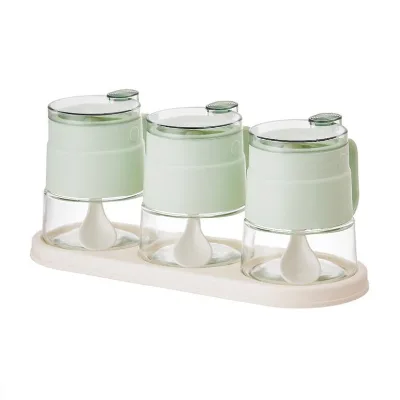
Comprehensive Sourcing Guide
Shelf Storage Seasoning Bottle Sourcing Guide
Navigating the market for shelf storage seasoning bottles requires a clear understanding of the diverse product landscape, where materials range from durable glass and stainless steel to functional plastic options. Buyers must distinguish between items designed for static kitchen organization and those intended for mobile applications like camping, as the structural requirements and closure mechanisms differ significantly between these use cases. The observed product attributes indicate a strong presence of square-shaped containers with screw caps, which are prevalent for their stacking efficiency and ease of handling in both commercial and residential settings.
Procurement decisions should be grounded in the specific functional design needs of the operation, such as the requirement for freshness preservation or the need for recyclable, eco-friendly materials. While some listings highlight high-quality advantages and easy operation, others emphasize multifunctional capabilities suitable for storing salt, pepper, sugar, and various spices. It is critical to align the selected product's material composition and closure type with the intended storage environment to ensure longevity and prevent contamination, as the supply chain offers a mix of standard and customized solutions.
Product Scope and Observed Listing Signals
The current market signals reveal a wide spectrum of product specifications, with observed listing prices ranging from $0.02 to $16 and minimum order quantities (MOQs) varying from single items to 5,000 units. This variance suggests that buyers can source either ready-to-ship stock items or engage in custom manufacturing projects, depending on their volume requirements and budget constraints. The presence of both "Single item" selling units and bulk pallet packaging indicates flexibility in procurement strategies, allowing small retailers to test products while larger distributors can secure cost-effective bulk rates.
Product descriptions frequently highlight specific attributes such as transparency, clear finishes, and the availability of customization for special shapes and sizes. However, buyers must exercise caution when interpreting these signals, as the supply base includes products originating from different regions, including Guangdong and Shandong, which may imply variations in manufacturing standards and logistics. The observed "Classic" style and "Multifunctional" design features suggest a focus on timeless utility, yet the specific application—whether for tableware, food, or sundries—must be verified against the actual product listing to ensure it meets the intended operational needs.
Technical Specifications to Verify
When evaluating technical specifications, the material composition is a primary decision point, as the supply data indicates the availability of both glass and stainless steel options alongside plastic variants. Buyers must verify the specific material grade for their intended use, as glass offers superior freshness preservation and chemical inertness, while stainless steel provides durability for high-traffic environments. The closure type is another critical specification, with screw caps being the dominant feature observed, which ensures a tight seal to prevent moisture ingress and maintain the quality of dry spices and seasonings.
Dimensional and capacity standards also require rigorous verification, as observed listings reference specific volumes such as 50ml, 75ml, and 100ml, alongside customizable length and size options. The shape of the container, often observed as square, impacts shelf space utilization and stacking stability, making it essential to confirm that the physical dimensions align with the buyer's storage infrastructure. Additionally, the presence of features like "With Drawer" designs or specific packaging requirements like corrugated cartons and pallet wraps must be confirmed to ensure the product fits the logistical and display requirements of the target market.
Compliance and Safety Documentation
Ensuring compliance with safety standards is paramount when sourcing food-contact products, and buyers should request documentation verifying that the materials are safe for direct food storage. While some product attributes mention "EEC" certification, this should be treated as a specific listing claim rather than a universal standard for all available units, requiring individual verification for each batch or supplier. The "Eco-Friendly" and "Recyclable" features noted in the product descriptions are valuable selling points, but they must be substantiated by valid material safety data sheets or environmental compliance certificates to avoid greenwashing claims.
Buyers must also verify that the product packaging and the containers themselves meet the relevant food safety regulations for the destination market, particularly regarding the migration of substances from the container to the food. The "Freshness Preservation" feature implies specific barrier properties that should be validated through performance testing or supplier guarantees. It is essential to confirm that the "High Quality" and "Easy Operation" claims are backed by tangible quality control records, ensuring that the final product does not pose any health risks to consumers during the storage and dispensing of spices and condiments.
Cost Drivers and Commercial Terms
The cost of shelf storage seasoning bottles is influenced by several key drivers, including the choice of material, the complexity of the mold required for custom shapes, and the scale of the order. The observed MOQ range of 1 to 5,000 units allows for a tiered pricing strategy, where smaller orders may incur higher per-unit costs due to setup fees, while larger volumes benefit from economies of scale. Buyers should anticipate that customizing the mold for special shapes and sizes will introduce additional costs and potentially longer lead times, as indicated by the requirement to "Open The Moulds" for non-standard designs.
Commercial terms regarding packaging and shipping are also significant cost factors, with options ranging from single carton boxes to complex pallet wrap and corrugated carton packaging. The "OEM ODM" availability suggests that branding and design customization are possible, which can affect the final price depending on the complexity of the artwork and the minimum order thresholds for custom branding. Buyers must negotiate clear terms for sample availability, as "Free" samples are listed, but should clarify any associated shipping costs or conditions for bulk orders to ensure the total landed cost aligns with their budget projections.
Supplier Qualification and Quality Control
Supplier qualification should focus on verifying the origin of the products, as the data indicates manufacturing locations in both Guangdong and Shandong, China, which may have different industrial capabilities and quality control cultures. Buyers must assess the supplier's ability to handle "OEM" and "ODM" requests, ensuring they have the technical capacity to produce specialized shapes and sizes without compromising on the structural integrity of the screw caps or the clarity of the glass and plastic materials. The "Hzct" brand and other generic listings suggest a mix of branded and unbranded suppliers, requiring due diligence to confirm the manufacturer's reputation and consistency.
Quality control processes must be robust, particularly given the "Stocked" nature of some items and the "Customization" options for others. Buyers should implement a pre-shipment inspection protocol to verify that the "High Quality" and "Common" features match the physical samples provided. It is crucial to confirm that the supplier can consistently deliver products that meet the specified standards, such as the 50ml, 75ml, and 100ml capacities, and that the packaging methods, including carton boxes and pallet wraps, are sufficient to prevent damage during transit.
Long-Term Procurement Checks
Establishing a long-term procurement strategy requires regular audits of supplier performance to ensure that the "Classic" style and functional designs remain consistent over time. Buyers should monitor the stability of the supply chain, particularly regarding the availability of raw materials for glass, stainless steel, and plastic components, to prevent disruptions in production. The ability to maintain the "Eco-Friendly" and "Recyclable" attributes over multiple production cycles is also a key metric for sustainability goals, requiring ongoing verification of material sources and manufacturing practices.
Continuous evaluation of product performance in the field is essential to validate claims regarding "Freshness Preservation" and "Easy Operation." Buyers should gather feedback from end-users to identify any issues with the screw caps, container clarity, or shelf stability that may not have been apparent during the initial sampling phase. By maintaining a close relationship with suppliers and demanding transparency in their production processes, buyers can ensure that the shelf storage seasoning bottles continue to meet the evolving needs of their customers and the competitive market landscape.
FAQs
What materials are used for shelf storage seasoning bottles?
The products are manufactured from glass and stainless steel. Glass options provide a transparent appearance suitable for visibility, while stainless steel variants offer durability. Both materials ensure the containers are safe for storing spices, salt, and sugar in kitchen environments.
Can I customize the size and shape of these bottles?
Yes, customization is available for both size and shape. Buyers can request special shapes and sizes, which requires opening new molds. The length and dimensions can be customized to meet specific branding or functional requirements for your seasoning storage needs.
What are the standard specifications for these containers?
Standard specifications include capacities of 50ml, 75ml, and 100ml. The products feature a screw cap closure type and are designed for multifunctional use. They are suitable for storing various condiments and spices, ensuring secure containment and easy operation for daily kitchen tasks.
Is OEM service acceptable for bulk orders?
OEM and ODM services are acceptable for these products. Buyers can utilize the customization options to brand the containers. The supplier supports tailored production runs, allowing for specific design adjustments and packaging solutions to align with your brand identity and market requirements.
What certifications do these seasoning bottles have?
The products hold EEC certification. This ensures compliance with relevant safety and quality standards for food contact materials. The certification supports their use in commercial and residential settings, providing assurance regarding the material safety and structural integrity of the storage containers.
How are the bottles packaged for shipping?
The bottles are packaged in corrugated cartons or carton boxes. For larger orders, pallet wrap is used to secure the cartons on pallets. This packaging method ensures the products remain protected during transit, minimizing the risk of damage to the glass or stainless steel containers.