Source Woodworking Dust Collection Pulse Bag Solutions
Find 30 industrial bag dust collectors designed for Woodworking Dust Collection Pulse Bag applications. Compare specifications such as PLC control, CE certification, and vertical or horizontal layouts to identify suitable units for manufacturing plants.
Key considerations
Products List
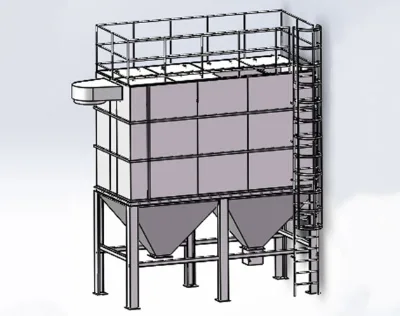

Furniture Factory Woodworking Dust Collector Pulse Type
$1850.00 - $3290.00
MOQ: 1 Sets
Jinan Tiansheng Environmental Protection Equipment Co., Ltd.


Woodworking Dust Collector Bag Dust Collector Dust Collector
$1850.00 - $3290.00
MOQ: 1 Sets
Jinan Tiansheng Environmental Protection Equipment Co., Ltd.


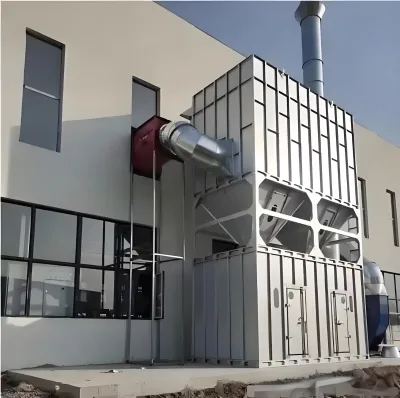

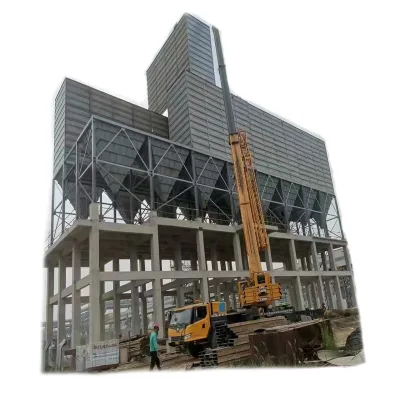

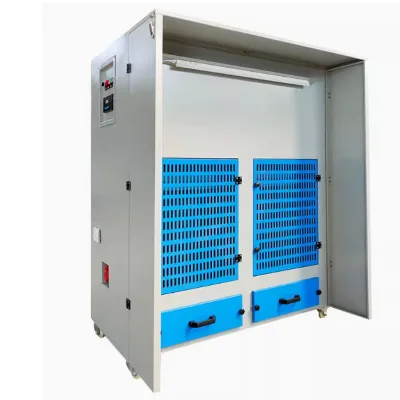
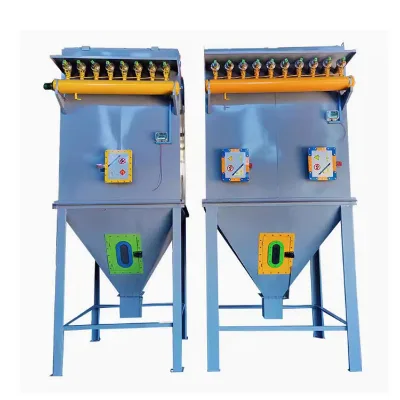


Advanced Offline Pulse Bag Dust Collector for Metalworking Applications
$1388.00 - $1500.00
MOQ: 1 Pieces





Comprehensive Sourcing Guide
Woodworking Dust Collection Pulse Bag Sourcing Guide
Sourcing industrial dust collection systems for woodworking environments requires a precise understanding of how filtration technology interacts with specific particulate matter. Woodworking generates a complex mix of fine sawdust, splinters, and potentially hazardous volatile organic compounds, making the choice of filtration media and cleaning mechanism critical for both worker safety and equipment longevity. The core keyword "Woodworking Dust Collection Pulse Bag" points directly to a category of machinery that combines fabric bag filtration with pulse-jet cleaning technology. This combination is widely recognized in the industry for its ability to maintain consistent airflow and high dust removal efficiency over long operational periods. Buyers must recognize that while the term "pulse bag" is common, the underlying system architecture—whether it is a baghouse, cartridge collector, or a hybrid unit—dictates the maintenance schedule and operational cost.
The procurement process for these systems is not merely about selecting a filter; it is about acquiring a complete air pollution control solution tailored to the specific volume of air and dust load generated by your woodworking machinery. Observed market listings indicate a wide variance in product types, ranging from simple manual units to fully automated PLC-controlled systems. For instance, some suppliers offer "Industrial Bag Dust Collectors" with vertical or horizontal layouts, while others specialize in "Woodworking dust collectors" with specific features like cyclone pre-separation. Understanding these distinctions is vital because a system designed for general industrial dust removal may not handle the abrasive nature of wood particles or the static charge often associated with wood dust without additional safety features. Buyers should approach this sourcing task with a clear definition of their air volume requirements and the specific characteristics of the wood waste they intend to process.
Product Scope and Observed Listing Signals
The current market landscape for woodworking dust collectors reveals a diverse array of product configurations, primarily centered in manufacturing hubs such as Shandong, China. Listings frequently highlight "Industrial Bag Dust Collectors" and "Woodworking dust collectors" as distinct but overlapping categories. A significant observation is the variation in structural design; some units are described as "Square Type" with a "Horizontal" layout, while others emphasize a "Vertical" installation method. This structural diversity allows for flexibility in factory floor planning, but it also requires buyers to carefully assess their available space and airflow dynamics. The presence of "Cyclone Dust Collection" as a feature in some listings suggests that certain models integrate a pre-separation stage to remove larger wood chips before they reach the fine filter bags, thereby extending the life of the filtration media and reducing the frequency of cleaning cycles.
Another critical signal in the product scope is the level of automation and control. While some basic units may rely on manual operation, many modern listings specify "Automatic" operation with "PLC" control systems. This shift towards automation is particularly relevant for woodworking shops that operate continuously or require precise monitoring of pressure differentials across the filter bags. The inclusion of "Video Outgoing-Inspection" provided by suppliers indicates a growing trend towards transparency in the manufacturing process, allowing buyers to verify the assembly quality before shipment. Furthermore, the mention of "Customization" and "According to the drawing" suggests that many manufacturers are willing to tailor dimensions and capacities to specific production line requirements, which is essential for integrating dust collection into existing woodworking workflows without disrupting operations.
Technical Specifications to Verify
When evaluating technical specifications, the filtration mechanism is the most critical component to scrutinize. The core technology often cited is the "Pulse Jet" cleaning process, which uses short bursts of compressed air to dislodge accumulated dust from the filter bags. Buyers must verify the compatibility of the filter material with wood dust, which can be abrasive and prone to clogging if not managed correctly. Some listings mention "Multiple Filtered" stages, implying a multi-stage filtration system that may include pre-filters or secondary bag filters to capture finer particulates. The "Filter Type" is explicitly listed as "Dust Bag Filter" in many contexts, but buyers should confirm the material composition, such as polyester or PTFE-coated fabrics, to ensure resistance to moisture and static buildup, which are common issues in woodworking environments.
Airflow and capacity metrics are equally important for ensuring the system can handle the dust load generated by woodworking machinery. The "Entrance concentration" is a key parameter, with some observed listings specifying a capacity of "200g/m3," which indicates the maximum dust density the system can handle at the inlet. Buyers must calculate their total air volume requirements based on the number and type of woodworking machines (e.g., planers, sanders, saws) and ensure the selected unit meets or exceeds this volume. Additionally, the "Dimension(LWH)" is often listed as "Customized," meaning buyers should provide precise space constraints and airflow data to the supplier. The "Weight" of the unit, ranging from lighter models around 300 kg to heavier industrial units at 1220 kg, also impacts installation requirements, including floor loading capacity and the need for specialized lifting equipment.
Compliance and Safety Documentation
Safety and regulatory compliance are non-negotiable aspects of sourcing dust collection systems, particularly for woodworking applications where dust explosions and respiratory hazards are significant concerns. The "CE" certification is a common requirement for equipment sold in many international markets, indicating that the product meets European health, safety, and environmental protection standards. Some listings also mention "CE ISO Certificate," suggesting adherence to broader quality management systems. Buyers must verify that the certification is valid and covers the specific model and configuration being purchased. It is crucial to ensure that the electrical components, such as the "PLC" control and motors, comply with local electrical codes, especially given the varied voltage specifications observed, such as "380V" or "220-240V."
Beyond electrical safety, the design of the dust collector must address the inherent risks of wood dust. Wood dust is combustible, and systems handling such materials often require explosion-proof features, such as explosion vents, flame arrestors, or anti-static filter bags. While not explicitly detailed in all listings, buyers should proactively inquire about these safety features. The "Warranty" period, typically listed as "One Year," provides a baseline for manufacturer support, but buyers should also consider the availability of spare parts, such as replacement filter bags and pulse valves, which are subject to wear and tear. Ensuring that the supplier provides comprehensive documentation, including operation manuals and safety guidelines, is essential for maintaining compliance with occupational health and safety regulations in the workplace.
Cost Drivers and Commercial Terms
The cost of a woodworking dust collection system is influenced by several factors, including the scale of the unit, the level of automation, and the customization required. Observed price ranges in the market are broad, spanning from approximately $8.5 to $1,000,000, reflecting the diversity from small, portable units to large, fully integrated industrial systems. The "MOQ" (Minimum Order Quantity) is typically low, ranging from 1 to 100 units, which allows for flexibility in purchasing single units for small workshops or multiple units for larger facilities. Buyers should be aware that higher automation levels, such as PLC control and automatic cleaning cycles, generally command a premium price but offer long-term operational savings through reduced labor and maintenance costs.
Commercial terms also play a significant role in the total cost of ownership. The "prod_packing" method, often described as "Container" or "Wooden Box," impacts shipping costs and the risk of damage during transit. Buyers should clarify who is responsible for logistics and insurance, especially for heavy units weighing up to 1220 kg. The "Standard" of the product, sometimes noted as "Depends Air Volume" or specific cubic meter capacities like "28CBM," affects the pricing structure. Customization, while available, may incur additional engineering and manufacturing costs. Buyers should request detailed quotations that break down the cost of the main unit, filtration media, control systems, and any optional features to make an informed comparison between suppliers.
Supplier Qualification and Quality Control
Selecting a reliable supplier is critical for ensuring the long-term performance of the dust collection system. The "Manufacturer" attribute, confirmed in many listings, indicates that the supplier is the original equipment manufacturer, which can offer advantages in terms of technical support and spare parts availability. Buyers should verify the supplier's production capabilities and quality control processes. The provision of "Video Outgoing-Inspection" is a positive indicator, allowing buyers to visually inspect the assembly, welding quality, and component installation before the unit leaves the factory. This step can help identify potential defects or deviations from the agreed-upon specifications early in the process.
In addition to video inspections, buyers should request detailed technical drawings and material certificates for key components, such as the filter bags and the PLC controller. The "Brand name" of the supplier, such as "kuntai" observed in some listings, can be used to research the company's reputation and history in the industry. It is advisable to ask for references from other clients in the woodworking sector to gauge the reliability and after-sales service of the supplier. Understanding the supplier's lead time and production capacity is also important, especially if the project has a tight deadline. Clear communication regarding customization requirements and technical specifications during the quotation phase can prevent misunderstandings and ensure that the delivered product meets the buyer's operational needs.
Long-Term Procurement Checks
Long-term procurement success depends on establishing a robust maintenance and support strategy for the dust collection system. The "Warranty" period, typically one year, covers manufacturing defects, but buyers should plan for ongoing maintenance costs, including the replacement of filter bags, pulse valves, and other wear parts. The "Cleaning Process" using "Wind, Pulse Jet" requires a reliable source of compressed air, so buyers should ensure their facility has the necessary air compression infrastructure to support the system's operation. Regular monitoring of the pressure differential across the filter bags is essential to determine when cleaning cycles are needed and when filters require replacement.
Furthermore, buyers should consider the scalability and adaptability of the system as their woodworking operations grow. The "Customization" and "According to the drawing" options suggest that many suppliers can modify or expand existing systems. Establishing a long-term relationship with the supplier can facilitate future upgrades or expansions. Buyers should also stay informed about evolving regulations regarding air quality and dust explosion safety, ensuring that their system remains compliant over time. By proactively managing maintenance, staying informed about regulatory changes, and maintaining open communication with the supplier, buyers can maximize the lifespan and efficiency of their woodworking dust collection system.
FAQs
What is the main function of this industrial bag dust collector?
The main function is removing industrial dust from the air. It utilizes a pulse jet cleaning process and features high dust removal efficiency to ensure clean air in manufacturing plants.
Can the product be customized to specific dimensions?
Yes, customization is available for this unit. The dimensions are customized based on the required air volume and specific drawing requirements provided by the buyer.
Which certifications does the dust collector hold?
The product holds CE and ISO certificates. These certifications confirm compliance with relevant safety and quality standards for industrial equipment manufactured in China.
How is the dust collector installed and operated?
The installation method is vertical, though the layout can be horizontal. It operates manually with an automatic control system managed by a PLC for efficient dust removal.
What is the warranty period for this equipment?
The warranty period is one year for the product. This covers the core components including the engine to ensure reliability during the initial operational phase.
What is the efficiency rate of the filtering system?
The efficiency rate reaches 99.99% for dust removal. It employs multiple filtered stages and a pulse jet cleaning process to maintain high performance levels.
How is the product packed for shipping?
The product is packed in a container or a wooden box. This packaging ensures safe transport of the heavy industrial unit, which weighs up to 1220 kg.