Source Shockproof Aluminum Carrying Case with Combination Lock for tools, cameras, and instruments
Explore 30 listings for a Shockproof Aluminum Carrying Case with Combination Lock designed for tools, cameras, and instruments. Buyers can compare features like waterproof lining, custom sizes, and OEM support from verified Chinese manufacturers.
Key considerations
Products List
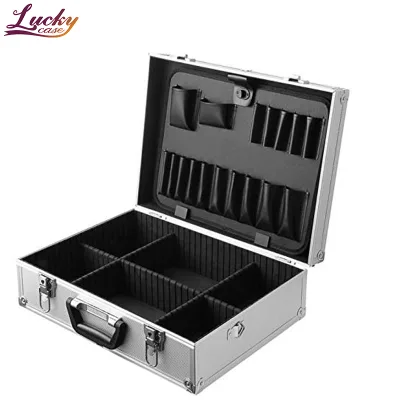
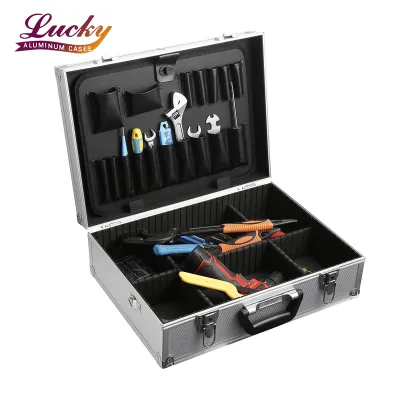
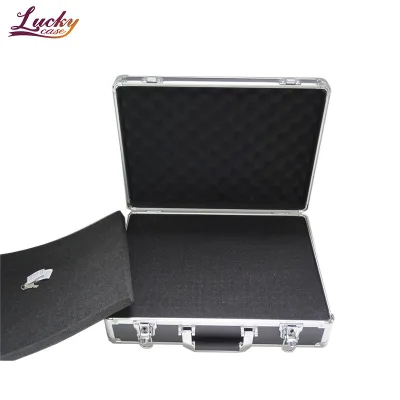
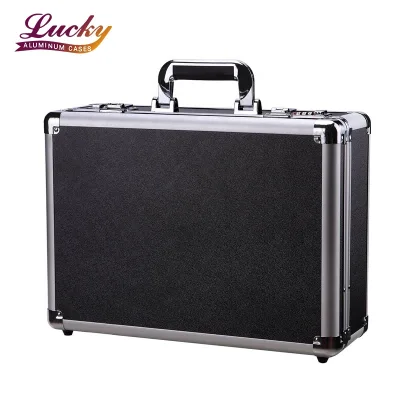


Chinese Manufacturer Good Price Aluminum Carrying Case with Combination Lock
$20.00 - $25.00
MOQ: 1 Pieces


Black Portable Safety Hard Waterproof Shockproof Full Aluminum Case with Combination Lock
$36.00 - $40.00
MOQ: 50 Pieces

Shockproof Multifunctional Large Customized Size Locking Aluminum Carry Case
$15.00 - $23.00
MOQ: 50 Pieces


Multifunctional Portable Aluminum Toolbox Waterproof Storage Case with Handle Metal Suitcase
$12.00 - $13.00
MOQ: 100 Pieces

Portable Aluminum Travel Carry Case with Lockable Toolbox Secure Storage Box Handle
$12.00 - $14.00
MOQ: 100 Pieces


Customized Size Lockable Aluminum Case Aluminum Carrying Tool Case with Foam
$10.00 - $15.00
MOQ: 100 Pieces




Comprehensive Sourcing Guide
Strategic Sourcing Guide for Shockproof Aluminum Carrying Cases with Combination Locks
Understanding Core Product Specifications and Material Integrity
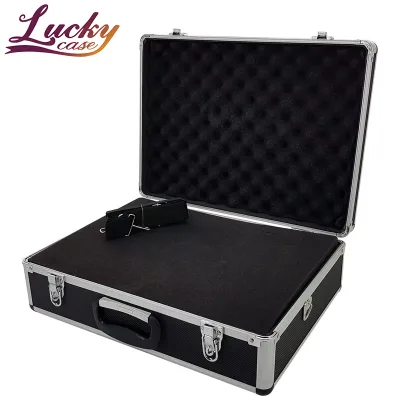
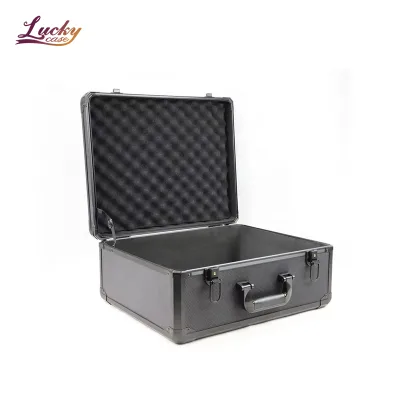
When sourcing a shockproof aluminum carrying case with a combination lock, the primary objective is to secure high-value equipment against environmental hazards and physical impact. The foundational material for these units is consistently aluminum, a choice driven by its optimal balance of structural rigidity and weight efficiency. Unlike plastic alternatives, aluminum cases provide superior resistance to crushing forces, making them ideal for transporting sensitive instruments, military-grade tools, and precision electronics. The product attributes indicate that these cases are available in specific configurations, such as the "Silver Hard Carrying Aluminum Locking Case" and "Aluminum Tool Case Box," with colors ranging from standard silver to black or fully customizable options.
A critical specification to verify is the internal lining, which serves as the first line of defense for the contents. The observed market data highlights the use of 2mm EVA (Ethylene Vinyl Acetate) foam, though suppliers also offer PU, EPE, and XPE options. The selection of foam density and thickness directly correlates to the shockproof capability; a 2mm EVA layer is standard for medium-capacity protection, while larger industrial applications may require thicker, custom-molded inserts. The external shell must be evaluated for its corner construction, as metal corners are frequently requested to reinforce the case against drops and impacts. Additionally, the panel type can vary, with options including ABS, fireproof plates, aluminum panels, or plastic panels, each offering distinct trade-offs between cost, weight, and fire resistance.
The locking mechanism is a defining feature of the "shockproof" requirement. While the core keyword specifies a combination lock, the broader product landscape includes key locks, coded locks, non-key locks, and padlock styles. Buyers must ensure that the chosen locking style integrates seamlessly with the case's structural integrity. The combination lock is particularly advantageous for logistics where key management is a liability, as it eliminates the risk of lost keys while maintaining security. The handle type, whether metal or rubber, also influences the user experience during transport, with rubber handles often preferred for grip and comfort in high-vibration environments.
Compliance, Certification, and Safety Standards Verification
In the B2B procurement of protective equipment, verifying compliance with international standards is non-negotiable. The supplied product data explicitly mentions that certain aluminum cases carry RoHS (Restriction of Hazardous Substances) approval. This certification is crucial for buyers operating in the European Union and other regions with strict environmental regulations, as it ensures the materials used in the aluminum alloy, foam lining, and locking mechanisms do not contain prohibited heavy metals or hazardous substances. However, RoHS is not universally listed for all SKUs, so buyers must treat this as a specific attribute to request rather than a guaranteed baseline for every supplier.
Beyond material safety, the structural performance of the case must align with industry-specific impact standards. While the provided text does not list specific IP (Ingress Protection) ratings or MIL-STD (Military Standard) numbers, it consistently emphasizes features such as "Waterproof," "Shockproof," and "Dustproof." These claims require independent verification through third-party testing reports. Buyers should request evidence of IP65 or IP67 ratings for water and dust resistance, as well as ISTA (International Safe Transit Association) or ASTM test results for drop and vibration resistance. The "Large Capacity" and "Medium Capacity" designations in the product attributes suggest that the internal volume varies, which can affect the structural integrity of the lid and base under load.
It is also essential to verify the origin of the product, as manufacturing locations can influence quality control consistency. The data indicates origins in Guangdong and Ningbo, China, which are major manufacturing hubs for aluminum cases. While these regions offer competitive pricing and robust supply chains, buyers must ensure that the specific factory adheres to ISO 9001 quality management standards. The absence of explicit certification data in the general product descriptions necessitates a proactive approach where the buyer mandates certification documentation as a prerequisite for order placement. This includes verifying that the "Custom Size" capabilities do not compromise the structural integrity required for shockproof performance.
Cost Drivers and Economic Factors in Procurement
The cost of a shockproof aluminum carrying case is influenced by a complex interplay of material costs, customization levels, and order volume. The observed price range of 1-100 USD suggests a wide spectrum of products, from basic utility cases to highly specialized, custom-engineered units. The primary cost driver is the aluminum alloy grade and thickness; thicker gauges and higher-grade alloys increase material costs but provide superior protection. The internal foam customization is another significant factor. While standard foam inserts are relatively inexpensive, custom-molded foam that perfectly fits specific equipment shapes requires additional tooling and labor, driving up the unit price.
Minimum Order Quantity (MOQ) is a critical economic variable. The data shows an MOQ range of 1 to 200 pieces, with a specific listing indicating an MOQ of 100 pieces for certain models. For buyers with lower volume requirements, the unit cost will be significantly higher due to the fixed costs of setup and tooling. Conversely, larger orders benefit from economies of scale, reducing the per-unit cost. The "Customized Support" for OEM and ODM services allows for branding and design modifications, but these services often incur additional fees. Buyers must weigh the cost of customization against the brand value it provides.
Other cost factors include the locking mechanism type. Combination locks are generally more expensive than simple key locks due to the complexity of the internal mechanism and the need for precision engineering. The finish and color also play a role; standard silver and black are typically the most cost-effective options, while custom colors or special finishes like anodizing may add to the price. The packaging method, such as individual bubble bagging followed by carton packing, adds to the overall cost but is essential for preventing damage during transit. Buyers should analyze the total landed cost, including shipping and potential duties, rather than focusing solely on the FOB price.
Typical Applications and Functional Use Cases
The versatility of shockproof aluminum carrying cases makes them suitable for a diverse array of industries. The "Tool Packing & Storage" and "Equipment/Tool Carry Case" designations point to their primary use in construction, manufacturing, and maintenance sectors. In these environments, the cases protect heavy-duty tools from dust, moisture, and impact during transport to job sites. The "Modern" and "Hand-Held" styles indicate that these cases are designed for portability, allowing technicians to carry sensitive equipment easily.
Beyond industrial applications, these cases are widely used in the defense and aerospace sectors. The "Shockproof" and "Dustproof" features are critical for protecting sensitive avionics, communication devices, and optical instruments. The ability to customize the internal foam layout allows for the secure transport of irregularly shaped components, ensuring they remain immobilized during air or ground transport. The "Waterproof" attribute is particularly valuable for maritime applications, where equipment must be protected from saltwater exposure and high humidity.
In the medical and scientific fields, aluminum cases with combination locks are used to transport diagnostic equipment and laboratory instruments. The "Light Weight" and "Portable" performance attributes ensure that medical professionals can move equipment between facilities without excessive physical strain. The "Silk-screen / Emboss / Laser" logo options allow medical institutions and research labs to brand their equipment cases, aiding in asset tracking and identification. The "Various" style options and "Custom Size" capabilities ensure that these cases can be tailored to fit specific medical devices, from portable ultrasound machines to delicate surgical tools.
Supplier Evaluation and Sourcing Strategy
Selecting the right supplier is paramount to ensuring the quality and reliability of the aluminum carrying cases. Buyers should prioritize suppliers that offer comprehensive OEM and ODM services, as indicated by the "Warmly Welcomed" and "Available" customization attributes. A capable supplier should be able to provide design support for custom foam inserts, logo placement, and case dimensions. The "Custom Size" specification suggests that the supplier has the manufacturing flexibility to produce non-standard dimensions, which is a valuable capability for buyers with unique equipment requirements.
When evaluating suppliers, buyers should assess their production capacity and lead time consistency. Although specific lead times are not provided in the data, the "Guangdong, China" and "Ningbo, China" origins suggest access to a robust supply chain. Buyers should request a production schedule and verify the supplier's ability to meet deadlines, especially for large orders. The "Each Per Bag" and "Each Box Individually Packed" attributes indicate attention to detail in packaging, which is a proxy for overall quality control standards.
Transparency in material sourcing is another key evaluation criterion. Buyers should ask suppliers to provide material certificates for the aluminum alloy and foam lining to ensure they meet the specified performance standards. The "RoHS Approved" status should be verified through valid documentation. Additionally, buyers should review the supplier's track record for handling custom orders, as the complexity of these requests can reveal their technical expertise and problem-solving capabilities. A supplier that can provide samples and detailed technical drawings is more likely to deliver a product that meets the buyer's exact specifications.
Quality Control and Long-Term Procurement Considerations
Implementing a rigorous quality control (QC) process is essential to mitigate risks associated with sourcing aluminum carrying cases. Buyers should establish clear acceptance criteria for the case's structural integrity, focusing on the locking mechanism's durability, the foam's density, and the case's water resistance. The "Metal Corner" and "Straight/Round Corner" options should be inspected for weld quality and finish. Regular inspections during production, such as pre-shipment inspections, can help identify defects early and prevent the delivery of substandard products.
Long-term procurement considerations involve building a sustainable relationship with suppliers who can adapt to changing needs. The "Customized Support" for OEM and ODM services suggests that suppliers are willing to evolve their offerings based on buyer feedback. Buyers should consider the lifecycle of the product; aluminum cases are designed for durability, but the locking mechanisms and foam linings may require replacement over time. Establishing a supply chain that supports spare parts and reordering of custom foam inserts can reduce downtime and maintenance costs.
Furthermore, buyers should monitor market trends and technological advancements in protective case manufacturing. As new materials and locking technologies emerge, suppliers may offer improved solutions that enhance security and protection. Maintaining open communication with suppliers allows buyers to stay informed about these developments and make informed decisions about future procurement. By focusing on quality, customization, and supplier reliability, buyers can ensure a steady supply of high-performance shockproof aluminum carrying cases that meet their operational requirements.
FAQs
What materials are used for the case shell and lining?
The shell is made of aluminum, while the internal lining typically uses 2mm EVA foam. Suppliers also offer PU, EPE, and XPE options for custom foam inserts to ensure shockproof protection for equipment.
Which locking styles are available for these aluminum cases?
Available locking styles include key locks, coded locks, non-key locks, and padlocks. While combination locks are common for security, buyers can select specific styles based on their security and operational requirements.
Can the case size be customized to fit specific equipment?
Yes, the case size is fully customizable to meet specific equipment dimensions. Buyers can request custom sizes and internal foam layouts to ensure a secure fit for tools or instruments during transport.
What certifications are available for these aluminum carrying cases?
Some models carry RoHS approval, ensuring compliance with hazardous substance restrictions. Buyers should verify specific certification documentation from suppliers, as not all listed products may explicitly display this approval.
How does the MOQ affect the pricing of these cases?
Minimum Order Quantities range from 1 to 200 pieces, with some models requiring 100 units. Lower order volumes often result in higher unit costs due to setup fees, while larger orders benefit from economies of scale.
What customization options exist for branding and logos?
Branding options include silk-screen printing, embossing, and laser engraving. Suppliers support OEM and ODM services, allowing for custom logos and designs on the case exterior or interior foam.
Which performance features are standard for these protective cases?
Standard features include waterproof, shockproof, and dustproof capabilities with light weight and durability. The cases are designed for portable use, often featuring metal or rubber handles for easy carrying.