Source Shock-Resistant W21W Car Headlight for Repair and Replacement
Compare 30 Shock-Resistant W21W Car Headlight options from verified suppliers. Buyers can evaluate specifications like wattage, lumens, and fitment for models including Benz W202 and W166 to find suitable parts for repair and replacement needs; compare the available evidence and request quotations based on your requirements.
Key considerations
Products List


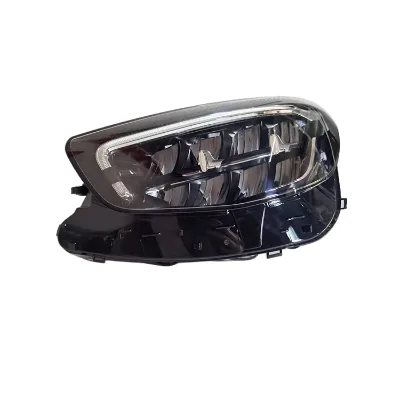
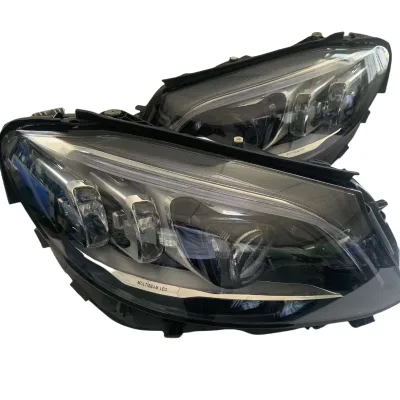
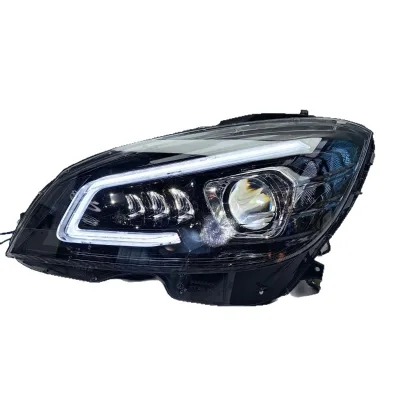
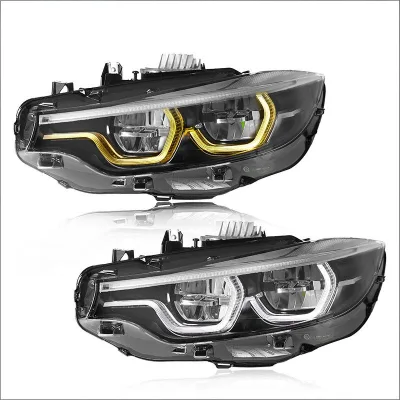
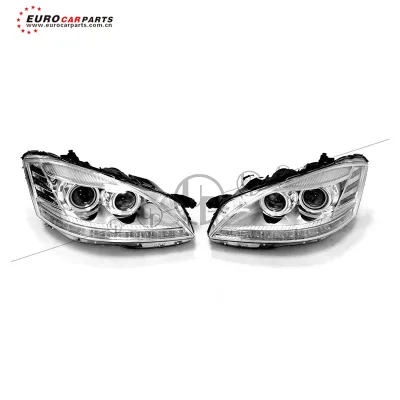
Waterproof LED Auto Headlight for Mercedes-Benz Luxury S Class Headlight
$300.00 - $500.00
MOQ: 1 Pieces


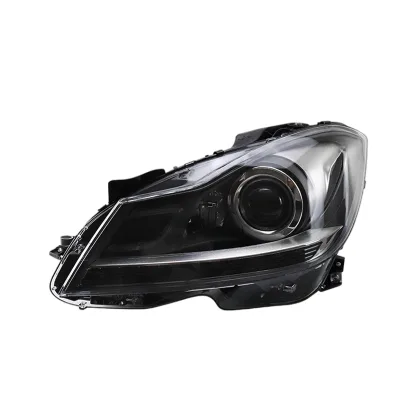


Car Headlamp Headlight Auto LED Light Lamp for Mercedes Benz W212 2014-2016
$123.00 - $140.00
MOQ: 10 Pieces



Comprehensive Sourcing Guide
Shock-Resistant W21W Car Headlight Sourcing Guide
Sourcing replacement lighting components for legacy and modern vehicle platforms requires a disciplined approach to technical verification and commercial due diligence. The market for automotive headlight assemblies and replacement bulbs is fragmented, with listings often conflating different bulb bases, vehicle fitments, and performance metrics. Buyers must navigate a landscape where keywords like "shock resistant" and specific bulb codes such as W21W or D1r appear across diverse product pages, creating potential confusion regarding actual compatibility and durability. This guide provides a structured framework for evaluating suppliers and products, ensuring that procurement decisions are grounded in observable data rather than marketing assertions.
The primary challenge in this category is the discrepancy between observed listing attributes and actual product specifications. While some listings highlight high lumens output or specific wattage ratings, others emphasize physical durability or certification marks. Procurement teams must distinguish between general automotive lighting trends and the specific requirements of their target vehicle models. By focusing on verifiable data points such as OE numbers, base types, and packaging details, buyers can mitigate the risk of ordering incompatible parts. This guide outlines the critical steps for validating product scope, technical specs, compliance, and supplier reliability to ensure a successful sourcing outcome.
Product Scope and Observed Listing Signals
The observed product landscape reveals a wide variance in technical attributes, with prices ranging from approximately $12.80 to $658.12 USD and minimum order quantities (MOQs) spanning from 1 to 100 units. Listings frequently reference specific vehicle models, such as the Benz CLS W202 or W166, alongside various OE numbers like 202 8202461 or 1668208361. These signals indicate that the market serves both direct replacement needs for specific luxury brands and broader aftermarket applications. Buyers should note that keywords like "Halogen W204 Headlight" or "W166headlight" may appear alongside LED specifications, suggesting a mix of technologies and potential listing inaccuracies that require careful cross-referencing.
Packaging and physical attributes provide additional context for logistics and handling. Observed data includes single gross weights of 13.000kg and package dimensions such as 70x40x35cm or 32x26x26cm, which are critical for calculating freight costs and warehouse storage requirements. Some listings specify "Customizable" packaging or selling units in multiples of six, indicating flexibility in supply chain arrangements. The presence of "Shock-Resistant" attributes and "New" condition tags suggests a focus on durability and quality, but buyers must verify these claims against actual product samples. Understanding these observed signals helps in estimating total landed costs and assessing the logistical complexity of the procurement.
Technical Specifications to Verify
Technical verification is paramount when sourcing headlight components, particularly given the conflicting data often present in supplier listings. Key attributes to validate include voltage, which is observed at 12V in some contexts, and wattage, which varies significantly from 18W to 72W depending on the specific product type. Buyers must confirm the bulb shape code, such as D1r or H5W, and ensure compatibility with the vehicle’s electrical system. The color temperature of 6000K and light color of "Bright White" are common specifications, but lumens output can range widely, with some listings claiming 6500lm. These variations necessitate direct confirmation with the supplier to avoid performance mismatches.
Fitment and application details are equally critical for ensuring the product meets operational needs. Listings often specify fitment for model years such as 2017-2020 or specific chassis codes like W202 and W166. Buyers should verify the OE numbers, such as 2028202461 or 2059065404, against their vehicle’s parts catalog to guarantee a precise fit. The "100% Fitment" claims found in some listings should be treated as assertions requiring validation. Additionally, the function of the light, whether it serves as a dipped headlight, high beam, or front position lamp, must be clearly defined. Confirming these technical details prevents costly returns and ensures the installed components perform as intended in real-world driving conditions.
Compliance and Safety Documentation
Compliance with regional and international safety standards is a non-negotiable aspect of automotive lighting procurement. Observed certifications include CCC, E-mark, DOT, GOST, SONCAP, PVOC, NRCS, GCC, and ARAI, indicating that suppliers may cater to diverse global markets. Buyers must verify which specific certifications apply to their target regions, as E-mark is essential for European markets, while DOT is required for the United States. The presence of multiple certification tags in a single listing does not guarantee that every unit produced meets all listed standards. Procurement teams should request valid certification documents and test reports from the supplier to confirm compliance for the specific batch being ordered.
Beyond formal certifications, safety features such as shock resistance and material quality play a crucial role in long-term reliability. The "Shock-Resistant" attribute observed in some listings suggests enhanced durability, which is vital for components subjected to vibration and impact during vehicle operation. Buyers should inquire about the material composition, with LED being a common material in modern replacements, and verify the resistance properties through supplier documentation or third-party testing. Additionally, the "Standard size" and "OEM Standard Size" specifications indicate adherence to industry norms, but buyers should confirm that these dimensions align with their vehicle’s housing requirements. Ensuring robust compliance and safety documentation mitigates liability risks and enhances product trustworthiness.
Cost Drivers and Commercial Terms
Cost structures in the automotive lighting market are influenced by several factors, including material quality, certification levels, and order volume. The observed price range of $12.80 to $658.12 USD reflects the disparity between basic replacement bulbs and complex headlight assemblies. Buyers should analyze the cost per unit in relation to the specified wattage, lumens output, and included features to determine value. Minimum order quantities (MOQs) ranging from 1 to 100 units offer flexibility for small-scale procurement, but larger orders may yield better pricing. Understanding these cost drivers helps in budgeting accurately and negotiating favorable terms with suppliers.
Commercial terms such as packaging, shipping, and customization options also impact the total cost of ownership. Listings indicating "Customizable" packaging or specific package sizes like 70x40x35cm allow for tailored logistics solutions, which can reduce handling costs and damage risks. The "24 Hours Online" service attribute suggests responsive customer support, which is valuable for resolving issues quickly. Buyers should clarify payment terms, lead times, and return policies before finalizing orders. Additionally, the "Selling Units" metric, whether single items or multiples of six, affects inventory management and replenishment cycles. Aligning commercial terms with operational needs ensures efficient procurement and minimizes hidden costs.
Supplier Qualification and Quality Control
Supplier qualification is essential for ensuring consistent product quality and reliable service. Buyers should verify the supplier’s origin, with Guangdong, China, being a common production hub for automotive lighting components. The "Place of Origin" and "Product Origin" details help in assessing the supplier’s manufacturing capabilities and supply chain stability. Qualification processes should include reviewing the supplier’s business license, production capacity, and quality management systems. Engaging with suppliers who offer "24 Hours Online" support can facilitate smoother communication and faster resolution of technical queries. Building a relationship with qualified suppliers reduces the risk of receiving substandard products.
Quality control measures must be integrated into the procurement process to maintain product integrity. Buyers should request pre-shipment inspections or third-party quality audits to verify that products meet specified technical and compliance standards. The "Condition: New" attribute should be confirmed through physical inspection or video evidence. Additionally, verifying the "Resistance: Shock-Resistant" claims through sample testing can provide assurance of durability. Establishing clear quality acceptance criteria and communicating them to the supplier ensures that expectations are aligned. Implementing a robust quality control framework helps in maintaining high standards and protecting the buyer’s reputation in the market.
Long-Term Procurement Checks
Long-term procurement success depends on continuous monitoring and evaluation of supplier performance and product reliability. Buyers should track key performance indicators such as delivery times, defect rates, and customer feedback to assess supplier consistency. Regular audits of product specifications and compliance documentation ensure that suppliers adhere to agreed-upon standards over time. The dynamic nature of automotive technology requires buyers to stay informed about updates in regulations and vehicle models. Maintaining open communication with suppliers facilitates timely adjustments to procurement strategies and helps in anticipating market changes.
Sustainability and adaptability are also critical for long-term procurement resilience. Buyers should explore opportunities for customization and innovation, leveraging the "Customizable" attributes observed in some listings to meet evolving needs. Evaluating the environmental impact of packaging and materials can align procurement practices with corporate sustainability goals. Additionally, diversifying the supplier base reduces dependency on single sources and mitigates supply chain risks. By implementing a proactive approach to supplier management and product evaluation, buyers can ensure a stable and efficient procurement process that supports their operational objectives and market competitiveness.
FAQs
What voltage does this Shock-Resistant W21W Car Headlight operate on?
This headlight operates on a 12V electrical system, which matches most standard passenger vehicles. Before ordering, confirm that your vehicle's lighting circuit runs at 12V to ensure proper function. The shock-resistant design helps the unit withstand vibration from regular road use, and each unit is sold as a single item with a listed gross weight of about 13 kilograms.
Can I order a custom version of the Shock-Resistant W21W Car Headlight?
Yes, customization is available for this headlight. Buyers can request adjustments to packaging and other product details to match their market requirements, and the product standard itself is listed as customizable. Contact the seller with your specifications before placing an order so production feasibility, customization scope, and any effect on pricing or lead time can be confirmed in advance.
What is the minimum order quantity for this car headlight?
The minimum order quantity is 1 set, which allows buyers to evaluate the product before committing to larger volumes. Some related listings are sold in multiples of 6 pieces, so check the specific listing details. Low MOQ makes this suitable for sample testing, small repair shops, and distributors who want to verify fitment and quality before scaling up orders.
How is the Shock-Resistant W21W Car Headlight packaged for shipping?
The headlight is packed in a carton for shipping. A typical single package size is 70 by 40 by 35 centimeters, with a gross weight around 13 kilograms per unit. Some batch packaging is listed at 32 by 26 by 26 centimeters. Customizable packing is also offered, so buyers with specific carton or labeling requirements should confirm options with the seller before ordering.
Which certifications does this car headlight hold?
The listed certification scope includes CCC, E-mark, DOT, GOST, SONCAP, PVOC, NRCS, GCC, and ARAI. These cover major markets across Europe, North America, the Middle East, Africa, and India, which supports import and registration requirements in those regions. Always verify that the certification applies to the exact model and batch you order, since requirements differ by destination market.
What functions does this shock resistant w21w headlight provide?
This headlight covers dipped headlight, high beam, and front position lamp functions in one unit. It produces a bright white light with a 6000K color temperature, and some versions are listed at 6500 lumens with 72W wattage. The shock-resistant construction helps maintain stable performance under vibration, making it suitable for replace or repair purposes on compatible vehicles.
Where are these shock resistant w21w car headlights made?
These headlights are produced in Guangdong, China, a region with a strong automotive lighting manufacturing base. Sourcing from this location gives buyers access to established production capacity and export logistics routes. When requesting quotes, confirm the factory location directly, ask about production lead times, and clarify shipping terms so delivery schedules align with your distribution plans.
Can I use this headlight to replace a damaged original unit?
Yes, this headlight is intended for replace or repair purposes and is produced in OEM standard size for direct fitment. Listings state 100% fitment for the compatible models and years, and OE reference numbers are provided for cross-checking. Confirm the OE number against your original part before purchase, and verify the car year range so the connector and mounting points align correctly.