Source Shock-Resistant T5 Dashboard Light Bulb for Cars, Trucks, and Vans
Compare 30 shock-resistant T5 dashboard light bulb options from verified suppliers. Listings feature 12V and 24V models with 3030 SMD LEDs, available in white, blue, and red for various car brands including Volkswagen and BMW.
Key considerations
Products List


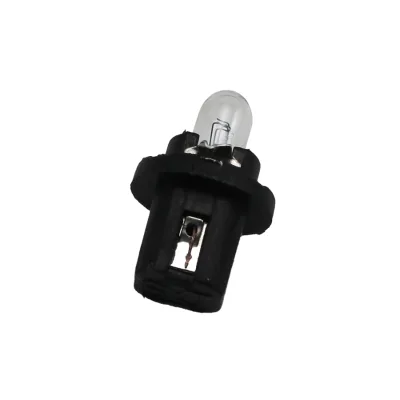

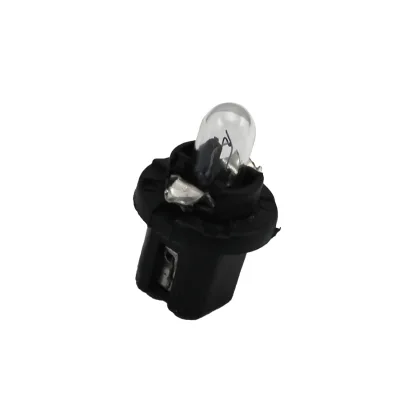
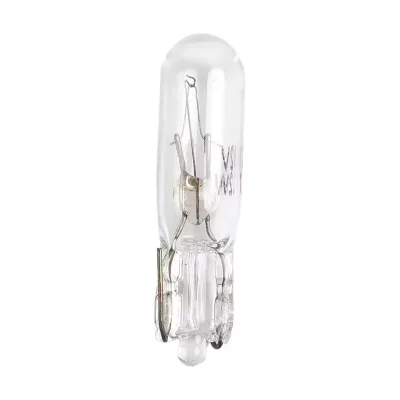


Comprehensive Sourcing Guide
Shock-Resistant T5 Dashboard Light Bulb Sourcing Guide
Sourcing automotive interior illumination components requires a precise understanding of both the physical durability of the bulb and its electrical compatibility with vehicle systems. The shock-resistant T5 dashboard light bulb represents a specialized category of LED replacement parts designed to withstand the mechanical vibrations inherent in automotive environments while providing reliable illumination for instrument clusters and dashboard controls. Buyers must navigate a market where specifications vary significantly between suppliers, particularly regarding LED chip types, base configurations, and certification standards. This guide provides a structured approach to evaluating these products, ensuring that procurement decisions are based on verified technical data and commercial realities rather than marketing claims.
The following sections detail the critical aspects of sourcing these components, from interpreting listing signals to verifying long-term supplier reliability. By focusing on evidence-based verification steps, procurement teams can mitigate risks associated with product failure, non-compliance, and supply chain disruptions. The guidance herein is derived from observed market data and standard industry practices for automotive LED components, offering a practical framework for making informed purchasing decisions in a complex B2B environment.
Product Scope and Observed Listing Signals
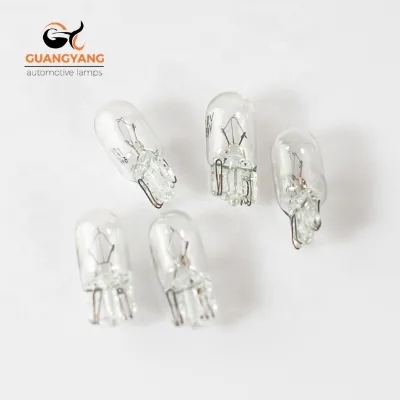
The observed market for shock-resistant T5 dashboard light bulbs reveals a diverse range of product variations, primarily distinguished by LED color, base type, and specific model designations. Listings frequently indicate the availability of multiple color options, including white, blue, ice blue, red, amber, and green, allowing buyers to match the illumination to specific vehicle interior aesthetics or functional requirements. The core product attribute is the T5 bulb size, which often corresponds to a W5W base, a standard fitting for many automotive interior applications. Buyers should note that while the base size is consistent, the internal LED configuration can vary, with some listings specifying a single 3030 SMD LED chip, which influences brightness and heat dissipation characteristics.
Commercial signals in the market suggest a flexible ordering structure, with observed minimum order quantities (MOQs) ranging from 100 to 5000 units. This wide range indicates that suppliers cater to both small-scale replacement needs and large-scale OEM or aftermarket distribution requirements. Pricing observations show a broad spectrum, with unit costs ranging from $0.03 to $2.34, reflecting differences in LED quality, packaging, and certification levels. Buyers must carefully correlate price points with the specific technical attributes listed, such as the presence of a dust cap or the type of packaging used, to ensure they are comparing equivalent products. The availability of customization options, including base color and specific model numbers like T5-GA or T10-WG-003Z85BNB, further highlights the need for precise specification matching during the sourcing process.
Technical Specifications to Verify
Verifying the electrical and physical specifications of the T5 dashboard light bulb is critical to ensuring compatibility and performance. Buyers must confirm the operating voltage, as listings indicate variations between 12V and 24V systems, which correspond to different vehicle types such as passenger cars and commercial trucks. The power consumption is another key parameter, with observed ratings around 1.2W or 1W, which impacts the electrical load on the vehicle’s dashboard circuit. Additionally, the LED type, typically identified as 3030 SMD, should be verified for its luminous efficacy and thermal stability, as these factors directly affect the lifespan and brightness of the bulb under continuous use.
The physical construction of the bulb also requires careful scrutiny, particularly regarding the presence or absence of a dust cap and the material composition. Some listings specify a shock-resistant design, which is essential for withstanding the vibrations experienced during vehicle operation. Buyers should verify the base color options, which may be customizable to white or black, to ensure aesthetic consistency with the vehicle’s interior. Furthermore, the packaging method, whether electrostatic bags, cartons, or blister cards, can influence the protection of the bulbs during transit and storage. Understanding these technical details helps buyers select products that meet both functional and logistical requirements.
Compliance and Safety Documentation
Compliance with international and regional standards is a non-negotiable aspect of sourcing automotive lighting components. Buyers must verify that suppliers provide appropriate certification documentation, such as CE, RoHS, CCC, E-mark, and DOT marks, depending on the target market. These certifications indicate that the product meets specific safety, environmental, and electromagnetic compatibility requirements. For instance, E-mark certification is crucial for products intended for sale in European markets, while CCC is required for the Chinese domestic market. Buyers should request copies of these certificates and verify their validity with the issuing bodies to avoid regulatory penalties and market access issues.
In addition to formal certifications, buyers should assess the supplier’s adherence to quality management standards, such as ISO, which may be referenced in product listings. These standards reflect the supplier’s commitment to consistent manufacturing processes and quality control. It is also important to verify the product’s origin, as listings indicate production in regions such as Dongguan and Zhejiang in China. Understanding the manufacturing location can provide insights into the supply chain dynamics and potential logistical considerations. Buyers should ensure that all compliance documentation is up-to-date and covers the specific models being procured, as certifications may not always apply to the entire product range.
Cost Drivers and Commercial Terms
The cost of shock-resistant T5 dashboard light bulbs is influenced by several factors, including the LED chip quality, packaging complexity, and certification requirements. Higher-priced items often correspond to products with additional features, such as customizable base colors, specific model designations, or more robust packaging solutions. Buyers should analyze the price range of $0.03 to $2.34 in the context of these variables to determine the true value of each offering. It is essential to consider the total cost of ownership, which includes not only the unit price but also shipping, tariffs, and potential costs associated with product returns or failures.
Commercial terms, such as MOQs and payment conditions, also play a significant role in the procurement strategy. The observed MOQ range of 100 to 5000 units suggests that suppliers are willing to accommodate various order sizes, but buyers should negotiate terms that align with their inventory management and cash flow needs. Additionally, the availability of small order acceptance indicates flexibility for buyers who are testing new products or have limited initial demand. Buyers should clearly define their requirements for customization, such as specific LED colors or base types, and confirm any associated costs or lead time implications before finalizing orders.
Supplier Qualification and Quality Control
Evaluating supplier qualification is a critical step in ensuring the reliability of the supply chain. Buyers should assess the supplier’s manufacturing capabilities, quality control processes, and track record in the automotive lighting industry. This includes verifying the supplier’s ability to produce shock-resistant bulbs that meet the specified technical and compliance requirements. Buyers should request samples for testing to evaluate the product’s performance, durability, and compatibility with their intended applications. Testing should include vibration tests to confirm the shock-resistant claims and electrical tests to verify voltage and power specifications.
Quality control measures should be clearly defined and agreed upon with the supplier. This includes establishing acceptance criteria for product defects, packaging integrity, and documentation accuracy. Buyers should also consider implementing periodic audits or third-party inspections to ensure ongoing compliance with quality standards. The warranty terms, such as the one-year guarantee mentioned in some listings, should be reviewed to understand the supplier’s commitment to product reliability. By establishing a robust supplier qualification and quality control framework, buyers can minimize the risk of receiving substandard products and ensure consistent supply.
Long-Term Procurement Checks
Long-term procurement success depends on continuous monitoring of supplier performance and market dynamics. Buyers should establish key performance indicators (KPIs) to track metrics such as on-time delivery, product quality, and responsiveness to issues. Regular reviews of these metrics can help identify potential problems early and facilitate corrective actions. Additionally, buyers should stay informed about changes in regulatory requirements and industry standards that may impact the sourcing of T5 dashboard light bulbs. This includes monitoring updates to CE, RoHS, and other certification requirements to ensure ongoing compliance.
Supply chain resilience is another critical aspect of long-term procurement. Buyers should diversify their supplier base to mitigate risks associated with single-source dependencies. This includes identifying alternative suppliers who can meet the same technical and compliance requirements. Buyers should also maintain open communication with suppliers to discuss future product developments, capacity constraints, and potential disruptions. By proactively managing these aspects, buyers can ensure a stable and reliable supply of shock-resistant T5 dashboard light bulbs, supporting their operational needs and customer satisfaction.
FAQs
What certifications do these T5 dashboard lights have?
These lights carry CE, RoHS, CCC, E-mark, and DOT certifications. Some models also meet ISO standards. Buyers should verify specific certification documents for their target market before placing orders.
Which car brands are compatible with this T5 bulb?
The bulbs are suitable for Volkswagen, WuLing, Benz, BMW, Hyundai, Honda, Toyota, Jeep, and Nissan. They fit most cars generally, but buyers must confirm exact fitment for their specific vehicle model.
Can I customize the base color of the T5 bulb?
Yes, customization is available for the base color, offering white or black options. Buyers can request specific base colors to match their vehicle interior requirements during the ordering process.
What is the voltage rating for this dashboard light bulb?
The standard voltage rating is 12V, though some variants support 24V. Buyers should check the specific model number to ensure compatibility with their vehicle's electrical system before purchasing.
How is the product packed for shipping?
Packaging options include electrostatic bags, anti-static bags, blister cards, color boxes, and cartons. The specific packing method depends on the order quantity and the supplier's standard shipping practices.
What is the minimum order quantity for these bulbs?
The minimum order quantity ranges from 100 to 5000 units depending on the supplier and model. Small orders are accepted by some vendors, but bulk purchases often yield better pricing terms.
Where are these T5 bulbs manufactured?
Products originate from China, specifically from Dongguan and Zhejiang regions. Buyers can expect manufacturing facilities in these locations when sourcing these shock-resistant dashboard lighting components.