Source Shoe Brush for Cleaning, Polishing, and Suede Care
Find 30 Shoe Brush options including plastic handle models, nylon wire brushes, and suede cleaning tools. Compare customization, materials, and packaging details from verified Chinese suppliers to match your specific cleaning needs.
Key considerations
Products List


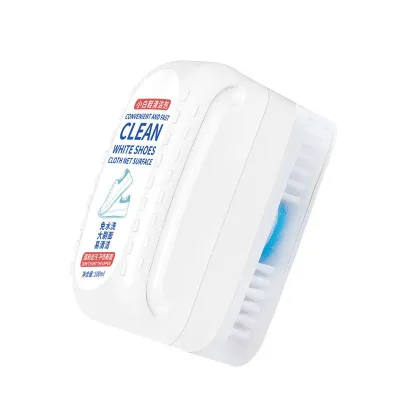
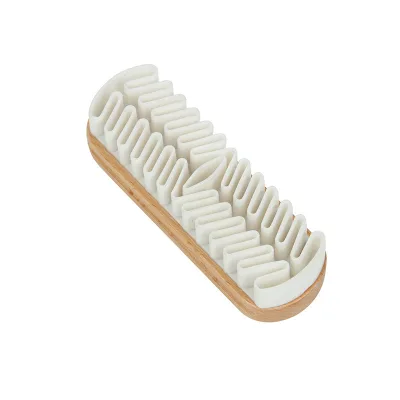
Factory Wholesale Double-Sided Shoe Brush for Cleaning Suede and Snow Boots
$0.28 - $0.45
MOQ: 1000 Pieces


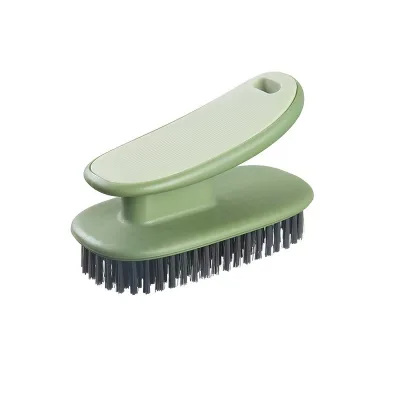
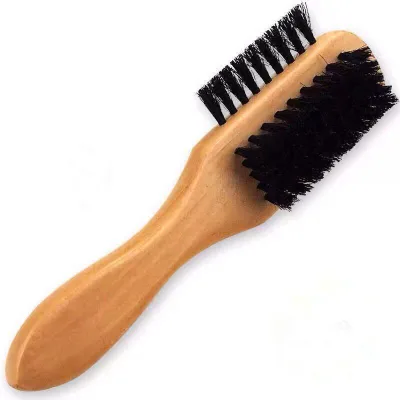

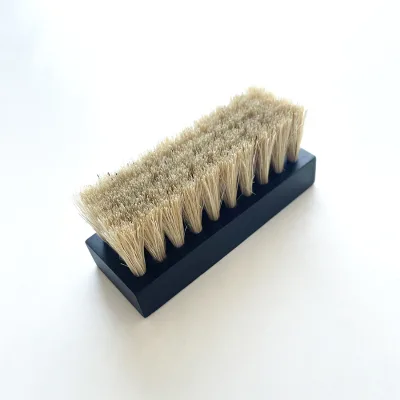
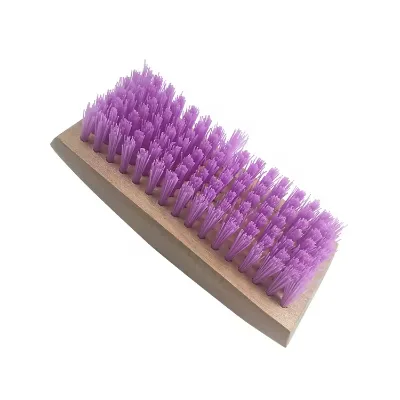


Comprehensive Sourcing Guide
Strategic Sourcing Guide for Industrial and Consumer Shoe Brushes
Understanding Product Variability and Core Specifications
The global market for shoe brushes presents a complex landscape where a single core keyword encompasses a vast array of distinct product categories, ranging from simple household cleaning tools to specialized industrial machinery components. When initiating a procurement strategy for shoe brushes, the first critical step is to recognize that "Shoe Brush" is not a monolithic product but a functional descriptor applied to items with vastly different material compositions, bristle types, and intended applications. The observed product data reveals a significant divergence in specifications that directly impacts sourcing decisions.
Buyers must first distinguish between brushes designed for manual household use and those engineered for industrial or automated cleaning systems. The data indicates the existence of products labeled with specific models such as "CBR-50" and "100ml" or "120ml," suggesting that some listings may conflate brush tools with liquid cleaning agents or specialized dispensers. This distinction is vital; a procurement officer seeking a physical cleaning implement must verify that the product description explicitly refers to a brush with bristles and a handle, rather than a chemical formulation or a cleaning kit.
Material composition is the primary differentiator in this sector. The supply base includes brushes with handles made of plastic, a standard for most consumer-grade items, while the bristle materials vary significantly. High-performance applications often utilize nylon wire, sometimes combined with copper wire for specific cleaning tasks, or silicon carbide for abrasive cleaning on industrial surfaces. Conversely, consumer products targeting suede or leather shoes frequently employ a combination of plastic and rubber hair types, or soft bristles designed to avoid damaging delicate materials. The shape of the brush is equally critical; listings describe both "long" shapes suitable for reaching into deep crevices and "small" head sizes (e.g., 5x8cm) intended for precision work on specific shoe areas.
The following table summarizes the observed material and structural variations found in the current market data, which buyers should use as a checklist during supplier vetting:
| Attribute Category | Observed Variations | Procurement Implication |
|---|---|---|
| Handle Material | Plastic | Standard for most applications; verify durability requirements. |
| Bristle Material | Nylon, Copper Wire, Silicon Carbide, Plastic+Rubber | Nylon for general cleaning; Copper/Silicon for heavy-duty or industrial; Rubber/Plastic for delicate suede/leather. |
| Brush Head Size | Small (5x8cm), Long | Small heads for precision; Long shapes for extended reach or specific industrial nozzles. |
| Application Scope | Shoes, Wooden Furniture, Industrial, Suede, Leather | Must align with the specific cleaning surface to prevent damage or inefficiency. |
| Product Type | Soft Bristle Brush, Suede Brush, Industrial Brushes | Defines the bristle stiffness and intended use case. |
Compliance, Certification, and Standard Verification
In the realm of B2B procurement, particularly for products entering the consumer market, compliance and standard verification are non-negotiable. While the provided data does not explicitly confirm specific certification statuses for all listed items, it does highlight the existence of "Normal size" and "Customization" standards. Buyers must understand that the term "Normal size" is a relative descriptor and not a universally defined metric. Therefore, relying on this term without further clarification can lead to specification mismatches.
When evaluating suppliers, it is essential to verify if the products adhere to specific safety and quality standards relevant to the target market. For instance, products intended for household use in regions like the European Union or North America may require compliance with chemical safety regulations if the brush is used with cleaning agents, or material safety standards regarding the bristles and handles. Although the data mentions "ISO 9001" in a low-confidence context, buyers should not assume this certification is present unless explicitly documented by the supplier. Instead, the procurement strategy should mandate that suppliers provide current, valid certificates of conformity or quality management system certifications specific to the product's origin and intended use.
The origin of the product is a significant factor in compliance. The data indicates that products originate from various locations within China, including Zhejiang, Suzhou (Jiangsu), and Henan. Different provinces may have varying local regulatory enforcement or export compliance records. A buyer should verify the specific factory's export history and ensure that the product meets the import regulations of the destination country. For example, if the brush contains metal components like copper wire, there may be specific restrictions or labeling requirements regarding metal content. Similarly, if the product is marketed as "Environmental Protection," the supplier must provide evidence to support this claim, such as material safety data sheets (MSDS) or eco-labeling certifications, rather than relying on marketing keywords alone.
Cost Drivers and Pricing Dynamics
The pricing structure for shoe brushes is influenced by a complex interplay of material costs, customization levels, and order volume. The observed price range in the market spans from $0.15 to $3.29 USD, a wide variance that reflects the difference between basic, stock items and specialized, customized solutions. The lower end of this spectrum typically corresponds to standard, non-customized brushes with simple plastic handles and nylon bristles, often sold in bulk. The higher end of the range is likely associated with products featuring specialized materials, such as copper wire or silicon carbide, or those with custom branding and packaging.
A critical cost driver in this sector is the level of customization. The data explicitly notes that customization is available for some products, while others are listed as "Non-Customized." Customization, which can include logo printing, unique handle shapes, or specific bristle configurations, invariably increases the unit cost. Furthermore, the "Customized Starting Quantity" is noted as 5000 units for certain suppliers, indicating that smaller orders for customized items may be subject to significantly higher per-unit costs or may not be feasible at all.
Minimum Order Quantity (MOQ) is another pivotal factor affecting the total cost of ownership. The observed MOQ range is extensive, from 1 unit to 3000 units. This flexibility allows buyers to test the market with small quantities or to secure large volumes for distribution. However, buyers must be aware that ordering at the lower end of the MOQ spectrum often results in a higher unit price due to the fixed costs of production setup and logistics. Conversely, ordering near the upper limit of the MOQ range can yield significant economies of scale, reducing the per-unit cost.
The packaging method also influences the final landed cost. The data mentions packing configurations such as "6PCS/CTN" with dimensions of 512525.5cm, as well as "Box" packaging. The choice between bulk carton packing and individual retail packaging (boxes) will impact both the unit price and the shipping volume. Bulk packing is generally more cost-effective for large industrial orders, while retail-ready packaging is necessary for consumer-facing brands but adds to the overall cost.
Typical Applications and Usage Scenarios
The versatility of shoe brushes is evident in the diverse range of applications and usage scenarios identified in the market data. While the primary function is clearly defined as "Shoe Cleaning," the specific applications extend far beyond simple footwear maintenance. The data lists applications ranging from "Shoes" and "Suede Shoes" to "Wooden Furniture" and "Industrial Brushes." This suggests that the same or similar brush technologies are being adapted for multiple cleaning tasks.
For consumer markets, the primary application is the cleaning of various shoe materials, including leather, suede, and synthetic fabrics. The distinction between "Soft Bristle Brush" and "Suede Brush" is crucial here. Soft bristles are generally preferred for delicate materials to prevent scratching, while suede brushes often feature specific rubber or plastic bristles designed to lift nap and remove dirt without damaging the texture. The "White Rubber Crepe Shoe" mention indicates a specialized tool for cleaning rubber soles or specific shoe components, highlighting the need for material-specific solutions.
In the industrial sector, the applications shift towards heavy-duty cleaning. The mention of "Industrial Brushes" and "Wooden Furniture" suggests that these tools are used for removing paint, varnish, or heavy grime from surfaces. The use of materials like silicon carbide and copper wire supports this heavy-duty application, as these materials offer superior abrasion resistance and cleaning power compared to standard nylon. The "Environmental Protection" application mentioned in the data may refer to brushes used in eco-friendly cleaning processes or for cleaning surfaces where chemical runoff must be minimized, relying on mechanical action instead.
The usage scenarios further expand the potential market. Products are listed for use in "Bedroom/Living Room/Office/Toilet/Kitchen," indicating that shoe brushes are often part of a broader home cleaning ecosystem. In an office setting, a small, discreet brush might be used for quick maintenance, while in a kitchen or industrial environment, a more robust brush with a long handle might be required for reaching difficult areas. The "Car" application suggests that these brushes are also used for automotive detailing, particularly for cleaning tires, wheel wells, or interior upholstery.
Supplier Evaluation and Service Capabilities
Selecting the right supplier requires a thorough evaluation of their service capabilities, particularly regarding customization and production flexibility. The data highlights that "OEM/ODM" services are available, which is a significant advantage for buyers looking to brand products or modify existing designs. However, the availability of these services does not guarantee quality or reliability. Buyers must verify the supplier's track record in delivering customized orders, specifically regarding the "Customized Starting Quantity" of 5000 units. This threshold implies that smaller buyers may face challenges in accessing full customization services without incurring prohibitive costs.
The "Condition" of the products is listed as "New," which is a standard expectation but should be verified to ensure that the goods are not refurbished or returned items. Additionally, the "Feature" of being "Stocked" suggests that some suppliers maintain inventory of standard items, which can reduce lead times for immediate procurement. However, for customized orders, lead times will be significantly longer, and buyers should negotiate specific delivery schedules based on the production cycle.
Supplier location is another critical factor. The data indicates origins in Zhejiang, Suzhou, and Henan. While these are major manufacturing hubs in China, each region may have different specializations. Zhejiang is known for its diverse manufacturing base, while Suzhou often hosts high-tech and precision engineering facilities. Buyers should investigate the specific factory's capabilities to ensure they align with the required product specifications. For instance, a supplier in Suzhou might be better equipped for high-precision industrial brushes, while a supplier in Henan might specialize in bulk consumer goods.
Quality Control and Long-Term Procurement Considerations
Ensuring consistent quality is paramount in long-term procurement relationships. The "Feature" of "Easy Clean" suggests a design focus on user convenience, but this must be validated through rigorous quality control testing. Buyers should implement a quality assurance protocol that includes testing the durability of the bristles, the stability of the handle attachment, and the overall structural integrity of the brush. For brushes with mixed materials, such as nylon and copper wire, it is essential to verify that the bristles do not shed excessively or detach during use.
The "Packing" specifications, such as "6PCS/CTN" with specific dimensions, should be verified to ensure that the packaging protects the product during transit. Poor packaging can lead to damaged goods, resulting in returns and increased costs. Buyers should also consider the environmental impact of the packaging, especially if the target market has strict regulations on plastic waste.
Long-term procurement considerations include the scalability of the supply chain. As demand grows, the supplier must be able to increase production without compromising quality. The "Customization" attribute suggests that the supply chain is flexible, but buyers should assess the supplier's capacity to handle volume spikes. Additionally, the "Condition" of the product being "New" should be maintained throughout the supply chain, ensuring that no degradation occurs during storage or transportation.
Finally, buyers should establish clear communication channels with suppliers to address any issues promptly. The "Service" attribute of OEM/ODM implies a collaborative relationship, and maintaining open lines of communication is essential for resolving technical issues, updating designs, or adjusting production schedules. By focusing on these long-term considerations, buyers can build a resilient supply chain that delivers high-quality shoe brushes consistently and efficiently.
FAQs
Can I customize shoe brushes with my own logo?
Yes, customization is available for many Shoe Brush models. However, the customized starting quantity is typically 5000 units, so smaller orders may require non-customized stock items instead.
What materials are used for Shoe Brush bristles?
Bristle materials vary by application, including nylon, copper wire, and silicon carbide. Consumer brushes often use plastic and rubber combinations, while industrial versions may feature harder materials for heavy-duty cleaning.
Which Shoe Brush models are available in stock?
Stocked options include models like CBR-50 with plastic handles and standard sizes. These items are ready for immediate shipment, unlike custom orders which require a production lead time and minimum quantity.
How does the MOQ affect Shoe Brush pricing?
The minimum order quantity ranges from 1 to 3000 units depending on the supplier. Lower MOQs often result in higher per-unit costs, while larger orders near 3000 units can reduce the price significantly.
What is the typical price range for shoe brushes?
The observed price range is between 0.15 and 3.29 USD per unit. Basic stock items fall at the lower end, while specialized brushes with custom features or premium materials cost more.
Where are these Shoe Brush manufacturers located?
Manufacturers are located in various Chinese provinces including Zhejiang, Suzhou, and Henan. Buyers should verify the specific factory location to ensure it meets their logistics and compliance requirements.
What packaging options exist for Shoe Brush orders?
Packaging varies from bulk cartons containing 6 pieces to individual boxes. Standard carton dimensions are often 51 by 25 by 25.5 cm, but custom retail packaging may be available for larger orders.