Source Shockproof Waterproof Silicone Phone Case for Travel, Work, and Daily Use
Compare 30 Shockproof Waterproof Silicone Phone Case options from verified Chinese manufacturers. Buyers can evaluate customization, certifications, and pricing for diverse mobile device needs.
Key considerations
Products List


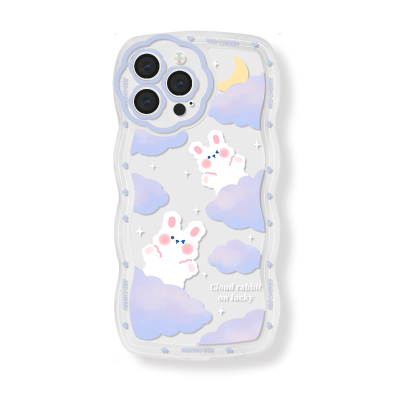
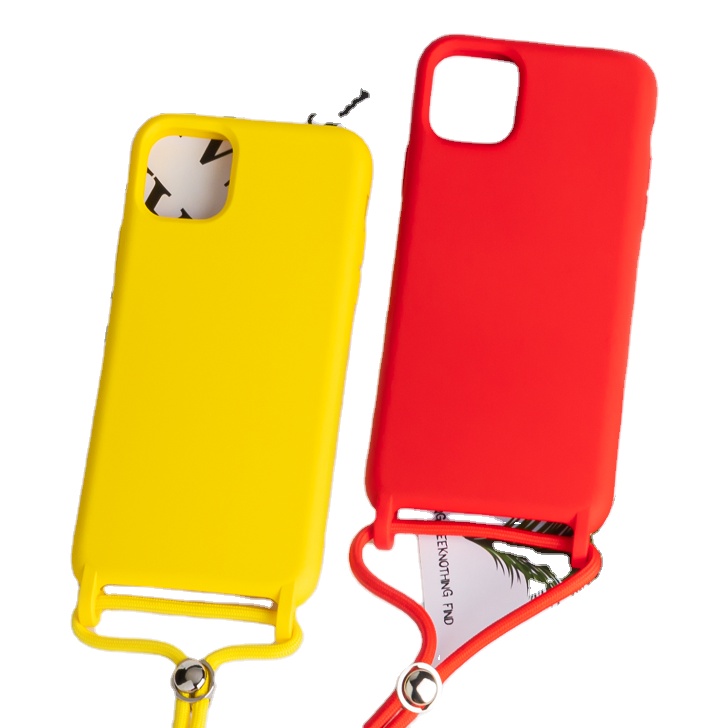
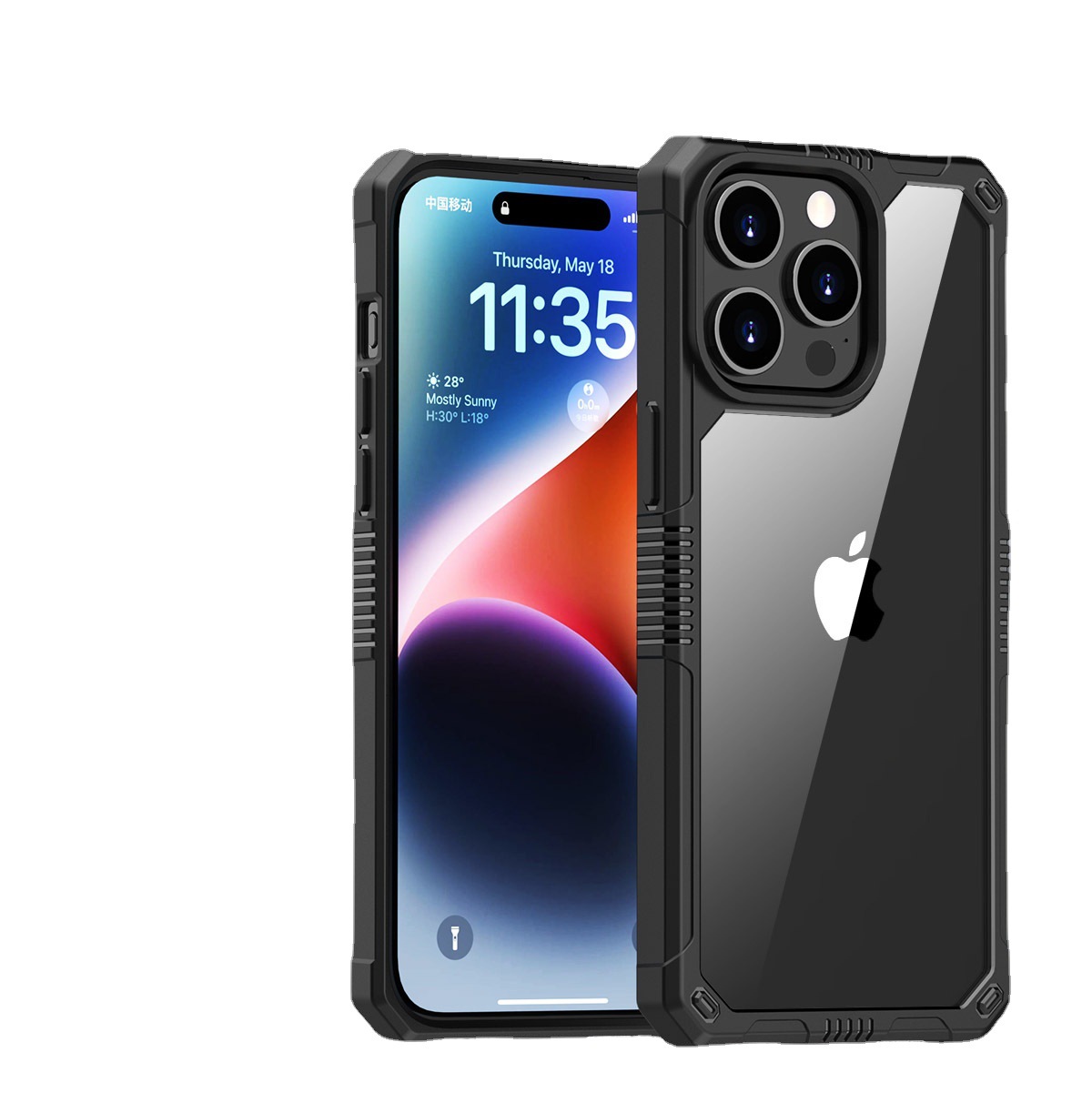
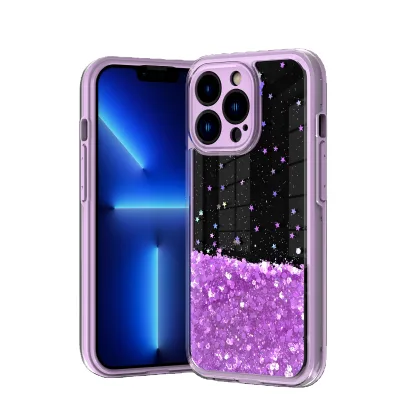


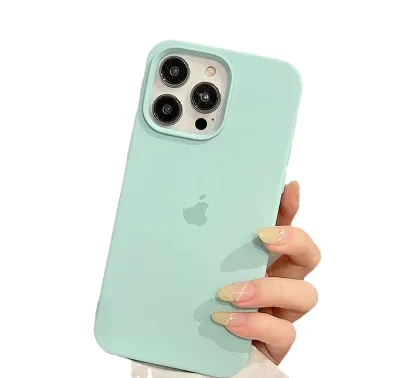

Touchscreen Swimming Waterproof Phone Case
$0.66 - $0.83
MOQ: 122 Pieces
Jinhua Hengyang Cross-Border Trade Limited Liability Company
Comprehensive Sourcing Guide
Strategic Sourcing Guide for Shockproof Waterproof Silicone Phone Cases
Understanding Technical Specifications and Material Composition
When sourcing shockproof waterproof silicone phone cases, the primary focus must be on the material composition and the specific functional attributes that define the product's performance. The core material identified in the market for this category is TPU (Thermoplastic Polyurethane) or Silicone Resin. These materials are selected for their inherent flexibility and durability. A critical observation in the current supply landscape is the variation in hardness ratings. Buyers will encounter products ranging from "Medium Soft" to "Soft" hardness levels. This distinction is vital because it dictates the tactile feel and the level of protection offered. A "Soft" rating typically implies a higher degree of flexibility, which is beneficial for absorbing impact energy, while "Medium Soft" may offer a balance between structural rigidity and shock absorption.
The functional requirements for a high-quality shockproof and waterproof case extend beyond simple material selection. The supply data indicates a robust set of performance attributes, including shock absorption, waterproofing, and dirt resistance. These features are not merely marketing terms but are observable characteristics of the listed products. The waterproof capability is a non-negotiable requirement for this specific keyword, ensuring that the device remains protected against liquid ingress. Furthermore, the inclusion of anti-slip properties is essential for usability, preventing the device from sliding out of a user's hand during operation. The design flexibility is another significant technical aspect; suppliers offer customization options where the design can be tailored to specific requirements, ranging from cartoon styles to simplicity and retro aesthetics. This adaptability allows buyers to target diverse market segments, from children to professionals.
Compliance, Certification, and Regulatory Standards
Navigating the regulatory landscape is a critical step in the procurement of electronic accessories. For products entering international markets, particularly in Europe and North America, specific certifications serve as a baseline for compliance. The available data highlights RoHS (Restriction of Hazardous Substances) and ISO9001 as prominent certifications associated with these silicone phone cases. RoHS compliance is essential for ensuring that the TPU or silicone resin used does not contain restricted hazardous materials, which is a legal requirement for electronics sold in the European Union. ISO9001 certification indicates that the manufacturing facility adheres to international quality management standards, suggesting a consistent production process.
In addition to RoHS and ISO9001, some suppliers in the dataset have listed SGS certification. SGS is a globally recognized inspection, verification, testing, and certification company. The presence of SGS certification suggests that the products may undergo third-party testing for quality and safety. However, buyers must verify the specific scope of these certifications. It is important to note that while these certifications are observed in the product listings, they are not universal across all 30 products in the sample. A prudent procurement strategy involves requesting valid certification documents from the supplier before placing a large order. The absence of a specific certification in a listing should not be interpreted as a failure of the product but rather as a need for further verification. Buyers should also be aware that product standards can vary; some listings mention "customized" standards, while others refer to "normal size" or specific dimensions like 20153cm. Understanding these variations is crucial for ensuring the product meets the regulatory requirements of the destination market.
Cost Drivers and Pricing Dynamics
The pricing structure for shockproof waterproof silicone phone cases is influenced by several factors, including material costs, customization levels, and order volume. The observed price range in the market is quite broad, spanning from $0.18 to $6.00 USD. This significant variance is primarily driven by the complexity of the design, the level of customization, and the quantity ordered. The "Factory Price" and "Cheap Price" labels found in supplier descriptions suggest that direct manufacturing relationships can yield competitive rates, but the final unit cost is heavily dependent on the Minimum Order Quantity (MOQ).
The MOQ range observed in the supply data is extensive, varying from as low as 2 units to as high as 4,000 units. This flexibility allows buyers to test the market with small quantities or secure bulk rates for large-scale distribution. The cost drivers also include the packaging method. Products are listed with packaging options such as "Each Packed in a Polybag" or "100PCS/Carton." More elaborate packaging, such as retail-ready boxes, will naturally increase the unit cost compared to bulk packaging. Additionally, the customization of the logo through debossing, embossing, or printing adds to the production cost. While the base material cost for TPU or silicone resin is relatively stable, the value-added services like custom designs and specific branding can push the price toward the higher end of the observed range. Buyers should carefully balance the desired customization features against the budget constraints to optimize the cost per unit.
Typical Applications and Market Segmentation
The versatility of shockproof waterproof silicone phone cases allows them to serve a wide array of applications and market segments. The primary application is, of course, the protection of mobile phones, with a specific compatibility noted for the iPhone brand. However, the design and functional attributes allow for broader usage scenarios. The "Unisex" gender classification and the availability of various styles, including cartoon, simplicity, and retro, indicate that these products cater to a general consumer base. The inclusion of a "Privacy Filter" function in some models suggests a niche application for users concerned with data security in public spaces.
Beyond standard consumer use, the rugged nature of these cases makes them suitable for outdoor activities. The combination of waterproof, shock-absorbent, and anti-slip properties is ideal for users who engage in sports, hiking, or work in environments where the device is exposed to dust, water, and physical impact. The "Dirt-resistant" attribute further enhances their suitability for industrial or outdoor settings. The compatibility with various regions, indicated by "Us, EU, UK, Au" in the product attributes, suggests that these cases are designed for a global market. The absence of a car holder in the standard design implies that these are primarily handheld protection solutions, though they can be used in conjunction with third-party mounting systems. Understanding these applications helps buyers align their product selection with the specific needs of their target customer base, whether it is the general public, outdoor enthusiasts, or corporate clients requiring durable accessories.
Supplier Evaluation and Operational Logistics
Evaluating suppliers for silicone phone cases requires a thorough assessment of their operational capabilities and logistical support. The supply data indicates that the origin of these products is primarily China, with specific mentions of Xiamen and Guangdong as key manufacturing hubs. These regions are known for their mature supply chains and expertise in plastic and rubber molding. When evaluating a supplier, buyers should verify the production capacity and the ability to meet the required lead times. Although specific lead times are not provided in the data, the range of MOQs suggests that suppliers are equipped to handle both small-batch and large-volume orders.
Logistics and shipping are also critical components of the procurement process. The available shipping methods include DHL, TNT, FedEx, air freight, and sea freight. The choice of shipping method will depend on the urgency of the order and the budget constraints. For time-sensitive orders, air freight via DHL or FedEx may be necessary, while sea freight is more cost-effective for large, non-urgent shipments. Payment terms are another area of consideration, with T/T (Telegraphic Transfer) and PayPal listed as accepted methods. Buyers should establish clear payment terms that protect their interests while ensuring the supplier receives timely payment. The condition of the product is listed as "100% Brand New," which is a standard expectation but should be explicitly confirmed in the contract. Additionally, the availability of free samples is a valuable resource for buyers to verify the quality and functionality of the product before committing to a bulk order.
Quality Control and Long-Term Procurement Considerations
Maintaining high quality standards is essential for the long-term success of a procurement strategy involving silicone phone cases. Quality control should begin at the design stage, ensuring that the chosen hardness, material, and functional attributes meet the intended specifications. The variability in product models, such as "Mobile Phone Case-084F" or "Cell Mobile Phone Case-033J," suggests that different models may have different quality characteristics. Buyers should implement a rigorous inspection process, potentially utilizing third-party inspection services like SGS, to verify that the products meet the agreed-upon standards.
Long-term procurement considerations also involve building a sustainable relationship with suppliers. The ability to customize designs and logos is a significant advantage, allowing buyers to adapt to changing market trends and consumer preferences. However, this flexibility requires clear communication and detailed specifications to avoid production errors. The "Customized" standard and "Size" options highlight the need for precise documentation. Furthermore, buyers should consider the environmental impact of the materials used. While TPU and silicone are durable, understanding the lifecycle of the product and the supplier's commitment to sustainability can be a differentiating factor in the market. Finally, the availability of after-sales support and the ability to handle returns or defects should be part of the supplier evaluation criteria to ensure a smooth and reliable supply chain.
Comparative Analysis of Product Attributes
To facilitate a clearer understanding of the market offerings, the following table summarizes the key attributes observed across the product listings. This comparison highlights the diversity in specifications and helps buyers identify the features that best match their requirements.
| Attribute Category | Observed Variations | Key Considerations for Buyers |
|---|---|---|
| Material | TPU, Silicone Resin | Verify material safety and durability; check for RoHS compliance. |
| Hardness | Medium Soft, Soft | Select based on desired tactile feel and shock absorption level. |
| Functions | Waterproof, Shock Absorbent, Dirt-resistant, Anti-slip, Privacy Filter | Prioritize functions based on target user environment (e.g., outdoor vs. office). |
| Style | Cartoon, Simplicity, Retro, Customized | Align style with brand identity and target demographic preferences. |
| Certification | RoHS, ISO9001, SGS | Request valid certificates; verify scope of certification for target markets. |
| Packaging | Polybag, 100PCS/Carton, Retail/Bulk | Consider packaging costs and retail readiness requirements. |
| Origin | China (Xiamen, Guangdong) | Assess logistics costs and lead times based on specific manufacturing location. |
| Compatibility | iPhone | Confirm specific model compatibility to avoid returns or compatibility issues. |
This comparative analysis underscores the importance of detailed specification checks. While the core keyword remains consistent, the specific attributes can vary significantly between suppliers and product models. Buyers must carefully review these details to ensure the final product meets their quality, functional, and regulatory requirements. By focusing on these key areas, procurement professionals can make informed decisions that balance cost, quality, and performance in the competitive market for shockproof waterproof silicone phone cases.
FAQs
What materials are used for shockproof waterproof silicone phone cases?
These cases are primarily made from TPU or Silicone Resin. The material selection ensures flexibility and durability, with hardness ratings ranging from Medium Soft to Soft to provide optimal shock absorption and protection against impacts.
Which certifications are commonly available for these phone cases?
Common certifications include RoHS, ISO9001, and SGS. RoHS ensures the absence of hazardous substances, while ISO9001 indicates adherence to quality management standards, and SGS represents third-party verification of product safety and quality.
Can buyers customize the design and logo on these cases?
Yes, customization is available for design, color, and logo. Buyers can request specific styles like cartoon or retro, and logos can be applied through debossing, embossing, or printing methods to meet unique branding requirements.
What is the typical price range for these phone cases?
The observed price range spans from 0.18 to 6 USD per unit. This variance depends on factors such as material quality, customization complexity, order volume, and packaging options like polybags or cartons.
How flexible is the minimum order quantity for these products?
The minimum order quantity ranges from 2 to 4000 units. This flexibility allows buyers to test the market with small batches or secure bulk rates for large-scale distribution depending on their specific procurement needs.
Where are these phone cases typically manufactured?
Products originate from China, with specific manufacturing hubs in Xiamen and Guangdong. These regions offer mature supply chains and expertise in plastic and rubber molding for producing durable mobile phone accessories.
What functional attributes do these cases offer for protection?
Key attributes include waterproofing, shock absorption, dirt resistance, and anti-slip properties. Some models also feature privacy filters, ensuring comprehensive protection against liquid ingress, physical impact, and unauthorized viewing of screen content.