Source Shoe Charm for Clogs, Slippers, and Sandals
Find 30 verified options for Shoe Charm including PVC, rubber, and fur materials with customizable colors and logos. Compare specifications, MOQs, and pricing from suppliers in Fujian, China to select the right accessory for clogs, slippers, or sandals.
Key considerations
Products List

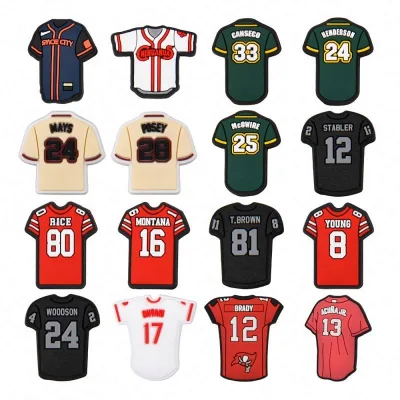
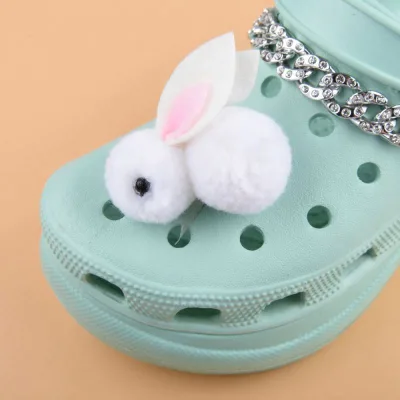
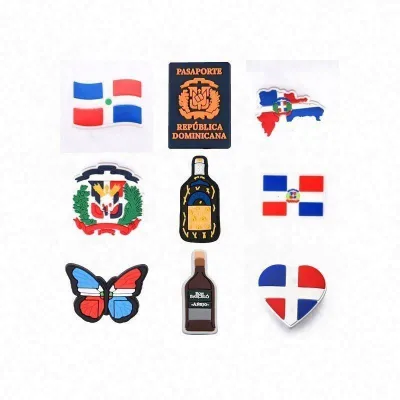
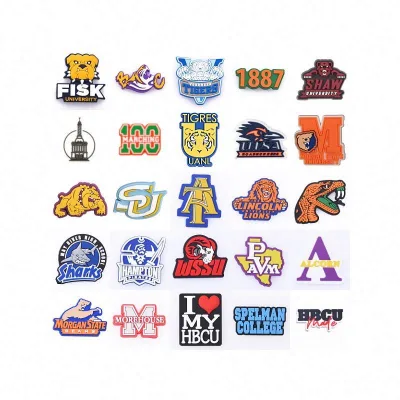
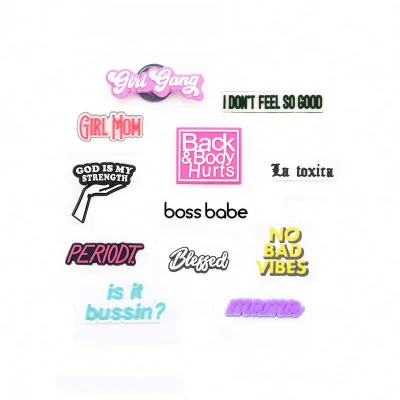


New Design Shoe Charms Personalized Logo Customizable Shoe Charm for Charms DIY
$0.15 - $0.25
MOQ: 100 pieces

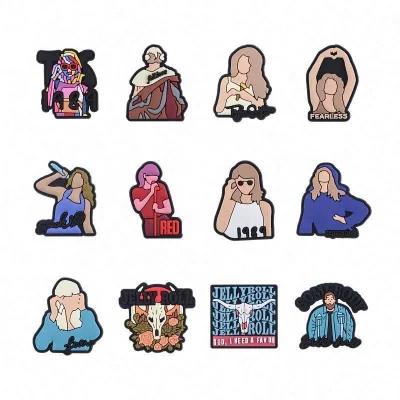
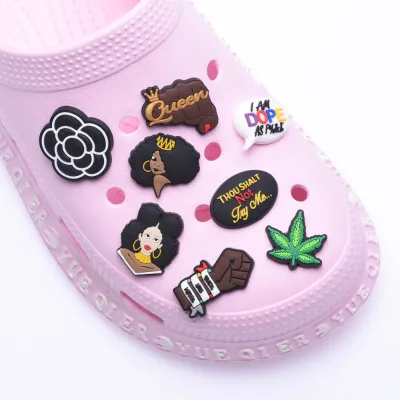
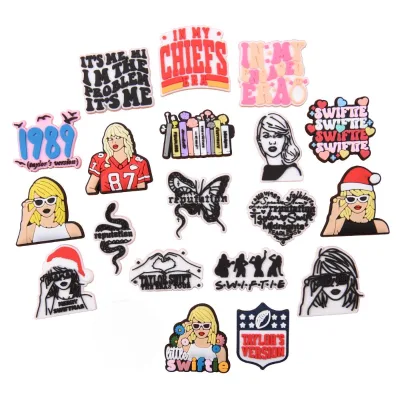
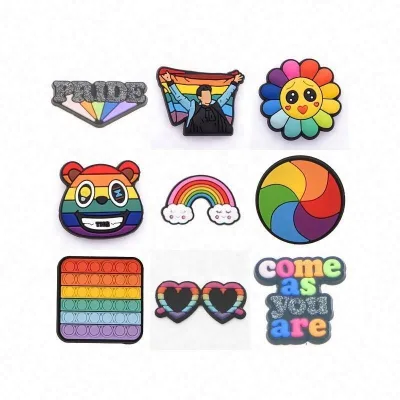
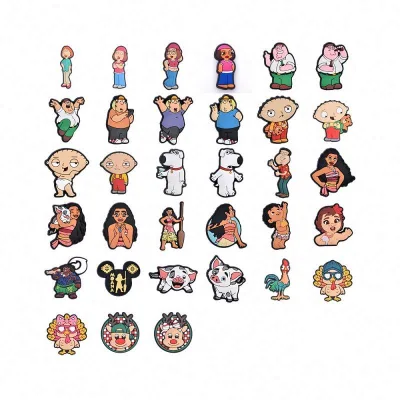
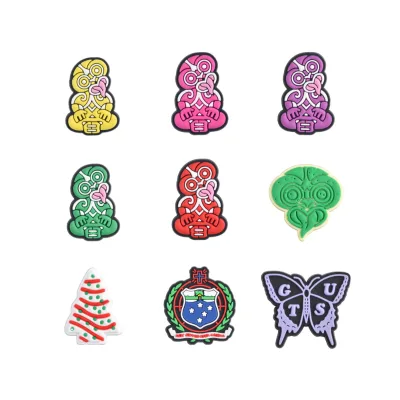


Designer Shoe Charms with Sparkling Diamond Detail for Fashionable Footwear
$0.02 - $0.04
MOQ: 2000 Pieces


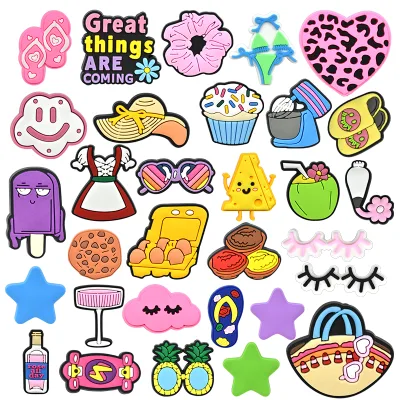
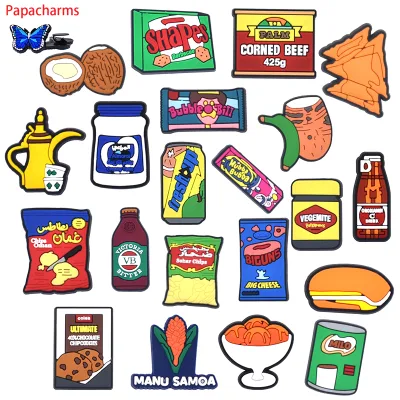


Promo Products Fashionable Shoe Charms Thanksgiving Day Character Shoe Charms
$0.15 - $0.25
MOQ: 500 Pieces


Comprehensive Sourcing Guide
Strategic Sourcing Guide for Custom Shoe Charms
Understanding Product Variants and Material Composition
The market for shoe charms is characterized by a diverse range of material compositions, each offering distinct aesthetic and functional properties. Based on current market observations, the primary materials identified for these decorative accessories include PVC, fur, and rubber. PVC-based charms are frequently marketed as eco-friendly options, providing a durable and flexible base for intricate designs. These units often feature specific dimensions, such as a size range of 2.5 to 3.5 cm, which is critical for ensuring compatibility with various footwear types, particularly clogs and casual sneakers.
In contrast, fur-based variants offer a different texture and visual appeal, often packaged in larger units with dimensions reaching 5x5x5 cm per single package. These are typically designed to add volume and softness to the accessory profile. Rubber materials represent another significant category, often highlighted for their durability and resistance to wear. When sourcing, buyers must recognize that the material choice directly influences the manufacturing process, the final weight of the product, and the specific customization capabilities available. For instance, PVC and rubber allow for detailed molding of specific shapes and colors, while fur materials may require different assembly techniques to attach the decorative element securely to the shoe.
The product names and descriptions often vary, ranging from "PVC shoe charms" to "fur clog shoes charms" and generic "shoe buckles." This variation in nomenclature can sometimes obscure the underlying material specifications. A thorough review of the product attributes is necessary to confirm whether the item is a simple charm or a functional buckle. The decoration type is consistently listed as "CHARM," though some listings also include "Buckle" as a decorative feature, suggesting a dual-functionality in certain designs. Buyers should verify the exact nature of the attachment mechanism to ensure it meets the intended use case for their specific footwear collection.
Technical Specifications and Customization Parameters
Technical specifications for shoe charms are highly variable, reflecting the custom nature of the product. The model numbers observed in the market, such as "xh-1," "fur clog shoes charms," and "PVC shoes charms," indicate that manufacturers produce distinct SKUs for different material types and design styles. A critical technical parameter is the single package size, which impacts logistics and shipping costs. For PVC variants, the single package size is often compact, around 3x3x3 cm, with a single gross weight of approximately 0.003 kg. Conversely, fur-based charms tend to have larger packaging dimensions of 5x5x5 cm and a higher gross weight of 0.008 kg per unit.
Customization is a central feature of the Shoe Charm market. The attribute "Customization: Available" is prevalent, allowing buyers to tailor products to specific brand identities. This includes the ability to customize colors, with extensive palettes available for both PVC and fur materials. The PVC color options include a wide array of red shades (e.g., c3859, c3860-1, c3860-2) and other specific codes, while fur options offer a similarly broad spectrum (e.g., fu1001 through fu1034). Additionally, the logo position is typically specified as "Upper," allowing for prominent branding on the front of the charm.
The size of the charm is another key specification. While some products are listed with a fixed size range of 2.5-3.5 cm, others offer "custom size" options. This flexibility is essential for buyers targeting specific shoe models that may require larger or smaller decorative elements. The design process often involves creating a custom Shoe Charm charm, where the buyer provides the design file or concept, and the manufacturer executes the production. The style of the product is generally categorized as "Promotional Product Name Shoe Charm" or "Clog Charm, Popular," indicating their primary use in fashion and promotional contexts.
Cost Drivers and Minimum Order Quantity Analysis
The pricing structure for shoe charms is influenced by several factors, including material costs, customization complexity, and order volume. The observed price range in the market spans from $0.02 to $1.03 per unit. This wide variance suggests that the final cost is heavily dependent on the specific material selected, the intricacy of the design, and the quantity ordered. Lower-priced items typically correspond to standard, non-customized designs in basic materials, while higher prices are associated with custom molds, complex color combinations, or premium materials like fur.
Minimum Order Quantity (MOQ) is a significant cost driver and a barrier to entry for smaller buyers. The market data reveals a wide range of MOQs, from as low as 10 pieces to as high as 2000 pieces. Some suppliers set an MOQ of 100 pieces, while others may accept orders starting at 10 or 20 pieces. This variability allows buyers to scale their orders based on their budget and inventory needs. However, buyers must be aware that ordering below a supplier's standard MOQ may result in higher per-unit costs or require a setup fee.
The payment terms also play a role in the overall cost structure. Standard payment methods observed include T/T (Telegraphic Transfer) and Credit Card. These terms can affect cash flow and the timing of the transaction. Additionally, the lead time, which is typically observed as 10-15 days or one week, impacts the total cost of ownership. Longer lead times may necessitate earlier planning and potentially higher inventory holding costs, while shorter lead times allow for more agile supply chain responses. Buyers should calculate the total landed cost, including shipping and duties, to determine the true economic viability of a specific supplier and product configuration.
Compliance, Certification, and Quality Assurance
When sourcing shoe charms, compliance and quality assurance are paramount, especially for products intended for consumer use. The market observations highlight a "Feature: Eco-friendly" attribute for certain PVC products, suggesting that some manufacturers adhere to environmental standards. However, buyers should not assume that all products meet specific regulatory requirements without verification. It is crucial to request documentation regarding the safety of the materials used, particularly for products that may come into contact with children or sensitive skin.
Quality control processes should be a focal point during supplier evaluation. The attribute "high quality shoe charms charm" is frequently used in product descriptions, but this is a claim that requires validation. Buyers should implement a quality control plan that includes pre-production samples, in-process inspections, and final random inspections. Key quality metrics to monitor include the consistency of color, the strength of the attachment mechanism, and the absence of defects such as bubbles, cracks, or loose parts.
Certifications are another critical area. While specific certification names are not universally listed in the provided data, buyers should verify if the supplier holds relevant certifications for the regions where the products will be sold. For example, products entering the European market may require compliance with REACH regulations, while those in the United States may need to meet CPSIA standards. The "Brand Name Hhx" and "Fujian, China" origin suggest that the products are manufactured in a region known for its manufacturing capabilities, but buyers must ensure that the specific factory adheres to international quality and safety standards.
Supplier Evaluation and Geographic Considerations
Supplier evaluation requires a comprehensive assessment of the manufacturer's capabilities, location, and reliability. The primary origin point for the observed products is Fujian, China, a region with a well-established manufacturing ecosystem for footwear accessories. The presence of a specific brand name, "Hhx," indicates that some suppliers operate under their own branding, which can be beneficial for buyers seeking exclusive designs. However, many suppliers may operate as OEM manufacturers, producing goods for various brands.
When evaluating suppliers, buyers should consider the following criteria:
- Production Capacity: Verify the supplier's ability to handle the required order volume, especially during peak seasons.
- Customization Capability: Assess the supplier's design team and their ability to translate custom concepts into physical products.
- Communication: Ensure that the supplier has a responsive communication channel to address queries and resolve issues promptly.
- Logistics: Evaluate the supplier's experience with international shipping and their ability to meet lead time requirements.
The location of the supplier is also a factor. Fujian, China, is a hub for footwear manufacturing, offering access to a skilled workforce and established supply chains for raw materials like PVC and rubber. However, buyers should be aware of potential logistical challenges, such as shipping delays or customs clearance issues, and plan accordingly.
Typical Applications and Market Trends
Shoe charms are primarily used as decorative accessories for footwear, enhancing the aesthetic appeal of shoes and allowing for personal expression. The "Style: Clog Charm" and "Popular" attributes suggest that these products are particularly well-suited for clogs and casual shoes, which are popular in various fashion trends. The "Promotional Product Name" designation indicates that shoe charms are also widely used in marketing campaigns, corporate gifts, and event giveaways.
The market trends for shoe charms are driven by the demand for personalized and customizable products. Consumers are increasingly looking for unique items that reflect their individual style, and shoe charms offer a low-cost, high-impact way to achieve this. The ability to customize colors, logos, and designs makes these products ideal for brands looking to create a cohesive visual identity. Additionally, the "Eco-friendly" feature suggests a growing trend towards sustainable products, which buyers should consider when selecting suppliers.
Long-Term Procurement Considerations
For buyers looking to establish a long-term relationship with Shoe Charm suppliers, several factors must be considered. Consistency in quality is essential to maintain brand reputation. Buyers should work with suppliers who have robust quality control systems and a track record of delivering consistent products. Flexibility in order quantities and lead times is also important, as market demands can fluctuate rapidly.
Building a strategic partnership with a supplier can lead to better pricing, priority production scheduling, and access to new designs. Buyers should invest time in understanding the supplier's capabilities and aligning their procurement strategy with the supplier's strengths. Regular communication and feedback loops can help identify areas for improvement and ensure that the supplier continues to meet the buyer's evolving needs.
In conclusion, sourcing shoe charms requires a careful balance of technical specifications, cost analysis, quality assurance, and supplier evaluation. By understanding the diverse range of materials, customization options, and market trends, buyers can make informed decisions that align with their business objectives and consumer demands. The key to successful procurement lies in thorough due diligence, clear communication, and a commitment to maintaining high standards of quality and compliance.
| Feature | PVC Charms | Fur Charms | Rubber Charms |
|---|---|---|---|
| Material | PVC | Fur | Rubber |
| Single Package Size | 3x3x3 cm | 5x5x5 cm | Variable |
| Single Gross Weight | 0.003 kg | 0.008 kg | Variable |
| Customization | High (Color, Logo) | High (Color, Logo) | High (Color, Logo) |
| Typical MOQ | 10-100 pcs | 10-100 pcs | 10-100 pcs |
| Lead Time | 10-15 Days | 10-15 Days | 10-15 Days |
| Key Attribute | Eco-friendly | Soft Texture | Durable |
FAQs
What materials are used for shoe charms?
Shoe charms are primarily made from PVC, fur, and rubber. PVC options are often eco-friendly and durable, while fur variants offer a soft texture. Rubber materials provide resistance to wear, and each material type influences the final weight and customization capabilities of the accessory.
How much is the minimum order quantity for charms?
The minimum order quantity ranges from 10 to 2000 pieces depending on the supplier. Some vendors accept orders starting at 10 pieces, while others require a minimum of 100 pieces. Buyers should verify the specific MOQ with the chosen manufacturer to ensure it fits their budget and inventory needs.
Can I customize the color and logo of charms?
Yes, customization is available for both colors and logos. Buyers can select from extensive color palettes including specific red shades or fur codes. The logo is typically positioned on the upper part of the charm, allowing for prominent branding on the front of the decorative accessory.
Where are these shoe charms manufactured?
The products originate from Fujian, China, a region known for footwear manufacturing. The brand name Hhx is associated with some listings from this location. Buyers should consider the established supply chain in Fujian when evaluating production capacity and logistics for international shipping.
What is the typical delivery time for orders?
Delivery times typically range from one week to 15 days. Some suppliers offer a lead time of 10 to 15 days, while others can complete production in one week. This timeframe impacts inventory planning, so buyers should confirm the specific lead time before placing an order.
Which payment methods are accepted for purchases?
Standard payment methods include T/T and Credit Card. These terms affect cash flow and transaction timing for the buyer. It is important to confirm the accepted payment options with the supplier to ensure the transaction process aligns with your financial procedures.