Source Shockproof Street Fashion Phone Case for Travel, Daily Use, and Outdoor
Find 30 Shockproof Street Fashion Phone Case options from verified suppliers in China. Buyers can compare TPU materials, customization features, and factory prices for iPhone models 11 through 15.
Key considerations
Products List


a Rose Patten Protective Phone Case for iPhone Series Mobile Phone Cases
$0.78 - $0.98
MOQ: 100 Pieces






Comprehensive Sourcing Guide
Strategic Sourcing Guide for Shockproof Street Fashion Phone Cases
Understanding Product Attributes and Functional Requirements
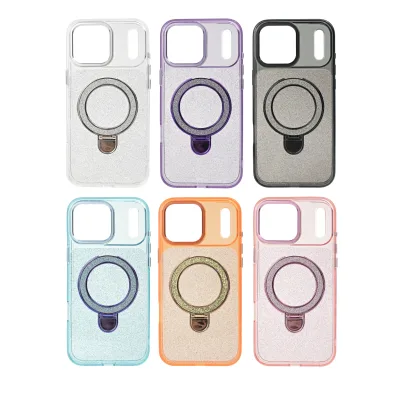
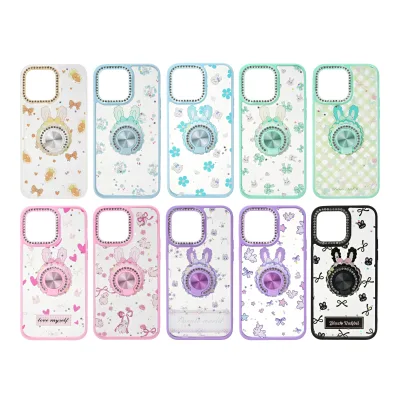
When sourcing a Shockproof Street Fashion Phone Case, buyers must first distinguish between aesthetic intent and functional performance. The core keyword implies a product that merges high-impact protection with a distinct visual identity suitable for urban environments. Based on observed market data, these accessories are frequently categorized under mobile phone accessories specifically designed for the iPhone ecosystem, including models 15, 14, 13, 12, 11, and their Pro Max variants. The functional profile of these items is robust, typically listing attributes such as waterproof, shock absorbent, dirt-resistant, and anti-slip capabilities. These features are not merely decorative; they are essential for durability in daily carry scenarios.
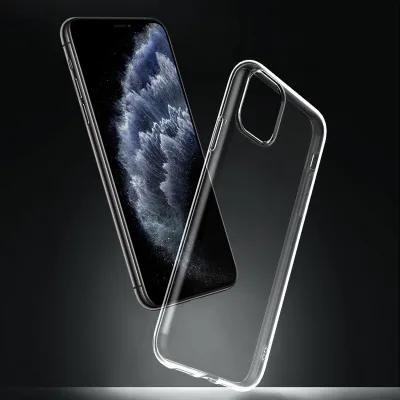
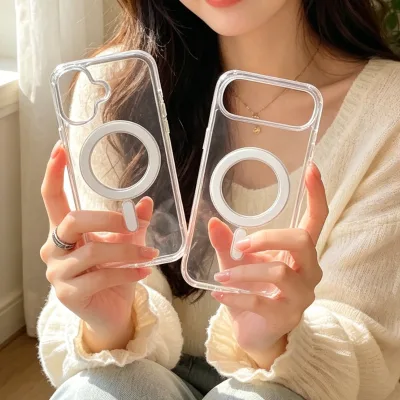
The material composition is a primary determinant of the "shockproof" claim. The most prevalent material observed in this category is TPU (Thermoplastic Polyurethane). This material choice is critical because TPU offers a balance of flexibility and resilience, allowing the case to absorb kinetic energy from drops without cracking. The hardness of these cases is generally described as soft to medium soft, a specification that directly correlates with their ability to cushion impacts. A case that is too hard may transmit shock to the device, while one that is too soft may lack structural integrity. The design language often leans towards "Street Fashion" or "Ins Style," indicating a trend-driven aesthetic that prioritizes visual appeal alongside utility. Colors observed include transparent finishes, which allow the phone's original design to show while providing a protective layer.
Buyers should note that while the product is marketed as "unisex," the fit is strictly model-specific. The compatibility is listed for specific iPhone generations, meaning inventory planning must account for the rapid release cycles of the target device. The "Street Fashion" designation suggests that the product is not intended for industrial or extreme outdoor use but rather for consumers who value style and everyday protection. Therefore, the sourcing strategy must prioritize suppliers who can consistently deliver on the dual promise of aesthetic consistency and mechanical protection.
Technical Specifications and Material Standards
The technical specifications of a Shockproof Street Fashion Phone Case are defined by a combination of physical dimensions, material properties, and packaging standards. In the observed product data, the standard weight for a single unit is noted as 0.500 kg, though this figure likely represents a batch or a specific packaging configuration rather than the weight of a single case, which is typically much lighter. The physical dimensions of the packaging are also critical for logistics planning. Observed packaging standards include dimensions such as 20153cm and 10102cm, which vary based on whether the product is shipped in bulk or retail packaging.
The material specification is consistently identified as TPU. This polymer is selected for its elasticity and resistance to yellowing, a common issue in lower-quality transparent cases. The hardness rating of "Soft" or "Medium Soft" is a key technical parameter that buyers must verify. This attribute ensures that the case can deform upon impact to dissipate energy, a mechanism essential for the "Shock Absorbent" and "Anti-knock" functions listed in product descriptions. The "Dirt-resistant" and "Waterproof" attributes suggest that the material surface is treated or formulated to repel liquids and particulate matter, though the degree of water resistance (e.g., IP rating) is not explicitly defined in the available data and requires supplier confirmation.
Packaging is another technical specification that impacts the final product presentation. Options include OPP bags, retail packages, or bulk packaging. The choice between retail and bulk packaging affects the unit cost and the perceived value of the product. Retail packaging often includes branding elements, which aligns with the "Customized Logo Available" feature. The "Condition" is universally listed as "100% Brand New," which is a baseline expectation but requires quality control verification to ensure no defects exist prior to shipping. The "Style" attributes, ranging from "Simplicity" to "Trend," indicate that the product line must be agile enough to adapt to changing fashion cycles.
| Specification Category | Observed Value | Verification Requirement |
|---|---|---|
| Material | TPU | Verify Shore A hardness rating |
| Hardness | Soft / Medium Soft | Confirm impact absorption test data |
| Packaging | OPP Bag / Retail / Bulk | Confirm box dimensions and weight |
| Compatibility | iPhone 11-15 Series | Verify precise cutout tolerances |
| Weight Standard | 0.500 kg (Batch/Unit) | Clarify if this is per unit or per pack |
| Color | Transparent | Check for yellowing resistance specs |
Compliance, Certification, and Regulatory Checks
In the B2B procurement of mobile accessories, compliance is a non-negotiable aspect of supplier evaluation. The observed product data lists several certifications, including RoHS, ISO9001, and SGS. These certifications serve as indicators of the supplier's commitment to quality management and environmental standards. RoHS (Restriction of Hazardous Substances) compliance is particularly important for electronics accessories, ensuring that the TPU material and any inks or dyes used do not contain restricted heavy metals or hazardous chemicals. ISO9001 certification indicates that the supplier operates under a recognized quality management system, which should result in more consistent product quality and fewer defects.
SGS certification is a third-party verification that the product meets specific safety and quality standards. While the presence of these certifications is a positive signal, buyers must verify the validity of these documents. It is essential to request current certificates and cross-reference them with the issuing bodies to ensure they are not expired or forged. The "Certification" field in product listings should be treated as a claim that requires validation rather than an absolute guarantee. Buyers should specifically ask suppliers to provide the certificate numbers and the scope of certification to ensure it covers the specific product line being sourced.
Furthermore, the "Eco-Friendly" feature mentioned in the product attributes suggests a potential alignment with sustainability goals. However, this claim requires scrutiny. Buyers should inquire about the specific eco-friendly attributes of the TPU material, such as whether it is bio-based, recyclable, or produced using energy-efficient methods. Without specific data on the material's lifecycle or recycling protocols, the "Eco-Friendly" label remains a marketing observation. Similarly, the "Shockproof" and "Waterproof" claims are functional descriptions that should be backed by test reports. Buyers should request third-party test results that demonstrate the case's ability to withstand specific drop heights and water exposure levels.
Cost Drivers and Pricing Dynamics
The pricing of shockproof street fashion phone cases is influenced by a complex interplay of factors, including material costs, customization requirements, order volume, and logistics. The observed price range in the market is broad, spanning from $0.23 to $10.00 USD. This wide variance indicates that the final price is highly dependent on the specific configuration of the order. The lower end of the range likely corresponds to bulk orders of simple, transparent TPU cases with minimal customization, while the higher end reflects retail-ready packaging, complex designs, or small batch orders.
The Minimum Order Quantity (MOQ) is a significant cost driver. The data shows an MOQ range of 50 to 1000 units, with specific variations such as 50 pieces per color or 200 pieces per model. Lower MOQs, such as 50 pieces, are often associated with higher per-unit costs due to the setup costs for molding and printing. Conversely, larger orders can leverage economies of scale to reduce the unit price. Buyers must balance their inventory needs with the financial implications of MOQs. For new product launches, starting with a lower MOQ might be necessary to test the market, but this will result in a higher cost per unit.
Customization is another major factor affecting price. The availability of OEM/ODM services, including customized logos and specific design elements, adds to the production cost. The "Customized Logo Available" feature implies that additional setup fees or tooling costs may apply, especially for complex logo placements. The "Free Sample But Freight" policy is a common industry practice that allows buyers to verify quality before committing to a large order, but the shipping cost for samples must be factored into the total procurement budget.
Payment terms also play a role in the overall cost structure. The observed payment methods include T/T, Western Union, and Alibaba. These terms can influence cash flow and risk management. Buyers should negotiate payment terms that align with their financial capabilities and risk tolerance. Additionally, the "Factory Price" claim suggests that buyers are dealing directly with manufacturers, which can eliminate middleman markups. However, buyers must verify that the quoted price includes all necessary costs, such as packaging, labeling, and export documentation, to avoid hidden expenses.
Supplier Evaluation and Operational Capabilities
Evaluating a supplier for shockproof street fashion phone cases requires a comprehensive assessment of their operational capabilities, location, and production flexibility. The observed product origin is primarily Guangzhou and Guangdong, China, regions known for their robust manufacturing ecosystems and expertise in mobile accessories. Suppliers in these locations typically have access to a wide range of materials and skilled labor, which can facilitate faster production and better quality control.
The lead time is a critical operational metric. The data indicates a lead time of usually 1-3 working days after payment, which is exceptionally fast. This suggests that the supplier may have a high level of automation or a ready-to-ship inventory for standard models. However, buyers should verify if this lead time applies to customized orders or if it is limited to stock items. Customization often requires additional time for mold creation, printing, and quality checks. The shipping time is estimated at about 5-7 working days via carriers like UPS, FedEx, DHL, or DDP. These shipping options provide flexibility but also introduce variability in delivery times and costs.
The supplier's ability to handle customization is another key evaluation point. The "Accept Customize" and "OEM/ODM" attributes indicate that the supplier can tailor products to specific brand requirements. Buyers should assess the supplier's design capabilities, including their ability to create molds for unique shapes or colors. The "Customization: Available" attribute suggests a high level of flexibility, but buyers must confirm the minimum requirements for customization, such as the number of colors or the complexity of the logo.
Quality control is an integral part of supplier evaluation. The "100% Brand New" condition and the presence of certifications like ISO9001 suggest a commitment to quality. However, buyers should implement their own quality control measures, such as pre-shipment inspections or third-party audits. The "Sample: Free Sample But Freight" policy allows buyers to physically inspect the product before placing a large order. This step is crucial for verifying the "Shock Absorbent" and "Dirt-resistant" claims. Buyers should test the samples for durability, fit, and aesthetic quality to ensure they meet the brand's standards.
Quality Control and Long-Term Procurement Strategy
Implementing a robust quality control (QC) strategy is essential for maintaining the integrity of shockproof street fashion phone cases. The QC process should begin with the verification of raw materials, specifically the TPU used in production. Buyers should ensure that the material meets the specified hardness and elasticity requirements. The "Soft" or "Medium Soft" hardness rating must be consistent across batches to guarantee uniform protection. Additionally, the "Waterproof" and "Dirt-resistant" features should be tested using standardized methods to confirm their effectiveness.
Visual inspection is another critical component of QC. The "Street Fashion" and "Ins Style" designs require precise color matching and print quality. Buyers should check for defects such as air bubbles, uneven coloring, or misaligned cutouts. The "Transparent" color option is particularly susceptible to yellowing over time, so buyers should request data on the material's resistance to UV degradation. The packaging quality also needs to be verified to ensure that the product arrives in pristine condition. The "Retail Packaging" and "Bulk Packaging" options should be inspected for durability and branding accuracy.
For long-term procurement, buyers should establish a strategic partnership with their supplier. This involves regular communication, performance reviews, and continuous improvement initiatives. The "Customized Logo Available" feature offers an opportunity to build brand loyalty, but it requires consistent execution. Buyers should work with the supplier to refine the design and production processes over time, ensuring that the product remains competitive in the market. The "Eco-Friendly" attribute can be a differentiator in the long run, so buyers should explore opportunities to enhance the sustainability of the product line.
The "Fit for" specification for iPhone models 11 through 15 indicates a need for agility in the supply chain. As new iPhone models are released, the supplier must be able to quickly adapt their production lines to accommodate the new designs. Buyers should assess the supplier's R&D capabilities and their ability to respond to market trends. The "Lead Time" of 1-3 working days is a significant advantage, but it must be maintained even during peak seasons or when handling complex custom orders.
In conclusion, sourcing shockproof street fashion phone cases requires a balanced approach that considers technical specifications, compliance, cost, and supplier capabilities. By leveraging the observed data and applying rigorous quality control measures, buyers can secure a reliable supply chain that meets the demands of the modern mobile accessory market. The focus should remain on verifying claims, maintaining consistency, and fostering long-term relationships with suppliers who can deliver on both quality and innovation.
FAQs
What certifications do shockproof street fashion phone cases have?
These cases typically hold RoHS, ISO9001, and SGS certifications. Buyers must verify the validity of these documents and request certificate numbers to ensure they cover the specific product line being sourced.
How much is the minimum order quantity for these cases?
The minimum order quantity ranges from 50 to 1000 pieces depending on the configuration. Specific terms often require 50 pieces per color or 200 pieces per model to qualify for factory pricing.
Can I get a free sample of the Shockproof Street Fashion Phone Case?
Suppliers offer free samples but the buyer must cover the freight charges. This policy allows verification of quality before committing to a large order, though shipping costs must be factored into the budget.
Which materials are used to make these shockproof street fashion phone cases?
The cases are primarily constructed from TPU material known for flexibility and resilience. This material choice ensures the case can absorb kinetic energy from drops without cracking while maintaining a soft to medium soft hardness.
What is the lead time for custom orders of these phone cases?
The standard lead time is usually 1-3 working days after payment for stock items. Customized orders may require additional time for mold creation, printing, and quality checks beyond the standard production window.
How do I customize the logo on these shockproof street fashion phone cases?
OEM and ODM services are available for customized logos on these accessories. Buyers should note that customization may incur additional setup fees or tooling costs depending on the complexity of the logo placement.
Which iPhone models are compatible with these shockproof street fashion phone cases?
These cases fit iPhone 15, 14, 13, 12, 11, and their Pro Max variants. Inventory planning must account for specific model compatibility as the fit is strictly model-specific and not universal across all phone generations.