Source shrink-resistant bamboo french terry fabric for Garment, Home Textile, Decoration
Explore 30 listings for shrink-resistant bamboo french terry fabric suitable for garment, home textile, and decoration applications. Buyers can compare customization options, material blends like bamboo and cotton, and technical specifications from verified suppliers.
Key considerations
Products List


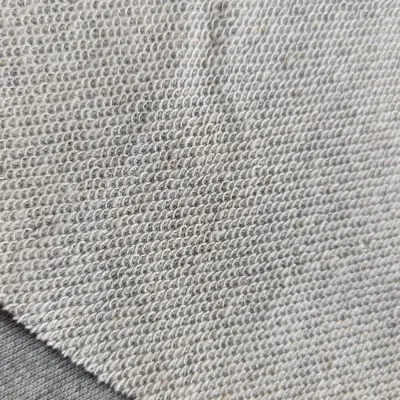
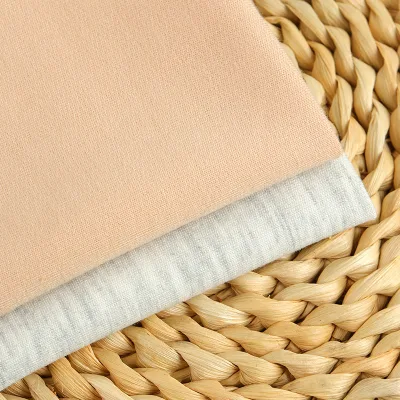
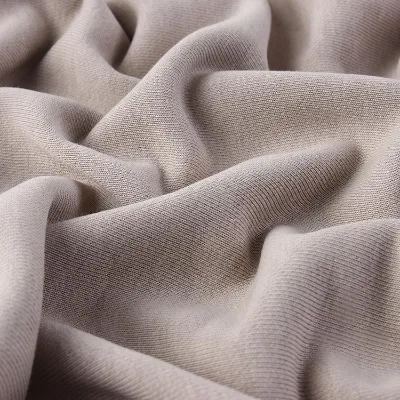
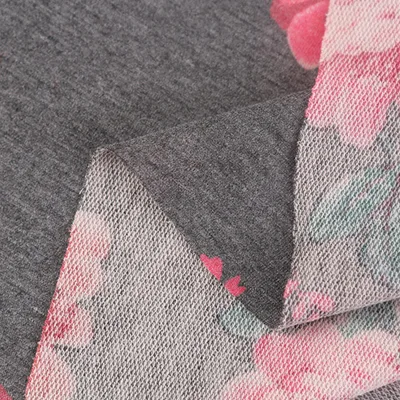
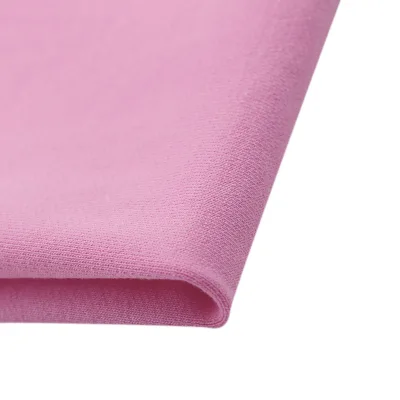
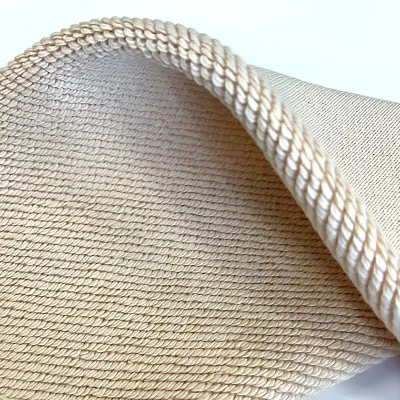

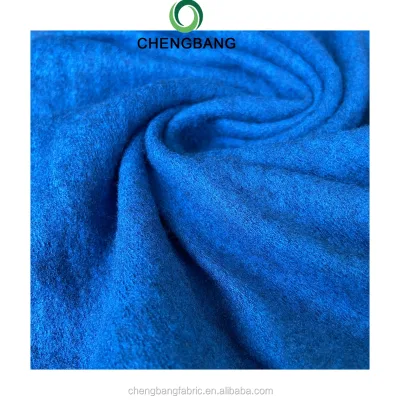
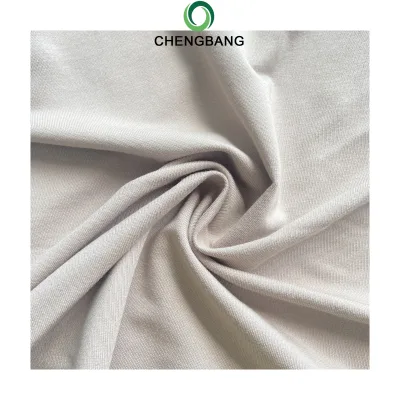
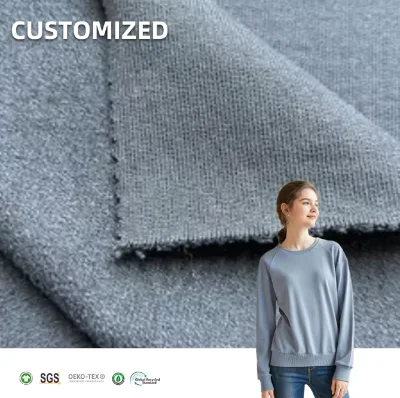


Eco-Friendly Organic Soft Bamboo Stretch Fabric for Baby Garments and Apparel
$1.94 - $2.29
MOQ: 2000 Meters


Comprehensive Sourcing Guide
Sourcing Strategy for Shrink-Resistant Bamboo French Terry Fabric
Understanding Material Composition and Technical Attributes
When sourcing shrink-resistant bamboo French terry fabric, the primary focus must be on the specific blend of fibers that delivers the desired performance characteristics. Based on the available market data, the core material composition for these textiles often involves a blend of polyester and bamboo fiber, typically cited as 80% polyester and 20% bamboo, though custom-made compositions are frequently available. This specific ratio is critical because the polyester component contributes significantly to the structural integrity and shrink resistance, while the bamboo fiber provides the soft hand feel and breathability associated with natural fibers.
The production technique for these fabrics is predominantly knitted, specifically utilizing weft knitting or machine knitting technologies. This method allows for the creation of the characteristic loop structure found in French terry, which offers natural stretch and comfort. The observed technical attributes indicate that the fabric is often categorized as a rib fabric or plain dyed style, with a specific focus on customization options for color and pattern. Buyers should note that while the base material is bamboo and cotton or polyester blends, the final product is often engineered to meet specific stretch requirements, such as firm stretch levels, which are essential for garment applications requiring durability and shape retention.
The weight of the fabric is another critical specification, with observed data indicating a weight of approximately 340gsm (grams per square meter). This weight classifies the material as lightweight to medium-weight, making it suitable for a wide range of apparel without being overly bulky. The thickness is explicitly described as lightweight, which is a key differentiator for buyers seeking comfort in activewear or casual wear. Furthermore, the width of the fabric is a standard specification that must be verified, with observed data pointing to a width of 175cm. This width is standard for many knitting machines but must be confirmed for specific orders to ensure efficient cutting and minimal waste during the manufacturing process.
Compliance, Certification, and Safety Standards
In the B2B textile market, compliance and safety certifications are non-negotiable, particularly for fabrics intended for direct skin contact or children's wear. The sourcing guide must emphasize the verification of the Oeko-Tex Standard 100 certification. This certification is a recognized benchmark in the industry, ensuring that the fabric has been tested for harmful substances and is safe for human use. While general market knowledge references standards like ASTM D5034 for tear strength, the specific supply chain data provided highlights the Oeko-Tex Standard 100 as a concrete, verifiable attribute for certain product models.
Buyers should not assume that all listed bamboo or cotton blends automatically possess this certification. Instead, the procurement strategy must involve a direct request for the current certificate from the supplier for the specific batch or model number being considered. The certification acts as a third-party validation of the chemical safety of the dyeing and finishing processes, which is particularly relevant given the "Anti-Bacterial" and "Anti-Crease" features often associated with these fabrics. These functional finishes must be applied without compromising the safety standards required by international markets.
Additionally, the supply type for these fabrics is often "Make-To-Order" (MTO). This production model implies that the fabric is produced specifically for the buyer's requirements, which can influence the timeline for certification verification. Since the material composition can be customized, the certification process may need to be repeated or validated for each unique blend if the chemical inputs change. Buyers must ensure that the supplier maintains a robust quality management system that tracks these certifications from the raw material stage through to the final fabric roll. The origin of the product is consistently listed as China, with specific mentions of cixi, zhejiang, as a production hub. While this location is a known textile center, the specific factory's adherence to these standards must be verified through documentation rather than assumed based on geography.
Cost Drivers and Economic Factors in Procurement
The cost of shrink-resistant bamboo French terry fabric is influenced by a complex interplay of material costs, customization levels, and order volume. The observed price range in the market varies significantly, from as low as 0.78 USD to as high as 13 USD per unit, though this wide range likely reflects differences in weight, certification status, and order quantity rather than a uniform market price. The primary cost driver is the raw material composition. Bamboo fiber, while increasingly common, often carries a higher cost than standard cotton or polyester due to the processing required to extract the fiber. Blends with higher percentages of bamboo or specialized finishes like anti-bacterial treatments will naturally command a premium.
Minimum Order Quantity (MOQ) is another critical economic factor. The data indicates a broad MOQ range, from as low as 1 unit to as high as 4800 units, with a specific observed requirement of 500KG for certain suppliers. This variance suggests that the market accommodates both small-batch custom orders and large-scale industrial production. For buyers seeking custom compositions, such as the 80% polyester/20% bamboo blend, the MOQ may be higher to justify the setup costs for the knitting machine and dyeing process. The "Make-To-Order" nature of the supply type further impacts cost, as it eliminates inventory holding for the supplier but may increase the per-unit price compared to off-the-shelf stock.
Packaging and logistics also contribute to the total cost. The observed packaging methods include woven bags or roll packing in plastic bags, with specific requests often accommodated. The standard package size is noted as 25x25x25 cm for single units, while bulk shipments may follow standard dimensions like 162cm x 30cm x 30cm. These packaging specifications affect the volume of the shipment and, consequently, the freight costs. Buyers must factor in the cost of custom packaging if their brand requires specific labeling or protection, as this is listed as an available customization option. The lead time, while not explicitly quantified in the provided data, is inherently linked to the customization level and the supplier's current production schedule, which is a variable cost that must be managed through clear communication and contract terms.
Typical Applications and Functional Performance
The versatility of shrink-resistant bamboo French terry fabric makes it suitable for a diverse array of applications across the garment and home textile industries. The observed usage categories include garments, home textiles, and decoration. Specifically, the fabric is ideal for suits, underwear, shirts, dresses, bags, purses, totes, coats, jackets, costumes, and various apparel categories such as blazers, sportswear, t-shirts, sweatshirts, and skirts. The "Anti-Crease" and "Anti-Bacterial" features are particularly valuable for these applications, as they enhance the longevity and hygiene of the final product.
For the garment industry, the fabric's firm stretch level and lightweight nature make it an excellent choice for activewear and casual wear. The combination of bamboo's moisture-wicking properties and polyester's durability creates a fabric that performs well during physical activity while maintaining a soft feel against the skin. In the home textile sector, the fabric's aesthetic appeal and comfort make it suitable for items like bedding or decorative throws, although the primary focus in the data is on apparel. The ability to customize the color and logo allows manufacturers to create branded merchandise that stands out in a competitive market.
The functional performance of the fabric is further enhanced by its specific technical attributes. The "Plain Dyed" style and "Plain" pattern offer a clean, versatile look that can be easily printed or embroidered. The "Rib fabric" structure, often associated with this type of knit, provides excellent recovery and shape retention, which is crucial for garments that need to maintain their fit after repeated washing. The shrink-resistant quality, implied by the material blend and finishing processes, ensures that the final product does not deform significantly after laundering, a key selling point for retailers and consumers alike. Buyers should verify that the specific model number they select, such as GYJ33293 or GYJ32165, meets the specific performance requirements for their intended application, as different models may have slight variations in weight or finish.
Supplier Evaluation and Quality Control Protocols
Evaluating suppliers for shrink-resistant bamboo French terry fabric requires a rigorous approach to quality control and due diligence. Given the "Make-To-Order" nature of the supply, the supplier's ability to maintain consistency across batches is paramount. Buyers should prioritize suppliers who can provide detailed documentation regarding their production processes, including the specific knitting machines used and the dyeing protocols employed. The presence of the Oeko-Tex Standard 100 certification is a strong indicator of a supplier's commitment to quality and safety, but it should be verified for the specific product line being ordered.
Quality control protocols should include a comprehensive inspection of the fabric's physical properties. This includes verifying the weight (e.g., 340gsm), width (e.g., 175cm), and thickness (lightweight) against the agreed specifications. The stretch level, described as "firm stretch," must be tested to ensure it meets the functional requirements of the final garment. Additionally, the anti-crease and anti-bacterial properties should be validated through independent testing or by reviewing the supplier's internal quality assurance records. The "Customization" aspect of the product, including color and logo, requires a separate quality check to ensure that the customization does not compromise the fabric's structural integrity or safety.
The supply chain transparency is also a critical factor in supplier evaluation. The origin of the product is consistently listed as China, with cixi, zhejiang, being a specific production hub. While this region is known for its textile industry, buyers should request information about the specific factory location and its capacity to handle their order volume. The MOQ of 500KG for some suppliers suggests a focus on larger orders, so buyers with smaller needs must ensure the supplier can accommodate their volume without compromising quality or inflating costs. The packaging method, whether woven bags or roll packing, should be inspected to ensure it protects the fabric during transit and storage.
Long-Term Procurement and Strategic Sourcing Considerations
For buyers looking to establish a long-term relationship with suppliers of shrink-resistant bamboo French terry fabric, strategic planning is essential. The customization capabilities of the fabric, including the ability to adjust the composition to "custom made" blends, offer significant opportunities for product differentiation. However, this flexibility also introduces complexity into the supply chain. Buyers must develop a clear specification document that outlines the exact requirements for each order, including the fiber ratio, weight, width, and any special finishes. This document serves as the basis for all future communications and quality checks.
Sustainability is another long-term consideration. The use of bamboo fiber aligns with growing consumer demand for eco-friendly materials. Buyers should inquire about the sourcing of the bamboo fiber and the environmental impact of the processing methods. While the provided data does not explicitly detail sustainability certifications beyond Oeko-Tex, the inherent properties of bamboo suggest a potential for sustainable sourcing. Establishing a partnership with a supplier who shares these values can enhance the brand's reputation and appeal to environmentally conscious consumers.
Finally, the scalability of the supply chain must be considered. As the buyer's business grows, the demand for fabric will increase. The observed MOQ range and the "Make-To-Order" supply type suggest that the supplier can scale production, but this requires advance planning. Buyers should negotiate terms that allow for flexible ordering, such as rolling forecasts or phased deliveries, to manage inventory levels and cash flow effectively. The ability to customize the product model, such as selecting between GYJ33293 or GYJ32165, allows for a diversified product line that can adapt to changing market trends. By focusing on these strategic elements, buyers can build a resilient and efficient supply chain for shrink-resistant bamboo French terry fabric.
FAQs
What material blends are available for this fabric?
Available blends include 100% cotton, bamboo fiber, and an 80% polyester with 20% bamboo mix. Custom compositions can be made to order to meet specific performance needs.
Can I customize the color and logo on the fabric?
Yes, color customization and logo printing are accepted services for these knitted fabrics. Buyers can request specific dye shades and branding details directly from the supplier.
What certifications does the fabric hold for safety?
The fabric holds the Oeko-Tex Standard 100 certification to ensure it is free from harmful substances. This verification is critical for products intended for direct skin contact.
What is the minimum order quantity for custom orders?
The minimum order quantity is typically 500 kilograms for custom production runs. Some suppliers may accept lower quantities, but the standard threshold for MTO orders is higher.
How is the fabric packed for shipping?
Standard packing includes woven bags or rolls wrapped in plastic bags. Custom packaging requests are also accepted to protect the fabric during transit and storage.
What are the physical dimensions of the fabric rolls?
The fabric width is typically 175 centimeters with a lightweight thickness of 340 grams per square meter. Single package sizes are often 25 by 25 by 25 centimeters.
Which industries can use this shrink-resistant fabric?
This fabric is suitable for garments, home textiles, and decoration applications. It is specifically used for suits, sportswear, underwear, dresses, and various apparel categories.