Source Shrimp Peeling Machine for Fish, Shrimp, and Seafood Processing
Compare 30 Shrimp Peeling Machine listings from Chinese manufacturers. Buyers can evaluate specifications like capacity, voltage, and material to find suitable equipment for deboning and peeling applications.
Key considerations
Products List
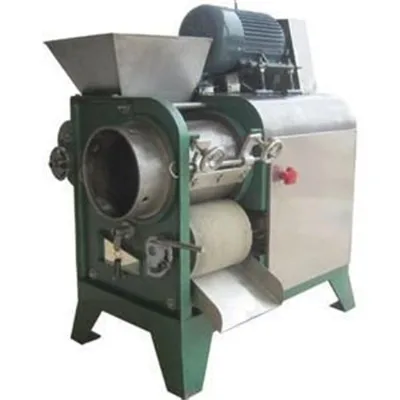


Automatic Shrimp Peeling Machine Shrimp Equipment with Peeling and Deveining Function
$2000.00 - $12000.00
MOQ: 1 Sets


Shrimp Shell Peeling Machine Prawn Peeler Machine with High Efficiency
$2000.00 - $12000.00
MOQ: 1 Sets

Shrimp Peeling and Deveining Machine Shrimp Cutting Machine Shrimp Deveiner
$2000.00 - $12000.00
MOQ: 1 Sets

Shrimp Peeler and Deveiner Machine Shrimp Processing Machine for Sale
$2000.00 - $12000.00
MOQ: 1 Sets


High Quality Stainless Steel Shell Removing Skinning Shrimp Peeling Machine
$3000.00 - $9000.00
MOQ: 1 Pieces


Automatic Shrimp Dehead Machine Stainless Steel Shrimp Peeler Shrimp Peeling Machine
$9880.00 - $23700.00
MOQ: 1 Pieces

Shrimp Peel Remover Shrimp Peeler Shrimp Peeling and Deveining Machine
$9880.00 - $23700.00
MOQ: 1 Pieces

Shrimp Peel Shrimp Shell Removing Shrimp Peeler and Deveining Machine
$9880.00 - $23700.00
MOQ: 1 Pieces
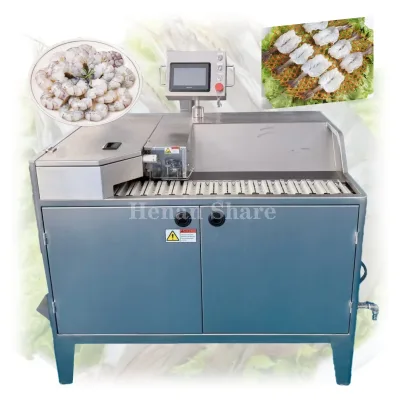
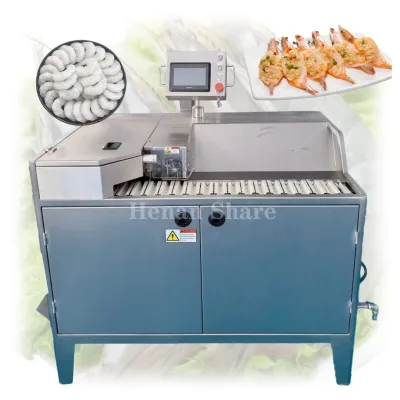


High Automation Shrimp Peeler and Deveining Machine / Shrimp Peeling Machine
$20549.00 - $23639.00
MOQ: 1 Sets


Comprehensive Sourcing Guide
Shrimp Peeling Machine Sourcing Guide
Procuring industrial shrimp peeling machines requires a careful balance between throughput capacity, material durability, and operational efficiency. These machines are designed to automate the labor-intensive processes of shell removal and deboning, significantly reducing manual handling costs while maintaining product integrity. Buyers must navigate a market where specifications vary widely, from small-scale units suitable for boutique processors to high-capacity systems designed for large commercial facilities. Understanding the technical nuances and commercial terms is essential to selecting equipment that aligns with specific production goals and budget constraints.
The sourcing landscape for these machines is dominated by manufacturers primarily located in China, with significant production hubs in provinces such as Henan and Shandong. This geographic concentration offers buyers access to a wide variety of models, including automatic peeling and shelling units, but it also necessitates rigorous due diligence regarding supplier verification and quality control. Buyers should focus on verifying the core components, power requirements, and material grades to ensure the machine meets food safety standards and operational demands. This guide provides a structured approach to evaluating these machines based on observed market data and industry best practices.
Product Scope and Observed Listing Signals
The current market for shrimp peeling machines exhibits a broad range of capabilities, with observed listing prices spanning from approximately $2,000 to over $114,000 USD. This wide variance reflects differences in automation levels, build quality, and production capacity. For instance, smaller units may offer capacities around 30kg/h to 80kg/h, while larger industrial models can handle inputs up to 300kg/h or more. The minimum order quantity (MOQ) is consistently observed at one set, indicating that suppliers are flexible in accommodating both pilot projects and full-scale procurement needs. Buyers should interpret price differences as indicators of scale and feature sets rather than arbitrary pricing.
Product listings frequently highlight key attributes such as automatic grade, stainless steel construction, and specific power ratings ranging from 1.1kw to 4kw. Common model identifiers include TZYC-200, GST-150, GST-300, and JW-DXP30, each corresponding to different capacity and dimension profiles. For example, some units measure 800550800mm with a weight of 200kg, while others are significantly larger, such as those with dimensions of 630023002500mm. These physical specifications are critical for facility planning, as buyers must ensure their production floor can accommodate the machine's footprint and weight requirements.
Technical Specifications to Verify
Voltage and power requirements are primary technical considerations that vary by region and machine size. Observed specifications include 220V, 380V, and dual-voltage options (220V/380V), with power consumption ranging from 1.5kw to 4kw. Buyers must verify the electrical infrastructure of their facility to ensure compatibility, as mismatched voltage can lead to equipment damage or operational failure. Additionally, the power source is consistently electric, and the automatic grade indicates a high level of mechanization, reducing the need for manual intervention during the peeling and shelling process.
Material composition and core components are equally vital for ensuring longevity and food safety. Most machines are constructed from stainless steel, with specific grades like SUS304 and SUS316L mentioned in listings, which are standard for food processing equipment due to their corrosion resistance. The core components often include gears, which drive the mechanical action of the peeling mechanism. Buyers should verify the quality of these components, as they are subject to high wear and tear. Furthermore, the machinery test report is often provided, offering insight into the machine's performance under load, which should be reviewed to confirm stability and efficiency.
Compliance and Safety Documentation
Food safety compliance is non-negotiable for shrimp processing equipment, requiring strict adherence to material standards and hygiene design principles. The use of stainless steel, particularly SUS304 and SUS316L, is a strong indicator of compliance with general food contact material regulations. Buyers should request documentation confirming that all materials in contact with the product meet local food safety standards, such as FDA or EU regulations, depending on the destination market. The "Good quality" attribute often cited in listings should be substantiated by material certificates and surface finish specifications to prevent bacterial retention.
Safety documentation and operational manuals are essential for risk management and proper machine operation. Buyers should ensure that suppliers provide comprehensive manuals detailing electrical safety, mechanical guarding, and emergency stop procedures. The provision of a machinery test report is a positive signal, indicating that the manufacturer has conducted performance checks before shipment. However, buyers should also verify if the machine carries relevant safety certifications, such as CE marking for European markets or other local compliance marks, to ensure legal operation and insurance validity.
Cost Drivers and Commercial Terms
The total cost of ownership for a Shrimp Peeling Machine is influenced by several factors beyond the initial purchase price. Key cost drivers include the machine's capacity, material grade, and level of automation. Higher capacity models, such as those with 300kg/h input, typically command higher prices due to the increased complexity and robustness of their construction. Additionally, the inclusion of customization options can affect pricing, as tailored solutions may require additional engineering and manufacturing time. Buyers should evaluate these factors against their expected production volume to determine the most cost-effective solution.
Commercial terms and logistics play a significant role in the final acquisition cost. The observed minimum order of one set simplifies procurement but requires careful attention to shipping and packaging details. Machines are typically packed in wooden cases or fumigation-free wooden cases, which must comply with international phytosanitary regulations to avoid customs delays. The port of origin, often Qingdao or Shanghai, and the place of origin, such as Henan or Shandong, influence freight costs and lead times. Buyers should negotiate clear terms regarding Incoterms, warranty coverage, and after-sales support to mitigate potential risks associated with international trade.
Supplier Qualification and Quality Control
Supplier qualification is a critical step in mitigating procurement risk, especially when sourcing from international manufacturers. Buyers should verify the supplier's production capacity, which is sometimes listed as a percentage (e.g., 98%), indicating their ability to meet demand. It is essential to confirm the supplier's location and facility details to ensure they are a legitimate manufacturer rather than a trading company. Requesting video tours of the production line or factory audits can provide valuable insights into their manufacturing processes and quality control measures.
Quality control procedures should be established before production begins to ensure the delivered machine meets specifications. Buyers should request detailed technical drawings, material certificates, and a list of core components to verify against the final product. The provision of a machinery test report is a good practice, but buyers should also consider third-party inspection services to verify the machine's performance and build quality before shipment. Establishing a clear acceptance criteria based on capacity, power consumption, and material integrity will help ensure that the supplier delivers a product that meets the buyer's expectations.
Long-Term Procurement Checks
Long-term procurement success depends on the availability of spare parts and after-sales support. Buyers should inquire about the warranty period, which is commonly listed as one year, and clarify what components are covered. It is crucial to establish a supply chain for spare parts, such as gears and motors, to minimize downtime in case of failure. Suppliers should provide a comprehensive list of recommended spare parts and their lead times, ensuring that maintenance can be performed promptly without disrupting production schedules.
Continuous evaluation of machine performance and supplier reliability is necessary for sustained operational efficiency. Buyers should monitor key performance indicators such as peeling efficiency, shell removal rate, and product damage levels during the initial operational phase. Regular maintenance schedules should be established to inspect and replace worn components, particularly those in the gear and drive systems. Building a strong relationship with the supplier for ongoing technical support and potential upgrades will ensure that the Shrimp Peeling Machine remains a valuable asset to the processing operation over its lifespan.
FAQs
What is the production capacity of the Shrimp Peeling Machine?
The machine offers varying capacities depending on the model, ranging from 30kg per hour to 300kg per hour input. Specific units like the TZYC-200 model can process up to 200kg per hour, ensuring efficient handling for different business scales.
Which materials are used to construct the Shrimp Peeling Machine?
These machines are primarily constructed from stainless steel, specifically grades SUS304 and SUS316L, to ensure durability and hygiene. The robust construction supports the automatic grade and heavy-duty usage required for processing fish and shrimp effectively.
Can the Shrimp Peeling Machine be customized for specific needs?
Yes, customization is available for this equipment to meet specific operational requirements. Buyers can request tailored solutions while maintaining the core functions of automatic peeling and deboning for various seafood applications.
What is the warranty period for the Shrimp Peeling Machine?
The standard warranty provided for the Shrimp Peeling Machine is one year. This coverage ensures reliability and support for the core components, including gears, during the initial period of operation.
How is the Shrimp Peeling Machine packaged for shipping?
The equipment is typically packaged in a fumigation-free wooden case or a bulk container to ensure safe transport. This packaging protects the machinery during transit from origins in Henan or Shandong, China, to ports like Qingdao or Shanghai.
What voltage options are available for the Shrimp Peeling Machine?
The machine supports multiple voltage options, including 220V and 380V, to accommodate different electrical standards. Power consumption varies by model, with options ranging from 1.1kw to 4kw depending on the specific capacity and configuration.