Source Handmade Japanese Bamboo Lampshade for Hotels, Homes, Restaurants
Explore 30 listings for the Handmade Japanese Bamboo Lampshade to compare styles, dimensions, and pricing. Buyers can evaluate options ranging from rustic to modern designs suitable for various interior lighting needs.
Key considerations
Products List
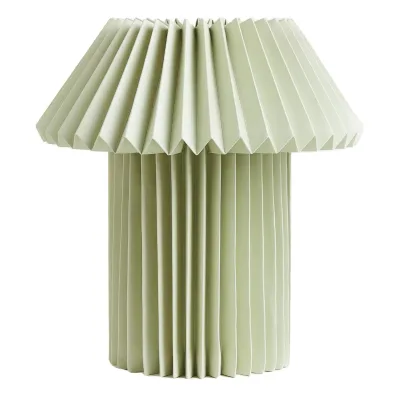
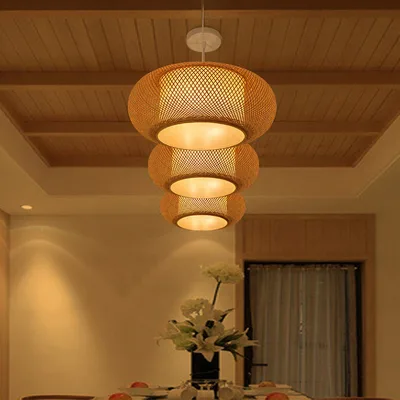
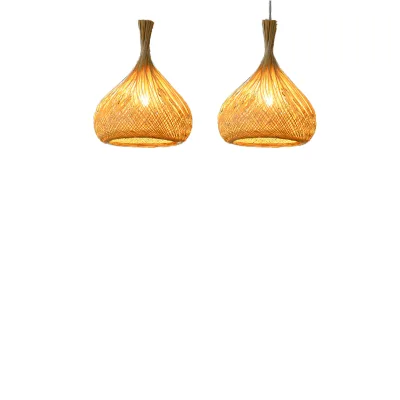
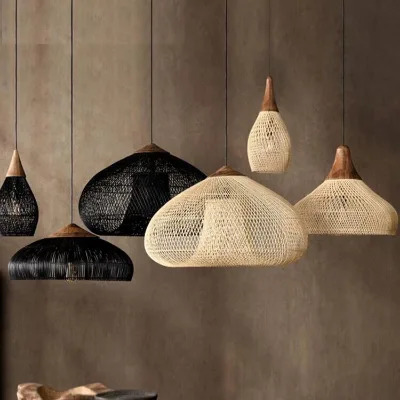
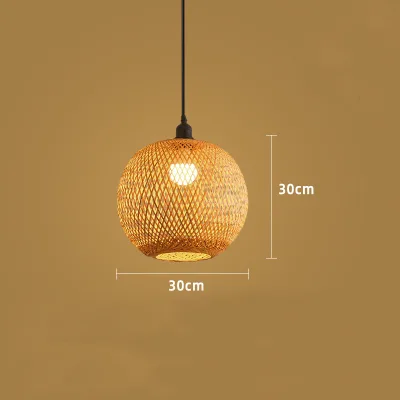
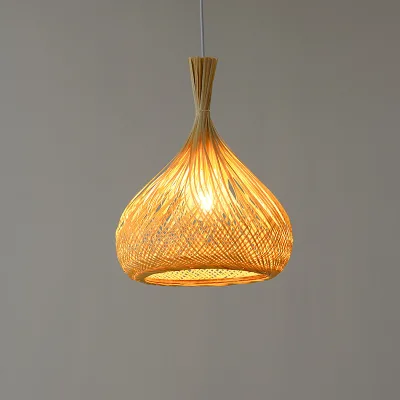
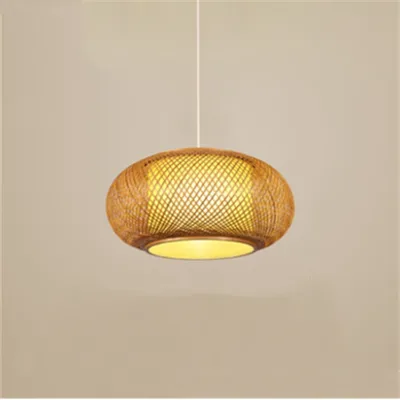
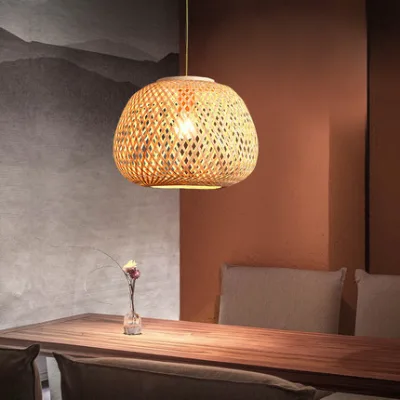
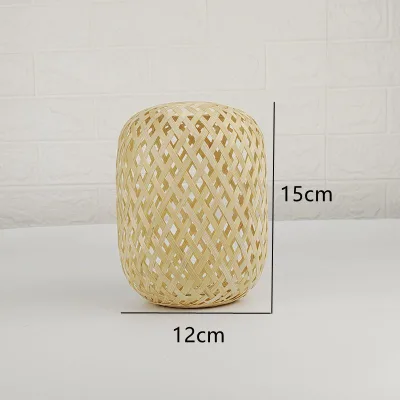
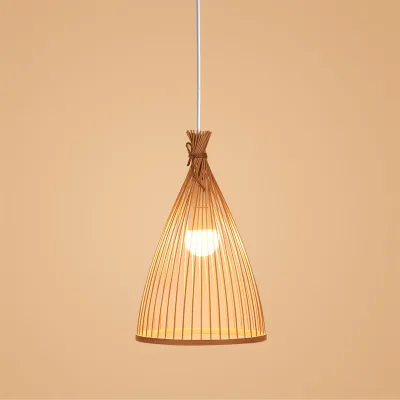
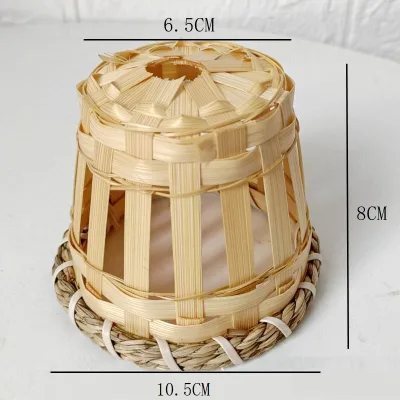
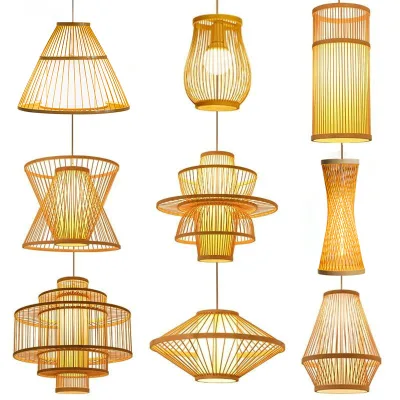


Whloesale MID-Century Bamboo Lampshade Bamboo Pendant Light Woven Hanging Lampshade
$24.00 - $30.00
MOQ: 500 Pieces


Hand Woven Bamboo Lantern Pendant Lamp, Retro Japanese Style Chandelier Hanging
$18.90 - $23.71
MOQ: 500 Pieces


Comprehensive Sourcing Guide
Strategic Sourcing Guide for Handmade Japanese Bamboo Lampshades
Understanding Product Specifications and Material Composition
When sourcing handmade Japanese bamboo lampshades, buyers must first distinguish between the specific material attributes and construction techniques that define this category. The core product is often described as a "Bamboo Chandelier Lampshade" or "Japanese Chandelier Lampshade," characterized by a distinct "Rustic" or "Japanese" design style. The primary material is consistently identified as "Bamboo," with specific variations including "Bamboo Woven" and "Bamboo weaving" techniques. In some instances, the product may also incorporate "Rattan Natural" or "Bamboo Woven" elements, creating a textured, organic aesthetic suitable for decorative indoor lighting.
The physical dimensions of these lampshades vary significantly based on the intended application and model number. Observed specifications indicate a range of body colors and sizes, such as "4020cm, 5023cm, 6026cm" or "4035cm, 80*51cm." Specific models, such as "mijin235" or "mijin231," correspond to distinct package dimensions, with single package sizes ranging from "35X35X20 cm" to "60X60X60 cm." This variance in packaging size directly impacts shipping logistics and cost calculations. The gross weight of individual units also fluctuates, with observed values ranging from "1.0 kg" for smaller paper-based variants to "26.150 kg" for larger, more complex bamboo chandelier structures.
Buyers should note that while the core keyword emphasizes bamboo, some listings in this category may include "Handmade Rice Paper Lampshade" products with a "pear" shape and "Modern" design style. These items, often featuring "pink/white/brown/colors," serve a similar decorative function but differ materially from the bamboo variants. A precise specification sheet is essential to ensure the supplier delivers the exact material composition required, as the distinction between "paper," "bamboo," and "rattan" significantly affects the product's durability, light transmittance, and aesthetic profile.
Technical Performance and Design Characteristics
The technical performance of handmade Japanese bamboo lampshades is defined by their light transmittance and structural integrity. A key feature observed in high-quality listings is "High Light Transmittance," which allows the natural texture of the bamboo to create a warm, diffused glow. This is particularly important for applications in "Home," "Hotel," and "Restaurant" settings where ambiance is a primary design driver. The design style is typically categorized as "Japanese," "Rustic," or "Retro Wind," offering a natural, earthy look that complements minimalist or traditional interior schemes.
The shape of the lampshade is another critical technical specification. While the "pear" shape is common for rice paper variants, bamboo chandeliers often feature cylindrical or drum-like structures with specific body color dimensions like "32*39cm." The "Body Color" is often listed as "White" or natural bamboo tones, but custom color options such as "pink/white/brown" may be available depending on the manufacturer's capabilities. The "Function" of these products is explicitly "Home Hotel Indoor Lighting Decorative," indicating their role as a primary lighting accessory rather than a utilitarian fixture.
Furthermore, the "Usage" is consistently noted as "Lighting Accessary" or "Home Lighting Decoration." This distinction is vital for procurement teams to understand the product's integration into larger lighting systems. The "Design Style" influences the mounting requirements and the type of bulb used; for instance, a "Retro Wind" style may require specific bulb shapes to maintain the intended aesthetic. Buyers must verify that the "Single gross weight" and "Single package size" align with their logistical capabilities, as heavier units like those weighing "22.150 kg" or "18.550 kg" require specialized handling and freight arrangements.
Cost Drivers and Pricing Dynamics
The pricing of handmade Japanese bamboo lampshades is influenced by several interconnected factors, including material scarcity, labor intensity, and logistical complexity. The observed price range in the market spans from $0.03 to $111.59 USD, a wide disparity that reflects differences in scale, material quality, and craftsmanship. Smaller, simpler units or those made from rice paper may fall at the lower end of this spectrum, while large, intricately woven bamboo chandeliers with custom dimensions command premium prices.
Labor is a primary cost driver in this category. The "Handmade" designation implies a significant investment in skilled artisan time, which directly correlates with the unit price. Products with complex weaving patterns or unique shapes, such as the "pear" shape or specific "Rustic" designs, require more hours of manual labor compared to mass-produced alternatives. Additionally, the "Main material" cost varies; while bamboo is generally abundant, high-grade, sustainably sourced bamboo or mixed materials like "Rattan Natural" can increase the base cost.
Logistics also play a substantial role in the final landed cost. The "Single package size" and "Single gross weight" are critical variables. For example, a unit with a package size of "60X60X60 cm" and a weight of "26.150 kg" incurs significantly higher shipping costs than a compact "35X35X20 cm" unit weighing "1.0 kg." Buyers must account for volumetric weight charges, which often apply to large, lightweight items like lampshades. Furthermore, the "Lead Time" of "30 days" suggests that production schedules can impact cash flow and inventory planning, potentially adding a cost premium for expedited orders.
Compliance, Certification, and Regulatory Verification
When sourcing from regions like "Guangdong, China" or "Guangxi, China," buyers must rigorously verify compliance with international safety and environmental standards. While specific certification statuses such as "ROHS" or "FSC" are mentioned in background contexts, they should not be assumed as guaranteed attributes for every listed product without explicit verification. Buyers must request current, valid certificates from the supplier to ensure the product meets the regulatory requirements of the destination market.
For electrical lighting products, compliance with safety standards is non-negotiable. In many jurisdictions, lampshades must meet specific fire safety ratings and electrical insulation requirements. Buyers should verify that the "Material" used, whether "Bamboo," "Rattan," or "Paper," has been treated to resist flammability and does not emit harmful substances. The "Warranty(Year)" of "3-Year" offered by some suppliers indicates a confidence in product durability, but this warranty should be backed by clear terms regarding material degradation and structural failure.
Environmental certifications, such as "FSC" (Forest Stewardship Council), are increasingly important for buyers targeting eco-conscious markets. While "ISO 9001" is a recognized standard for quality management, its presence should be confirmed through documentation rather than assumed. Buyers should explicitly ask suppliers to provide copies of all relevant certifications and ensure that the "Place of Origin" aligns with the claimed sustainability practices. Without these verifications, there is a risk of non-compliance with import regulations or consumer protection laws in the target market.
Supplier Evaluation and Procurement Terms
Evaluating suppliers for handmade Japanese bamboo lampshades requires a focus on their production capabilities, consistency, and commercial terms. The "MOQ" (Minimum Order Quantity) is a critical factor, with observed ranges from "2" to "1000" units. A "MOQ" of "100pcs" is a common threshold for many suppliers, balancing the need for cost-effective production runs with the flexibility for smaller buyers. Buyers must negotiate this figure based on their inventory needs and cash flow constraints.
Payment terms are another essential aspect of supplier evaluation. The standard term observed is "30% Desposite," which is typical for custom or handmade goods. This deposit structure protects the supplier against material costs while providing the buyer with a commitment to the order. Buyers should ensure that the remaining balance is payable upon shipment or inspection to mitigate financial risk. Additionally, the "Lead Time" of "30 days" must be factored into the procurement timeline, especially for time-sensitive projects like hotel renovations or seasonal retail launches.
Supplier reliability can be assessed by examining their "Packing" standards. "Standard Export-packing" is a baseline requirement to prevent damage during transit, but buyers should request detailed photos of the packaging process, especially for fragile items like woven bamboo. The "Brand Name" and "Model Number" (e.g., "mijin235") provide traceability, allowing buyers to track specific production batches. Buyers should avoid suppliers who cannot provide clear model numbers or who offer vague product descriptions, as this often indicates a lack of quality control.
Quality Control and Long-Term Procurement Strategy
Implementing a robust quality control (QC) strategy is essential for maintaining the integrity of handmade bamboo lampshades. Given the manual nature of the production process, inconsistencies in weaving density, color variation, and structural stability are potential risks. Buyers should establish clear acceptance criteria based on the "Design Style" and "Material" specifications. For instance, the "High Light Transmittance" feature must be verified to ensure the bamboo is not overly thick or treated with opaque coatings that diminish the desired aesthetic.
Inspection protocols should include checks for "Single gross weight" consistency, as deviations may indicate the use of inferior materials or incomplete assembly. The "Body Color" and "Shape" must match the approved samples exactly, as even minor discrepancies can affect the final installation look. For large orders, conducting a pre-shipment inspection is highly recommended to identify any defects before the goods leave the "Place of Origin."
Long-term procurement considerations involve building a sustainable supply chain. Buyers should prioritize suppliers who demonstrate a commitment to consistent quality and reliable "Lead Time" adherence. The "Warranty(Year)" of "3-Year" suggests a potential for long-term partnerships, but buyers must ensure that the warranty covers specific failure modes, such as bamboo cracking or finish peeling. Additionally, maintaining open communication regarding design updates and material availability will help mitigate supply chain disruptions. By focusing on these strategic elements, buyers can secure a steady supply of high-quality handmade Japanese bamboo lampshades that meet both aesthetic and functional requirements.
Comparative Analysis of Product Variants
To facilitate informed decision-making, buyers should compare the key attributes of different lampshade variants available in the market. The following table summarizes the observed differences in material, dimensions, and weight across common product types.
| Product Variant | Material | Design Style | Typical Package Size | Gross Weight | Key Feature |
|---|---|---|---|---|---|
| Bamboo Chandelier | Bamboo Woven | Japanese / Rustic | 60X60X40 cm | 26.150 kg | High Light Transmittance |
| Rattan Woven Lampshade | Rattan Natural | Rustic | 60X60X60 cm | 22.150 kg | Natural Texture |
| Handmade Rice Paper | Paper | Modern / Pear | 36X36X40 cm | 1.0 kg | Soft Diffusion |
| Bamboo Chandelier (Retro) | Bamboo Weaving | Retro Wind | 35X35X20 cm | 3.6 kg | Compact Design |
This comparison highlights that while all variants serve a decorative lighting function, their physical characteristics dictate different logistical and application requirements. Larger, heavier units like the "Bamboo Chandelier" require robust freight solutions, whereas lighter "Rice Paper" options are more suitable for standard shipping. Buyers must align their selection with their specific project needs, ensuring that the chosen variant meets the desired aesthetic and functional criteria.
FAQs
What is the typical lead time for handmade Japanese bamboo lampshades?
The standard lead time is 30 days for production and delivery. This duration applies to most orders regardless of the specific design style or material variation, such as bamboo weaving or rattan natural, ensuring consistent scheduling for buyers.
Which payment terms are commonly required for these lampshades?
Buyers typically need to provide a 30% deposit before production begins. This deposit secures the order and covers initial material costs, with the balance usually due upon shipment completion to finalize the transaction.
How large are the single package sizes for these lampshades?
Package dimensions vary significantly based on the model, ranging from 35x35x20 cm to 60x60x60 cm. Larger bamboo chandeliers require more voluminous packaging compared to smaller paper or woven variants to ensure safe transit.
Can buyers find lampshades with a specific minimum order quantity?
Yes, many suppliers set a minimum order quantity of 100 pieces for standard orders. However, some vendors may accept smaller quantities starting from 2 units, depending on the specific product type and customization requirements.
What materials are primarily used for these handmade lampshades?
The primary materials include bamboo, rattan natural, and handmade rice paper. Specific products may feature bamboo weaving or rattan construction, offering different textures and light transmittance properties for various interior design styles.
Where are these lampshades typically manufactured?
These products are primarily manufactured in Guangdong and Guangxi, China. Buyers should verify the specific place of origin for each supplier to ensure alignment with their logistical preferences and regional sourcing strategies.
What warranty periods are available for these lighting products?
Some suppliers offer a 3-year warranty for their handmade lampshades. This coverage typically applies to structural integrity and material durability, providing buyers with assurance against premature failure or defects in the bamboo or paper components.