Source Signal Converters for Power, Audio, and Instrumentation
Source 30 Signal Converter models from Shenzhen suppliers. Compare DIN rail and PCB-mounted options with 3000VDC isolation. Evaluate inputs like 0-5V and outputs like 4-20mA for power, electronic, and lighting applications; compare the available evidence and request quotations based on your requirements.
Updated
Key considerations
Products List





Comprehensive Sourcing Guide
Signal Converter Sourcing Guide
Procuring signal converters requires a precise understanding of isolation requirements and signal integrity needs. These devices are critical for protecting sensitive instrumentation from high-voltage transients while ensuring accurate data transmission across industrial networks. Buyers must evaluate whether the application demands frequency-to-voltage conversion, current-to-voltage transformation, or analog isolation amplification. The selection process hinges on matching the input signal type, such as 0-5V or 4-20mA, with the appropriate output range to maintain system accuracy.
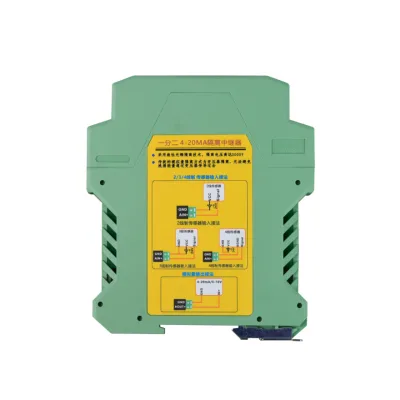
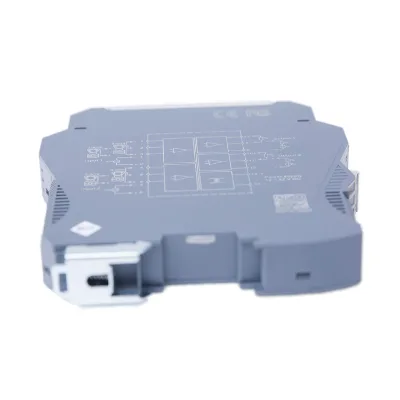
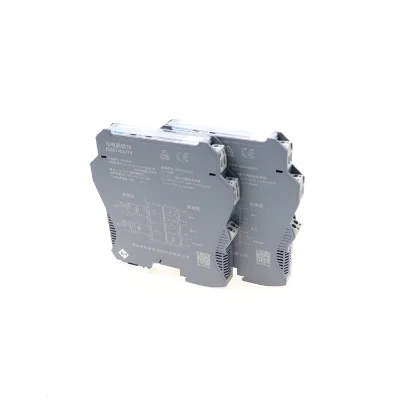
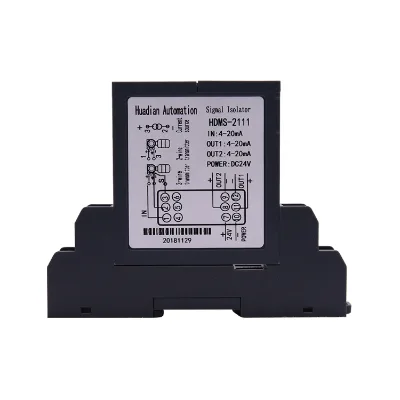
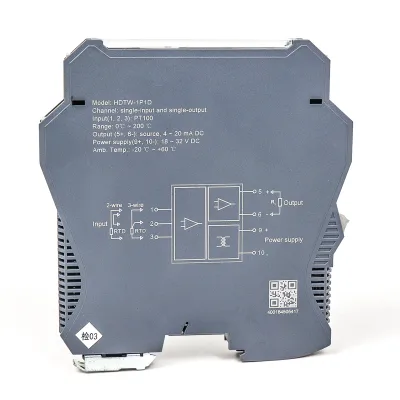
The market offers various form factors, including PCB-mounted and DIN rail-mounted options, which dictate installation flexibility and space constraints. Understanding the physical package, such as SIP12pin or color box packaging, is essential for integration into existing control panels. Buyers should also consider the auxiliary power supply requirements, which typically range from 5V to 24VDC, to ensure compatibility with the plant’s power infrastructure. Proper selection prevents signal degradation and ensures long-term reliability in harsh industrial environments.
Product Scope and Observed Listing Signals
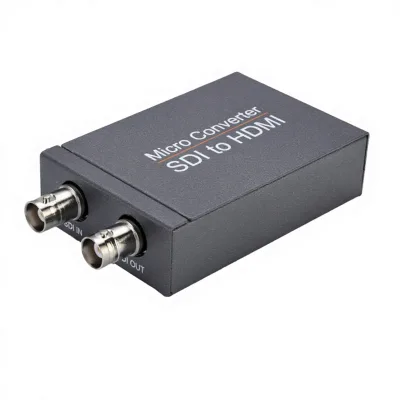
The observed product range includes frequency input isolated signal converters, analog isolation amplifiers for voltage measurement, and current-to-voltage signal converters. These items are designed for applications in power systems, electronic instruments, lighting control, rectifiers, and audio equipment. The listings indicate a focus on linear mathematical models with open-loop structures, providing continuous signal processing capabilities. Buyers will find options supporting input frequencies from 0-1kHz up to 0-10kHz, catering to diverse monitoring and measurement needs.
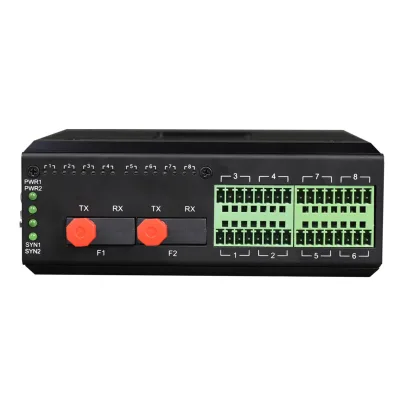
Output capabilities are extensive, covering voltage ranges like 0-5V, 0-10V, and 1-5V, as well as current outputs such as 0-20mA and 4-20mA. Some models support specialized outputs like 0-75mV or fiber optic signals, indicating versatility in complex industrial setups. The products are described as new and customized, with precision levels available at 0.1, 0.2, and 0.5 grades. This variety allows procurement teams to select components that precisely match their specific automation and protection requirements without compromising on accuracy.
Technical Specifications to Verify
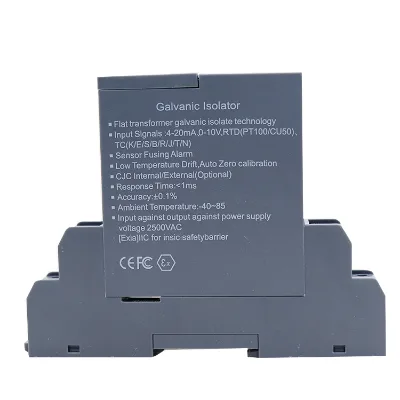
Isolation voltage is a critical parameter, with observed specifications citing 3000VDC or 3KVDC isolation methods using photoelectricity technology. Buyers must verify that the isolation barrier meets the safety requirements of their specific electrical environment to prevent ground loops and protect downstream equipment. The auxiliary power supply options, including 5V, 12V, 15V, and 24VDC, must be confirmed against the available plant power sources. Additionally, the industrial temperature range of -40°C to +85°C ensures operation in extreme conditions, which is vital for outdoor or uncontrolled industrial settings.
Input and output signal ranges must be cross-referenced with the sensor and actuator specifications to ensure compatibility. For instance, inputs may accept 0-5V, 0-10V, 1-5V, or current signals like 0-10mA, 0-20mA, and 4-20mA. Outputs can be configured for corresponding voltage or current signals, including -20-20mA for bidirectional applications. Buyers should also check the package methods, whether PCB-mounted or DIN rail mounted, to ensure physical integration is feasible. Verifying these technical details prevents costly redesigns and ensures seamless system integration.
Compliance and Safety Documentation
Certification status is a key indicator of product quality and regulatory compliance. Observed listings mention ISO9001-2000, ISO9001:2008, CE, and RoHS certifications, which are essential for market access in many regions. Buyers should request valid certificates to verify that the manufacturer adheres to recognized quality management systems and environmental standards. The presence of CE marking indicates conformity with health, safety, and environmental protection standards for products sold within the European Economic Area.
RoHS compliance ensures that the signal converters are manufactured without certain hazardous substances, which is increasingly important for global supply chains. Buyers must confirm that the documentation provided matches the specific model numbers being ordered, as certifications may vary across product lines. Additionally, verifying the origin of the products, such as Shenzhen, Guangdong, China, helps in assessing logistics and potential trade regulations. Ensuring proper documentation is in place before ordering mitigates risks related to customs clearance and regulatory audits.
Cost Drivers and Commercial Terms
Pricing for signal converters varies based on specifications, customization options, and order volume. Observed price ranges span from $2.38 to $290, reflecting differences in precision, isolation voltage, and output complexity. Minimum order quantities (MOQ) typically range from 1 to 10 units, offering flexibility for both prototyping and bulk procurement. Buyers should negotiate terms that account for volume discounts, especially for standardized models with high demand. Understanding the cost structure helps in budgeting for large-scale industrial projects.
Customization availability is a significant factor influencing cost and lead times. While standard models are readily available, custom configurations may require additional engineering time and testing. Buyers should clarify whether customization affects the MOQ or pricing structure. Packaging options, such as color boxes, plastic tubes, or gift boxes, may also impact shipping costs and handling requirements. Clear communication regarding commercial terms ensures that the total cost of ownership is accurately assessed, including any hidden fees for special packaging or expedited shipping.
Supplier Qualification and Quality Control
Supplier qualification involves verifying the manufacturer’s production capabilities and quality control processes. The brand Sunyuan Sz is observed in the listings, indicating a specific manufacturer presence. Buyers should assess the supplier’s ability to maintain consistent quality across batches, especially for customized orders. Checking for ISO9001 certification provides assurance that the supplier follows standardized quality management practices. Additionally, verifying the supplier’s experience in producing signal converters for industrial applications adds confidence in their technical expertise.
Quality control measures should include incoming material inspections, in-process testing, and final product verification. Buyers should inquire about the testing procedures used to validate isolation voltage and signal accuracy. Requesting sample units for testing before placing large orders is a prudent step to ensure product performance meets expectations. Establishing a clear communication channel with the supplier for technical support and issue resolution is also crucial. A reliable supplier relationship ensures timely delivery and effective handling of any post-sales concerns.
Long-Term Procurement Checks
Long-term procurement success depends on monitoring product performance and supplier reliability over time. Buyers should track key performance indicators such as defect rates, delivery times, and responsiveness to technical queries. Regular audits of the supplier’s quality management system can help identify potential issues before they impact production. Maintaining a diverse supplier base reduces dependency on a single source and mitigates supply chain risks. Continuous evaluation ensures that the procurement strategy remains aligned with evolving business needs.
Staying updated on industry standards and technological advancements is essential for future-proofing procurement decisions. As industrial automation evolves, signal converters may require new features or higher precision levels. Buyers should engage with suppliers to discuss upcoming product developments and potential upgrades. Building a collaborative relationship with suppliers fosters innovation and ensures access to the latest technologies. Regular review of procurement contracts and performance metrics helps in optimizing costs and maintaining high standards of quality and service.
FAQs
What input and output signals do these converters support?
These signal converters support versatile input and output configurations. Inputs include 0-5V, 0-10V, 4-20mA, and frequency ranges up to 10kHz. Outputs can be 0-5V, 0-10V, 0-20mA, or 4-20mA. This flexibility allows seamless integration into various electronic and instrumentation systems for accurate data transmission.
How is electrical isolation achieved in these devices?
Electrical isolation is achieved through photoelectricity isolation technology. The devices provide a robust 3000VDC isolation voltage, ensuring safe signal transmission between different potential circuits. This method effectively prevents noise interference and protects sensitive equipment, making them suitable for demanding industrial applications requiring high reliability.
Can these signal converters be customized for specific needs?
Yes, customization is available for these signal converters. Buyers can request specific configurations to match unique application requirements. The products are designed to accommodate various industrial temperature ranges from -40 to +85 degrees Celsius. This adaptability ensures reliable performance across diverse environmental conditions and specialized operational scenarios.
What certifications do these signal converters hold?
These signal converters hold ISO9001:2008, CE, and RoHS certifications. The manufacturer also adheres to ISO9001-2000 standards. These certifications confirm compliance with international quality and safety regulations. Buyers can trust the products for use in regulated markets, ensuring that the signal converters meet strict environmental and manufacturing quality benchmarks.
What packaging options are available for these converters?
Multiple packaging options are available for these converters. Standard methods include SIP12pin packages, PCB-mounted, and DIN rail mounted configurations. For shipping, products use color boxes, plastic tubes, and carton boxes. Some items may also come in gift boxes. These options ensure safe handling and convenient installation for various industrial setups.
Where are these signal converters manufactured?
These signal converters are manufactured in Shenzhen, Guangdong, China. The brand Sunyuan Sz produces these devices with a focus on quality and precision. The origin indicates access to a robust electronics manufacturing ecosystem. Buyers sourcing from this location benefit from established supply chains and competitive production capabilities for industrial signal conversion components.