Source Waved Compression Springs for Automobiles
Find 30 Waved Compression Springs for Automobiles tailored for automotive suspension and industrial buffer applications. Compare OEM options from China with customizable wire diameters, load capacities, and materials like carbon steel and stainless steel to meet specific engineering requirements; compare the available evidence and request quotations based on your requirements.
Updated
Key considerations
Products List


$0.02 - $100.00
MOQ: 1 Pieces


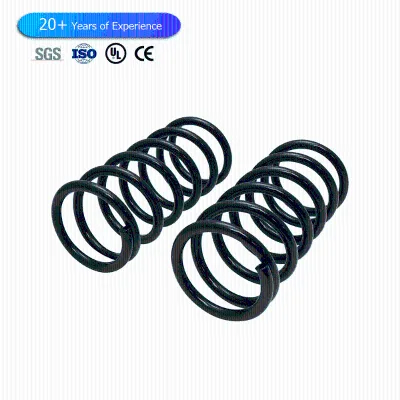
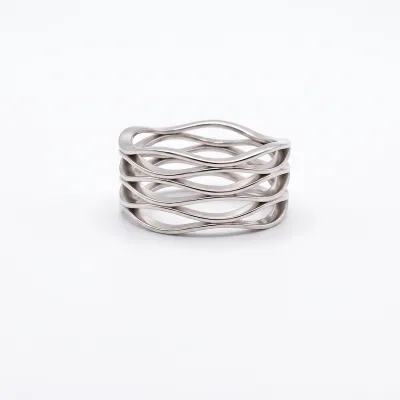
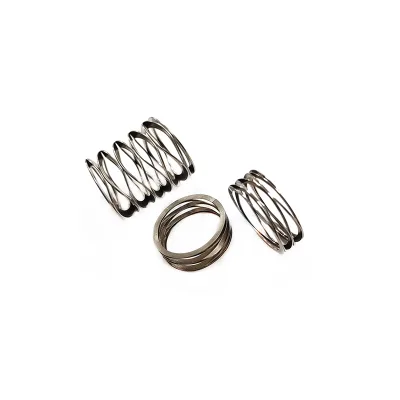
Custom Stainless Steel Compression Spring for Automobile Brake Spring Toy Car Springs
$3.2912 - $3.5994
MOQ: 50 pieces
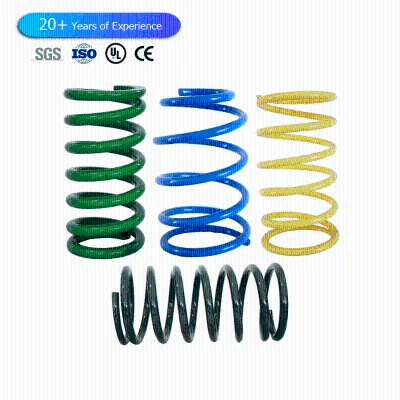
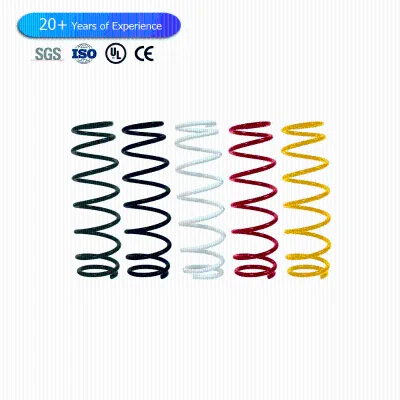
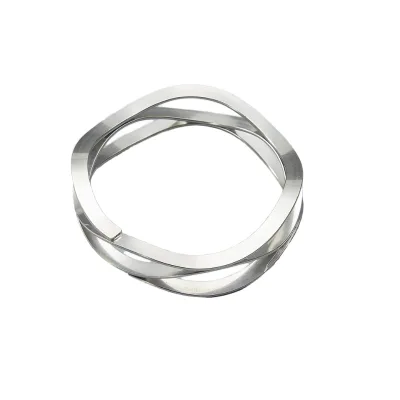
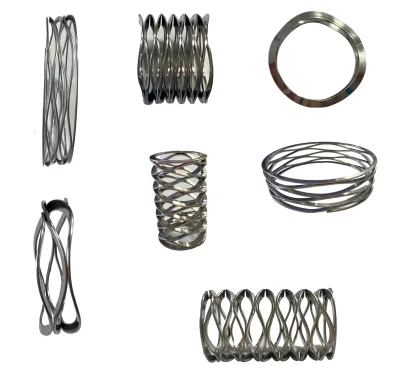
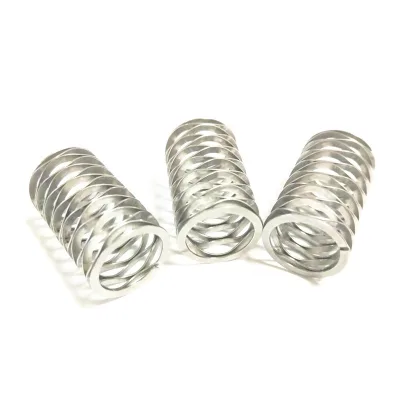
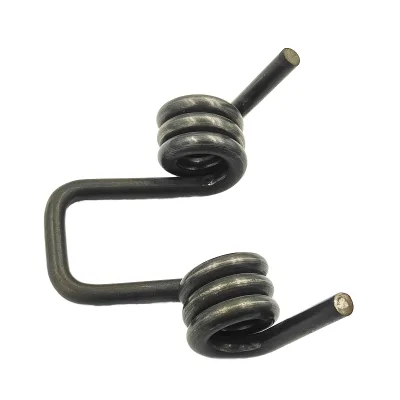


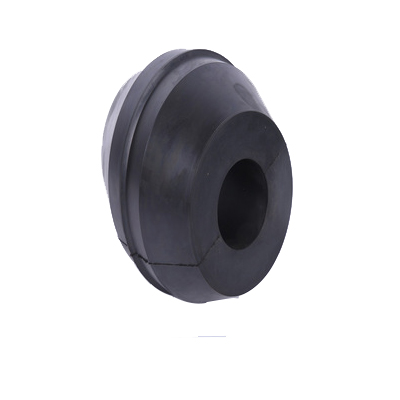
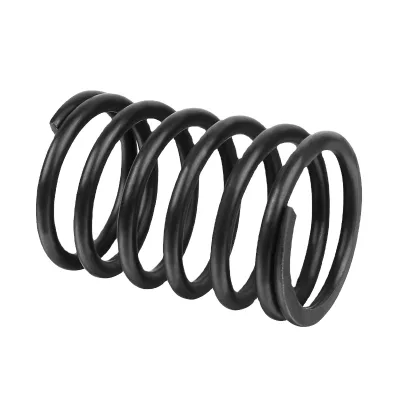

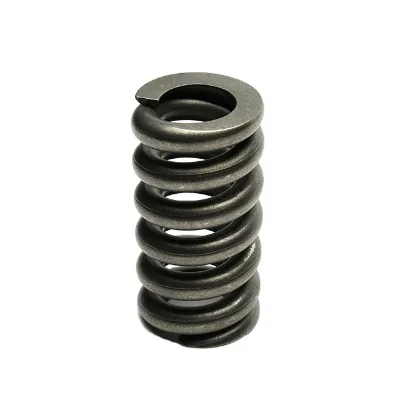
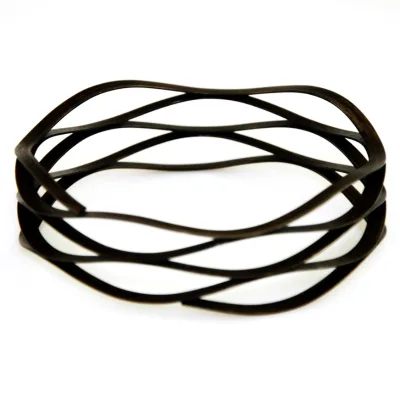
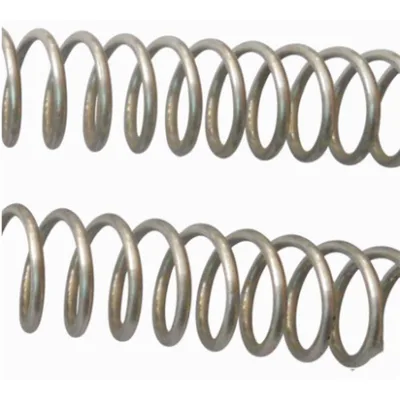
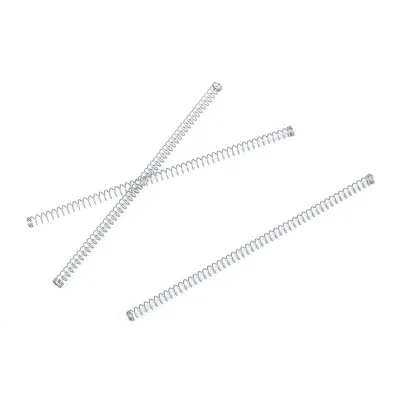
Hot Sale Steel Material Compression Car Coils Springs for Automatic Equipment
$0.5042 - $0.5146
MOQ: 100 pieces


Comprehensive Sourcing Guide
Waved Compression Springs for Automobiles Sourcing Guide
Procuring waved compression springs for automotive applications requires a nuanced understanding of both mechanical performance and supply chain reliability. These specialized components are critical for managing dynamic loads in suspension systems, where consistent force delivery and space efficiency are paramount. Buyers must recognize that while the core function remains load-bearing, the waved design offers distinct advantages in terms of variable rate characteristics and compact packaging. This guide outlines the essential verification steps needed to ensure that sourced springs meet the rigorous demands of modern vehicle engineering.
The automotive sector demands high precision and durability, making it imperative to align supplier capabilities with specific OEM requirements. Sourcing decisions should be driven by a clear definition of operational parameters, including load capacity, deflection limits, and environmental exposure. By focusing on verified technical attributes and established manufacturing processes, procurement teams can mitigate risks associated with premature failure or non-compliance. This approach ensures that the selected components contribute positively to vehicle safety, performance, and longevity without introducing unnecessary variability into the supply chain.
Product Scope and Observed Listing Signals
Market listings for waved compression springs often highlight a wide range of customization options, including material types such as carbon steel, stainless steel, and other metal alloys. Buyers should observe that product attributes frequently mention specific car makes, such as Chevrolet, indicating a focus on automotive replacement and original equipment markets. The observed data suggests that springs are available in various configurations, with some listings specifying heavy-duty coil designs or specific model numbers like 78 or YP-A1-032. This variability underscores the need for precise specification matching rather than relying on generic product descriptions.
Further analysis of listing signals reveals that production origins are primarily located in regions like Tangshan, Jiangxi, and Guangdong in China, with some suppliers offering neutral packing or custom-made solutions. Attributes such as "OEM: Yes" and "Customization: Available" are common, suggesting that many manufacturers are equipped to handle bespoke orders. However, buyers must verify these claims against actual production capabilities, as the presence of customization options does not guarantee immediate availability for all requested specifications. Understanding these market signals helps in identifying suppliers who can meet specific automotive standards and delivery timelines.
Technical Specifications to Verify
When evaluating waved compression springs, it is crucial to verify key technical specifications such as wire diameter, coil outer diameter, and load capacity. Observed data indicates that wire diameters can range from 23 to 16 gauge, while coil outer diameters may vary from 0.03mm to 20mm depending on the application. Load capacities are also diverse, with listings showing values such as 90 lb, 100 lb, and 44 lb, among others. Buyers must ensure that the selected springs can withstand the expected operational loads without exceeding their elastic limits, which could lead to permanent deformation or failure.
Additionally, the helical direction of the springs, whether left-hand or right-hand, must be confirmed to match the assembly requirements. The production process, often cited as hot roll, influences the material's grain structure and overall strength, making it a critical factor in performance verification. Buyers should also check for specific model numbers and standard dimensions, such as 17mm, to ensure compatibility with existing vehicle components. Verifying these details with the supplier before placing an order is essential to avoid mismatches that could compromise vehicle safety and functionality.
Compliance and Safety Documentation
Compliance with international standards is vital for automotive components, and buyers should request documentation confirming adherence to relevant certifications. Observed listings mention ISO certifications, which are critical for ensuring that manufacturing processes meet quality management requirements. Buyers must verify that the supplier holds valid ISO certificates and that these certifications cover the specific production lines used for waved compression springs. This verification helps ensure that the components are produced under controlled conditions, reducing the risk of defects and ensuring consistent quality across batches.
Safety documentation should also include test results and material certifications, which provide evidence of the springs' performance under various conditions. Buyers should inquire about the testing protocols used to validate load capacity and durability, ensuring that these tests align with automotive industry standards. Additionally, it is important to confirm that the materials used, such as carbon or stainless steel, meet the required chemical and mechanical properties. By demanding comprehensive compliance documentation, buyers can mitigate risks associated with non-compliant products and ensure that the springs meet all regulatory and safety requirements.
Cost Drivers and Commercial Terms
The cost of waved compression springs is influenced by several factors, including material type, customization level, and order quantity. Observed data shows a wide price range, from $0.02 to $200, reflecting the diversity in product specifications and supplier pricing strategies. Buyers should consider that higher customization levels, such as specific wire gauges or unique load capacities, may incur additional costs. Understanding these cost drivers helps in budgeting accurately and negotiating favorable terms with suppliers, ensuring that the procurement process remains cost-effective without compromising on quality.
Minimum order quantities (MOQs) also play a significant role in commercial terms, with observed ranges extending from 1 to 10,000,000 units. Buyers must align their order volumes with supplier MOQs to avoid excessive inventory costs or production delays. Additionally, payment terms and lead times should be clearly defined in the contract to manage cash flow and production schedules effectively. By carefully evaluating these commercial aspects, buyers can establish sustainable procurement practices that balance cost efficiency with supply chain reliability, ensuring timely delivery of high-quality springs.
Supplier Qualification and Quality Control
Supplier qualification is a critical step in the sourcing process, requiring a thorough assessment of manufacturing capabilities and quality control systems. Buyers should verify that suppliers have established production processes, such as hot roll forming, and that these processes are consistently applied to maintain product uniformity. Observing supplier certifications and past performance records can provide insights into their reliability and commitment to quality. Additionally, buyers should request samples for testing to validate that the springs meet the specified technical requirements before committing to larger orders.
Quality control measures should include regular inspections and testing throughout the production process to identify and rectify any defects early. Buyers should inquire about the supplier's quality management practices, including how they handle non-conforming products and ensure traceability. Establishing clear communication channels with suppliers for ongoing quality feedback is also essential for maintaining high standards. By prioritizing supplier qualification and robust quality control, buyers can ensure that the waved compression springs they procure meet the stringent demands of automotive applications.
Long-Term Procurement Checks
Long-term procurement success depends on continuous monitoring of supplier performance and product quality. Buyers should establish key performance indicators (KPIs) to track metrics such as delivery times, defect rates, and responsiveness to issues. Regular audits and reviews of supplier operations can help identify potential risks and areas for improvement, ensuring that the supply chain remains resilient and efficient. By maintaining a proactive approach to supplier management, buyers can foster strong partnerships that support long-term procurement goals and drive continuous improvement in product quality.
Additionally, buyers should stay informed about industry trends and technological advancements that may impact the sourcing of waved compression springs. This includes monitoring changes in material availability, manufacturing techniques, and regulatory requirements. By adapting to these changes and updating procurement strategies accordingly, buyers can ensure that their sourcing practices remain competitive and aligned with evolving market demands. Continuous evaluation and adjustment of procurement processes are essential for maintaining a reliable supply of high-quality springs that meet the needs of automotive applications.
FAQs
What materials are used for waved compression springs?
These springs are manufactured from carbon steel, stainless steel, and general metal materials. The specific material selection depends on the required load capacity and environmental conditions. Customizable material options are available to meet specific industrial or automotive application needs.
Can these springs be customized for specific car makes?
Yes, customization is available for various applications including Chevrolet vehicles. Buyers can request custom sizes, wire gauges, and load capacities. The production process supports hot roll techniques to ensure the springs meet precise OEM specifications and functional requirements.
What certifications do these compression springs hold?
The products hold ISO certifications, ensuring quality and reliability for industrial use. These standards verify the manufacturing process and material integrity. Buyers seeking compliant components for automotive or furniture applications can rely on these documented quality assurances for their sourcing decisions.
What is the typical packaging for these springs?
Packaging options include neutral packing and custom-made solutions. This flexibility allows buyers to choose standard or branded packaging based on their distribution needs. The single package size is approximately 20x15x15 cm, facilitating efficient storage and shipping logistics for bulk orders.
Where are these springs manufactured?
Manufacturing origins include Tangshan, Jiangxi, and Guangdong in China. Different production sites may offer varying capabilities for specific spring types. Buyers can select suppliers based on geographic preferences or specific factory expertise to ensure timely delivery and consistent quality for their projects.
What load capacities are available for these springs?
Available load capacities range from 7 lb to 100 lb, with options like 20 lb, 25 lb, and 50 lb. Customizable load capacities are also offered for specialized applications. This wide range supports diverse uses in automobiles, motorcycles, and home appliances requiring precise force control.