Source Silicone Hallux Valgus Bunion Corrector for Pain Relief, Protection, and Correction
Compare 30 listings of Silicone Hallux Valgus Bunion Corrector products from verified suppliers. Buyers can evaluate materials like SEBS and Nylon, check certifications such as CE and ISO, and review MOQs ranging from 1 to 500 units for foot pain relief and protection needs.
Key considerations
Products List


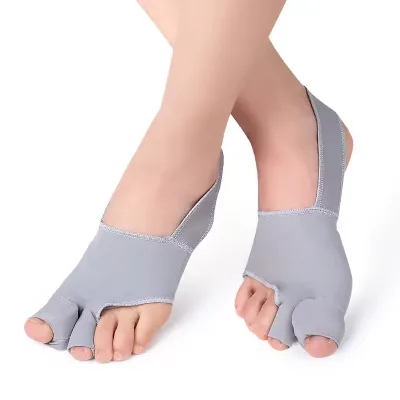
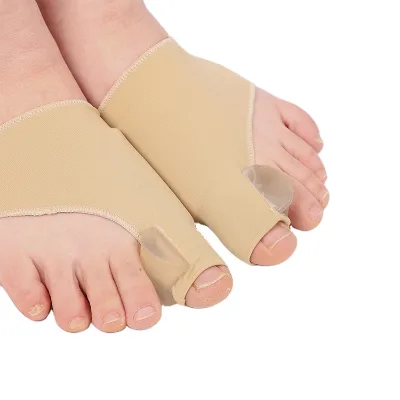
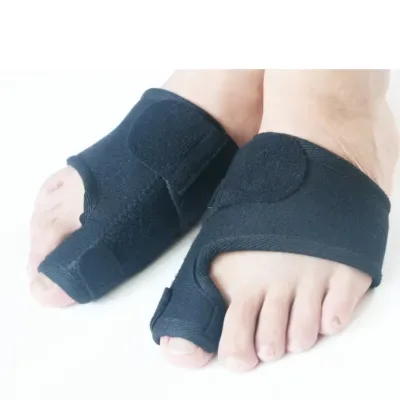
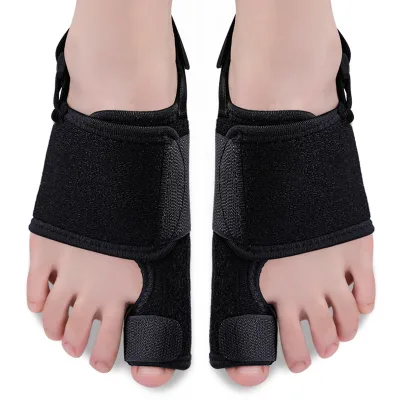
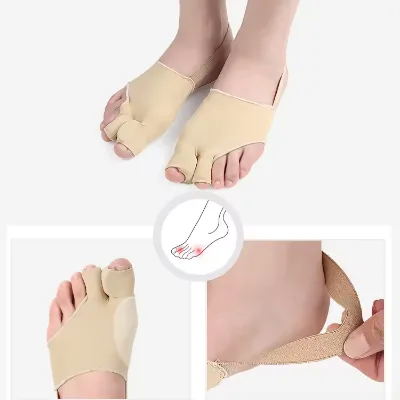
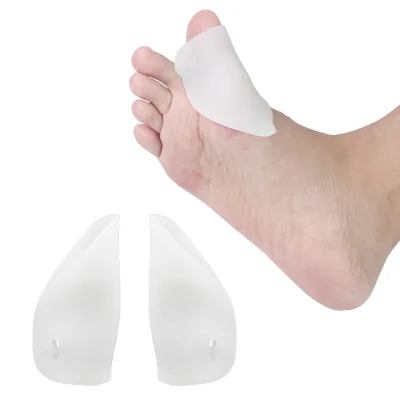
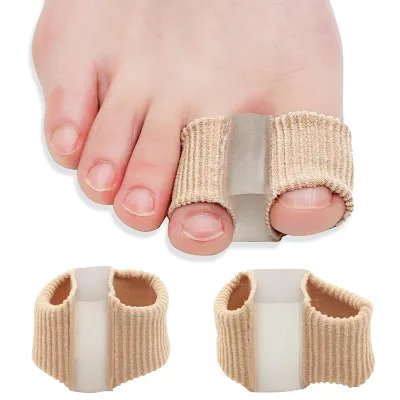
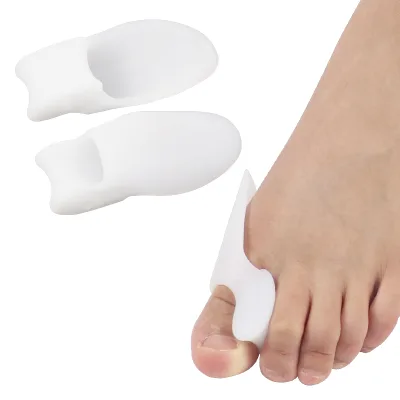
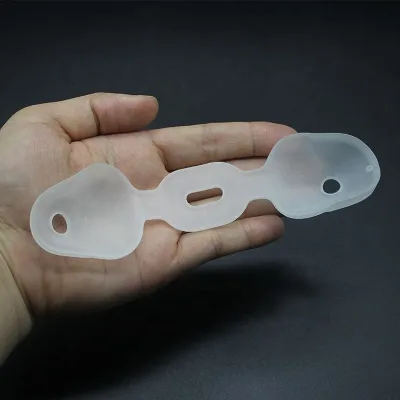
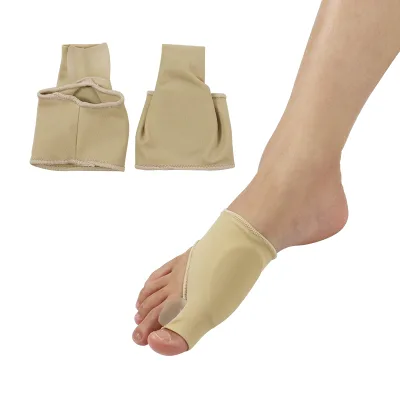
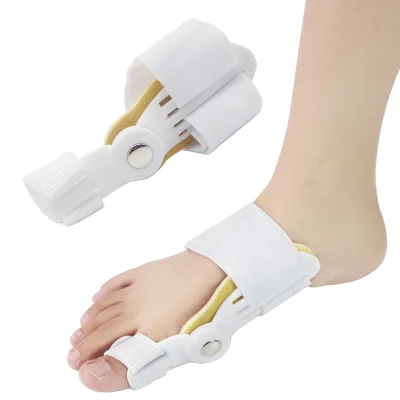


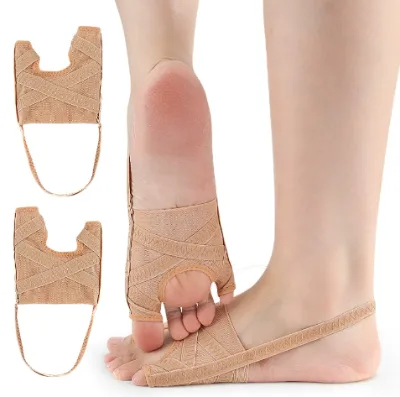
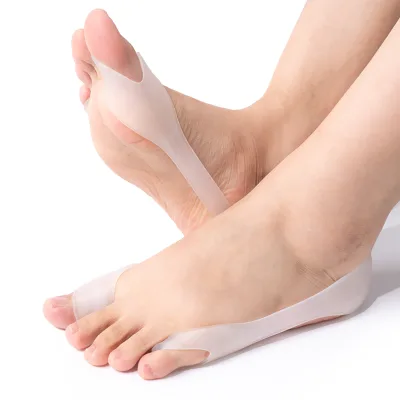
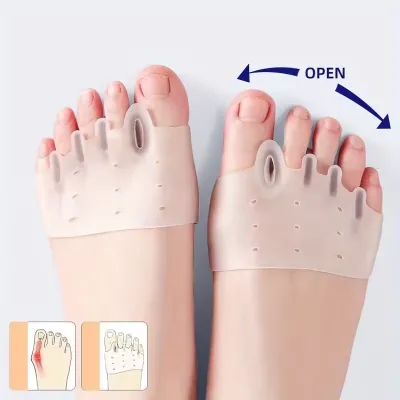
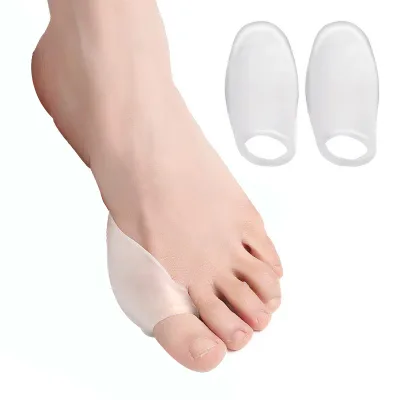
Comprehensive Sourcing Guide
Silicone Hallux Valgus Bunion Corrector Sourcing Guide
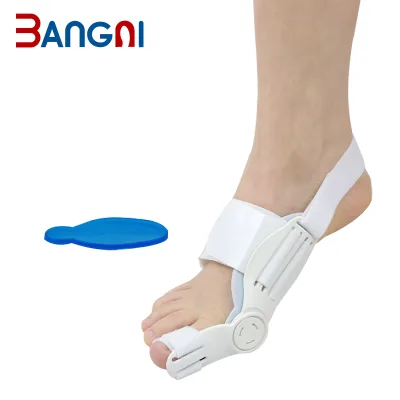
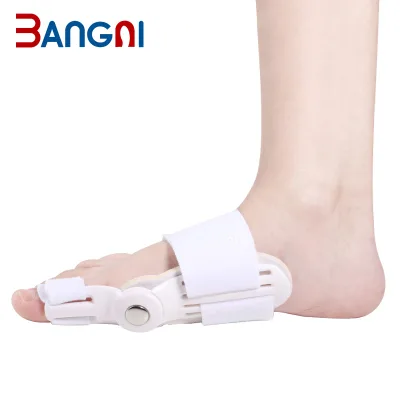
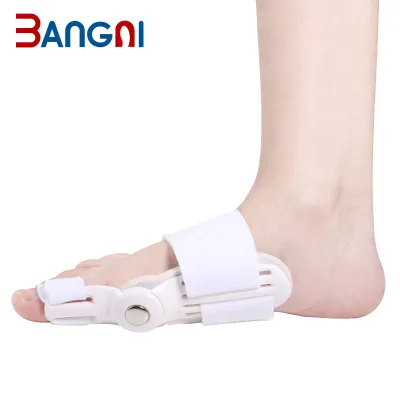
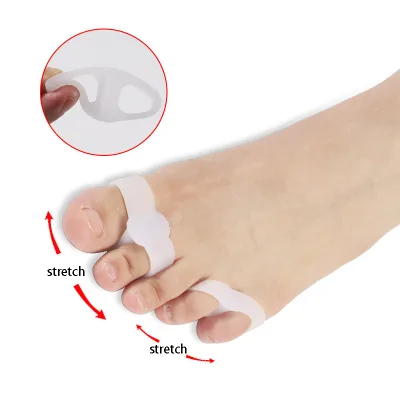
Procuring silicone hallux valgus bunion correctors requires a nuanced understanding of material properties, mechanical design, and regulatory compliance. These devices are primarily designed to realign the big toe and alleviate pain associated with bunions, offering a non-surgical intervention for foot deformities. Buyers must distinguish between simple toe separators and complex orthotic systems that incorporate brackets, hinges, or adjustable components. The market offers a wide spectrum of products, ranging from basic SEBS-based separators to advanced nylon and silicone assemblies with PC brackets, each serving different clinical needs and user comfort levels.
Successful sourcing hinges on verifying the specific material composition and structural integrity of the corrector. While silicone is a common material due to its flexibility and skin-friendly nature, many high-performance correctors combine silicone with rigid materials like ABS, nylon, or metal brackets to provide necessary corrective force. Buyers should focus on products that explicitly state their function in repairing foot diseases such as hallux valgus, ensuring that the selected device offers both immediate pain relief and long-term structural support. Understanding these distinctions is critical for selecting the right product for your target market.
Product Scope and Observed Listing Signals
The current market landscape for bunion correctors includes a variety of product types, from simple toe separators to comprehensive valgus orthoses. Observed listings indicate a diverse range of materials, including SEBS, ABS, Nylon, Silicone, and combinations such as Nylon+Silicone+PC Bracket or Nylon+PV Bracket+Metal bracket. These material choices directly influence the device’s durability, adjustability, and corrective capability. For instance, products featuring metal or PC brackets often provide stronger structural support compared to those made solely from soft elastomers like SEBS or basic silicone.
Listing signals also reveal significant variation in customization options and packaging. Many suppliers offer OEM and ODM services, allowing buyers to customize logos, packaging, and even product designs. Standard packaging includes polybags, cartons, and OPP bags, with some suppliers offering customized packaging solutions. The presence of "Non-Customized" and "Customized" attributes in the same dataset suggests that buyers can choose between off-the-shelf products and tailored solutions, depending on their brand strategy and volume requirements. This flexibility is a key consideration for businesses looking to establish a unique market presence.
Technical Specifications to Verify
When evaluating technical specifications, buyers must prioritize the material composition and structural design of the corrector. Products made from Nylon+Silicone+PC Bracket or Nylon+PV Bracket+Metal bracket typically offer superior durability and adjustable support, making them suitable for severe cases of hallux valgus. In contrast, SEBS-based toe separators are generally softer and more flexible, ideal for basic toe separation and mild pain relief. Verifying the exact material blend is essential, as it determines the device’s ability to maintain its shape under pressure and its longevity during daily use.
Size and fit are critical technical factors that impact user compliance and satisfaction. Listings indicate sizes ranging from S/L to One Size, with specific model numbers such as 023, 004, BN-BC-6, and BN-BC-01. Buyers should verify the single package dimensions, which vary from 17x10x5 cm to 23x15x8 cm, to optimize shipping costs and storage efficiency. Additionally, the single gross weight, typically ranging from 0.050 kg to 0.100 kg, should be considered for logistics planning. Ensuring that the product size aligns with the target demographic’s foot dimensions is crucial for minimizing returns and enhancing user experience.
Compliance and Safety Documentation
Compliance with international standards is a non-negotiable aspect of sourcing medical or orthopedic devices. Many observed listings highlight certifications such as CE and ISO, with some specifying ISO9001. These certifications indicate that the manufacturer adheres to quality management systems and product safety standards, which is vital for market access in regions like Europe and North America. Buyers must request valid certification documents and verify their authenticity with the issuing bodies to ensure that the products meet regulatory requirements.
In addition to certifications, buyers should inquire about additional safety standards such as RoHS, which restricts the use of hazardous substances in electrical and electronic equipment. While RoHS status is listed as low-confidence in some contexts, it remains a relevant consideration for products containing plastics and metals. Ensuring that the materials used in the corrector, such as silicone and nylon, are free from harmful chemicals is essential for consumer safety. Buyers should also verify that the products are labeled as "New" and "Non-Customized" or "Customized" as appropriate, to avoid confusion in the supply chain.
Cost Drivers and Commercial Terms
Cost drivers for silicone hallux valgus bunion correctors include material quality, manufacturing complexity, and customization requirements. Products with advanced features, such as adjustable brackets and multi-material construction, typically command higher prices due to the increased production costs. Observed price ranges vary significantly, reflecting differences in product complexity and supplier pricing strategies. Buyers should analyze the price-to-feature ratio to determine the best value for their target market, considering factors such as durability, adjustability, and user comfort.
Commercial terms, including MOQ and lead time, play a crucial role in procurement planning. Observed MOQs range from 1 to 500 pieces, with some listings specifying 10 pairs, 50 pieces, 100 pairs, or 200 pairs. Lead times are generally short, with delivery times ranging from 3 to 7 days, allowing for rapid inventory replenishment. Buyers should negotiate favorable terms based on their order volume and frequency, leveraging the flexibility of suppliers who offer both standard and customized packaging options. Understanding these commercial dynamics is essential for maintaining a healthy cash flow and inventory turnover.
Supplier Qualification and Quality Control
Supplier qualification involves assessing the manufacturer’s production capabilities, quality control processes, and customer service. Buyers should prioritize suppliers who offer OEM and ODM services, as this indicates a higher level of manufacturing flexibility and expertise. Verifying the supplier’s location, such as Henan, China, can provide insights into their supply chain efficiency and logistical advantages. Additionally, buyers should request samples to evaluate the product’s quality, fit, and functionality before committing to large orders.
Quality control measures should include regular inspections of raw materials, production processes, and finished products. Buyers should inquire about the supplier’s testing protocols for durability, elasticity, and safety, ensuring that the products meet industry standards. The availability of customized logos and packaging options suggests that suppliers are attentive to brand identity and market differentiation. Establishing a strong relationship with a qualified supplier can lead to better pricing, improved product quality, and enhanced support throughout the procurement process.
Long-Term Procurement Checks
Long-term procurement success depends on continuous monitoring of product performance, market trends, and supplier reliability. Buyers should track customer feedback and return rates to identify any recurring issues with fit, durability, or comfort. This data can inform future purchasing decisions and help in selecting products that better meet consumer needs. Additionally, staying informed about emerging trends in foot care and orthopedic devices can help buyers stay ahead of the competition and offer innovative solutions to their customers.
Regular audits of supplier performance, including delivery times, product quality, and communication responsiveness, are essential for maintaining a reliable supply chain. Buyers should also evaluate the supplier’s ability to adapt to changing market conditions, such as shifts in consumer preferences or regulatory requirements. By maintaining a proactive approach to supplier management and product evaluation, buyers can ensure a steady supply of high-quality silicone hallux valgus bunion correctors, supporting long-term business growth and customer satisfaction.
FAQs
What materials are used for silicone hallux valgus bunion correctors?
These devices typically use SEBS, ABS, Nylon, Silicone, or PC brackets. Some models combine Nylon with Silicone and a PC bracket, while others use Nylon with a PV bracket and metal bracket to ensure durability and comfort during use.
Can I get samples of silicone hallux valgus bunion correctors?
Samples are provided for many models, with some suppliers offering one pair for free. Buyers can request samples to verify quality before placing larger orders, ensuring the product meets specific needs for toe separation and foot pain relief.
What certifications do these products hold?
Most listed products carry CE and ISO certifications, with some holding CE and ISO9001 certificates. These certifications indicate compliance with safety and quality standards required for medical and protective devices used in foot care applications.
How long is the delivery time for orders?
The standard delivery time ranges from 3 to 7 days for most suppliers. This quick turnaround allows buyers to receive their orders promptly, provided the order quantity meets the minimum requirements set by the manufacturer.
What is the minimum order quantity for these correctors?
Minimum order quantities vary by model, ranging from 10 pairs to 200 pairs. Some suppliers accept orders as low as 10 pairs, while others require 50 pieces or 100 pairs depending on the specific product model and customization needs.
Are custom logos and packaging available for these products?
Customized logos and packaging options are available for many models. Buyers can request customized polybags, cartons, or OPP bags, allowing them to brand the products according to their specific business requirements and market preferences.
Which sizes are available for silicone hallux valgus bunion correctors?
Available sizes include S, L, and One Size options depending on the specific model. Some products are designed with adjustable features to fit various foot types, ensuring effective protection and pain relief for different users.