Source Silicone Oil Brush Bottle for BBQ and Baking
Find 30 Silicone Oil Brush Bottle for BBQ and Baking options from Chinese manufacturers. Compare features like heat resistance, food-grade materials, and customizable sizes to select the right tool for your kitchen or restaurant needs; compare the available evidence and request quotations based on your requirements.
Key considerations
Products List


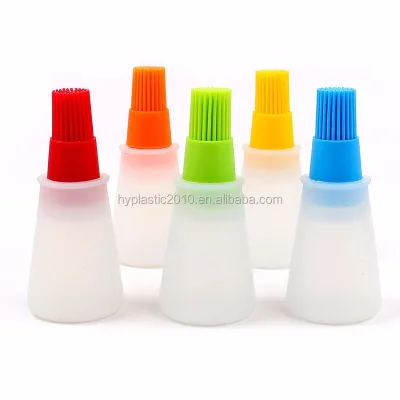
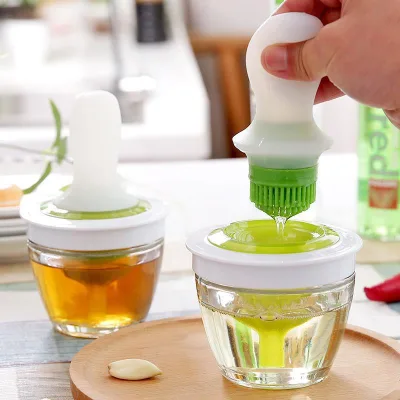
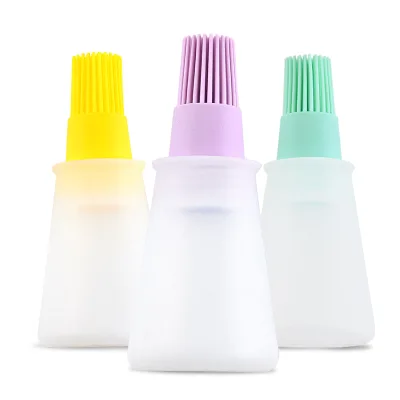


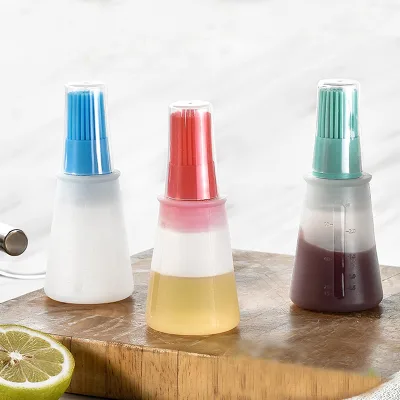
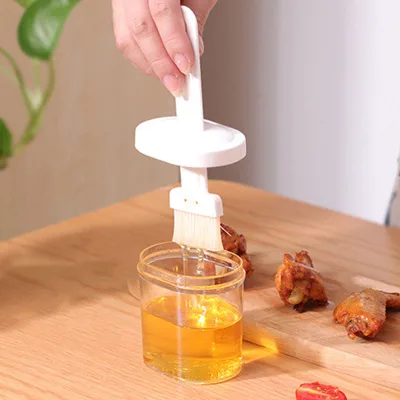
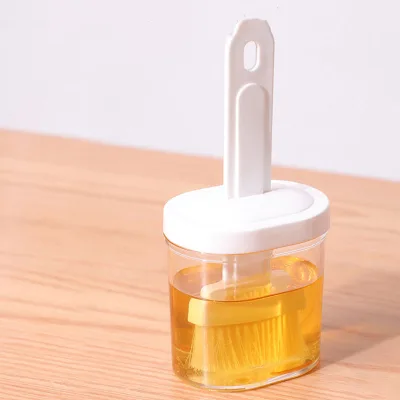

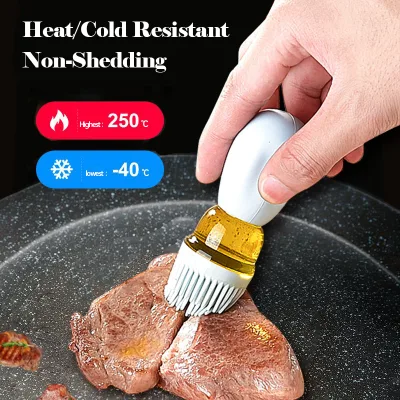


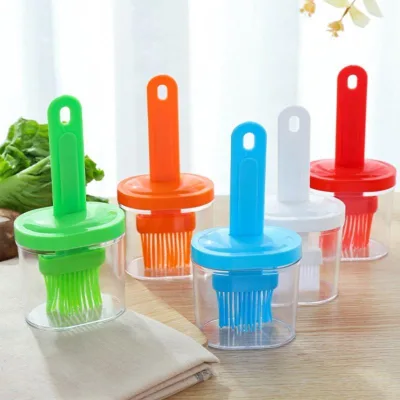
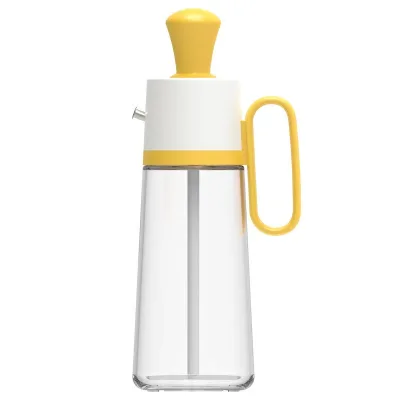
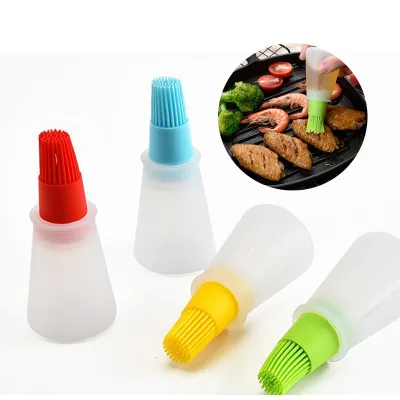
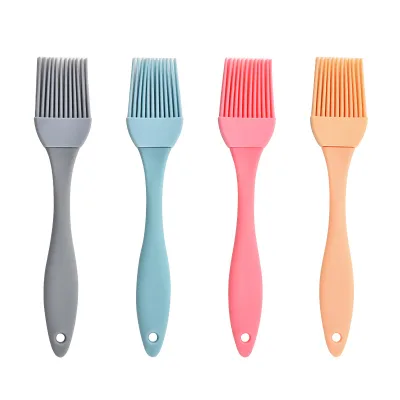
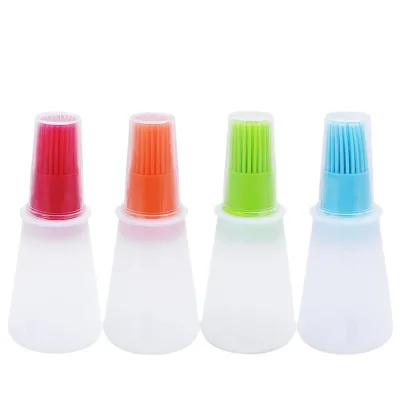


Food-Grade Silicone Oil Brush - Home Heat-Resistant BBQ & Baking Kitchenware
$0.35 - $0.52
MOQ: 1000 Pieces

Comprehensive Sourcing Guide
Silicone Oil Brush Bottle for BBQ and Baking Sourcing Guide
Procurement teams must first distinguish between integrated bottle-brush units and standalone silicone brushes when sourcing for commercial kitchens. The observed market data indicates a specific product category where a 60ml silicone bottle is paired with a 4.5cm brush head, designed specifically for basting and oil application. This configuration offers a distinct advantage over traditional bristle brushes by eliminating fiber shedding and allowing for precise, mess-free dispensing of marinades or cooking oils directly onto grills and baking sheets.
Buyers should verify that the selected unit meets the dual requirements of heat resistance and chemical stability for high-temperature cooking environments. The observed specifications confirm a temperature range of -40ºC to 200ºC, which is critical for applications involving hot grills or oven baking. Ensuring the product is explicitly labeled as non-disposable and reusable is essential for maintaining cost efficiency and sustainability goals in long-term food service operations.
Product Scope and Observed Listing Signals
The current market listings reveal a diverse range of silicone oil brush bottles varying in color, capacity, and packaging formats. While some units are observed with a standard 60ml volume and specific dimensions of 11.5x5cm, others may offer customizable sizes or different bottle capacities to suit specific brand requirements. The color palette typically includes yellow, white, red, green, purple, and orange, with options for Pantone matching to align with corporate branding or kitchen aesthetic standards.
Sourcing strategies must account for the variability in packaging and branding capabilities observed across different suppliers. Listings indicate that products are often packed in PE bags or blister bags within cartons, with options for logo printing and custom branding available. Buyers need to confirm whether the supplier offers stock items for immediate delivery or requires a custom manufacturing lead time, as this significantly impacts inventory planning and order fulfillment speed.
Technical Specifications to Verify
Technical due diligence requires a rigorous check of the material composition to ensure the product is made from 100% food-grade silicone. The observed data highlights that high-quality units are BPA-free and dishwasher safe, which are non-negotiable attributes for food contact applications. Procurement teams must verify that the brush head is securely attached to the bottle to prevent leakage during use and that the silicone maintains its structural integrity after repeated exposure to high heat and cleaning cycles.
Dimensional accuracy and functional performance are equally critical when evaluating the physical specifications of the brush bottle. The brush size is typically observed at 4.5cm, but buyers should confirm the bristle density and flexibility to ensure even oil control during application. Additionally, the weight of the unit, often ranging between 30g and 45g, should be consistent to ensure ergonomic handling for kitchen staff during extended periods of use.
Compliance and Safety Documentation
Regulatory compliance is a primary concern for any food contact product, and buyers must demand valid certification documents before finalizing orders. The observed listings frequently cite FDA and LFGB certifications, which are essential for verifying that the silicone material meets international safety standards for food contact. Without these specific certifications, the product cannot be legally sold in many major markets, and its use in commercial kitchens may violate health and safety regulations.
Beyond material safety, documentation regarding the product's durability and cleaning instructions must be reviewed to ensure operational safety. Buyers should verify that the supplier provides clear guidelines on the maximum temperature limits and recommended cleaning methods to prevent premature degradation of the silicone. Ensuring that the product is explicitly marked as dishwasher and microwave safe is also necessary to confirm its suitability for modern kitchen workflows and hygiene protocols.
Cost Drivers and Commercial Terms
Pricing for silicone oil brush bottles is heavily influenced by the level of customization required, including color selection, logo printing, and packaging design. The observed minimum order quantities (MOQ) range widely from 10 to 2000 pieces, with some suppliers setting a standard MOQ of 100 pieces for custom orders. Buyers must calculate the total landed cost by factoring in these volume thresholds, as smaller orders often incur higher per-unit costs due to setup fees and lower production efficiency.
Commercial terms regarding lead times and shipping logistics play a significant role in the overall procurement budget and timeline. Suppliers located in regions like Xiamen, Guangdong, and Zhejiang may offer different shipping advantages depending on the buyer's location and the urgency of the order. It is crucial to negotiate clear terms for payment schedules, shipping responsibilities, and potential penalties for delays to mitigate financial risks associated with supply chain disruptions.
Supplier Qualification and Quality Control
Supplier qualification should focus on verifying the manufacturer's production capacity and their history of delivering consistent quality for food-grade silicone products. Buyers must assess whether the supplier has established quality control protocols that include raw material testing and finished product inspections to ensure every unit meets the specified standards. A supplier's ability to provide samples for pre-production testing is a strong indicator of their commitment to quality and their willingness to collaborate on product specifications.
Quality control processes must extend to the packaging and labeling stages to prevent damage during transit and ensure accurate product identification. The observed packaging methods, such as PE bags and cartons, should be evaluated for their ability to protect the product from crushing or contamination. Buyers should also verify that the supplier has a robust system for handling defects and returns, ensuring that any non-conforming products are identified and resolved promptly to maintain supply chain reliability.
Long-Term Procurement Checks
Establishing a long-term partnership requires regular audits of the supplier's ability to maintain consistent quality and supply stability over time. Buyers should implement a schedule for periodic re-testing of product samples to ensure that the silicone material has not degraded or changed in composition due to shifts in raw material sourcing. This proactive approach helps prevent sudden quality issues that could disrupt kitchen operations or lead to customer complaints regarding product performance.
Strategic procurement also involves monitoring market trends and technological advancements in silicone manufacturing to stay ahead of potential obsolescence. As new standards or consumer preferences emerge, such as increased demand for eco-friendly materials or specific color trends, suppliers must be agile enough to adapt their production lines. Maintaining open communication channels with suppliers ensures that the procurement team can quickly respond to changes in the market and adjust their sourcing strategies accordingly.
FAQs
What certifications do silicone oil brush bottle products typically carry?
Listed products typically carry FDA certification, and some also hold LFGB approval. FDA indicates the silicone is suitable for food contact under United States requirements, while LFGB applies stricter German food-contact rules. When sourcing, ask each manufacturer to provide current, document-backed certificates rather than relying on listing claims alone.
Can the silicone oil brush bottle be customized with my logo and color?
Yes, customization is available on many listed models, including logo printing and color selection. Standard colors include yellow, white, red, green, purple, and orange, with Pantone color matching offered. Provide your artwork and preferred color code when requesting quotes, since customization may affect unit price and minimum order quantity.
What is the temperature range of a Silicone Oil Brush Bottle for BBQ and Baking?
Listed silicone basting brushes and bottles handle temperatures from minus 40 degrees Celsius up to 200 degrees Celsius. This covers freezer storage, oven baking, and grilling use. Always confirm the specific rating with the factory before ordering, because ratings can vary between models and silicone formulations.
How should I clean a silicone basting brush bottle after use?
Silicone brush bottles are non-porous, so oil and sauce rinse off easily with warm water and mild detergent. Many models are dishwasher safe, so the brush head and bottle can be placed on the top rack. Avoid abrasive scouring pads, and let all parts dry fully before reassembly or storage.
Which MOQ should I expect when ordering silicone oil brush bottles?
Minimum order quantities in the observed range run from 10 pieces to 2000 pieces depending on the model and customization level. One listed basting brush bottle sets an MOQ of 100 pieces. Stock or standard-color orders usually sit at the lower end, while custom colors or printed logos often require larger quantities.
What material and packaging details matter when comparing suppliers?
Confirm the brush bottle body is made from food-grade silicone, ideally 100 percent silicone with BPA-free documentation. Packaging options observed include PE bag with carton and opp bag or blister bag. Ask whether packaging can match your retail requirements, because packaging choice affects carton dimensions, shipping volume, and overall landed cost.
How much does a silicone oil brush bottle weigh and what size is it?
Listed models vary: one basting brush weighs 30 grams, while a 60ml bottle brush weighs about 45 grams with a 4.5 centimeter brush head. The bottle measures 11.5 by 5 centimeters, with a single package size of 12 by 6 by 6 centimeters. Use these figures to estimate shipping weight and carton loading.
Can silicone oil brush bottles be used for both grilling and baking?
Yes, listed silicone basting brush bottles are designed for cooking applications including baking, grilling, barbecue, camping, and restaurant kitchens. The heat-resistant silicone head and 200 degree Celsius upper limit suit basting meat on the grill or brushing oil and butter over pastry. Confirm food-grade certification for the exact model you order.