Source Silicone Parts for Industrial, Medical, and Household Use
Find 30 verified Silicone Part suppliers offering custom shapes, colors, and sizes. Compare options for industrial, medical, and household applications with materials like silicone rubber and organic silicone. View pricing, MOQs, and certifications to streamline your sourcing process.
Key considerations
Products List


$0.10 - $0.50
MOQ: 100 Pieces


$0.10
MOQ: 100000 Pieces


Customized Molded Silicone Rubber Part
$0.05 - $0.05
MOQ: 10000 Pieces
Ningbo Beilun Hengnai Fluorine & Plastic Production Co., Ltd.


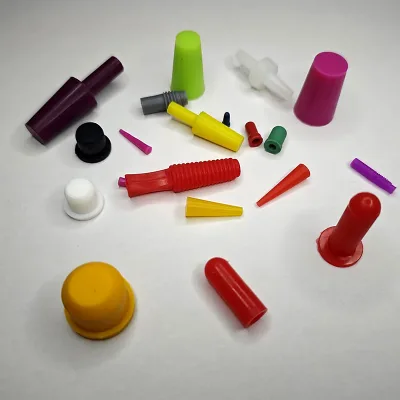


Comprehensive Sourcing Guide
Silicone Part Sourcing Guide
Sourcing silicone parts requires a disciplined approach to material selection, as the term "silicone" is often used loosely in general marketplaces. Buyers must distinguish between true silicone rubber and other elastomers or plastics that may be mislabeled. The core material facts indicate that suppliers offer products made from Silicone Rubber and Organic Silicone, which are distinct from the PA66+GF (Polyamide with Glass Fiber) mentioned in some listings. This distinction is critical because PA66 is a thermoplastic, whereas silicone is typically a thermoset or liquid silicone rubber (LSR). Procurement teams must verify the actual polymer chemistry to ensure the part meets the required thermal and chemical resistance profiles for the intended application.
The sourcing landscape for these components is diverse, with origins primarily located in China, specifically in provinces like Fujian and Jiangsu. This geographic concentration suggests a mature supply chain for molding and extrusion services, but it also necessitates rigorous due diligence to ensure consistency across different factories. Buyers should recognize that while the material base is consistent, the manufacturing processes vary significantly, ranging from pressing forming molds to injection molding. Understanding these process differences is essential for evaluating the supplier’s capability to produce complex geometries or high-volume simple seals with the required dimensional accuracy and surface finish.
Product Scope and Observed Listing Signals
The observed product listings reveal a wide range of applications, indicating that silicone parts are utilized in industrial, agricultural, medical, and household contexts. Specific applications mentioned include car components, household electrical appliances, hardware, and general home use. This versatility means that a single supplier may offer a broad catalog, but buyers should not assume that a part suitable for industrial machinery is automatically compliant for medical or food-contact applications. The scope extends from simple stationary seals to more complex molded components, with some listings highlighting features such as being reusable, environmental, durable, and non-spill. These attributes suggest a focus on longevity and safety, which are key decision factors for procurement managers in regulated industries.
Color and customization options are prominent signals in the current market, with suppliers offering clear, black, white, red, and other custom colors. The ability to customize shape, logo, size, and color is widely available, allowing for brand integration and specific functional requirements. However, buyers must be cautious when interpreting "customization" claims. While standard boxes, cartons, OPP bags, and even steel boxes are listed as packaging options, the level of customization in packaging should be negotiated separately from the product itself. The presence of multi-cavity molds and high mold life expectations (500,000 to 1,000,000 times) indicates that suppliers are equipped for high-volume production, which is a positive signal for buyers seeking economies of scale.
Technical Specifications to Verify
Technical verification must begin with the working temperature range, which is a critical performance metric for silicone components. The supplied facts specify a working temperature range of -60°C to 200°C, which defines the operational envelope for the material. Buyers must ensure that their application does not exceed these limits, as silicone can degrade or lose elasticity outside this range. Additionally, the surface finish process is noted as polishing, which affects both the aesthetic quality and the friction characteristics of the part. For sealing applications, surface smoothness is vital to prevent leakage, so buyers should request samples to verify the finish quality against their specific sealing requirements.
The manufacturing process and mold type are equally important technical specifications to confirm. Listings mention pressing forming molds, injection molding, and rubber molds, with some specifying liquid plastic forms and thermosoftening plastics. This inconsistency in terminology requires clarification, as true silicone is generally a thermoset material, not a thermosoftening plastic. Buyers must verify whether the supplier uses Liquid Silicone Rubber (LSR) injection molding or traditional compression molding, as this impacts cycle times, part consistency, and material waste. Furthermore, the use of hot runners and design software like UG (Unigraphics) suggests a level of engineering sophistication, but buyers should confirm that the design files are compatible with their own engineering teams for future modifications.
Compliance and Safety Documentation
Compliance is a non-negotiable aspect of sourcing silicone parts, particularly for medical, food, and automotive applications. The observed certifications include RoHS, REACH, FDA, ISO, CE, and UL. Buyers must verify that these certifications are current and applicable to the specific product grade being purchased. For instance, FDA compliance is essential for parts that come into contact with food or beverages, while REACH compliance is critical for selling into the European Union. The presence of multiple certifications in a single listing does not guarantee that every SKU is certified; buyers should request specific test reports or certificates of conformity for the exact material batch and product model.
Safety and environmental standards also play a significant role in the procurement decision. The features listed, such as "environmental" and "non-spill," align with broader sustainability goals, but these claims should be backed by documented data. Buyers should inquire about the material’s biocompatibility if the part is intended for medical use, referencing standards like ISO 10993, even if not explicitly listed in the primary facts. Additionally, the CE marking indicates conformity with health, safety, and environmental protection standards for products sold within the European Economic Area. Procurement teams must ensure that the supplier can provide the necessary technical file to support the CE declaration, especially for industrial machinery components.
Cost Drivers and Commercial Terms
Cost drivers for silicone parts are heavily influenced by the complexity of the mold and the volume of production. The mention of multi-cavity molds and high mold life suggests that initial tooling costs may be significant, but they can be amortized over large production runs. Buyers should expect a wide range in Minimum Order Quantities (MOQ), observed between 1 and 100,000 units. This flexibility allows for both prototyping and mass production, but it also means that unit prices will vary drastically based on volume. Procurement managers should negotiate tiered pricing structures that reflect the economies of scale, particularly if the part requires custom colors or specialized surface treatments.
Commercial terms also include warranty and packaging considerations. A 5-year warranty is mentioned in some listings, which is a strong indicator of supplier confidence in product durability. However, buyers must clarify what this warranty covers, as it may exclude wear and tear or improper installation. Packaging options range from standard boxes to steel boxes, which can impact logistics costs and product protection during transit. For high-value or sensitive components, investing in robust packaging like steel boxes may be justified to prevent damage. Buyers should also consider the lead times associated with custom orders, as customization of shape, logo, and size can extend production schedules compared to off-the-shelf items.
Supplier Qualification and Quality Control
Supplier qualification should focus on their manufacturing capabilities and quality management systems. The use of advanced design software and compound die processes indicates a level of technical proficiency that buyers should verify through site audits or virtual tours. It is essential to confirm that the supplier has a robust quality control process, particularly for critical dimensions and surface finishes. The mention of polishing as a surface treatment process suggests that post-processing is a key step, and buyers should ensure that this step is consistently controlled to avoid defects. Suppliers with high mold life expectations are likely to have better maintenance protocols, which contributes to long-term part consistency.
Quality control should also extend to material traceability and batch testing. Buyers should require that the supplier provides material test reports for each batch, confirming the silicone composition and compliance with relevant standards. Given the diversity of applications, from household appliances to automotive parts, the supplier must have the capability to segregate production lines or cleaning protocols to prevent cross-contamination. For example, medical-grade silicone should not be processed on the same equipment as industrial-grade parts without thorough validation. Procurement teams should establish clear acceptance criteria for visual defects, dimensional tolerances, and functional performance before approving any production run.
Long-Term Procurement Checks
Long-term procurement success depends on continuous monitoring of supplier performance and product reliability. Buyers should establish key performance indicators (KPIs) such as defect rates, on-time delivery, and responsiveness to quality issues. The 5-year warranty mentioned in some listings provides a baseline for expected product life, but buyers should track actual field performance to validate these claims. Regular audits of the supplier’s quality management system are recommended to ensure that they maintain their certifications and adhere to their stated processes. This is particularly important for suppliers who offer a wide range of applications, as maintaining quality across diverse product lines can be challenging.
Additionally, buyers should plan for supply chain resilience by qualifying alternative suppliers for critical silicone parts. While the current market shows a concentration of suppliers in China, diversifying the supply base can mitigate risks associated with geopolitical tensions, logistics disruptions, or capacity constraints. Buyers should also stay informed about changes in regulatory standards, such as updates to REACH or FDA guidelines, to ensure that their sourced parts remain compliant over time. By maintaining a proactive approach to supplier management and regulatory compliance, procurement teams can secure a reliable supply of high-quality silicone parts that meet their long-term business needs.
FAQs
What certifications are available for silicone parts?
Silicone parts are available with RoHS, REACH, FDA, ISO, CE, and UL certifications. These credentials ensure compliance with international safety and environmental standards for industrial, medical, and household applications. Buyers can verify specific documentation to meet regulatory requirements in their target markets.
Can silicone parts be customized for specific shapes?
Yes, customization is available for shape, logo, size, and color. Manufacturers offer options including clear, black, white, and red colors. Products can be tailored to specific industrial or automotive needs using pressing forming moulds or injection molding processes to achieve precise design specifications.
What is the working temperature range for silicone rubber?
The working temperature range is typically -60°C to 200°C. This wide range makes silicone rubber suitable for diverse applications including household appliances, automotive parts, and industrial hardware. The material remains durable and non-spill under these conditions, ensuring reliable performance in varying environments.
Which manufacturing processes are used for silicone parts?
Manufacturing processes include pressing forming moulds and injection molding. Some products utilize liquid plastic forms and thermosoftening plastics alongside silicone rubber. Surface treatments like polishing are applied to enhance finish quality. These methods support the production of stationary seals and other complex rubber mold components.
What packaging options are provided for silicone products?
Packaging options include standard boxes, cartons, OPP bags, and steel boxes. Customized packaging is also available to meet specific logistical needs. These methods ensure safe transport and protection of silicone parts during shipping, accommodating various order sizes and handling requirements for global distribution.
Where are these silicone parts manufactured?
These silicone parts are manufactured in China, specifically in regions like Fujian and Jiangsu. Production facilities utilize advanced moulds with long lifespans. Sourcing from these locations offers access to established supply chains and competitive manufacturing capabilities for high-volume industrial and commercial orders.