Source Silk Screen Printing Cosmetic Lotion Bottle with Pump for Cosmetics, Perfume, Skin Care
Compare 30 options for Silk Screen Printing Cosmetic Lotion Bottle with Pump featuring glass, plastic, and metal materials. Buyers can evaluate capacities, closure types, and customization services from verified manufacturers in China.
Key considerations
Products List

Empty Lotion Bottle Cosmetic Bottle for Skincare Cosmetic with Lotion Pump
$0.21 - $0.88
MOQ: 10000 Pieces


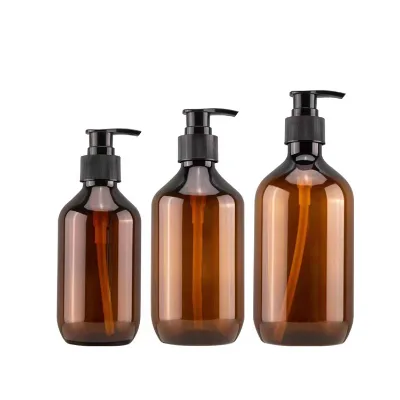


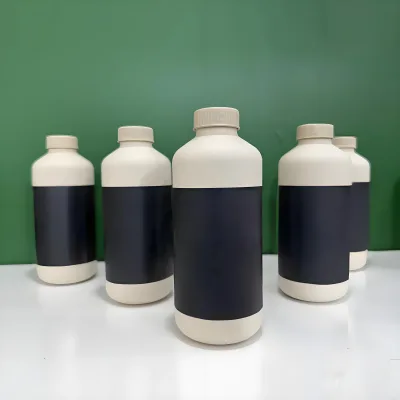
Cosmetic Packaging Lotion Pump Spray Bottle Liquid Foundation Glass Bottle
$0.09 - $0.25
MOQ: 10000 Pieces


Comprehensive Sourcing Guide
Strategic Sourcing Guide for Silk Screen Printing Cosmetic Lotion Bottles with Pump
The global demand for sustainable and aesthetically pleasing packaging has elevated the profile of silk screen printing cosmetic lotion bottles with pumps. This specific configuration combines the tactile appeal of direct printing with the functional necessity of a pump dispenser, creating a versatile solution for the personal care and cosmetics industries. For procurement professionals, navigating this category requires a disciplined approach that balances technical specifications, material integrity, and supply chain reliability. The following guide outlines the critical factors buyers must evaluate to ensure successful sourcing outcomes without relying on unverified claims or speculative data.
Technical Specifications and Material Composition
The foundation of a successful procurement strategy lies in a precise understanding of the product's technical attributes. In the context of silk screen printing cosmetic lotion bottles with pumps, the material composition is the primary determinant of print quality and chemical compatibility. Market observations indicate that these containers are frequently manufactured from glass, plastic, and metal, including aluminum variants. Each material offers distinct advantages: glass provides superior chemical resistance and a premium feel, while plastic offers durability and cost-efficiency, and aluminum presents a lightweight, recyclable option.
The physical dimensions of the bottle are equally critical. Buyers must verify the specific size and shape against their formulation requirements. Common specifications include round bottle shapes with dimensions such as D66xh205mm or D50xh174mm. The capacity range varies significantly, with observed listings covering volumes from 50 ml up to 1000 ml. For instance, some models are standardized at 50 ml, while others offer customized capacities ranging from 100-500 ml or 500-1000 ml. The neck size is a crucial interface point for the pump mechanism. Standardized neck sizes often include 20/24, 24/28, or a combination of 20/24/28, ensuring compatibility with various pump types.
The closure and dispensing mechanism define the user experience. The pump-on closure type is prevalent, specifically utilizing lotion pumps or spray pumps. Some configurations allow for screw caps in conjunction with sprayers or lotion pumps. The sealing type is typically designed to be leak-proof, a non-negotiable feature for liquid cosmetics. The surface treatment process, specifically silk screen printing and heat transfer printing, allows for high-definition branding directly on the container. This process requires careful consideration of the bottle's surface texture and curvature to ensure the ink adheres properly without cracking or peeling.
Compliance, Certification, and Regulatory Standards
When sourcing cosmetic packaging, regulatory compliance is paramount. Buyers must verify that suppliers adhere to relevant safety and quality standards. While specific certification statuses vary by manufacturer, observed data points to the existence of standards such as FDA, LFGB, and SGS. These certifications are indicative of a supplier's commitment to meeting international safety requirements for food and cosmetic contact materials. However, buyers should not assume that every listed product automatically possesses these certifications; verification is required on a per-supplier basis.
The material safety is particularly important for products intended for skin care, moisturizers, and perfumes. The "Specific Use" attributes often listed include cosmetics, shampoo, and skin care, implying that the materials must be inert and non-reactive with the formulation. For aluminum and metal containers, the surface treatment must not compromise the integrity of the inner lining. Additionally, the recyclability of the material is an increasingly important compliance factor. Many modern sourcing requirements mandate that packaging be recyclable, a feature explicitly noted in several product observations.
Buyers should also consider the age group specifications. Most cosmetic packaging is designed for adult use, but specific regulatory frameworks may apply if the product is intended for children. Ensuring that the packaging meets the safety standards of the target market, whether it be the European Union, North America, or Asia, is essential. This involves checking for specific migration limits, heavy metal content, and phthalate restrictions that may apply to the plastic or metal components.
Cost Drivers and Pricing Dynamics
Understanding the cost structure of silk screen printing cosmetic lotion bottles with pumps is vital for budgeting and negotiation. The observed price range in the market spans from $0.09 to $1.50 per unit. This wide variance is driven by several key factors, including material type, customization complexity, and order volume. Glass bottles generally command a higher price point than plastic counterparts due to raw material costs and the fragility associated with shipping. Similarly, aluminum and metal options may carry a premium due to the specialized manufacturing processes involved.
Customization is a significant cost driver. The availability of custom logos and designs via silk screen printing adds value but also increases the unit cost. The complexity of the print, such as the number of colors required or the precision of the design, directly impacts the price. Furthermore, the MOQ (Minimum Order Quantity) plays a substantial role in the final unit price. Observed MOQs range from 100 to 30,000 units, with a specific high-confidence observation noting an MOQ of 10,000 units for certain models. Larger order volumes typically result in lower per-unit costs due to economies of scale in production and printing.
Other cost factors include the type of pump mechanism. Lotion pumps, spray pumps, and screw caps have different manufacturing costs. The sealing type and the specific surface treatment, such as heat transfer printing versus standard silk screen printing, also influence the final price. Buyers must balance the desire for high-quality customization with the constraints of their budget, ensuring that the selected supplier can deliver within the required price range without compromising on quality.
Typical Applications and Usage Scenarios
The versatility of silk screen printing cosmetic lotion bottles with pumps makes them suitable for a wide array of applications. The primary usage categories include cosmetics, personal care products, and chemical containers. Specific applications often cited include moisturizers, perfumes, shampoos, and skin care products. The leak-proof and travel-friendly features observed in many listings make these bottles particularly suitable for travel-sized cosmetic sets and premium gift packaging.
The choice of material often dictates the application. Glass bottles are frequently used for high-end perfumes and serums where the visual clarity and weight of the container enhance the perceived value. Plastic bottles are more common for everyday items like shampoos and body lotions due to their durability and lower cost. Metal containers, such as aluminum, are often chosen for products requiring a modern, industrial aesthetic or for formulations that are sensitive to light.
The pump mechanism is selected based on the viscosity of the product. Lotion pumps are ideal for thicker formulations like creams and lotions, while spray pumps are better suited for lighter liquids like toners or perfumes. The ability to customize the bottle shape, whether round or other forms, allows brands to differentiate their products on the shelf. The specific use cases also extend to the chemical industry, where the inert nature of the materials ensures that the packaging does not react with the contents.
Supplier Evaluation and Sourcing Strategy
Evaluating suppliers for silk screen printing cosmetic lotion bottles requires a multi-faceted approach. Buyers should prioritize suppliers who demonstrate transparency regarding their production capabilities and quality control measures. The origin of the products is a key indicator; many suppliers are located in Zhejiang, China, a region known for its manufacturing expertise in packaging. However, the location alone is not a guarantee of quality.
Buyers must assess the supplier's ability to handle customization. The availability of custom logos and the flexibility in neck size and volume are critical indicators of a supplier's adaptability. The ability to provide samples for testing is another essential factor. Before committing to a large order, buyers should request samples to verify the print quality, the functionality of the pump, and the overall durability of the bottle.
The production capacity and lead times are also crucial. Observed lead times can be as long as 35 days, which buyers must factor into their supply chain planning. Suppliers with a track record of meeting delivery schedules and maintaining consistent quality are preferable. Additionally, the packaging method, such as standard export cartons, ensures that the products arrive in good condition. Buyers should inquire about the supplier's experience with international shipping and their ability to handle customs documentation.
Quality Control and Long-Term Procurement Considerations
Quality control is the backbone of a reliable supply chain. For silk screen printing cosmetic lotion bottles, the focus should be on print adhesion, pump functionality, and leak testing. The surface handling processes, such as screen printing, must be evaluated for consistency and color accuracy. Buyers should implement a rigorous inspection protocol that includes checking for defects in the printing, ensuring the pump dispenses the correct amount of product, and verifying the seal integrity.
Long-term procurement considerations involve building a sustainable relationship with suppliers. This includes negotiating favorable terms for future orders, establishing clear communication channels, and aligning on quality standards. The recyclability of the packaging is an increasingly important factor for brands committed to sustainability. Buyers should prioritize suppliers who offer recyclable materials and eco-friendly production practices.
Furthermore, the scalability of the supplier is essential. As the brand grows, the supplier must be able to increase production volumes without compromising quality. The ability to handle fluctuating order sizes and provide consistent lead times is a key indicator of a supplier's reliability. Buyers should also consider the supplier's responsiveness to changes in design or material requirements, ensuring that the partnership can adapt to market trends and consumer preferences.
Conclusion
Sourcing silk screen printing cosmetic lotion bottles with pumps is a complex process that requires a deep understanding of technical specifications, regulatory compliance, and market dynamics. By carefully evaluating material options, verifying certifications, and assessing supplier capabilities, buyers can secure high-quality packaging that meets their brand's standards. The observed data highlights the importance of customization, the variability in pricing and MOQs, and the need for rigorous quality control. With a strategic approach, procurement professionals can navigate the challenges of this market and establish a reliable supply chain that supports their business growth and sustainability goals.
FAQs
What materials are used for silk screen printing cosmetic lotion bottles with pump?
These bottles are commonly manufactured from glass, plastic, and metal including aluminum. Each material offers distinct advantages such as chemical resistance for glass or durability for plastic, allowing selection based on specific product needs and aesthetic requirements.
Can I customize the logo on silk screen printing cosmetic lotion bottles with pump?
Yes, customization is available for adding your logo via silk screen printing or heat transfer printing. Buyers should verify the specific surface treatment capabilities of the supplier to ensure high-definition branding adheres properly without cracking or peeling on the chosen material.
What is the typical MOQ for silk screen printing cosmetic lotion bottles with pump?
The minimum order quantity typically ranges from 100 to 30,000 units, with some specific models requiring 10,000 units. Larger order volumes generally result in lower per-unit costs due to economies of scale in production and the complex printing processes involved.
Which certifications apply to silk screen printing cosmetic lotion bottles with pump?
Relevant standards observed include FDA, LFGB, and SGS, indicating compliance with international safety requirements. Buyers must verify that specific suppliers adhere to these standards for food and cosmetic contact materials rather than assuming all listed products possess them automatically.
How long is the lead time for silk screen printing cosmetic lotion bottles with pump?
Production lead times can be as long as 35 days depending on the supplier and customization complexity. Buyers must factor this duration into their supply chain planning and confirm delivery schedules with the manufacturer before committing to large orders.
What capacity options exist for silk screen printing cosmetic lotion bottles with pump?
Capacity options vary from 50 ml to 1000 ml, with some models offering customized volumes between 100-500 ml or 500-1000 ml. Specific dimensions like D66xh205mm or D50xh174mm are common, ensuring compatibility with various pump mechanisms and product viscosities.