Source Silk Screen Printed Eyeliner Pen for Daily, Festival, and Television Use
Compare 30 listings for the Silk Screen Printed Eyeliner Pen from verified Chinese manufacturers. Buyers can evaluate specifications like waterproof formulas, custom packaging, and varying MOQs for professional eye cosmetics.
Key considerations
Products List
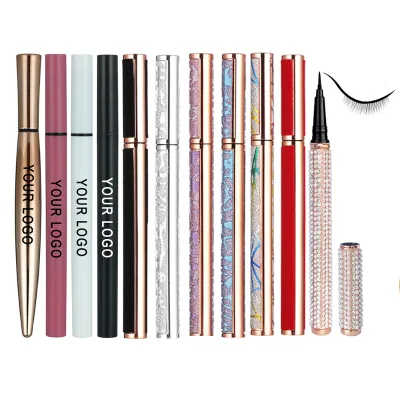


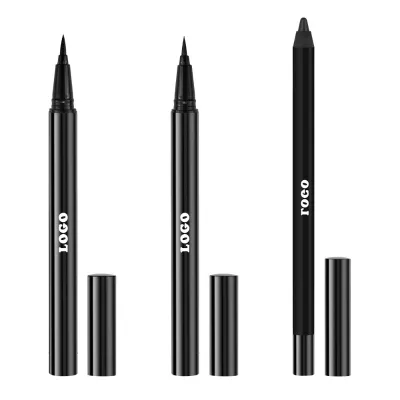
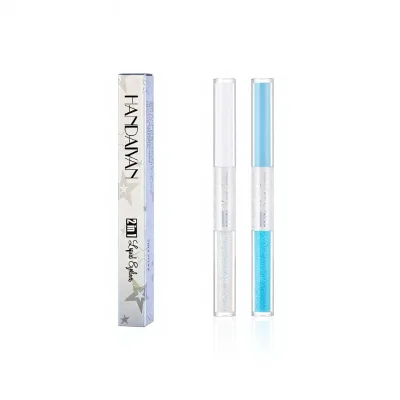
Eyeliner Pencil Packaging Private Label Empty Pen Eyeliner Liquid Eyeliner Pen
$0.34 - $0.35
MOQ: 12000 Pieces

Eyeliner Pen Eyebrow Pen Plastic Tube Bottle PP Container Makeup Cotton Pen
$0.25 - $0.26
MOQ: 12000 Pieces





Comprehensive Sourcing Guide
Strategic Sourcing Guide for Silk Screen Printed Eyeliner Pens
Understanding Product Specifications and Formulation Variability
When sourcing silk screen printed eyeliner pens, buyers must first establish a clear understanding of the physical and chemical specifications that define the product. The core item is an eyeliner pen, typically categorized under eye cosmetics, designed for precise application on the eyelid. The formulation is generally a pencil-style product that utilizes a chemical base, often incorporating mineral ingredients to achieve the desired texture and pigment density. The primary function of these products is to provide a waterproof and long-lasting finish, ensuring the makeup remains intact despite oil production or environmental factors.
The physical attributes of the eyeliner pen are critical for logistics and inventory planning. The single package size for these items typically measures around 14 cm in length by 1.5 cm in width and 1 cm in depth. The gross weight of a single unit is approximately 0.018 kg, which is a vital figure for calculating shipping costs, particularly for air freight. The packaging is often customized, ranging from individual boxes to larger cartons, with some suppliers offering carton plus waterproof packing to ensure product integrity during transit. The material of the pen body is predominantly plastic, which allows for the durability required for daily use while keeping production costs manageable.
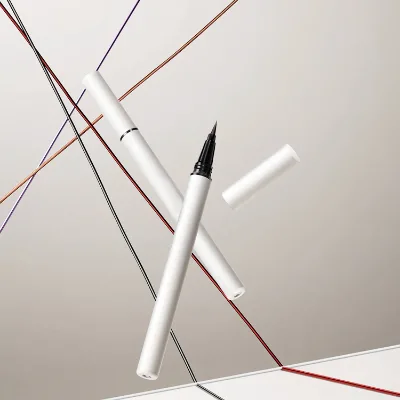
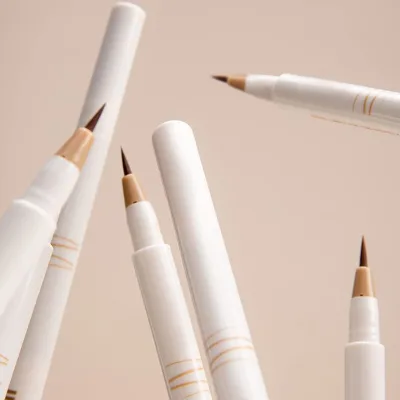
Color options are a significant differentiator in this category. While black is the most common and standard color, suppliers often offer a range including white, pink, gold, coffee, and multi-colored variations. The specific model numbers associated with these pens vary widely, with identifiers such as YXB-01, eyeliner022, Eyeliner010, E-861, E-036, E-125, and E-801 appearing in product listings. Some models are specifically designated as "magic eyeliner," suggesting unique application properties. The standard weight for the product itself can vary, with some specifications noting a standard of 15g, while others may reference bulk packaging standards like 0.52kg per box or dimensions of 47x35x40cm per box. Buyers must verify the exact standard weight and dimensions for their specific order, as these figures directly impact freight calculations and shelf space requirements.
Compliance and Certification Verification Protocols
In the cosmetics industry, compliance is not merely a regulatory formality but a fundamental requirement for market access and consumer trust. When sourcing eyeliner pens, particularly those manufactured in regions like Hebei, China, buyers must rigorously verify the certification status of the supplier. The product documentation often cites certifications such as MSDS (Material Safety Data Sheet), GMPC (Good Manufacturing Practice for Cosmetics), ISO, and GMP. The presence of these certifications indicates that the manufacturing facility adheres to specific quality and safety management systems.
However, buyers should treat these certifications as observations of the supplier's current status rather than universal guarantees for every unit in a batch. The specific standard ISO 22716, which outlines Good Manufacturing Practices for cosmetics, is often referenced in the industry background, but its explicit application to a specific batch should be confirmed through direct communication with the supplier. The product ingredient list typically includes chemical components and minerals, and the usage is stated as suitable for all skin types with no reported allergies. Despite these claims, the verification of the MSDS is essential to ensure that the chemical composition is safe for transport and use.
The certification landscape also includes quality standards such as "Top Quality" assertions found in product descriptions. While these are marketing attributes, they should be backed by tangible evidence. Buyers should request copies of the actual certification documents rather than relying on the presence of a logo on a product page. The origin of the product is consistently listed as China, specifically Hebei, which is a known hub for cosmetic manufacturing. Understanding the regulatory environment of the origin country is crucial, as it dictates the baseline requirements for export. Buyers must ensure that the certifications held by the supplier are recognized and valid in the destination market, as standards can vary significantly between regions.
Cost Drivers and Pricing Structure Analysis
The pricing of silk screen printed eyeliner pens is influenced by a complex interplay of factors, including material costs, customization levels, and order volume. The observed price range for these products in the market spans from $0.12 to $2.90 USD. This wide variance suggests that the final price is highly dependent on the specific configuration of the order. The base cost is driven by the raw materials, primarily the plastic used for the pen body and the chemical formulation of the eyeliner ink. The inclusion of mineral ingredients and the complexity of the chemical formulation can also impact the unit cost.
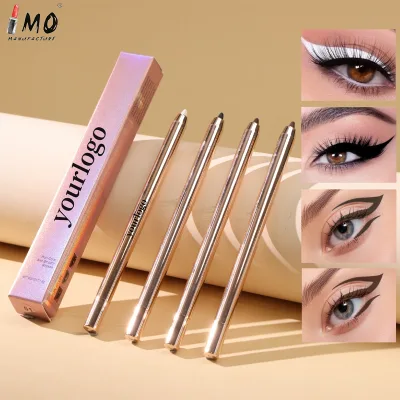
A significant cost driver is the customization of the product. The market data indicates that customization is available, with options for logo printing and custom packaging. Suppliers often welcome OEM (Original Equipment Manufacturer) and ODM (Original Design Manufacturer) requests, allowing buyers to create a unique brand identity. However, these customizations come with a price premium. The complexity of the silk screen printing process, which involves applying the brand logo or design to the pen body, adds to the production time and cost. The level of detail in the printing and the number of colors used in the design will further influence the final price.
Order volume is another critical factor in determining the cost. The Minimum Order Quantity (MOQ) varies significantly across suppliers, ranging from as low as 1 piece to as high as 30,000 pieces. Some listings specify an MOQ of 10 pieces, while others require 12,000 pieces. This disparity highlights the importance of negotiating terms that align with the buyer's inventory strategy. Smaller orders typically carry a higher unit cost due to the fixed costs of setup and production runs. Conversely, larger orders benefit from economies of scale, reducing the per-unit price. Buyers must balance the need for inventory flexibility with the desire for lower unit costs. The selling unit is typically a single item, but bulk purchasing in cartons is common for wholesale transactions. Understanding these cost drivers allows buyers to forecast their budget accurately and negotiate effectively with potential suppliers.
Typical Applications and Market Usage Scenarios
Silk screen printed eyeliner pens are versatile tools used primarily in the cosmetics sector, specifically for eye makeup application. The primary function is to define the eyes, creating looks that range from subtle to dramatic. The waterproof and oil-proof features make these pens particularly suitable for use in humid environments or for individuals with oily skin, ensuring the makeup remains intact throughout the day. The quick-dry formulation is another key attribute, allowing for rapid application without smudging, which is essential for professional makeup artists and daily users alike.
The applications extend beyond personal use to professional settings such as fashion shows, film and television production, and festival events. The durability of the product makes it ideal for long-duration events where touch-ups are difficult or impractical. The "All skin, No allergy" claim suggests broad applicability, making these pens suitable for a wide demographic. However, buyers should verify this claim through patch testing or clinical data if targeting sensitive skin markets. The product is designed for daily use, but its robustness also supports its use in emulation or theatrical contexts where specific character looks are required.
The customization aspect of these pens allows for targeted marketing applications. Brands can use the silk screen printing to create limited edition colors or special packaging for holiday seasons and promotional campaigns. The availability of multiple colors, including white, pink, gold, and coffee, enables brands to cater to diverse fashion trends and consumer preferences. The "Magic Eyeliner" model, for instance, might be marketed as a premium product with unique application properties, appealing to a niche segment of the market. Understanding these applications helps buyers position their products effectively and select the right specifications for their target audience.
Supplier Evaluation and Selection Criteria
Selecting the right supplier for silk screen printed eyeliner pens requires a thorough evaluation of their capabilities, reliability, and compliance record. The first step is to verify the supplier's location and origin. Most of the products in this category originate from Hebei, China, a region known for its manufacturing infrastructure. Buyers should confirm the specific factory location to assess the logistics and potential risks associated with the supply chain.
The supplier's ability to handle customization is a critical evaluation point. Buyers should inquire about the supplier's experience with OEM and ODM projects, including their capacity for logo printing and custom packaging. The availability of different model numbers, such as YXB-01, E-861, and E-036, indicates a diverse product range, but the supplier's ability to maintain consistency across these models is equally important. The MOQ requirements should be aligned with the buyer's order volume; suppliers with flexible MOQs may be more suitable for startups, while those with high-volume capabilities are better for established brands.
Quality assurance is another key criterion. Buyers should request samples to test the product's performance, including its waterproof and long-lasting properties. The "Top Quality" claim should be substantiated by the supplier's quality control processes. The presence of certifications like GMPC, ISO, and GMP is a positive indicator, but buyers should verify the validity of these certifications through official channels. The supplier's response time and communication style are also important factors, as they reflect the overall professionalism and reliability of the partnership.
Quality Control and Inspection Procedures
Implementing a robust quality control (QC) strategy is essential to ensure that the sourced eyeliner pens meet the required standards. The QC process should begin with the verification of raw materials, including the plastic used for the pen body and the chemical ingredients of the eyeliner. Buyers should request certificates of analysis (COA) for these materials to ensure they meet safety and quality standards.
During the production phase, regular inspections should be conducted to monitor the manufacturing process. This includes checking the consistency of the silk screen printing, the alignment of the logo, and the quality of the packaging. The single package size and gross weight should be verified to ensure they match the specifications provided. Any deviations should be addressed immediately to prevent the shipment of non-compliant products.
Pre-shipment inspections are crucial to catch any defects before the goods leave the factory. These inspections should cover a random sample of the order, checking for issues such as ink smudging, packaging damage, or incorrect labeling. The waterproof and long-lasting properties should be tested on a sample basis to ensure they meet the advertised performance. The supplier's quality control team should be able to provide detailed reports on these inspections, highlighting any non-conformities and the corrective actions taken.
Long-Term Procurement and Supply Chain Considerations
Sourcing silk screen printed eyeliner pens is not just a one-time transaction but a long-term partnership that requires careful planning and management. Buyers should consider the scalability of the supplier's production capacity to meet future demand. As the brand grows, the ability to increase order volumes without compromising quality or lead times is essential. The MOQ flexibility of the supplier can play a significant role in this, allowing for adjustments in order sizes based on market fluctuations.
Supply chain resilience is another critical consideration. Buyers should assess the supplier's ability to handle disruptions, such as raw material shortages or logistical challenges. Having a diversified supplier base can mitigate these risks, ensuring a steady supply of products. The lead time for production and shipping should be clearly defined and agreed upon to avoid delays in product launches.
Sustainability is becoming an increasingly important factor in procurement. Buyers should inquire about the environmental impact of the packaging and the manufacturing process. The use of eco-friendly materials and sustainable practices can enhance the brand's reputation and appeal to environmentally conscious consumers. The customization options, such as logo printing and packaging, should be evaluated for their potential to support sustainability goals, such as reducing waste or using recyclable materials.
In conclusion, sourcing silk screen printed eyeliner pens requires a comprehensive approach that balances technical specifications, compliance, cost, and supplier reliability. By carefully evaluating these factors, buyers can secure a high-quality supply chain that supports their business growth and meets the demands of the cosmetics market.
FAQs
What certifications do these eyeliner pens typically hold?
These eyeliner pens typically hold certifications such as MSDS, GMPC, ISO, and GMP. Buyers should verify these documents directly with the supplier to ensure they are valid for the specific batch and destination market.
Can I customize the logo and packaging for this product?
Yes, customization is available for both logo printing and packaging design. Suppliers welcome OEM and ODM requests, allowing buyers to create unique branding with custom boxes or specific carton packing styles.
What is the minimum order quantity for these eyeliner pens?
The minimum order quantity varies significantly, ranging from 10 pieces to 30,000 pieces depending on the supplier. Some listings specify an MOQ of 10 pieces, while others require much larger volumes like 12,000 pieces.
Which colors are available for the silk screen printed eyeliner?
Available colors include black, white, pink, gold, coffee, and multi-colored options. Buyers should confirm the specific color availability for their chosen model number as variations exist across different product listings.
Where are these eyeliner pens manufactured and what is the origin?
These eyeliner pens are manufactured in Hebei, China. The product origin is consistently listed as China, which is a known hub for cosmetic manufacturing, influencing logistics and regulatory compliance for export.
How much does a single unit of this eyeliner pen weigh?
A single unit weighs approximately 0.018 kg. This gross weight is a critical figure for calculating shipping costs, particularly for air freight, and helps determine the total weight for bulk carton shipments.
What are the key features of the eyeliner pen formulation?
Key features include waterproof, quick-dry, long-lasting, and oil-proof properties. The formulation uses chemical and mineral ingredients designed to stay intact on oily skin and resist smudging during daily use.