Source Silver Orthodontic Brackets for clinics, labs, and hospitals
Find 30 listings for Silver Orthodontic Brackets suitable for dental clinics and laboratories. Buyers can compare metal and ceramic options, slot sizes, and customization features from suppliers in Foshan and Guangdong.
Key considerations
Products List


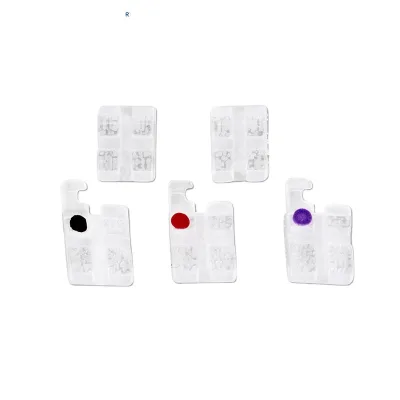


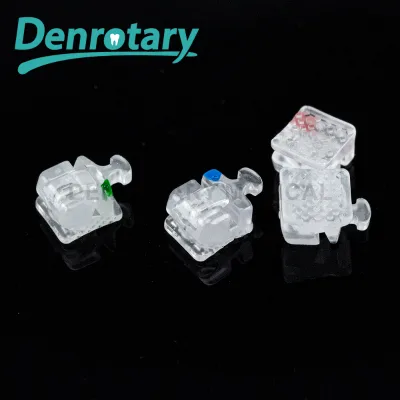
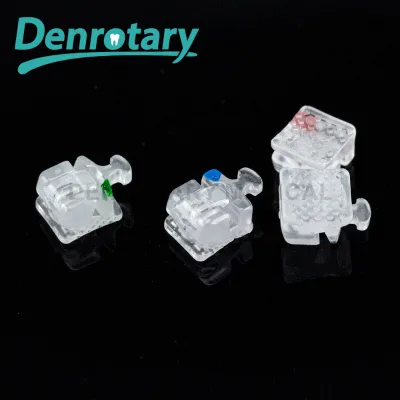
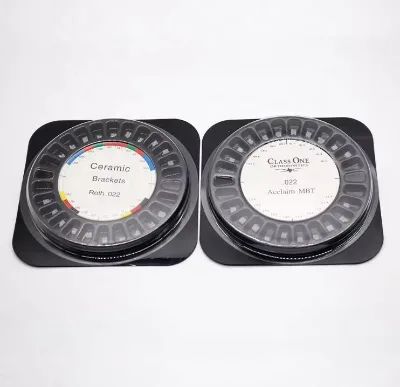
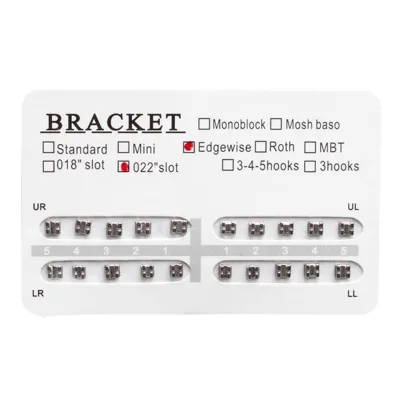

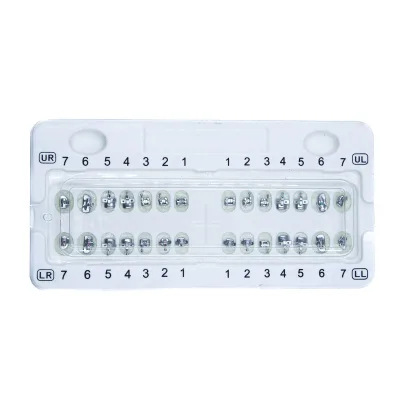
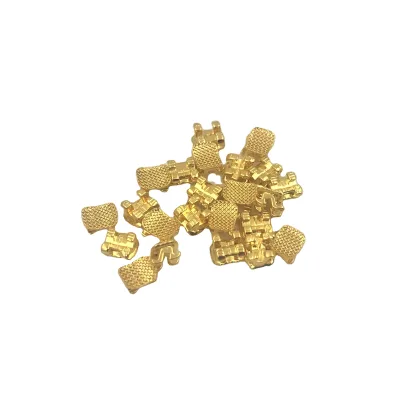
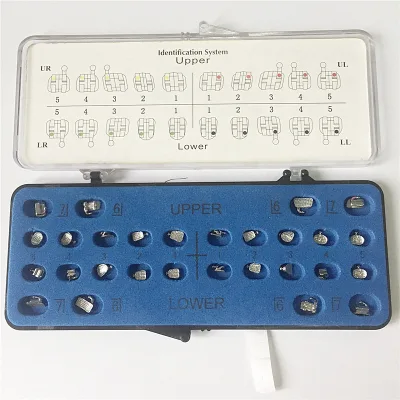
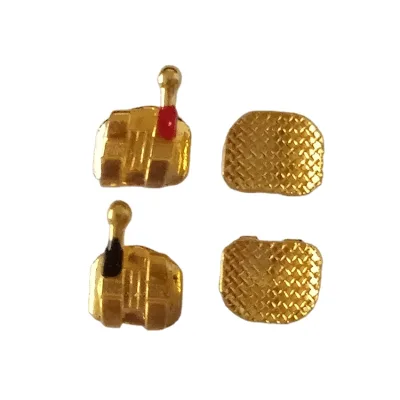
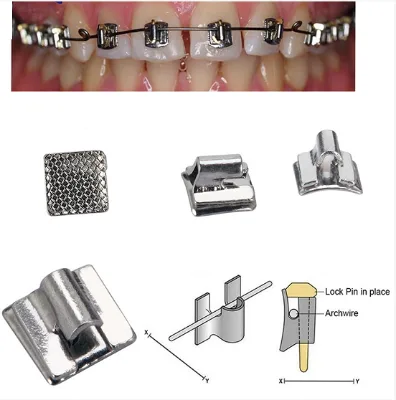

Dental Wholesale Price Orthodontic Self-Ligating Machining Cut Metal Brackets
$30.00 - $35.00
MOQ: 10 Sets

Comprehensive Sourcing Guide
Strategic Sourcing Guide for Silver Orthodontic Brackets
Understanding Product Definitions and Material Variations
When initiating a procurement strategy for Silver Orthodontic Brackets, the primary challenge lies in distinguishing between the visual descriptor "silver" and the actual material composition defined in technical specifications. In the context of dental orthodontics, "silver" typically refers to the metallic sheen of stainless steel brackets, which are the industry standard for durability and cost-effectiveness. However, the available market data reveals a complex landscape where product attributes vary significantly. While the core keyword implies a metallic composition, observed product listings explicitly categorize materials as both "Metal" and "Ceramics." This distinction is critical for buyers, as ceramic brackets, while aesthetically pleasing, differ fundamentally in mechanical properties and bonding requirements compared to their metal counterparts.
The procurement process must begin with a rigorous verification of the material attribute. Buyers should not assume that all "silver" appearing brackets are made of stainless steel. The data indicates that some products are classified under "Orthodontic Metal Brackets" with a material specification of "Metal," while others are listed as "Ceramic Brackets" with a material of "Ceramics." This divergence suggests that a supplier's catalog may contain mixed inventory, or that the term "silver" is being used loosely to describe the finish rather than the substrate. Consequently, the first step in sourcing is to request explicit material certificates or technical data sheets that confirm the alloy composition, such as stainless steel grades, rather than relying on visual descriptions or generic product titles.
Technical Specifications and Slot Configuration
The functional performance of orthodontic brackets is dictated by precise technical specifications, particularly the slot size and bracket type. For buyers seeking silver brackets, the slot configuration is the most critical parameter for compatibility with archwires. The observed market data highlights specific slot sizes, including "018 022 Slot Roth M/B/T Edgewise Ortho Brace." This indicates that the brackets are designed to accommodate standard edgewise mechanics, which are prevalent in general orthodontic treatments. The "Roth" designation refers to a specific prescription of torque and angulation, which must be matched to the clinician's treatment plan.
Furthermore, the classification of the product type is essential. Listings distinguish between "Orthodontic Brackets," "Ceramic Brackets," and "Clear Self-Ligating Bracket." While the latter is often associated with aesthetic options, the "silver" brackets are predominantly found under the "Metal" and "Orthodontic Metal Brackets" categories. The data also notes variations in the "Hook" configuration, ranging from "No Hook" to "3hook" or "345hook Stock Teeth Dental." This variation impacts the bracket's ability to attach auxiliary components like elastics. Buyers must verify whether the specific silver brackets they are sourcing include the necessary hooks for their intended application or if they require a custom modification. The "Mini, Low Profile" specification observed in the data suggests a trend toward patient comfort, which is a significant factor in modern orthodontic procurement.
Compliance, Certification, and Regulatory Standards
Navigating the regulatory landscape is a non-negotiable aspect of sourcing medical devices, including orthodontic brackets. The provided facts confirm that certain products in this category carry "CE" certification, and some listings mention "CE./ISO" certificates. This indicates that the products are compliant with European health, safety, and environmental protection standards, which is a baseline requirement for many international markets. Additionally, the "Instrument Classification" is listed as "Class I," which generally implies a lower risk category compared to Class II or III devices, yet it still mandates adherence to specific quality management systems.
Buyers must exercise caution when interpreting these certifications. The presence of a "CE" mark on a listing does not automatically guarantee that every SKU in a supplier's inventory holds the same status. The data shows a mix of "Customized" standards and specific certifications like "CE" and "ISO." It is imperative for the procurement team to request valid, up-to-date copies of these certificates for the specific batch of brackets being ordered. Furthermore, the attribute "Ethylene Oxide Sterilization" is explicitly mentioned for some products, indicating that the brackets are supplied in a sterile condition. For other items, the sterilization status may be undefined, requiring the buyer to clarify whether the product is sterile or non-sterile and to plan for their own sterilization protocols if necessary. The "Standard" attribute is noted as "Customized" in some contexts, which implies that buyers may need to negotiate specific regulatory compliance requirements with the supplier to meet local market regulations.
Cost Drivers and Pricing Dynamics
The pricing structure for orthodontic brackets is influenced by a confluence of factors including material type, customization level, and order volume. The observed price range in the market spans from $0.85 to $226 USD, a variance that reflects the diversity of product offerings from basic metal brackets to specialized, customized systems. The lower end of this spectrum likely corresponds to standard stainless steel brackets with minimal customization, while the higher end may include complex designs, specific slot prescriptions, or premium packaging.
Minimum Order Quantity (MOQ) is another significant cost driver. The data indicates an MOQ range of 1 to 1000 units. Suppliers with an MOQ of 100 PCS are common, suggesting that small clinics or trial orders may face higher per-unit costs or may need to aggregate orders to meet the threshold. Conversely, the ability to order as few as 1 unit suggests a market that accommodates sampling or very small-scale procurement. The "Customization" attribute being "Available" and "OEM/ODM" being "Welcome" introduces variable costs. Customizing the bracket design, logo printing, or packaging will inevitably increase the unit price and potentially extend the lead time. Buyers should anticipate that "Customized" products will command a premium over "Standard" inventory. Additionally, the "Power Supply" being listed as "Manual" for some items suggests that the cost is driven by the mechanical design rather than electronic components, which helps keep baseline costs lower for standard metal brackets.
Supplier Evaluation and Operational Capabilities
Evaluating potential suppliers requires a deep dive into their operational capabilities and geographical footprint. The data points to a concentration of manufacturing in "Foshan, Guangzhou" and "Foshan, Guangdong," China. This region is a known hub for medical device manufacturing, offering a robust supply chain for dental products. However, the presence of multiple origin locations, including a general "China" designation, necessitates verification of the specific factory location to ensure quality control consistency.
Key operational attributes to verify include the "After-Sale Service" and "Warranty." The data confirms that "Online Technical Support" is available and a "1 Year" warranty is offered on some products. This indicates a supplier commitment to post-sales support, which is crucial for resolving issues related to bracket failure or bonding problems. The "Processing" method is listed as "Brick Production Line," which is an unusual descriptor for dental brackets and may indicate a data entry error or a specific manufacturing process that requires clarification. Buyers should investigate this to ensure the production methodology aligns with industry standards for metal forming and finishing.
Furthermore, the "Product Name" and "Keyword" consistency across listings can be a proxy for supplier reliability. Listings that consistently use "Orthodontic Metal Brackets" and "Orthodontic Brackets" alongside specific model numbers like "SCS-STBK" and "SCS_ZJZSTC-1" suggest a more organized and professional operation. Buyers should prioritize suppliers who provide clear model numbers and consistent product naming conventions to avoid confusion during the ordering process. The "Nature" of the product as "Specialized Instrument Equipment" reinforces the need for suppliers with specific expertise in orthodontics rather than general medical device manufacturers.
Quality Control and Long-Term Procurement Considerations
Ensuring long-term quality in orthodontic bracket procurement involves establishing robust quality control (QC) protocols and understanding the lifecycle of the product. The "Usage Times" attribute presents a contradiction in the data, with some listings stating "Non-Disposable" and others "Disposable." This discrepancy highlights the need for explicit clarification. In standard orthodontic practice, metal brackets are typically non-disposable and remain on the teeth for the duration of the treatment, whereas certain components or specific types of brackets may be single-use. Buyers must confirm the intended usage profile to ensure the product matches their clinical workflow.
Packaging is another critical QC factor. The data shows variations from "Carton Box" to "Plastic Box" and "Individually Packaged." Individual packaging is generally preferred for maintaining sterility and preventing cross-contamination, especially for products that are not pre-sterilized. The "Standard Export Carton" mentioned in the data suggests that bulk shipping is available, but the internal packaging must be verified to ensure it protects the brackets from damage during transit.
For long-term procurement, the "Customization" and "OEM" capabilities are vital. The ability to print logos and customize packaging allows clinics to build brand identity. However, buyers should establish clear guidelines for these customizations to ensure they do not compromise the bracket's structural integrity or sterility. The "Slot" and "Hook" specifications must remain consistent across large orders to prevent clinical errors. Finally, the "Warranty" of 1 year provides a safety net for product defects, but buyers should understand the terms of this warranty, including what constitutes a defect versus normal wear and tear, and the process for claiming replacements. By focusing on these detailed attributes, buyers can secure a reliable supply of high-quality Silver Orthodontic Brackets that meet both clinical and operational requirements.
FAQs
What material are Silver Orthodontic Brackets typically made of?
Silver Orthodontic Brackets are typically made of metal, specifically stainless steel, though ceramic options also exist. Buyers must verify the material specification in product data sheets to distinguish between metal and ceramic compositions before ordering.
Which certifications do these brackets usually hold?
Many Silver Orthodontic Brackets carry CE certification and some listings mention CE or ISO certificates. Buyers should request valid, up-to-date copies of these certificates for the specific batch to ensure regulatory compliance in their target market.
How are the brackets packaged for shipping?
Packaging varies from carton boxes and plastic boxes to individually packaged units. Individual packaging is preferred for maintaining sterility, while standard export cartons are used for bulk shipping to protect brackets during transit.
Can suppliers offer customization and logo printing?
Yes, customization is available and OEM services are welcome, including logo printing. Buyers should anticipate that customized products will command a premium over standard inventory and may have extended lead times.
What is the typical minimum order quantity for these brackets?
The minimum order quantity ranges from 1 to 1000 units, with 100 pieces being a common threshold. Small clinics may need to aggregate orders to meet the 100-piece MOQ or find suppliers accepting smaller trial quantities.
Where are these brackets manufactured?
Manufacturing is concentrated in Foshan, Guangzhou, and Guangdong, China. Buyers should verify the specific factory location to ensure quality control consistency and reliable supply chain management for their procurement needs.
What warranty is provided for these dental instruments?
A 1-year warranty is offered on some products with online technical support available. Buyers must understand the warranty terms to distinguish between product defects and normal wear and tear when claiming replacements.