Source Silver Gold Crystal Amethyst Necklace for Fashion, Gifts, and Retail
Find 30 listings for Silver Gold Crystal Amethyst Necklace options featuring alloy and 925 sterling silver materials. Compare gold, silver, and rhodium plating styles with custom sizes and SGS-certified production from Guangzhou suppliers.
Key considerations
Products List


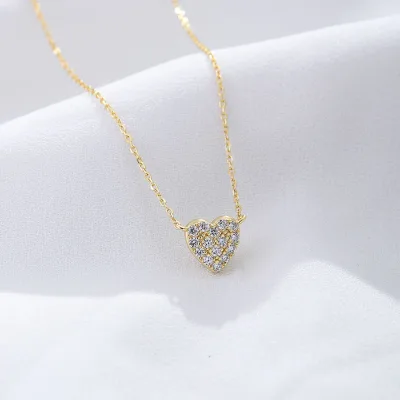
Fashion Necklace Chain Gold with Crystals and Rhinestone Pendant 22~24+5cm
$2.40 - $2.50
MOQ: 500 Pieces

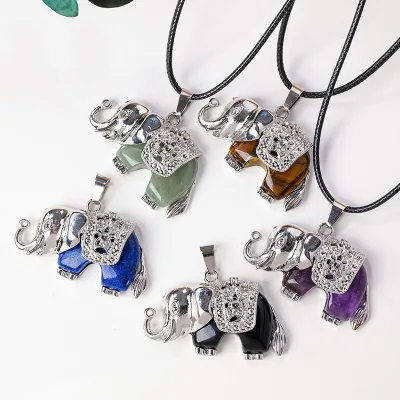




Comprehensive Sourcing Guide
Silver Gold Crystal Amethyst Necklace Sourcing Guide
Navigating the market for silver, gold, crystal, and amethyst necklaces requires a clear understanding of the diverse material compositions and design variations available in the current supply chain. Buyers must recognize that "silver" and "gold" in this context often refer to plating layers on alloy bases rather than solid precious metals, a distinction that significantly impacts both cost and durability. The observed product data indicates a wide spectrum of offerings, ranging from simple fashion accessories to more intricate designs featuring specific pendant shapes like crosses, stars, and circles. This variability means that a single search term can yield products with vastly different material standards, from 925 sterling silver to gold-plated alloys, necessitating precise specification during the initial inquiry phase.
The procurement strategy for these items must account for the high degree of customization available, which is a dominant feature in the current listings. Suppliers frequently offer tailored solutions for pendant shapes, patterns, and even chain lengths, allowing brands to create unique product lines without the burden of developing tooling from scratch. However, this flexibility introduces complexity in quality control, as the final appearance of the plating and the setting of crystals or amethysts can vary between batches. Buyers should prioritize suppliers who demonstrate a robust ability to maintain consistency across customized orders, ensuring that the visual appeal of the silver, gold, and crystal elements remains uniform regardless of the specific design requested.
Product Scope and Observed Listing Signals
The product scope for silver, gold, crystal, and amethyst necklaces spans a broad range of styles, from retro and fashion-forward designs to simple, everyday wear. Observed listings reveal that these items are primarily targeted at female consumers, though some models are explicitly suitable for both male and female demographics. The pendant shapes identified in the market data include charms, crosses, rounds, squares, stars, and circles, indicating a versatile design landscape that caters to various aesthetic preferences. This diversity allows buyers to curate collections that appeal to different market segments, provided they can clearly define the specific style attributes required for their target audience.
Material composition is a critical signal when evaluating product listings, as the data shows a mix of alloy bases and genuine 925 sterling silver options. While many items feature gold or silver plating, some listings explicitly specify 925 sterling silver as the primary material, often accompanied by rhodium plating for enhanced durability and shine. The presence of crystal and amethyst elements suggests that these necklaces often serve as decorative pieces with a focus on visual impact rather than intrinsic material value. Buyers must carefully distinguish between plated alloy items and solid silver pieces, as this distinction dictates the pricing structure, longevity, and the appropriate marketing narrative for the finished product.
Technical Specifications to Verify
When verifying technical specifications, the chain length and pendant dimensions are paramount, as these directly influence the fit and aesthetic balance of the necklace. The observed data includes specific length ranges such as 2224+5cm and 2224+3cm, alongside a general 45cm specification, highlighting the importance of confirming exact measurements before placing an order. Customized sizing is a common offering, but buyers must ensure that the supplier can consistently meet the requested dimensions, as variations in chain length can alter the perceived value and wearability of the piece. Clear communication regarding these specifications is essential to avoid receiving products that do not align with the intended design or customer expectations.
The setting method and plating quality are equally critical technical factors that determine the longevity and finish of the necklace. Listings indicate the use of wax settings for stones, which is a specific technique that must be verified to ensure the security of the crystal or amethyst components. Additionally, the plating options observed include gold, silver, and rhodium, each offering different levels of resistance to tarnish and wear. Buyers should request detailed information on the thickness of the plating and the specific alloy composition to assess the product's durability. Without these technical details, there is a risk of receiving items that may lose their luster quickly or lose their stone settings during regular use.
Compliance and Safety Documentation
Compliance and safety documentation for jewelry items, particularly those involving plating and stone settings, must be rigorously verified to meet international market standards. The observed data references SGS certification, which serves as a key indicator of quality and safety compliance for the products listed. Buyers should insist on seeing valid SGS test reports that specifically address the safety of the materials used, including the absence of harmful substances like lead or nickel in the plating and alloy components. This documentation is not merely a formality but a critical requirement for entering regulated markets where consumer safety is strictly enforced.
In addition to material safety, buyers must verify that the products adhere to relevant industry standards regarding labeling and origin. The data points to Guangzhou, China, as a primary origin, and while this is a major manufacturing hub, it necessitates a thorough review of the supplier's ability to provide accurate country-of-origin documentation. For items claiming to be 925 sterling silver, the presence of a hallmark or a specific standard declaration is essential to validate the purity claim. Ensuring that all compliance documents are up-to-date and match the specific product model numbers helps mitigate the risk of customs delays or legal issues in the destination market.
Cost Drivers and Commercial Terms
Cost drivers for silver, gold, crystal, and amethyst necklaces are heavily influenced by the choice of base material and the complexity of the plating process. Items made from 925 sterling silver with rhodium plating will naturally command a higher price point compared to those made from alloy with standard gold or silver plating. The observed price range of 0.1 to 212.85 USD reflects this significant variance, with the lower end likely representing mass-produced alloy items and the higher end corresponding to solid silver or highly customized designs. Buyers must align their budget with the desired material quality, understanding that the cost difference is often a direct reflection of the intrinsic value of the metals used.
Commercial terms, including Minimum Order Quantity (MOQ) and lead times, play a decisive role in the overall procurement strategy. The data indicates an MOQ range from 1 to 1000 units, with specific models requiring a minimum of 30 pieces, suggesting that suppliers are flexible but may have different thresholds based on the customization level. Lead times can extend to 30-40 days, which is a critical factor for inventory planning and time-to-market. Buyers should negotiate these terms early in the process, ensuring that the supplier can meet the required delivery schedule without compromising on quality, especially when dealing with customized designs that require additional production time.
Supplier Qualification and Quality Control
Supplier qualification for this category requires a deep dive into their manufacturing capabilities and their track record with customized orders. The availability of OEM/ODM services is a strong indicator of a supplier's flexibility and ability to adapt to specific brand requirements. Buyers should verify the supplier's experience with the specific materials and settings mentioned, such as wax settings for stones and the application of rhodium plating. A qualified supplier will have a proven history of delivering consistent quality across different product models, ensuring that the transition from prototype to mass production is seamless and that the final product matches the approved samples.
Quality control processes must be robust enough to handle the intricacies of jewelry manufacturing, particularly regarding the security of stone settings and the uniformity of plating. The observed data highlights a variety of product models, each with unique specifications, which means that a one-size-fits-all quality check is insufficient. Buyers should implement a rigorous inspection protocol that includes checking the pendant shapes, verifying the chain lengths, and testing the durability of the plating. Establishing clear quality benchmarks and conducting pre-shipment inspections can help identify and rectify any defects before the products reach the end consumer, protecting the brand's reputation for quality.
Long-Term Procurement Checks
Long-term procurement success depends on establishing a reliable supply chain that can scale with demand while maintaining consistent quality. Buyers should regularly audit their suppliers to ensure that they continue to meet the agreed-upon standards for materials, plating, and craftsmanship. The dynamic nature of the jewelry market means that trends and customer preferences can shift rapidly, requiring suppliers to be agile in their production capabilities. Maintaining open communication and fostering a collaborative relationship with the supplier will help ensure that the supply chain remains responsive to changing market conditions and that the product line can evolve without disruption.
Finally, continuous monitoring of market trends and competitor offerings is essential for staying ahead in the silver, gold, crystal, and amethyst necklace segment. Buyers should keep a close eye on emerging design trends, such as new pendant shapes or plating techniques, and assess whether their current suppliers can adapt to these changes. The ability to source high-quality materials and execute complex designs efficiently will be a key differentiator in the long run. By staying informed and proactive, buyers can ensure that their product offerings remain competitive and that they continue to meet the evolving expectations of their customers.
FAQs
What materials are used for these necklaces?
The necklaces are crafted from alloy and 925 sterling silver. Some items feature gold, silver, or rhodium plating to enhance durability and aesthetic appeal. These materials ensure a premium feel while maintaining cost-effectiveness for bulk orders. Buyers can select between base alloy options or higher-grade sterling silver depending on their target market and budget requirements.
Can I customize the pendant shapes and designs?
Yes, customization is available for pendant shapes, patterns, and designs. Options include charm, cross, round, square, star, and circle shapes. The production model supports OEM and ODM services, allowing buyers to request specific design iterations. This flexibility ensures that the final product aligns precisely with your brand identity and customer preferences.
What is the typical lead time for production?
The standard delivery time is 30-40 days. This timeframe accounts for material sourcing, manufacturing, and quality control processes. Buyers should plan their inventory accordingly to avoid stockouts. Expedited options may be available depending on the complexity of the customization and current factory capacity, so early communication is recommended for urgent orders.
What certifications do the products hold?
The products hold SGS certification, ensuring compliance with international quality and safety standards. This certification is particularly important for markets with strict regulatory requirements. It provides assurance regarding material safety and manufacturing practices. Buyers can rely on these documented standards to facilitate smoother customs clearance and build trust with end consumers.
What is the minimum order quantity for these items?
The minimum order quantity varies, with some items requiring as low as 30 pieces. Other products may have MOQs up to 1000 units. This range allows flexibility for both small boutique orders and large retail distributions. Buyers should check specific product models for exact MOQ requirements to ensure alignment with their purchasing volume and budget constraints.
Where are these necklaces manufactured?
These necklaces are manufactured in Guangzhou, China. This location is a major hub for jewelry production, offering access to skilled labor and efficient supply chains. The proximity to raw material sources helps maintain consistent quality and competitive pricing. Buyers benefit from established logistics networks that facilitate reliable shipping to global destinations.