Source Silver White Pull-Line Socket Eye for Power Lines, Link Hanging, and Cable Connections
Find and compare 30 listings for Silver White Pull-Line Socket Eye components designed for high voltage power lines, link hanging, and cable connections. Options include ductile iron and carbon steel materials with hot-dip galvanized finishes, available in customizable sizes and OEM specifications.
Key considerations
Products List


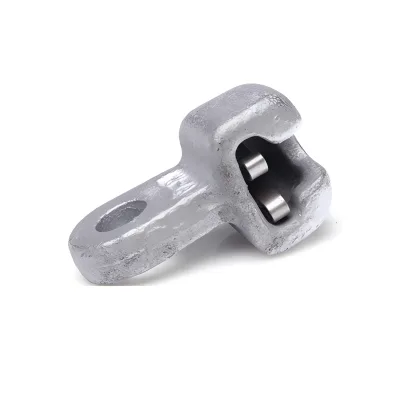
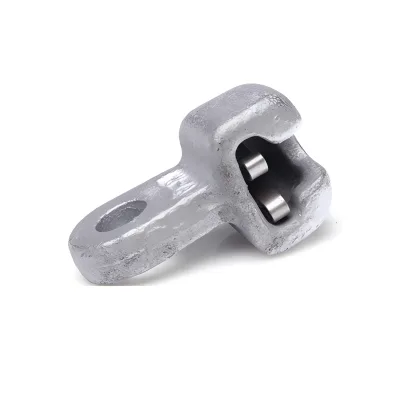


$0.10 - $0.99
MOQ: 1000 Pieces


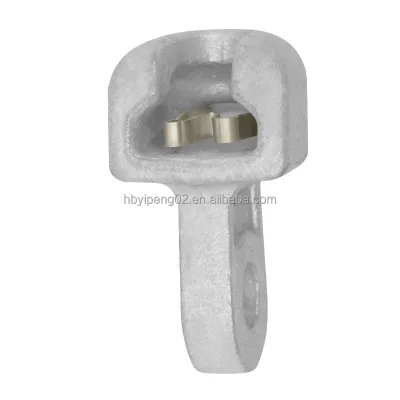


$2.00 - $3.00
MOQ: 1000 Pieces
Comprehensive Sourcing Guide
Silver White Pull-Line Socket Eye Sourcing Guide
Sourcing silver white pull line socket eyes requires a disciplined approach to distinguishing between aesthetic finishes and functional material properties. The term "silver white" often refers to the visual appearance of galvanized or aluminum components, but in high-voltage power line applications, the underlying material integrity is paramount. Buyers must verify whether the component is made from ductile iron, carbon steel, or aluminum, as each material offers different tensile strengths and corrosion resistance profiles. The observed market data indicates a wide variance in material specifications, ranging from ductile iron castings to aluminum types, which directly impacts the component's suitability for specific mechanical loads and environmental conditions.
The visual finish of "silver white" is frequently achieved through hot-dip galvanization or the use of galvanized sheet metal, processes that provide essential protection against rust and environmental degradation. However, procurement teams must not rely solely on color as an indicator of quality or compliance. The surface treatment process, whether it involves hot-dip galvanization or other methods, must be verified against the project’s environmental exposure requirements. In high-voltage power line contexts, the connection integrity and the ability of the socket eye to withstand tension are critical, meaning that the aesthetic description must be cross-referenced with technical data sheets to ensure the component meets the required mechanical standards.
Product Scope and Observed Listing Signals
The current market landscape for pull line socket eyes reveals a diverse range of product attributes that buyers must navigate carefully. Observed listings indicate that these components are primarily used as line fittings for high-voltage power lines, serving functions such as linking and hanging cables. The product count in the observed data set is thirty, suggesting a niche but active supply chain. Prices observed range from $0.1 to $10 USD, which reflects the significant variation in material quality, manufacturing processes, and order quantities. This wide price band underscores the importance of defining precise technical requirements before engaging with suppliers, as low-cost options may not meet the rigorous demands of high-voltage infrastructure projects.
Minimum Order Quantities (MOQs) in the observed data range from 100 to 1000 units, indicating that suppliers are generally geared towards bulk industrial procurement rather than small-scale retail. Many suppliers offer customization services, accepting OEM/ODM requests and allowing for custom sizes and dimensions based on client drawings or samples. This flexibility is crucial for projects with unique engineering specifications, but it also introduces complexity in the sourcing process. Buyers must ensure that customized orders do not compromise standard safety margins or lead to extended lead times, which can disrupt project schedules. The availability of standard packages, such as pallets, cartons, or export-standard packaging, further highlights the need to align logistics requirements with supplier capabilities.
Technical Specifications to Verify
Verifying the technical specifications of pull line socket eyes is the most critical step in ensuring component reliability. The observed data highlights several key material options, including ductile iron, casting steel, and aluminum, each with distinct mechanical properties. For instance, some listings specify a weight range of 0.5kg to 2kg, while others indicate a breaking strength or load capacity of 70kN to 300kN. Buyers must explicitly confirm the material grade and manufacturing process, such as casting, machining, drop forging, or surface treatment, to ensure the component can withstand the expected mechanical stresses. The model numbers, such as "W-type" or "70KN," should be cross-referenced with engineering drawings to ensure compatibility with existing hardware.
Surface finish and corrosion resistance are equally important technical considerations. The "silver white" appearance is often associated with hot-dip galvanization, a process that provides a durable zinc coating to protect the base metal. However, buyers must verify the thickness and quality of this coating, as well as the underlying material's resistance to corrosion in specific environmental conditions. Some listings mention "galvanized sheet" or "hot-dip galvanized" finishes, but the exact standards for these treatments are not always specified. Additionally, the mounting type, described as "make cable connect," must be compatible with the cable diameter and type being used. Buyers should request detailed dimensional drawings and material certificates to validate these specifications before placing orders.
Compliance and Safety Documentation
Compliance with international and regional standards is essential for pull line socket eyes used in high-voltage power lines. The observed data references several standards, including ISO9001:2008, IEC, DIN, GB, ANSI, BSW, JIS, and GOST. Buyers must verify which specific standards apply to their project, as different regions and utilities have different regulatory requirements. For example, projects in Europe may require compliance with DIN or EN standards, while those in Asia might adhere to GB or JIS standards. The presence of a standard on a product listing does not guarantee that the specific component meets all relevant clauses; buyers should request certification documents or test reports from the supplier to confirm compliance.
Safety documentation should also include evidence of quality control processes and testing procedures. The observed data mentions "quality testing" and "self-produced" sources, which are positive indicators, but buyers should seek more detailed information. This includes tensile strength test results, corrosion resistance test data, and proof of adherence to manufacturing quality management systems. For components with a specified load capacity, such as 70kN, buyers should request third-party test reports to validate these claims. Additionally, documentation regarding the origin of raw materials and the manufacturing location, such as Shanxi, Wenzhou, Henan, or Qingdao in China, can help assess the supplier's supply chain transparency and reliability.
Cost Drivers and Commercial Terms
Understanding the cost drivers for pull line socket eyes helps buyers negotiate better commercial terms and avoid unexpected expenses. The primary cost drivers include the material type, manufacturing process, surface treatment, and order quantity. Ductile iron and carbon steel components may be more cost-effective for high-load applications, while aluminum options might be preferred for lightweight requirements. The manufacturing process, whether casting, forging, or machining, also significantly impacts the price, with more complex processes generally incurring higher costs. Surface treatments like hot-dip galvanization add to the expense but are necessary for long-term durability in outdoor environments.
Commercial terms such as payment methods, delivery times, and packaging requirements also influence the total cost of ownership. The observed data indicates a delivery time of approximately 30 days after order confirmation, which buyers should factor into their project planning. Packaging options vary, with suppliers offering standard export packages, pallets, cartons, or custom packaging as per client requests. Buyers should clarify who bears the cost of packaging and shipping, especially for international orders. Additionally, the availability of OEM/ODM services may incur additional tooling or setup fees, which should be discussed and agreed upon upfront to avoid disputes during the procurement process.
Supplier Qualification and Quality Control
Supplier qualification is a critical step in mitigating procurement risks for pull line socket eyes. Buyers should assess the supplier's manufacturing capabilities, including their production facilities, equipment, and workforce expertise. The observed data mentions "self-produced" sources, which suggests that some suppliers have in-house manufacturing capabilities, potentially offering better quality control and cost efficiency. However, buyers should verify this claim by requesting factory audits or third-party inspections. It is also important to evaluate the supplier's experience in the power line fittings industry, as specialized knowledge can lead to better product performance and customer support.
Quality control processes should be rigorously evaluated to ensure consistent product quality. Buyers should inquire about the supplier's quality management system, including their procedures for incoming material inspection, in-process quality checks, and final product testing. The observed data mentions "quality testing," but buyers should seek details on the specific tests performed, such as visual inspection, dimensional verification, and mechanical strength testing. Additionally, suppliers should provide a clear process for handling non-conforming products, including return policies and corrective action procedures. Establishing a strong relationship with a qualified supplier can lead to better pricing, improved service, and more reliable supply chains over time.
Long-Term Procurement Checks
Long-term procurement success for pull line socket eyes requires ongoing monitoring and relationship management. Buyers should establish key performance indicators (KPIs) to track supplier performance, including on-time delivery rates, product quality metrics, and responsiveness to issues. Regular audits and reviews can help identify potential problems early and ensure that the supplier continues to meet the project's requirements. Additionally, buyers should maintain open communication with suppliers to stay informed about any changes in product specifications, pricing, or lead times. This proactive approach can help mitigate risks and ensure a stable supply of critical components.
As technology and standards evolve, buyers must remain vigilant about updating their procurement strategies. New materials, manufacturing techniques, or regulatory requirements may emerge that impact the suitability of current components. Buyers should engage with suppliers to discuss potential improvements or alternatives that could enhance performance or reduce costs. Furthermore, diversifying the supplier base can help mitigate supply chain disruptions and provide leverage in negotiations. By maintaining a strategic focus on quality, compliance, and supplier relationships, buyers can ensure the long-term success of their high-voltage power line projects.
FAQs
What material is used for silver white pull line socket eyes
The primary material is ductile iron, which provides the necessary strength for high voltage power line applications. Some variations may use casting steel or aluminum depending on the specific load requirements and design specifications. The material choice directly impacts the durability and weight of the final product.
What surface finish options are available for these socket eyes
Hot dip galvanization is the standard surface treatment, providing a silver gray or silvery white appearance that resists corrosion. This finish is essential for outdoor use in high voltage power line environments. The galvanization process ensures long-term protection against weathering and environmental factors.
Can silver white pull line socket eyes be customized to specific drawings
Yes, customization is available based on client drawings or samples. Manufacturers accept OEM and ODM services, allowing for specific size and dimension adjustments. This flexibility ensures the socket eye fits the exact requirements of the power line infrastructure project.
What is the typical weight range for these socket eyes
The weight generally ranges from 0.5kg to 2kg, depending on the specific model and load capacity. Some specifications indicate a lighter range of 0.5kg to 1.5kg for certain types. The weight is a critical factor in the overall design and installation of the power line system.
Which standards do silver white pull line socket eyes comply with
Products often comply with standards such as IEC, DIN, GB, ANSI, BSW, JIS, and GOST. ISO9001:2008 certification is also common among manufacturers. Adherence to these international standards ensures the socket eyes meet the safety and performance requirements for high voltage power line applications.
What is the typical lead time for ordering these socket eyes
The delivery time is typically 30 days after order confirmation. This timeline allows for the casting, machining if necessary, and surface treatment processes. Specific lead times may vary based on the order quantity and the complexity of the customization required.
How are silver white pull line socket eyes packaged for export
Standard export packaging is used, which may include cartons, pallets, or bags depending on the client's request. Some suppliers offer standardized packages or export standard packages to ensure safe transport. Proper packaging is crucial to prevent damage during shipping and handling.