Source Simple Modern Glass Milk Pot for kitchens, cafes, and restaurants
Explore 30 listings for a Simple Modern Glass Milk Pot featuring stainless steel construction, wooden or standard handles, and glass covers. Buyers can compare sizes ranging from 12cm to 30cm, MOQs from 100 to 600 pieces, and origins in Guangdong, China, to find suitable suppliers for kitchen or restaurant use.
Key considerations
Products List


Kitchenware Non-Stick Cookware Stainless Steel Cooking Pot with Lid Milk Pot
$4.50 - $9.00
MOQ: 100 Pieces


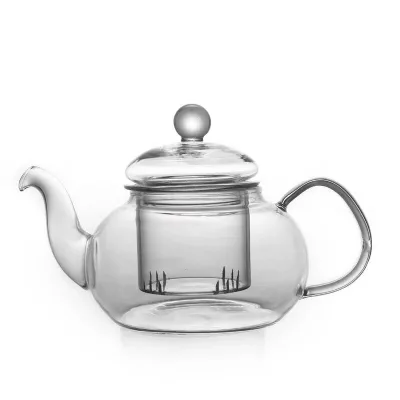


High Quality Milk Boiling Pot Kitchen Utensils Stainless Steel Milk Pot with Spout
$5.80 - $10.30
MOQ: 1000 Pieces
Comprehensive Sourcing Guide
Strategic Sourcing Guide for Simple Modern Glass Milk Pots
The global demand for kitchenware that balances aesthetic appeal with functional durability has elevated the profile of glass milk pots, particularly those featuring a "simple modern" design language. For B2B procurement professionals, sourcing these items requires a nuanced understanding of material properties, manufacturing standards, and supply chain logistics. The specific market segment for glass milk pots often intersects with broader categories of stainless steel cookware and multi-purpose pots, creating a complex landscape where buyers must distinguish between genuine glass products and hybrid or stainless steel alternatives that may be mislabeled in certain listings. This guide provides a disciplined framework for evaluating suppliers and products, ensuring that procurement decisions are grounded in verified facts and industry best practices rather than marketing assertions.
Technical Specifications and Material Composition
When evaluating a Simple Modern Glass Milk Pot, the primary technical differentiator is the material composition. While the core keyword specifies "glass," the provided product data reveals a significant prevalence of stainless steel construction in the broader category of milk pots and pot sets. Buyers must exercise extreme caution when reviewing product listings. Some entries explicitly list "Stainless Steel" as the material, while others specify "Glass Cover" or "Transparent" covers. A true glass milk pot should consist of heat-resistant glass for the main body, often paired with a stainless steel or wooden handle to prevent heat transfer.
The provided data indicates a wide range of sizes, from 12cm to 30cm, with specific models like SSPAN-003 and SSPAN-004 offering dimensions between 18-21cm and 18-28cm respectively. For a milk pot, the capacity is a critical specification. One specific listing notes a capacity of 5.5L, which is substantial for a milk pot, suggesting it may be intended for commercial or high-volume family use. In contrast, other standards reference sizes like 12cm or 18-20cm, which are more typical for individual serving or specialized baby food preparation.
Buyers should verify the following technical attributes against their specific requirements:
- Material Integrity: Confirm whether the pot body is borosilicate glass or if the listing refers to a stainless steel pot with a glass lid.
- Handle Construction: Data shows options for "Wooden Handle" or standard handles. Wooden handles are preferred for thermal insulation in glass cookware.
- Bottom Construction: Some listings specify a "Three Layer" bottom or "One layer bottom," which indicates the presence of a clad base for induction compatibility. A glass pot typically requires a stainless steel base to function on induction cooktops.
- Cover Transparency: The "Transparent" cover attribute is standard for glass pots, allowing visual monitoring of the heating process, a key feature for milk which can scorch easily.
Compliance and Certification Verification
In the food contact sector, regulatory compliance is non-negotiable. The supplied data explicitly mentions "LFGB" and "FDA" certifications for certain models, specifically those originating from Guangdong, China. These are the gold standards for food safety in Europe and the United States, respectively. LFGB (German Food and Feed Code) is particularly rigorous regarding migration limits of harmful substances, while FDA (U.S. Food and Drug Administration) ensures materials are safe for human consumption.
However, the presence of these certifications in a general product listing does not guarantee that every SKU within a supplier's catalog holds them. Procurement teams must treat certification status as a variable that requires individual verification. When sourcing a "Simple Modern Glass Milk Pot," buyers should request current, valid certificates for the specific model number (e.g., BS0018, BS027, or Milk Pot) they intend to purchase. The data also notes "Standard" references like "18-20CM" or "18/20/22/24/26cm," which serve as size standards rather than safety certifications.
Buyers must also consider the "Eco-Friendly" and "Sustainable" attributes mentioned in the data. While these are marketing terms, they often correlate with specific manufacturing processes or material sourcing. In the context of glass, sustainability may relate to the recyclability of the material or the energy efficiency of the production process. Verification of these claims should be sought through third-party audit reports or specific sustainability declarations from the supplier, rather than accepting them as inherent product features.
Cost Drivers and Pricing Dynamics
The observed price range for the category spans from $0.32 to $42.30 USD, a variance that reflects significant differences in product complexity, material quality, and order volume. The lower end of this spectrum likely corresponds to basic stainless steel components, glass lids, or smaller, single-unit items, whereas the higher end may represent complete pot sets with premium handles, specialized coatings, or larger capacities.
Several factors drive the cost of a glass milk pot:
- Material Grade: High-quality borosilicate glass is more expensive than soda-lime glass. Stainless steel 304 or 316 grades also command higher prices than lower-grade alloys.
- Manufacturing Complexity: Pots with "Three Layer" bottoms or specialized "Polish" crafts require more intricate manufacturing steps, increasing unit costs.
- Customization: The availability of "Customized" logos and "OEM&ODM" services adds to the cost. While the base product price may be low, the setup costs for custom branding and the per-unit cost for small runs can be significant.
- Packaging: The data lists various packing methods, from "Per in a Box" to "Standard Seaworthy Package" and "Foam Bag." Robust packaging designed to prevent glass breakage during international shipping adds to the overall landed cost.
Buyers should analyze the Minimum Order Quantity (MOQ) relative to the unit price. The observed MOQ ranges from 1 to 1000 pieces, with specific models like BS0018 requiring 100PCS and others like SSPAN-003 requiring 600PCS. Higher MOQs generally correlate with lower unit prices, but they also increase inventory risk. For a "simple modern" design, the aesthetic value often justifies a higher unit cost if the order volume allows for customization that differentiates the product in the target market.
Typical Applications and Market Segmentation
The functional versatility of glass milk pots makes them suitable for a diverse range of applications. The data explicitly categorizes usage for "Kitchen/Restaurant" and lists functions such as "Soup Pot," "Milk Pot," and "Baby Food Supplement Pot." This indicates that the product is not limited to a single use case but serves as a multi-purpose vessel.
- Domestic Kitchen: The "Simple Modern" aesthetic appeals to contemporary home cooks who value visibility during cooking. The ability to monitor milk heating prevents scorching, a common issue with opaque pots.
- Commercial Food Service: Restaurants and cafes utilize these pots for serving milk-based beverages, soups, or sauces. The "With Cover" and "Transparent" attributes are crucial for presentation and temperature retention.
- Specialized Markets: The specific mention of "Baby Food Supplement Pot" highlights a niche market where safety and ease of cleaning ("Easy Clean: Yes") are paramount. Glass is often preferred here because it does not retain odors or stains and is easy to sterilize.
The "All Purpose" and "General" applicability attributes suggest that these pots are designed to be versatile, compatible with various heat sources (provided the bottom construction supports it). Buyers should match the specific pot size and capacity to their target demographic. For instance, a 5.5L pot is ideal for commercial kitchens, while a 12cm or 18cm pot is better suited for individual or baby food applications.
Supplier Evaluation and Origin Analysis
Geographic origin plays a critical role in supplier evaluation. The data indicates that the majority of these products originate from "Chaozhou Guangdong Cn" or generally "Guangdong, China." Guangdong is a well-established hub for ceramics and glassware manufacturing in China, known for its supply chain efficiency and expertise in glass processing.
When evaluating suppliers in this region, buyers should consider:
- Production Capacity: The range of MOQs (1 to 1000) suggests a mix of small-batch artisans and large-scale manufacturers. Buyers must ensure the supplier can meet their volume requirements without compromising quality.
- Customization Capabilities: The acceptance of "OEM&ODM" and "Customized" logos indicates that many suppliers in this region are flexible. However, the complexity of customizing glass products (e.g., screen printing, etching) varies by factory.
- Logistics and Packaging: The mention of "Standard Seaworthy Package" and "Carton" packing implies an awareness of international shipping requirements. Buyers should verify that the supplier has experience with fragile goods and can provide adequate insurance or handling protocols.
It is essential to avoid naming specific suppliers or assuming that all listed products come from the same facility. The data shows multiple model numbers (SPAN-003, BS027, BS0018, etc.), which may belong to different manufacturers or product lines within the same region. Due diligence should include factory audits to verify production capabilities and quality control processes.
Quality Control and Long-Term Procurement
Quality control for glass cookware focuses on thermal shock resistance, structural integrity, and finish quality. The "Polish" craft mentioned in the data suggests a focus on edge finishing, which is critical for safety and aesthetics. Buyers should implement a rigorous inspection protocol that includes:
- Thermal Shock Testing: Ensuring the glass can withstand rapid temperature changes without cracking, a common failure point in glass cookware.
- Handle Attachment: Verifying that wooden or metal handles are securely attached and do not loosen under heat stress.
- Surface Defects: Checking for bubbles, scratches, or uneven polishing that could compromise the "Simple Modern" aesthetic.
Long-term procurement considerations involve building a relationship with suppliers who can maintain consistency. The "Stocked" attribute in the data suggests that some items are available for immediate shipment, which is beneficial for reducing lead times. However, for customized orders, lead times will vary. Buyers should establish clear communication channels regarding production schedules and quality standards.
Furthermore, the "Easy Clean" attribute is a key selling point that must be maintained over time. Buyers should ensure that the glass surface is treated to resist staining and that the cleaning process does not degrade the material. For B2B buyers, the ability to source replacement parts or compatible accessories (like specific lids or stands) is also a factor in long-term viability.
Comparative Analysis of Product Attributes
To assist in decision-making, the following table summarizes the key attributes observed in the market data, highlighting the variability buyers must navigate.
| Attribute Category | Observed Variations | Procurement Implication |
|---|---|---|
| Material | Stainless Steel, Glass (implied by cover), Borosilicate (implied) | Verify body material; glass body vs. steel body with glass lid. |
| Size/Standard | 12cm to 30cm; 18-21cm; 18-28cm | Match size to application (baby food vs. commercial soup). |
| Certification | LFGB, FDA (specific models only) | Request certificates for specific SKUs; do not assume universal coverage. |
| MOQ | 1 to 1000 PCS; Specifics: 100, 600 | Align order volume with budget and storage capacity. |
| Origin | Chaozhou Guangdong, China | Leverage regional expertise but verify individual factory capabilities. |
| Packaging | Per in Box, Seaworthy, Foam Bag, Carton | Ensure packaging prevents breakage during transit. |
| Customization | Logo, OEM, ODM Available | Factor in setup costs and lead times for branded products. |
Conclusion
Sourcing a Simple Modern Glass Milk Pot requires a meticulous approach that balances aesthetic desires with technical realities. The market data reveals a diverse ecosystem of products ranging from basic stainless steel pots with glass lids to specialized glass milk pots with specific certifications. Buyers must navigate this landscape by verifying material composition, confirming safety certifications like LFGB and FDA, and understanding the cost drivers associated with customization and volume. By focusing on technical specifications, rigorous quality control, and supplier evaluation based on verified data, procurement professionals can secure high-quality glass milk pots that meet the demands of both domestic and commercial markets. The key to success lies in treating product attributes as observations to be verified rather than guaranteed claims, ensuring that the final procurement aligns with the highest standards of safety and performance.
FAQs
Can I customize the logo on a Simple Modern Glass Milk Pot?
Yes, you can customize the logo on these pots as the product data confirms customized logo options are available. This service is typically offered alongside OEM and ODM capabilities for bulk orders.
What certification standards do these milk pots meet?
Some models in this category meet LFGB and FDA certification standards for food safety. These certifications verify that the materials are safe for human consumption in European and US markets respectively.
Which size options are available for the Simple Modern Glass Milk Pot?
Available sizes range from 12cm up to 30cm depending on the specific model selected. Some listings specify capacities like 5.5L for larger commercial units while others focus on smaller 18-21cm sets.
How is the handle constructed on these stainless steel pots?
Handle options include wooden handles designed for thermal insulation and standard metal handles. The product data indicates that wooden handles are a specific feature for certain models in this category.
What is the minimum order quantity for these milk pots?
The minimum order quantity varies significantly, ranging from 1 piece to 1000 pieces depending on the supplier and model. Specific models like BS0018 require 100 pieces while others may start at 600 pieces.
Can I find suppliers in Guangdong for this product?
Yes, many suppliers for these pots are located in Guangdong, China, including Chaozhou. This region is a known manufacturing hub for glassware and stainless steel cookware with established export capabilities.
What packing methods are used for shipping these glass pots?
Packing methods include standard seaworthy packages, cartons, and foam bags to ensure safety during transit. Some items are packed individually in boxes while others use bulk packaging for larger orders.