Source Simple Inlaid Zircon Ring for Wedding Gift Decoration
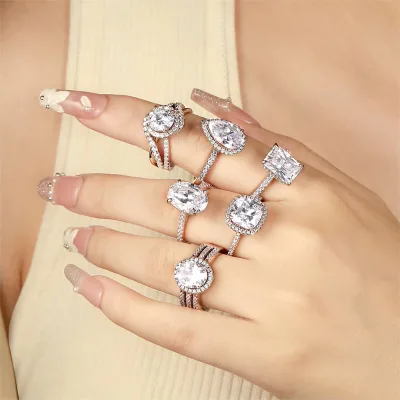
Explore 30 listings for a Simple Inlaid Zircon Ring suitable for wedding ceremonies, gifts, and decoration. Buyers can compare stainless steel and sterling silver options with customizable shapes and colors from verified Chinese manufacturers.
Key considerations
Products List
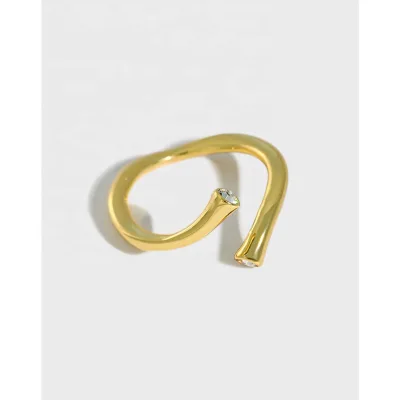
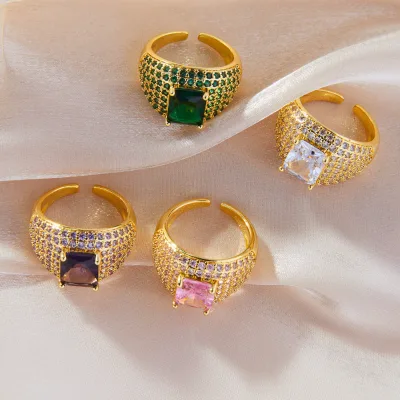
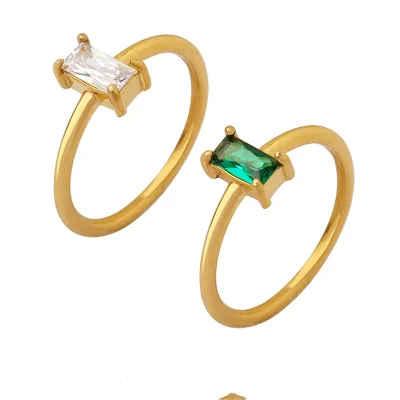


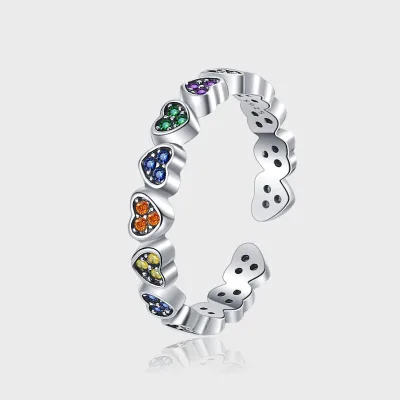




Comprehensive Sourcing Guide
Strategic Sourcing Guide for Simple Inlaid Zircon Rings
The global market for simple inlaid zircon rings presents a diverse landscape for B2B procurement, characterized by a wide variance in material composition, design complexity, and customization capabilities. Buyers entering this sector must navigate a supply chain where "simple" often denotes a specific aesthetic of minimalism rather than a lack of technical rigor. The observed product data reveals a spectrum of offerings ranging from basic stainless steel bands to high-end 925 sterling silver pieces, each with distinct fabrication processes and target demographics. Understanding these nuances is critical for aligning procurement strategies with specific business needs, whether for wedding collections, fashion accessories, or corporate gifting.
Technical Specifications and Material Variance
The foundation of any successful procurement strategy for inlaid zircon rings lies in a precise understanding of the technical specifications provided by suppliers. The market data indicates that "simple" designs are not monolithic; they vary significantly in their core material composition. Buyers must distinguish between rings fabricated from stainless steel, which offers durability and cost-efficiency, and those crafted from 925 sterling silver, which commands a premium due to its intrinsic value and hypoallergenic properties. The observed product models, such as R30085 and R56465, highlight that material selection directly influences the ring's weight, finish, and long-term wearability.
Furthermore, the inlay process itself is a critical technical differentiator. The data points to "Gem Mounting" as a specific fabrication processing technique, suggesting that the security and precision of the stone setting are paramount. In a simple inlaid design, the mounting must be robust enough to hold the zircon securely while maintaining a sleek profile. The observed standard for ring sizes varies from US5# to US15#, indicating that suppliers must possess the tooling to accommodate a broad demographic range. Additionally, the shape of the ring and the stone—ranging from square and round to oval—must be verified against the buyer's design requirements. The "Stone: Could Be Changed" attribute suggests a high degree of flexibility in the supply chain, allowing buyers to request alternative stones or specific zircon cuts without altering the fundamental design of the inlay.
Design Aesthetics and Customization Capabilities
The aesthetic definition of a "simple" ring is heavily influenced by style attributes such as "Elegant," "Retro," "Simple," and "Fashion." These descriptors are not merely marketing terms but indicate specific design philosophies that affect the final product. For instance, a "Retro" style might incorporate specific casting techniques like "Cast Mop Black," whereas a "Fashion" style might prioritize "Polishing" and "Gold Plating" to achieve a contemporary look. The observed color palette is equally diverse, encompassing Gold, Silver, White, Green, Pink, Purple, and Black. This variety allows buyers to target specific consumer segments, from those seeking traditional white zircon wedding bands to those looking for bold, colored zircon statement pieces.
Customization is a central pillar of the current market offering. The data explicitly states that "Customization: Available" and "Logo Service: Offered" are standard features across many listings. This implies that suppliers are equipped to handle bespoke requests, including the integration of corporate logos or specific branding elements. The "OEM: Yes" attribute further confirms that manufacturers are prepared to produce private-label goods. However, buyers must verify the extent of these customization options. While the "Stone: Could Be Changed" attribute suggests flexibility in gem selection, the feasibility of changing the metal type or the specific inlay pattern depends on the supplier's tooling capabilities. The "prod_packing" variations, such as OPP Bag or PP Bag, also indicate that packaging customization is likely available, which is a crucial factor for brand presentation.
Compliance, Certification, and Quality Standards
In the jewelry sector, compliance and quality assurance are non-negotiable, yet the observed data presents a mix of standard claims and specific product attributes that require verification. The "Quality: Best" claim found in the product listings is a subjective assertion that must be validated through objective testing. Buyers should not rely solely on such descriptors but must request independent test results regarding material purity, particularly for items claiming to be 925 Sterling Silver. The absence of specific certification names in the provided data means that buyers must proactively inquire about third-party certifications for metal content and stone authenticity.
The "Fade ?: No" attribute is a significant performance claim that warrants scrutiny. While it suggests the plating or finish is durable, buyers should verify the thickness of the gold plating or the specific alloy composition of the stainless steel to ensure this claim holds true under real-world conditions. Regarding standards, the data mentions a physical standard of "578cm" for packaging and a sizing standard of "US5#-US15#." These are operational parameters rather than quality certifications. Buyers must ensure that the supplier adheres to international jewelry safety standards, particularly regarding nickel content and lead levels, which are critical for consumer safety. The "prod_standard: customized" entry for some models indicates that the supplier may not adhere to a rigid universal standard but rather tailors their production to the buyer's specific quality requirements, necessitating a clear definition of these requirements in the purchase agreement.
Cost Drivers and Pricing Dynamics
The pricing landscape for simple inlaid zircon rings is highly volatile, with observed ranges spanning from $0.14 to $5980. This extreme disparity is driven by several key factors, primarily the material cost and the complexity of the fabrication process. A stainless steel ring with a simple zircon inlay will naturally fall at the lower end of the spectrum, whereas a 925 sterling silver ring with a high-quality zircon and intricate gold plating will command a significantly higher price. The "Gold Plating" and "Casting" processes add labor and material costs that are reflected in the final unit price.
Minimum Order Quantity (MOQ) is another critical cost driver. The observed MOQ range of 1 to 1000 units suggests that suppliers are flexible, catering to both small boutique orders and large-scale wholesale purchases. However, the unit price is likely inversely proportional to the order volume. Buyers must calculate the total cost of ownership, including the MOQ requirements, shipping costs, and any customization fees. The "prod_model" variations, such as "Rose Gold Zircon Ring-095E" or "Diamond Ring-015K," indicate that specific model numbers may carry different pricing tiers based on their material composition and design complexity. Understanding these drivers is essential for budgeting and negotiating effectively with potential suppliers.
Supplier Evaluation and Production Capabilities
Selecting the right supplier requires a rigorous evaluation of their production capabilities and operational history. The data indicates that suppliers are located in China, a major hub for jewelry manufacturing known for its extensive supply chain and competitive labor costs. However, location alone does not guarantee quality. Buyers should assess the supplier's "Fabrication Processing" capabilities, specifically their proficiency in "Polishing," "Gem Mounting," and "Casting." The ability to handle "Cast Mop Black" processes suggests a level of technical expertise that may be necessary for specific design requirements.
The "Logo Service" and "OEM" capabilities are strong indicators of a supplier's flexibility and experience in working with international brands. A supplier that offers these services likely has established quality control protocols and the logistical infrastructure to handle custom orders. Buyers should also evaluate the supplier's response to the "Customized: Avaiable" (noting the typo in the source data) attribute, ensuring that they have a clear process for managing design changes and revisions. The "prod_packing" options, ranging from OPP to PP bags, suggest that the supplier can adapt to different packaging needs, which is vital for protecting the product during transit and presenting it professionally to the end consumer.
Typical Applications and Market Segmentation
The applications for simple inlaid zircon rings are diverse, spanning personal use, gifting, and commercial decoration. The "Usage" attributes in the data highlight "Wedding," "Gift," and "Decoration" as primary use cases. For wedding applications, the "Elegant" and "Retro" styles are particularly relevant, as these designs often align with traditional bridal aesthetics. The "Gender" attributes, including "Female," "Male," and "Unisex," indicate that the market caters to a broad audience, with specific designs tailored to different demographics.
The "Gift" usage category suggests that these rings are often purchased for special occasions, such as anniversaries or holidays. In this context, the "Quality: Best" claim and the "Fade ?: No" attribute become crucial selling points, as gift buyers are often more sensitive to product longevity and appearance. The "Decoration" usage implies that some rings may be sold as fashion accessories or statement pieces, where the "Fashion" and "Simple" styles are most appropriate. Understanding these applications helps buyers tailor their product selection to specific market segments, ensuring that the inventory aligns with consumer demand and seasonal trends.
Long-Term Procurement Considerations
Sourcing simple inlaid zircon rings is not a one-time transaction but a long-term relationship that requires ongoing management. Buyers must consider the scalability of their supply chain, ensuring that the supplier can handle increased order volumes without compromising quality. The "Customization: Available" attribute suggests that the supplier can adapt to changing market trends, but this requires clear communication and defined specifications. The "prod_model" variations indicate that the product line is dynamic, and buyers should establish a process for reviewing and updating product specifications regularly.
Quality control must be an integral part of the procurement strategy. Given the "Fade ?: No" claim and the "Quality: Best" assertion, buyers should implement a rigorous inspection process, including random sampling and third-party testing, to verify these claims. The "Standard" attributes, such as the packaging dimensions and ring sizes, should be consistently monitored to ensure that the product meets the buyer's specifications. Finally, the "Location: China" factor necessitates a clear understanding of logistics, lead times, and potential supply chain disruptions. By establishing a robust framework for supplier evaluation and quality assurance, buyers can mitigate risks and ensure a steady supply of high-quality simple inlaid zircon rings.
Comparative Analysis of Product Attributes
To facilitate decision-making, the following table summarizes the key attributes observed in the market, highlighting the diversity of options available to buyers.
| Attribute Category | Observed Options | Implication for Buyer |
|---|---|---|
| Material | Stainless Steel, 925 Sterling Silver | Determines cost, durability, and target market segment. |
| Color | Gold, Silver, White, Green, Pink, Purple, Black | Allows for broad aesthetic targeting and customization. |
| Shape | Square, Round, Oval | Influences design style and stone setting requirements. |
| Craft Process | Casting, Polishing, Gem Mounting, Cast Mop Black | Indicates technical complexity and production capabilities. |
| Usage | Wedding, Gift, Decoration | Defines the primary market application and marketing angle. |
| Gender | Female, Male, Unisex | Ensures product alignment with specific demographic needs. |
| Customization | Logo Service, Stone Change, OEM | Enables brand differentiation and tailored product offerings. |
| Packaging | OPP Bag, PP Bag | Affects product protection and brand presentation. |
This comparative analysis underscores the importance of a detailed specification sheet when engaging with suppliers. By clearly defining requirements across these categories, buyers can streamline the sourcing process and ensure that the final product meets their exact expectations. The flexibility observed in the market, particularly regarding customization and material selection, offers significant opportunities for buyers to create unique and competitive product lines. However, this flexibility must be managed with precision to maintain quality and consistency throughout the supply chain.
FAQs
What materials are used for simple inlaid zircon rings?
These rings are primarily made from stainless steel or 925 sterling silver. Buyers can select between durable steel bands or premium silver options depending on their budget and quality requirements for the final product.
Which ring sizes are available for these zircon rings?
Standard ring sizes range from US5 to US15 to accommodate various demographics. Specific models may also list sizes 6, 7, and 8, ensuring a fit for most adult customers in the target market.
Can buyers request customization for these simple zircon rings?
Yes, customization is available for most listings, including logo services and stone changes. Suppliers offer OEM capabilities, allowing buyers to modify designs, packaging, and branding elements to suit specific business needs.
How are these zircon rings fabricated and finished?
Fabrication processes include polishing, gem mounting, and casting techniques like cast mop black. The rings often feature gold plating or solid metal finishes to achieve elegant, retro, or simple fashion styles.
What is the minimum order quantity for these rings?
The minimum order quantity ranges from 1 to 1000 units depending on the supplier. This flexibility allows buyers to place small boutique orders or large wholesale purchases without strict high-volume constraints.
Which colors are offered for these inlaid zircon rings?
Available colors include gold, silver, white, green, pink, purple, and black. Specific designs feature white or green zircon set in gold rings, providing a diverse palette for different fashion preferences.
Are these rings suitable for wedding and gift usage?
Yes, these rings are explicitly designed for wedding, gift, and decoration purposes. Their elegant and retro styles make them ideal for bridal collections, anniversaries, and corporate gifting scenarios.