Source Single Core PV Solar Cable for Construction Heating Underground
Find and compare 30 Single Core PV Solar Cable options from verified manufacturers in China. Buyers can evaluate specifications like rated voltage, conductor type, and insulation materials for construction, heating, and underground applications.
Key considerations
Products List


$0.30 - $6.00
MOQ: 1000 Meters


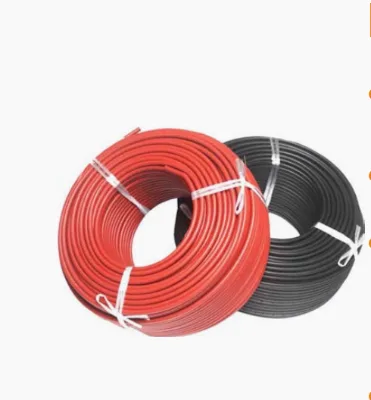
High Quality 2.5mm Single Core DC Solar Panel PV Cable Photovoltaic Cable
$0.01 - $0.33
MOQ: 100 Meters



Comprehensive Sourcing Guide
Strategic Sourcing Guide for Single Core PV Solar Cable
Selecting the correct Single Core PV Solar Cable is a critical decision for any procurement team managing solar energy infrastructure. The reliability of the entire photovoltaic system hinges on the integrity of the cabling, which must withstand decades of exposure to harsh environmental conditions, including intense ultraviolet radiation, extreme temperature fluctuations, and mechanical stress. This guide provides a structured approach to sourcing these essential components, focusing on verified technical attributes, compliance requirements, and supplier evaluation criteria based on current market data.
Technical Specifications and Conductor Architecture
The foundational element of a Single Core PV Solar Cable is its conductor architecture. Market observations indicate a divergence in conductor types, with options available in both solid and stranded configurations. Solid conductors are often noted for specific applications where rigidity is manageable, while stranded conductors offer superior flexibility, making them preferable for complex routing in solar arrays. The core material is predominantly copper, often treated with a tinning process to enhance corrosion resistance and ensure reliable electrical connections.
The physical geometry of the wire is another critical specification. Buyers encounter products described as round wire, which is the standard for most general-purpose applications, as well as flat wire variants designed for specific mounting scenarios or space-constrained installations. The insulation and sheathing materials are equally vital. High-performance cables typically utilize Crosslinking Polyethylene (XLPE) as the insulating material, providing excellent thermal stability and resistance to degradation. The outer sheath, often colored black or red for identification and UV protection, is also constructed from crosslinking materials to ensure longevity.
When evaluating the size chart for these cables, procurement teams should look for a comprehensive range that accommodates various power requirements. Standard offerings frequently include cross-sectional areas ranging from 1.5mm² up to 120mm², with specific models available in sizes such as 4mm², 6mm², and 10mm². For larger industrial applications, the range may extend to 1000MCM (thousands of circular mils), ensuring that the cable can handle high current loads without excessive voltage drop. The rated voltage for these cables is typically standardized at 450/750V or less, which is suitable for most DC and AC solar applications, though specific project requirements must always be verified against the manufacturer's datasheet.
Compliance and Certification Verification
In the solar industry, compliance is not merely a regulatory formality but a prerequisite for system safety and insurance validity. Buyers must rigorously verify that the supplier possesses recognized certifications. The market data highlights several key standards and certifications that are frequently associated with high-quality PV cables. These include VDE (Verband der Elektrotechnik), RoHS (Restriction of Hazardous Substances), CCC (China Compulsory Certification), CE (Conformité Européenne), and ISO standards. The presence of these marks indicates that the product has undergone testing for electrical safety, environmental compliance, and manufacturing quality.
Furthermore, specific standards such as EN 50618 and IEC 62930 are often referenced in the broader context of solar cable requirements. While these specific standard numbers should be treated as background knowledge rather than guaranteed attributes for every listed product, they represent the industry benchmarks for photovoltaic cable performance. Buyers should explicitly request documentation proving that the specific batch of cables meets these or equivalent international standards. Additionally, third-party testing bodies like SGS may be cited as part of the quality assurance process, providing an independent validation of the cable's material composition and performance characteristics.
Cost Drivers and Pricing Variables
Understanding the cost structure of single core PV solar cables is essential for budgeting and supplier negotiation. The observed price range in the market spans from $0.01 to $100 per unit, a wide variance that reflects differences in conductor material purity, insulation thickness, cable length, and packaging. Several factors drive these costs. First, the quantity of copper and the specific alloying processes used for tinning directly impact the base material cost. Second, the length of the cable per unit, whether sold as a reel, drum, or coil, significantly influences the final price. Standard packaging lengths often include 100 meters, 250 meters, 500 meters, or even 1000 meters per roll, with longer lengths generally offering a lower cost per meter.
The Minimum Order Quantity (MOQ) is another critical cost driver. Market data indicates an MOQ range from 1 unit up to 10,000 units. Buyers purchasing small quantities for pilot projects or maintenance may face higher per-unit costs, whereas large-scale procurement can leverage economies of scale. Additionally, customization options, such as specific sheath colors, custom lengths, or specialized packaging requirements, can add to the overall cost. The production period, which typically ranges from 7 to 30 days, also affects pricing; expedited orders may incur premium charges, while standard lead times allow for more competitive pricing.
Typical Applications and Environmental Suitability
Single core PV solar cables are designed for a diverse range of applications, primarily centered around construction and heating systems. The primary use case is in the installation of photovoltaic arrays, where the cables connect solar panels to inverters and distribution boxes. In these scenarios, the cable must be rated for outdoor use, with specific attention paid to flame retardancy and resistance to underground burial if the cable is run below ground. The "Range of Application" often includes LSOH (Low Smoke Zero Halogen) requirements, which are crucial for safety in enclosed spaces to minimize toxic fume emission in the event of a fire.
Beyond standard solar installations, these cables are also utilized in heating applications and underground infrastructure. The versatility of the product allows it to serve in environments where flexibility and durability are paramount. For instance, the "Heating" application category suggests suitability for solar thermal systems or electric heating elements, while "Underground" designation confirms the cable's ability to withstand soil moisture and pressure. The color coding, typically black or red, aids in distinguishing positive and negative conductors, which is a critical safety feature in DC systems. Buyers should ensure that the selected cable matches the specific environmental conditions of the project site, such as the presence of corrosive elements or extreme temperature ranges.
Supplier Evaluation and Manufacturing Capabilities
Evaluating a supplier requires a deep dive into their manufacturing capabilities and quality control infrastructure. The market features manufacturers with significant experience, such as those boasting 15 years of production history, which often correlates with refined processes and consistent quality. A robust quality control team, potentially comprising hundreds of engineers, is a strong indicator of a supplier's commitment to maintaining high standards. Buyers should verify the supplier's location, as origins in regions like China, specifically Shanghai or Henan, are common hubs for cable manufacturing, offering access to a mature supply chain.
The ability to offer OEM (Original Equipment Manufacturer) services is another key evaluation criterion. Suppliers that support OEM can customize branding, packaging, and technical specifications to meet the unique needs of the buyer. This flexibility is particularly valuable for large projects where branding consistency or specific technical requirements are mandatory. Additionally, the supplier's packaging methods, whether using wooden boxes, pallet shipping containers, coils, or drums, should be assessed for their ability to protect the cable during transit. The choice of packaging can influence the condition of the cable upon arrival, especially for long-distance shipping.
Quality Control and Long-Term Procurement Strategy
Ensuring long-term reliability involves a proactive approach to quality control and supplier relationship management. A warranty period of up to 25 years is a significant selling point, indicating the manufacturer's confidence in the product's durability. However, buyers should not rely solely on the warranty claim; they must verify the testing protocols that support such a long lifespan. The production period of 7 to 30 days suggests a flexible manufacturing schedule, but buyers should establish clear communication channels to monitor progress and ensure adherence to timelines.
For long-term procurement, it is advisable to establish a framework for continuous quality assurance. This includes regular audits of the supplier's facilities, review of batch test reports, and verification of certification renewals. The "Hot Sale" status in regions like Indonesia, Malaysia, UAE, UK, Israel, and Saudi Arabia suggests that the product is tested and trusted in diverse climates, from tropical to arid environments. Buyers should leverage this global acceptance as a proxy for reliability but must still conduct site-specific due diligence. Finally, maintaining a relationship with a supplier who offers customization and has a proven track record of engineering support will ensure that the procurement process remains efficient and that any technical challenges can be resolved swiftly.
Conclusion
Sourcing single core PV solar cables requires a meticulous balance of technical verification, compliance checking, and strategic supplier selection. By focusing on conductor types, insulation materials, and certification standards, buyers can ensure that the selected cables meet the rigorous demands of solar energy projects. Understanding the cost drivers, from MOQ to packaging, allows for more effective budget management, while evaluating supplier capabilities ensures a reliable supply chain. Ultimately, the goal is to secure a product that not only meets immediate project specifications but also guarantees performance and safety over the decades-long lifespan of the solar installation.
FAQs
What conductor types are available for Single Core PV Solar Cable?
Both solid and stranded conductor types are available for Single Core PV Solar Cable. Stranded conductors offer superior flexibility for complex routing, while solid conductors provide rigidity suitable for specific applications where bending is minimal.
Which certifications should I verify for Single Core PV Solar Cable?
High-quality Single Core PV Solar Cable typically carries VDE, RoHS, CCC, CE, and ISO certifications. These marks indicate compliance with electrical safety and environmental standards, ensuring the product meets rigorous international testing requirements.
Can I customize the specifications for Single Core PV Solar Cable?
Yes, customization is available for Single Core PV Solar Cable to meet specific project needs. Buyers can request custom sizes, sheath colors like black or red, and tailored packaging options such as coils, drums, or wooden boxes.
What is the typical lead time for Single Core PV Solar Cable?
The production period for Single Core PV Solar Cable typically ranges from 7 to 30 days. This timeframe allows for standard manufacturing schedules, though expedited orders may require additional coordination with the supplier.
Where are Single Core PV Solar Cable manufacturers located?
Manufacturers of Single Core PV Solar Cable are primarily located in China, with specific hubs in Shanghai and Henan. These regions offer mature supply chains and access to experienced production facilities with significant engineering support.
What is the warranty period for Single Core PV Solar Cable?
A warranty period of up to 25 years is often offered for Single Core PV Solar Cable. This long-term guarantee reflects the manufacturer's confidence in the product's durability and resistance to harsh environmental conditions.