Source Single Cylinder Air-Cooled Earth Auger for Drilling, Mining, and Construction
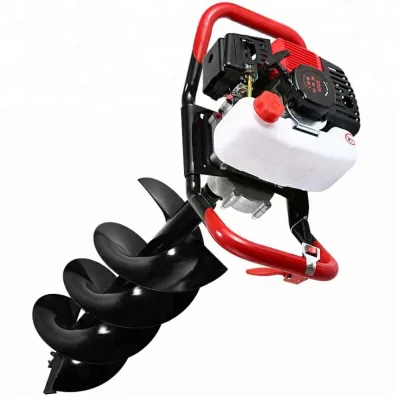
Explore 30 listings of single cylinder air-cooled earth augers with varying engine displacements and gear ratios. Buyers can compare specifications like 2-stroke power sources, fuel tank capacities, and output shaft sizes to find suitable equipment for drilling and construction tasks.
Key considerations
Products List




Excavator Hydraulic Soil Auger Ground Driller for Hole Digger/Earth Auger
$700.00 - $2000.00
MOQ: 1 Pieces




Comprehensive Sourcing Guide
Single Cylinder Air-Cooled Earth Auger Sourcing Guide
Procuring a single cylinder air-cooled earth auger requires a disciplined approach to technical verification and supplier qualification, particularly when sourcing from major manufacturing hubs in China. These machines are essential for tasks ranging from fence post installation to tree planting and soil sampling, where portability and ease of maintenance are paramount. The market offers a wide variety of models, often distinguished by engine displacement, gear reduction ratios, and specific structural designs such as vertical layouts for deep hole drilling. Buyers must navigate a landscape where specifications can vary significantly between suppliers, even for seemingly identical product categories.
This guide focuses on evidence-based procurement strategies for single cylinder air-cooled earth augers, drawing on observed market data and trusted industry knowledge. It is designed to help procurement professionals and business owners make informed decisions by highlighting critical technical parameters, compliance requirements, and commercial terms. By understanding the nuances of engine types, fuel systems, and gear case configurations, buyers can mitigate risks associated with performance mismatches and ensure that the selected equipment meets the operational demands of their specific projects.
Product Scope and Observed Listing Signals
The current market for single cylinder air-cooled earth augers presents a diverse range of options, with observed listing prices spanning from $4 to $10,000 USD. This wide variance often reflects differences in engine power, build quality, and included accessories rather than just brand prestige. Minimum Order Quantities (MOQs) typically range from 1 to 500 units, indicating that suppliers cater to both individual contractors seeking single units and large distributors requiring bulk shipments. Buyers should carefully evaluate whether the listed price includes essential components like auger bits, handles, and starter mechanisms, as these can significantly impact the total cost of ownership.
Observed product models frequently feature specific engine configurations, such as the 1e50f-1, 1e60f, and 1e48f, which correspond to displacements of 71cc, 82cc, and 68cc respectively. These models often share common traits like 2-stroke engines, diaphragm carburetors, and air-cooled single-cylinder designs. For instance, the HY-GD710-881 and HY-GD820-881 models demonstrate the trend toward higher displacement engines for increased torque and drilling efficiency. Buyers should verify that the listed specifications match the actual hardware received, as discrepancies in engine model numbers or displacement can lead to performance issues and compatibility problems with replacement parts.
Technical Specifications to Verify
Engine performance is a critical factor in selecting the right earth auger, with observed power outputs ranging from 1.4kw to 3.5kw at 8000r/Min. The HY-GD45-881 model, for example, features a 41.2cc displacement and 1.4kw power output, suitable for lighter tasks, while the HY-GD820-881 offers 82cc displacement and 3.5kw power for more demanding applications. Buyers must ensure that the engine power aligns with the intended drilling depth and soil conditions, as underpowered units may stall or overheat during continuous use. Additionally, the idling speed, typically observed between 2700-3000r/Min, should be stable to ensure smooth operation and reduce wear on the engine components.
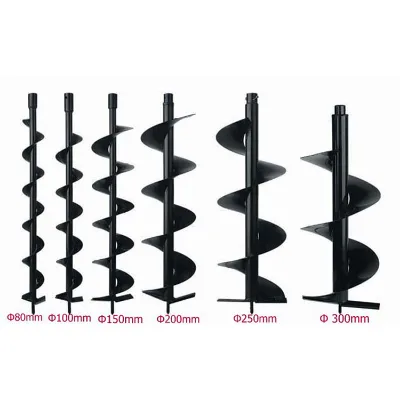
The gear case configuration and output shaft size are equally important for ensuring compatibility with various auger bits and efficient power transmission. Observed gear case output rates vary, with some models offering a 30:1 ratio and others a 40:1 ratio, affecting the torque delivered to the auger. The gear case type, often a diagonal gear wheel, should be robust to handle the high torsional loads generated during drilling. Output shaft sizes, commonly observed at 20/22mm, must match the auger bit shank to prevent slippage or damage. Buyers should verify these specifications against their existing equipment or planned attachments to ensure seamless integration and optimal performance.
Compliance and Safety Documentation
Compliance with international standards is essential for ensuring the safety and legality of earth augers in various markets. Observed certifications for these products often include CE, IAF, GS, and EMC, indicating adherence to European safety and electromagnetic compatibility directives. Some models may also carry EPA or EU-II emissions certifications, which are crucial for buyers operating in regions with strict environmental regulations. Buyers must request valid certification documents from suppliers and verify their authenticity through recognized testing bodies to avoid potential legal issues and ensure product safety.
Safety features and operational guidelines are also critical components of the documentation package. Products with features like "High Quality Easy Starter" mechanisms should come with clear instructions on proper starting procedures to prevent injury or engine damage. The "Semiautomatic" grade and "Normal Precision" attributes suggest that these machines are designed for professional use rather than heavy industrial automation, requiring operators to follow specific safety protocols. Buyers should ensure that the supplier provides comprehensive user manuals in the target market's language, covering maintenance schedules, troubleshooting tips, and safety warnings to minimize operational risks.
Cost Drivers and Commercial Terms
Several factors influence the final cost of single cylinder air-cooled earth augers, including engine displacement, material quality, and packaging. Models with larger displacements and higher power outputs, such as the 82cc HY-GD820-881, typically command higher prices due to increased material and manufacturing costs. The use of metal materials for structural components and the inclusion of features like "Most Popular" handles can also add to the cost. Buyers should compare the total cost, including shipping and duties, rather than just the unit price, to get a accurate picture of the investment required.
Commercial terms such as delivery lead times and payment conditions play a significant role in the procurement process. Observed delivery details indicate lead times of 15-20 days, which buyers must factor into their project schedules to avoid delays. Packaging in cartons is standard, but buyers should verify the packaging quality to prevent damage during transit. Negotiating favorable payment terms, such as partial upfront payments and balance upon shipment, can help manage cash flow and reduce financial risk. Buyers should also clarify who is responsible for import duties and taxes to avoid unexpected costs upon delivery.
Supplier Qualification and Quality Control
Supplier qualification is a critical step in ensuring the reliability and consistency of earth auger supplies. Buyers should prioritize suppliers located in established manufacturing regions, such as Wuyi County in Zhejiang Province, China, which is known for its concentration of small engine and machinery manufacturers. Verifying the supplier's business license, export history, and customer reviews can provide insights into their reliability and market reputation. Buyers should also assess the supplier's ability to provide customization services, as observed in the "Available" customization attribute, to meet specific project requirements.
Quality control measures should be implemented throughout the procurement process to ensure that the delivered products meet the specified standards. Buyers should request pre-shipment inspections or third-party quality assurance reports to verify that the engines, gear cases, and structural components conform to the agreed specifications. Checking for consistency in engine model numbers, displacement, and power output is essential to avoid receiving substandard or mismatched units. Establishing a clear quality assurance agreement with the supplier, including penalties for non-conformance, can help maintain high standards and protect the buyer's interests.
Long-Term Procurement Checks
Long-term procurement success depends on establishing strong relationships with suppliers and implementing continuous improvement strategies. Buyers should regularly review supplier performance metrics, such as delivery times, product quality, and responsiveness to issues, to identify areas for improvement. Building a diversified supplier base can mitigate risks associated with supply chain disruptions and ensure a steady flow of equipment. Buyers should also stay informed about industry trends and technological advancements to ensure that their procurement strategies remain competitive and aligned with market developments.
Maintenance and support are crucial for the long-term usability of earth augers. Buyers should ensure that suppliers provide access to spare parts and technical support to minimize downtime and extend the lifespan of the equipment. Establishing a preventive maintenance schedule based on the manufacturer's recommendations can help identify potential issues before they lead to costly repairs. Buyers should also consider the total cost of ownership, including fuel consumption, maintenance costs, and replacement parts, when evaluating the long-term value of different earth auger models. By focusing on these long-term factors, buyers can optimize their procurement strategies and achieve greater operational efficiency.
FAQs
What engine specifications are available for single cylinder air-cooled earth augers?
Available models include 1e50f-1 with 71cc displacement and 2.3kw power, or 1e60f with 82cc and 3.5kw output. These two-stroke engines are air-cooled and single-cylinder, featuring diaphragm carburetors and specific gear case output rates ranging from 30:1 to 40:1 depending on the model.
Can I customize the single cylinder air-cooled earth auger for specific needs?
Yes, customization is available for these earth augers to meet specific operational requirements. Buyers can request modifications to the gear case type, output shaft size, or fuel tank capacity, ensuring the machine fits particular drilling tasks while maintaining standard safety certifications like CE.
Which certifications do these single cylinder air-cooled earth augers hold?
Products typically hold CE, IAF, GS, EMC, and EU-II standards to ensure safety and compliance. Some models also carry Euro-V and EPA certifications, verifying that the engine emissions and performance meet international regulatory requirements for outdoor power equipment used in various global markets.
How long is the delivery time for single cylinder air-cooled earth auger orders?
The standard delivery detail is 15 to 20 days from order confirmation. This lead time applies to most models originating from Wuyi County in Zhejiang Province, China, ensuring timely shipment while maintaining quality control standards for the single cylinder air-cooled earth auger units.
What is the minimum order quantity for single cylinder air-cooled earth augers?
The minimum order quantity ranges from 1 to 500 units depending on the specific model and supplier terms. Buyers can source small batches for testing or larger volumes for distribution, with packaging provided in standard cartons to protect the equipment during transit.
Where are single cylinder air-cooled earth augers manufactured?
These augers are manufactured in Wuyi County, Zhejiang Province, China, a known hub for power tools. The production facilities ensure consistent quality for models like HY-GD710-881 and HY-GD820-881, which are designed for front earth auger applications with vertical layouts.