Source Single Crystal CVD Diamond Heatsink for Electronics
Find and compare Single Crystal CVD Diamond Heatsink options from verified suppliers. This collection features 15 products with high thermal stability and hardness, suitable for microelectronics, optical windows, and semiconductor applications. Evaluate specifications like grit size and purity to find the right fit.
Key considerations
Products List




Comprehensive Sourcing Guide
Single Crystal CVD Diamond Heatsink Sourcing Guide
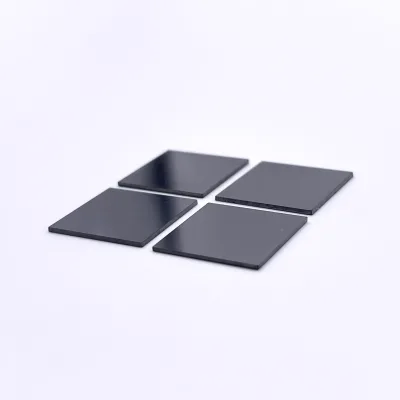
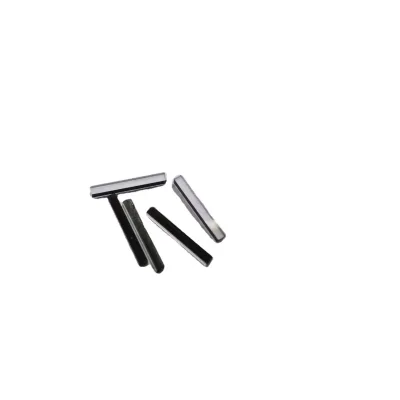
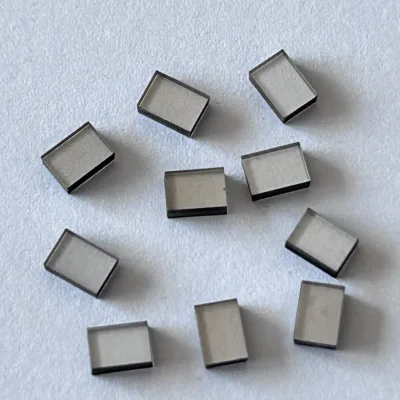
Procuring single crystal CVD diamond heatsinks requires distinguishing between synthetic industrial abrasives and high-purity optical-grade substrates. The observed market data indicates a wide spectrum of products, ranging from grit-sized particles for tooling to specific plate models like JSBD and CSD designed for microelectronics. Buyers must verify that the supplier explicitly offers "CVD Single Crystal Diamond Plate" rather than generic artificial diamond grit, as the thermal management applications demand specific crystal structures and low nitrogen content.
The product listings reveal significant variation in origin and certification, with some items sourced from Hunan, China, while others list general Chinese origins. Critical attributes such as "N Content <80ppm" and "High Thermal Stability" are essential for effective heat dissipation in semiconductor environments. Sourcing teams should prioritize suppliers who can provide detailed material specifications for these single-crystal plates, ensuring the product matches the rigorous thermal conductivity requirements of high-power electronics rather than general industrial cutting applications.
Product Scope and Observed Listing Signals
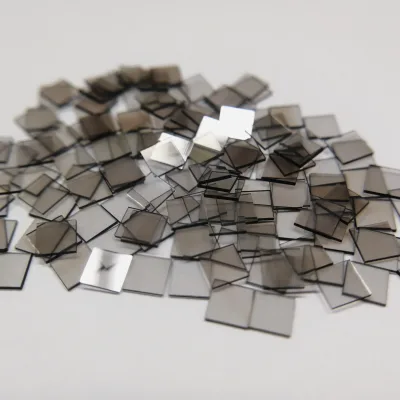
The available inventory spans diverse forms, including bags of grit ranging from 1mm to 100mm and finished plates with dimensions like 10x10mm or 1-12mm diameter. Listings explicitly mention "CVD Diamond" and "Synthetic Diamond" as the primary material types, with some entries specifying "White," "Colorless," or "Light Brown" color variations. Buyers must carefully parse these signals to identify single-crystal plates suitable for thermal management, as many entries describe products intended for making industrial tools or general usage rather than high-performance heatsinks.
Price observations range from $5 to $5,000, reflecting the disparity between raw abrasive materials and finished, high-specification optical windows or semiconductor substrates. The presence of "IGI" certificates on some items suggests a focus on gem-quality standards, which may not align with industrial thermal requirements where "Non Certificate" or specific material purity data is more relevant. Procurement strategies should focus on filtering for "CVD Single Crystal Diamond Plate" models with defined thicknesses between 0.3mm and 3mm to ensure the product scope matches the thermal interface needs.
Technical Specifications to Verify
Thermal performance in single crystal CVD diamond is heavily dependent on nitrogen impurity levels, with observed data highlighting a target of less than 80ppm for high-purity applications. Buyers must request specific chemical analysis reports to confirm that the nitrogen content meets these thresholds, as elevated nitrogen levels can significantly degrade thermal conductivity. The "Hardness" of 10 and "High Hardness" characteristic are standard for diamond, but the thermal stability and crystal orientation are the critical differentiators for heatsink performance in microelectronics.
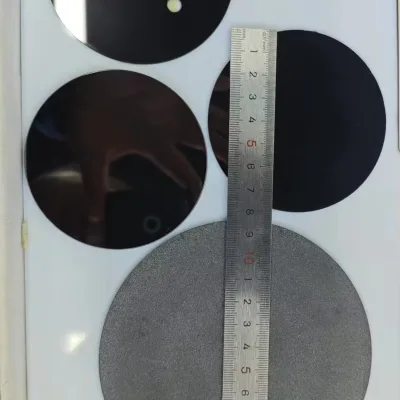
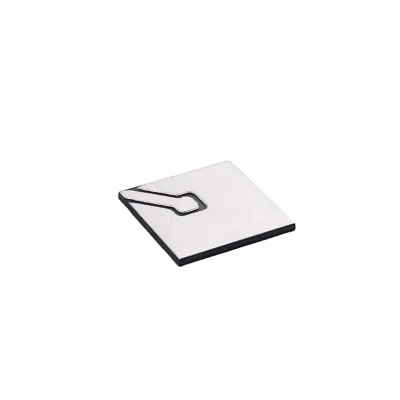
Dimensional precision is equally vital, with listings showing available sizes from 1mm to 12mm in diameter and thicknesses ranging from 0.3mm to 3mm. The "JSBD" and "CSD" model numbers indicate specific product lines that may offer different substrate qualities or surface finishes. Procurement teams should verify the exact "Available Size" and "Single package size" to ensure compatibility with existing cooling assemblies, while also confirming the "Diamond Cut" quality, such as "Good" or "Very Good Cut," which impacts surface flatness and thermal contact resistance.
Compliance and Safety Documentation
Documentation requirements vary significantly across the observed listings, with some products offering "IGI" certificates while others explicitly state "Non Certificate." For industrial thermal applications, the absence of a gemological certificate is common, but suppliers must still provide material safety data sheets and detailed composition reports. Buyers should not assume that a "Diamond Certificates: Non Certificate" status implies a lack of quality; rather, it indicates the product is sold as an industrial component rather than a gemstone, requiring different verification protocols.
Safety and handling protocols are essential when dealing with synthetic diamond materials, particularly given the "White Diamond Color" and "D" color grade references found in some listings. While the "Single gross weight" of 0.500 kg suggests manageable packaging, the "Neutral Packing" and "Bags" packaging types require careful inspection to prevent contamination or physical damage during transit. Procurement contracts should mandate that all shipments include clear labeling of the material type as "Synthetic (lab grown)" to ensure proper handling and regulatory compliance in the destination market.
Cost Drivers and Commercial Terms
The wide price range of $5 to $5,000 is driven primarily by the distinction between raw grit and finished single-crystal plates, as well as the specific purity and dimensional tolerances required. Factors such as the "N Content <80ppm" specification and the "High Thermal Stability" characteristic command a premium over standard artificial diamonds used for cutting tools. Buyers should expect higher costs for products with precise "Available Size" constraints and verified crystal quality, as these attributes require more sophisticated CVD growth processes and rigorous quality control.
Commercial terms often include flexible MOQs ranging from 1 to 10 units, allowing for small-batch testing of thermal performance before scaling. However, the "Selling Units" are listed as "Single item" in some contexts, which may complicate bulk pricing negotiations for large-scale deployment. Procurement teams should clarify whether the listed prices include "Neutral Packing" or specialized packaging for sensitive optical and semiconductor components, as these logistical details can significantly impact the total landed cost and delivery timeline.
Supplier Qualification and Quality Control
Supplier verification must focus on the ability to consistently produce "CVD Single Crystal Diamond Plate" with the specific "Character: Synthetic Diamond" attributes required for thermal management. The presence of "Brand Name: Chenguang" and specific model numbers like "JSWD" suggests established manufacturing lines, but buyers should confirm that the supplier's "prod_origin" in Hunan, China, aligns with their specific quality control capabilities for high-purity diamond synthesis. It is crucial to distinguish between suppliers offering general "Artificial Diamonds" and those specializing in the "Microelectronics" application sector.
Quality control processes should include verification of the "Diamond Cut" quality and the consistency of the "grit" or surface finish for finished plates. While some listings mention "Diamond Enhancements: seeds," the final product must demonstrate the "High Hardness" and "High Thermal Stability" necessary for effective heat dissipation. Buyers should request sample testing to validate the "N Content" and physical dimensions against the stated "prod_standard" of 0.1-7mm or 1-12mm, ensuring the supplier can meet the precise technical requirements of the intended application.
Long-Term Procurement Checks
Sustained procurement success relies on monitoring the consistency of material properties over time, particularly the "N Content" and thermal stability of the CVD diamond plates. Suppliers must demonstrate a stable production process that maintains the "White" or "Colorless" color grades and the specific "Diamond Type: Synthetic (lab grown)" characteristics without deviation. Long-term contracts should include clauses for periodic re-verification of the "prod_standard" and "Available Size" to ensure that the thermal performance of the heatsinks remains within the required specifications for microelectronics and semiconductor applications.
Supply chain resilience is also critical, given the specialized nature of "CVD Single Crystal Diamond Plate" manufacturing. Buyers should assess the supplier's capacity to handle "Single package size" variations and maintain inventory levels for models like "JSBD" and "CSD" to prevent production delays. Establishing a clear communication channel for technical support regarding "Diamond Enhancements" and "Diamond Cut" specifications will help mitigate risks associated with material inconsistencies and ensure a reliable supply of high-performance thermal management solutions.
FAQs
What is the hardness of single crystal CVD diamond?
Single crystal CVD diamond exhibits a hardness of 10 on the Mohs scale. This extreme hardness, combined with high compressive strength, makes it ideal for demanding industrial applications. The material is classified as artificial or synthetic, offering consistent performance for specialized tooling and semiconductor uses where durability is critical.
Can single crystal CVD diamond be used in microelectronics?
Yes, single crystal CVD diamond is suitable for microelectronics applications. Its high thermal stability and conductivity allow it to manage heat effectively in sensitive electronic components. Manufacturers often utilize these plates for optical windows and semiconductor devices, leveraging the material's unique physical properties to enhance device performance and reliability in advanced systems.
What certifications are available for synthetic diamond products?
Certification availability varies by supplier and product type. Some listings offer IGI certificates, while others provide non-certified options. Buyers should verify specific documentation requirements with manufacturers. The product origin is typically China, with models like JSBD or CSD available. Always confirm the certificate type and number directly with the source before procurement.
What are the standard specifications for CVD diamond plates?
Standard specifications include sizes ranging from 1 to 12mm in diameter and thicknesses between 0.3 to 3mm. Some products are available in 10x10mm formats. The grit size can vary from 1 to 100mm depending on the application. These dimensions support uses in cutting tools and industrial machinery, ensuring compatibility with various manufacturing processes.
How is single crystal CVD diamond packaged for shipping?
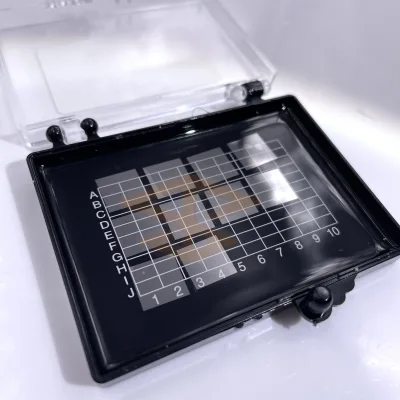
Packaging methods typically include neutral packing or standard bags to protect the material. Single package sizes may measure around 20x20x10 cm with a gross weight of 0.500 kg. This ensures safe transport of delicate synthetic diamond plates. Buyers should confirm specific packing details with suppliers to meet their logistical requirements and prevent damage during transit.
What colors are available for synthetic diamond products?
Synthetic diamond products are available in white, colorless, and light brown variations. The white diamond color grade can reach D, indicating high clarity. These color options allow buyers to select materials based on optical or aesthetic requirements. The material is often used in industrial tools where specific visual properties or transparency are necessary for performance.