Find Single Cylinder Electricity Generator with Automatic Transfer Switch for Homes, Shops, and Backup Power
Compare 30 listings for a Single Cylinder Electricity Generator with Automatic Transfer Switch, spanning single and three phase output, air and water cooling, portable or fixed installation, and low noise automation types. Review voltage, frequency, controller, alternator, and warranty details before requesting quotes.
Key considerations
Products List


High-Performance 180kw Mobile Generator with Automatic Transfer Switch
$31079.00 - $31088.00
MOQ: 1 Pieces


High-Performance 50kw Mobile Generator with Automatic Transfer Switch
$12870.00 - $12881.00
MOQ: 1 Pieces


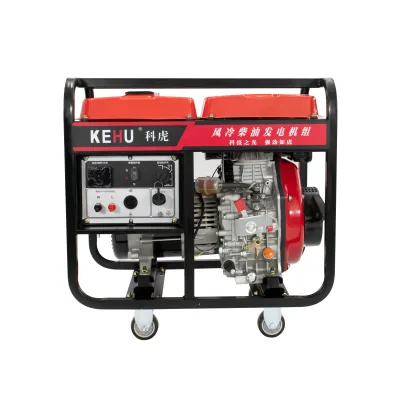
Remote Start Automatic Standby Generator Diesel With Change Over Switch
$610.49 - $2852.67
MOQ: 1 sets


High-Efficiency Silent Diesel Generator Set with Automatic Transfer Switch
$3070.00 - $3100.00
MOQ: 1 Pieces


High-Performance 100kw Diesel Generator with Automatic Transfer Switch
$2500.00 - $2530.00
MOQ: 1 Pieces



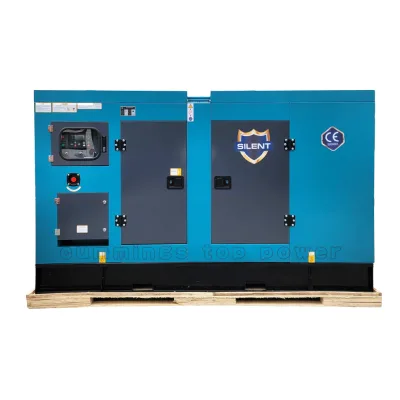
Silent 300kw Electricity Generator with ATS Automatic Transfer Between City Power
$25400.00 - $27500.00
MOQ: 1 set

Comprehensive Sourcing Guide
Single Cylinder Electricity Generator with Automatic Transfer Switch Sourcing Guide
Procuring a single cylinder electricity generator equipped with an automatic transfer switch (ATS) requires a careful balance between portability, power reliability, and regulatory compliance. These units are typically designed for household or small commercial use, offering a compact solution for emergency power or off-grid scenarios. The integration of an ATS ensures seamless transition between utility power and generator output, minimizing downtime during outages. Buyers must navigate a market where specifications vary significantly, particularly regarding engine origin, alternator quality, and cooling methods, to ensure the selected unit meets their specific operational needs.
The sourcing landscape for these generators is diverse, with manufacturers offering various configurations such as silent, portable, or fixed installations. Key components like the engine, alternator, and controller play a pivotal role in performance and longevity. For instance, some listings feature Chinese engines paired with Marathon alternators and Smartgen controllers, indicating a mix of domestic and international component sourcing. Understanding these component combinations is essential for buyers to assess the potential durability and maintenance requirements of the generator set before making a procurement decision.
Product Scope and Observed Listing Signals
The product scope for single cylinder generators with ATS capabilities spans a wide range of power outputs and configurations. Observed listings indicate a price range from approximately $100 to over $289,000, reflecting the vast difference between small portable units and larger industrial-grade systems. The minimum order quantity (MOQ) typically ranges from 1 to 20 units, suggesting flexibility for both individual buyers and small-scale distributors. Buyers should note that while the core keyword specifies a single cylinder engine, many listed products are described as four-stroke diesel generators, which may imply a broader category of diesel-powered units rather than strictly single-cylinder gasoline models.
Listing signals reveal a variety of installation methods, including portable, fixed, and integrated automatic transfer switch configurations. Some units are marketed as "Household Power Silent Portable Diesel Generators," emphasizing low noise and ease of movement, while others are described as "Micro-Computer Control Automatic Diesel Generators" with low-noise automation types. The presence of options like automatic transfer switches is common, but buyers must verify if the ATS is included as a standard feature or an optional add-on. Additionally, the color green is frequently observed, though this is likely a cosmetic choice rather than a technical specification.
Technical Specifications to Verify
When evaluating technical specifications, buyers must prioritize the engine type, cooling method, and electrical output. While the core keyword suggests a single cylinder engine, many observed products are four-stroke diesel generators with water or air cooling methods. It is crucial to verify the actual cylinder count and cooling system, as these factors significantly impact efficiency and maintenance. The rated voltage options include 380V, 230V, 240V, and 220V, with frequencies of 50 Hz or 60 Hz, allowing for compatibility with different regional power standards. Buyers should confirm the specific voltage and frequency requirements of their site to avoid compatibility issues.
The alternator and controller brands are also critical technical considerations. Observed listings mention Marathon alternators and Smartgen controllers, which are known for their reliability in the generator industry. The output type can be AC single phase or AC three phase, depending on the load requirements. For single-phase applications, the rated current may range from 12V/8.3A to higher capacities like 250A or 63A-1250A for larger units. Buyers should match the rated current and voltage to their expected load to prevent overloading the generator. Additionally, the presence of a rotating handle indicates portability, which is a key feature for users who need to move the generator frequently.
Compliance and Safety Documentation
Compliance and safety documentation are non-negotiable aspects of generator procurement, especially when dealing with electrical equipment that interfaces with building power systems. Buyers should request certification documents such as ISO, CE, and CCC, which are observed in some listings. These certifications indicate that the generator meets specific safety and quality standards for the respective markets. However, buyers must verify the validity and scope of these certifications, as they may not cover all aspects of the product, particularly the ATS integration. Ensuring that the generator and its components are certified for the target market is essential to avoid legal and safety liabilities.
Safety features and operational documentation are equally important. The generator should come with clear instructions for installation, operation, and maintenance, including safety warnings for electrical hazards and fire risks. Buyers should verify if the ATS is certified to handle the switching loads safely, as improper switching can cause backfeed into the utility grid, posing a risk to utility workers. Additionally, the warranty terms, which are observed to be 1 or 2 years, should be clearly defined in the purchase agreement. Buyers should understand what is covered under the warranty, including parts and labor, and any conditions that might void the warranty, such as improper maintenance or use outside of specified parameters.
Cost Drivers and Commercial Terms
Several factors drive the cost of single cylinder generators with ATS, including engine origin, alternator brand, and cooling method. Generators with Chinese engines and international alternators like Marathon may offer a balance of cost and performance, while those with premium components will command higher prices. The inclusion of an automatic transfer switch adds to the cost, as it is a complex electronic device that requires precise calibration. Buyers should also consider the packaging, which is often a carton box, and any additional costs for shipping and handling, especially for heavy or bulky units.
Commercial terms such as MOQ, lead time, and payment terms are critical for budgeting and planning. While observed MOQs range from 1 to 20 units, buyers should negotiate for better terms if purchasing in larger quantities. Lead times can vary significantly depending on the supplier's inventory and production schedule, so buyers should confirm the expected delivery date before placing an order. Payment terms, such as deposit requirements and balance upon shipment, should be clearly agreed upon to mitigate financial risk. Buyers should also inquire about after-sales support and spare parts availability, as these can impact the total cost of ownership over the generator's lifespan.
Supplier Qualification and Quality Control
Supplier qualification is a key step in ensuring the reliability of the generator supply chain. Buyers should verify the supplier's business license, manufacturing capabilities, and quality control processes. Suppliers located in regions like Shanghai and Zhejiang, China, are common sources for these products, but buyers should conduct due diligence to ensure the supplier is reputable and has a track record of delivering quality products. Requesting references or case studies from previous clients can provide insight into the supplier's reliability and customer service.
Quality control measures should be implemented throughout the procurement process, from initial sampling to final inspection. Buyers should request product samples or visit the factory to inspect the manufacturing process and quality control standards. Key quality checks include verifying the engine performance, alternator output, and ATS functionality. Buyers should also ensure that the generator meets the specified technical parameters, such as voltage, frequency, and current ratings. Implementing a third-party inspection service can provide an additional layer of assurance, especially for large orders or high-value purchases.
Long-Term Procurement Checks
Long-term procurement checks focus on the sustainability and reliability of the generator supply. Buyers should establish a relationship with the supplier that includes regular communication and performance reviews. This helps to identify any issues early and allows for continuous improvement in the supply chain. Buyers should also monitor market trends and technological advancements in generator technology to ensure that their procurement strategy remains competitive and effective.
Maintenance and support are critical for the long-term performance of the generator. Buyers should ensure that the supplier provides adequate training and support for maintenance personnel. This includes access to technical documentation, spare parts, and troubleshooting guides. Buyers should also consider the availability of local service providers who can perform routine maintenance and repairs. By investing in proper maintenance and support, buyers can extend the lifespan of the generator and reduce the risk of unexpected downtime, ensuring a reliable power supply for their operations.
FAQs
What is a Single Cylinder Electricity Generator with Automatic Transfer Switch used for?
It provides standby or emergency AC power for households and small sites, switching automatically from utility power when an outage occurs. The integrated transfer switch removes the need for manual changeover, and listed units support common standby, emergency crew, and ordinary land-use applications with single-phase or three-phase output options.
How does the automatic transfer switch work during a power outage?
The transfer switch continuously monitors utility voltage and starts the generator when supply fails, then transfers the load to generator output. Micro-computer control models manage this sequence automatically, and some units integrate the transfer switch into the generator itself rather than using a separate panel, reducing installation work.
Which certifications should I look for when sourcing these generators?
Listed products carry ISO and CE certifications, with some items also showing CCC compliance. Certification requirements vary by destination market, so confirm which marks your import market requires before ordering. Customized production standards are available, allowing specification of additional documentation when your market or project requires it.
Can I customize the generator configuration for my market?
Yes, customization is available on listed models. Buyers can specify rated voltage options such as 220V, 230V, 240V, or 380V, frequency of 50Hz or 60Hz, and single-phase or three-phase output. Alternator brands, controller types like SmartGen, and low-noise automation configurations can also be discussed with suppliers during quotation.
How does an air cooled generator differ from a water cooled model?
Air cooled models use fans to dissipate engine heat, keeping the unit lighter and simpler to maintain, which suits portable household use. Water cooled models manage heat more effectively during long running periods, making them better for extended standby duty. Choose based on expected runtime, noise limits, and installation method.
What warranty terms do suppliers typically offer on these generators?
Warranty periods observed across listed products range from one year to two years, depending on the model and configuration. Transfer switch components may carry separate terms, so confirm coverage for both the engine and the switchgear. Always clarify in writing which parts, labor, and shipping costs the warranty includes before contracting.
Which output options are available for household standby use?
Listed units offer AC single-phase and AC three-phase output, with rated voltages spanning 220V, 230V, 240V, and 380V, and both 50Hz and 60Hz frequency options. Silent portable household models suit residential backup, while self-starting and micro-computer controlled automatic types serve low-noise automation standby applications.
How should I evaluate minimum order quantities and packaging?
Observed MOQs across listed products start from one unit, so small trial orders are feasible for many buyers. Packing commonly uses carton boxes, though export-grade packaging should be confirmed for sea freight. Discuss MOQ flexibility, sample availability, and packaging specifications with suppliers early to align with your distribution needs.