Source Single Cylinder Lubricating Pump for Automotive, Industrial, and HVAC
Compare 30 verified Single Cylinder Lubricating Pump options from Chinese manufacturers. Buyers can evaluate electric and pneumatic models with grease lubrication methods for automotive, industrial, and HVAC applications.
Key considerations
Products List


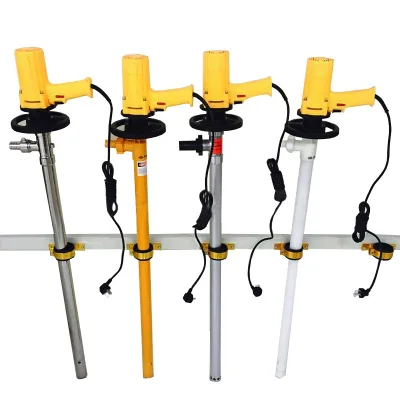


Lubricating Oil Gear Pump Hydraulic Oil Gear Pump Mechanical Oil Gear Pump
$90.00 - $100.00
MOQ: 1 Pieces


Comprehensive Sourcing Guide
Strategic Sourcing Guide for Single Cylinder Lubricating Pumps
The global market for industrial fluid handling equipment has seen a steady evolution, with single cylinder lubricating pumps emerging as a critical component for maintaining operational efficiency across diverse sectors. For procurement professionals, navigating the landscape of these pumps requires a disciplined approach that balances technical specifications with supply chain reliability. The core keyword, "Single Cylinder Lubricating Pump," encompasses a variety of configurations designed to deliver precise lubrication in high-pressure environments. This guide synthesizes available market data to provide a framework for evaluating potential suppliers and products without relying on unverified claims or specific vendor recommendations.
Technical Specifications and Performance Parameters
When evaluating single cylinder lubricating pumps, the primary focus must be on the mechanical and hydraulic characteristics that define their operational envelope. Based on observed product attributes, the market offers pumps driven by electric, pneumatic, or manual power sources. The "Driven Type" for many units is listed as "Pneumatic electric," indicating a hybrid capability or a specific design choice for environments where electrical safety is a concern. Voltage specifications vary significantly, with common configurations including 12V, 24V, and 6V, suggesting these pumps are often integrated into mobile or smaller-scale industrial systems rather than heavy-duty fixed infrastructure.
Performance metrics are equally critical. The observed data highlights "High Pressure" as a standard performance attribute, which is essential for lubrication systems that must overcome resistance in long piping networks or high-viscosity fluids. The "Lubricating Method" is consistently identified as "Grease Lubrication," confirming the pump's primary function in delivering semi-solid lubricants to machinery bearings and gears. Furthermore, the "Flow Rate" can be either "Constant" or "Variable," allowing buyers to select units that match the specific throughput requirements of their application. The "Structure" of these pumps is frequently described as "Gear Pump," a robust design known for its ability to handle viscous fluids efficiently.
| Attribute Category | Observed Values | Procurement Implication |
|---|---|---|
| Drive Type | Electric, Pneumatic, Manual | Verify power availability at the installation site. |
| Flow Rate | Constant, Variable | Match flow consistency to process stability needs. |
| Pressure | High Pressure | Ensure system rating exceeds maximum operating pressure. |
| Lubrication | Grease Lubrication | Confirm compatibility with the specific grease type used. |
| Structure | Gear Pump | Assess wear resistance and maintenance intervals. |
| Power Source | 12V/24V/6V | Check compatibility with existing vehicle or machine electrical systems. |
Material Composition and Construction Standards
The longevity and reliability of a lubricating pump are heavily dependent on the materials used in its construction. The supplied data indicates that "Stainless steel" is a prevalent metal type, particularly for components like the "stainless steel sprayer." This material choice is vital for applications involving corrosive environments or where hygiene is a concern, such as in the Food and Beverage Industry or Water Treatment sectors. The "Metal Type" specification ensures that the pump can withstand the chemical properties of the lubricant and the ambient conditions of the operating environment.
Packaging and structural standards also play a role in the product's integrity during transit and storage. Observed packing details include "Plywood" crates and various carton dimensions, such as 373745cm/carton or 1252325cm/carton. These variations suggest that the physical dimensions of the pump and its accessories vary by model. Buyers must verify that the packaging is sufficient to protect the precision internal components, such as the gear mechanism, from damage during shipping. The "Standard" field in the data mentions values like "50kg," which may refer to a weight class or a specific load capacity standard, though this requires direct verification with the supplier to ensure it aligns with the buyer's specific load requirements.
Compliance, Certification, and Regulatory Alignment
In the realm of industrial procurement, compliance is not merely a formality but a prerequisite for safe and legal operation. While the provided data does not list specific certification bodies or test results, it does mention "prod_standard" values such as "50kg" and various packaging dimensions. This implies that manufacturers adhere to certain internal or regional standards, but buyers must independently verify if these meet international norms like ISO or specific industry regulations.
The "Warranty" period is explicitly stated as "1 Year" in the observed data, which serves as a baseline indicator of the manufacturer's confidence in their product. However, warranty terms should not be the sole metric for compliance. Buyers should request documentation regarding the "prod_model" numbers, such as "drb," "ZPU," "DDB," "DBS," "Y62041," "Y68313-B," and "GZ-16," to ensure that the specific unit being purchased has undergone the necessary quality assurance processes. The "Automatic Grade" being listed as "Automatic" suggests a level of sophistication in the control systems, which may require specific safety certifications for automated machinery integration.
Cost Drivers and Supply Chain Economics
Understanding the cost structure of single cylinder lubricating pumps is essential for budgeting and total cost of ownership analysis. The observed price range in the market spans from 1 to 15,000 USD, a wide disparity that reflects differences in material quality, power source complexity, and customization levels. The "Supply Ability" is noted as "200 cartons per Month," which provides a baseline for production capacity but does not guarantee immediate availability for large orders.
The "MOQ" (Minimum Order Quantity) ranges from 1 to 50 units, offering flexibility for both small-scale projects and bulk procurement. However, the "Selling Units" are often listed as "Single item," which may imply that the price quoted is for a complete assembly rather than individual components. Buyers should be aware that "Customization" is available, which can significantly impact the final cost. Custom features, such as specific voltage requirements or specialized outlet sizes like "OD:4.2mm," will likely incur additional charges and extend lead times. The "Port of dispatch" is identified as "Tianjin," which is a major logistics hub, but the actual "Lead time" must be confirmed with the supplier, as it is not explicitly provided in the general data.
Typical Applications and Industry Fit
The versatility of single cylinder lubricating pumps is evident in the broad range of applications listed. These units are suitable for the "Automotive Industry," "Biofuel Industry," and "Food And Beverage Industry," indicating their adaptability to various fluid handling challenges. In the "Automotive Industry," these pumps might be used for engine lubrication systems, while in "Food And Beverage," the stainless steel construction ensures compliance with hygiene standards.
Other notable applications include "Commercial Buildings," "District Energy," and "Industrial Boilers," where reliable lubrication is critical for preventing equipment failure. The "Filling Material" data lists "Beer, Milk, Water, Juice oil," suggesting that these pumps can handle a wide viscosity range, from thin liquids to thicker oils. This versatility makes them valuable for "Developing World Water Solutions" and "Drinking Water Treatment" projects, where robust and low-maintenance equipment is often required. The "Usage" is explicitly defined as "Pumping oil," confirming their primary function, but the "Other" category notes "stainless steel sprayer," hinting at secondary uses in spraying or coating applications.
Supplier Evaluation and Quality Assurance
Selecting the right supplier requires a rigorous evaluation process that goes beyond the basic product listing. The "place of origin" is identified as "Hebei, China," a region known for its manufacturing capabilities, but buyers must verify the specific factory's reputation and quality control systems. The "Customized support" is listed as "OEM," indicating that suppliers are willing to tailor products to specific client needs. This is a positive indicator of flexibility, but it also necessitates clear communication of technical requirements to avoid misalignment.
Quality control should be a central part of the procurement strategy. Buyers should request detailed specifications for the "motor," which is described as "standard" in the data, and verify if this meets the specific performance demands of the application. The "Horsepower" is listed as "0.01," which is a very low power rating, suggesting these pumps are designed for low-torque, high-precision applications rather than heavy-duty industrial drives. Verification of the "Power Supply" as "Pneumatic" or "Electric" is crucial to ensure compatibility with the facility's infrastructure. Additionally, the "Machinery Capacity" of "8000BPH, 6000BPH" (Barrels Per Hour) suggests that some suppliers may have integrated production lines capable of high-volume output, which could be a factor in lead time estimation.
Long-Term Procurement and Maintenance Considerations
For a sustainable procurement strategy, buyers must consider the long-term implications of their purchase. The "Warranty" of "1 Year" is a standard starting point, but the availability of spare parts and the ease of maintenance are equally important. The "Gear Pump" structure is generally durable, but the "Lubricating Method" of "Grease Lubrication" implies that regular maintenance is required to prevent wear and ensure consistent performance.
Buyers should also evaluate the "Packaging Details" to ensure that the product arrives in a condition that facilitates easy installation and storage. The "Carton Package" and specific dimensions like "313076cm" should be factored into logistics planning. Furthermore, the "Voltage" options (12V/24V/6V) suggest that these pumps are often used in mobile or portable applications, where battery life and power management are critical. Long-term success depends on selecting a supplier who can provide technical support and spare parts for the lifespan of the equipment, ensuring that the "Single Cylinder Lubricating Pump" remains a reliable asset rather than a recurring cost.
In conclusion, sourcing single cylinder lubricating pumps requires a meticulous approach that aligns technical specifications with operational needs and supply chain realities. By focusing on the observed attributes such as drive type, material composition, and application fit, buyers can make informed decisions that ensure reliability and efficiency. The wide range of models and customization options available provides ample opportunity to find a solution that meets specific project requirements, provided that due diligence is maintained throughout the selection process.
FAQs
What power sources are available for single cylinder lubricating pumps?
These pumps typically operate using electric, pneumatic, or manual power sources. Many units feature a driven type labeled as pneumatic electric, while voltage options often include 12V, 24V, or 6V for mobile integration.
Which materials are used to construct single cylinder lubricating pumps?
Stainless steel is a prevalent metal type used for components like the sprayer to ensure corrosion resistance. This material choice supports applications in the food and beverage industry and water treatment sectors requiring hygiene compliance.
Can buyers customize single cylinder lubricating pumps for specific needs?
Yes, customization is available for these units to meet specific client requirements. Buyers can request OEM support for tailored specifications, though this may impact the final cost and lead time of the order.
What is the standard warranty period for single cylinder lubricating pumps?
The observed warranty period for these pumps is typically one year. This baseline indicates manufacturer confidence, but buyers should verify specific terms and spare parts availability before finalizing procurement decisions.
How are single cylinder lubricating pumps packaged for shipping?
Pumps are commonly shipped in carton packages with specific dimensions like 37x37x45cm or 125x23x25cm. Some units may also be packed in plywood crates to protect precision internal components during transit.
What flow rate options exist for single cylinder lubricating pumps?
Flow rates can be configured as either constant or variable depending on the model. This allows buyers to select units that match the specific throughput requirements of their industrial lubrication or fluid handling processes.
Where are single cylinder lubricating pumps typically manufactured?
The place of origin for these pumps is often Hebei, China, with dispatch ports like Tianjin. Buyers should verify the specific factory location and capacity, such as 8000BPH, to ensure supply chain reliability.