Source Single Layer Insect Breeding Box for Reptiles, Amphibians, and Small Pets
Explore 30 listings for the Single Layer Insect Breeding Box, designed for durable, reusable housing. Compare features like stackability, easy maintenance, and custom sizes to find the right solution for your reptile, amphibian, or small pet needs; compare the available evidence and request quotations based on your requirements.
Key considerations
Products List

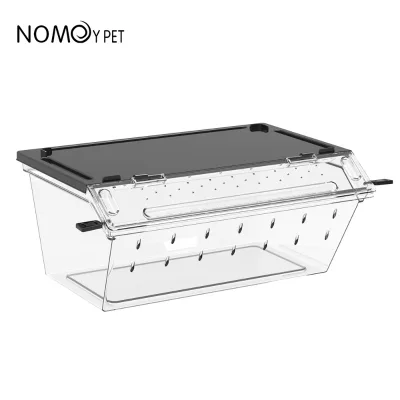


Plastic Insect Breeding Box 600X400X145/190mm Mealworms Insects Breeding Tray
$2.20 - $4.90
MOQ: 300 Pieces


Hot Sale Plastic Insect Breeding Box 600X400X145/190mm Insects Breeding Tray
$2.20 - $4.90
MOQ: 300 Pieces


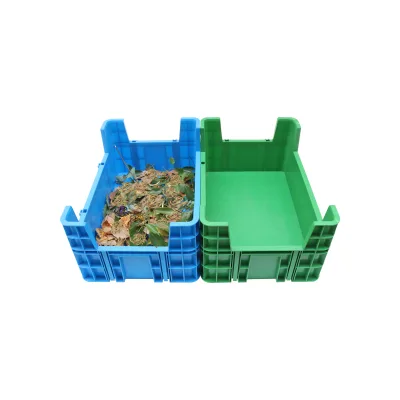


Hot Sale Insect Breeding Box PP Four Corners Plastic Customized Blue Box for Sale
$3.67 - $7.50
MOQ: 500 Pieces

Comprehensive Sourcing Guide
Single Layer Insect Breeding Box Sourcing Guide
Procuring a Single Layer Insect Breeding Box requires distinguishing between general terrariums and specialized units designed for specific agricultural or research applications. The market offers distinct configurations, ranging from simple plastic tubs for small reptiles to structured boxes intended for mealworms or black soldier fly larvae. Buyers must first identify whether their operational need involves ecological symbiosis in a greenhouse setting or contained breeding for insect meal production, as the structural requirements differ significantly between these use cases.
Verification of the internal dimensions and material composition is critical before finalizing any order, as observed listings show a wide variance in standard sizes. Some units are specified with internal measurements of 600 by 400 by 145 millimeters, while others reach up to 1000 by 1000 by 355 millimeters. Selecting the correct footprint ensures the equipment fits within existing facility layouts and accommodates the specific volume of insects required for the intended cultivation method without compromising airflow or access.
Product Scope and Observed Listing Signals
The product scope for single layer insect breeding boxes encompasses a variety of materials, primarily high-quality polypropylene and steel-plastic composites, which dictate durability and chemical resistance. Listings indicate that these units often feature a single layer design with a shaped roof, suitable for both indoor and outdoor deployment depending on the specific model selected. Buyers should note that while some units are marketed for general pet applications like lizards or spiders, others are explicitly engineered for agricultural purposes such as BSF mealworm cultivation, requiring different ventilation and structural integrity standards.
Observed listing signals reveal that customization is a prevalent feature, allowing buyers to specify logos, colors, and exact dimensions to match operational needs. The availability of customized packing and specific color options like blue or white suggests that these units are often part of a larger branded supply chain or specific research protocol. However, the presence of multiple size standards in the same category indicates that buyers must carefully cross-reference the listed dimensions with their actual space constraints to avoid purchasing units that are either too small for the colony or too large for the available infrastructure.
Technical Specifications to Verify
Technical verification must begin with the material composition of the lid and the main body, as these components determine the longevity and hygiene of the breeding environment. High-confidence data points to the use of S.S. 304 stainless steel for lids, often treated with electrolytic polishing to prevent corrosion and facilitate cleaning, while the main box is frequently constructed from high-quality polypropylene. Buyers should confirm that the nozzle and bottle components also utilize 304 stainless steel to ensure that the entire assembly resists degradation from moisture and organic waste over extended periods of use.
Dimensional accuracy is another critical technical parameter that requires strict verification against the intended application. While some models are standardized at 460 by 315 by 200 millimeters, others are available in larger formats up to 1000 by 1000 by 355 millimeters. It is essential to validate the internal size specifications, such as the 600 by 400 by 145 millimeter configuration, to ensure they align with the specific growth stage of the insects. Additionally, the stackability feature, often highlighted as an advantage, must be confirmed to ensure that the units can be safely stacked without compromising the structural integrity of the lower layers.
Compliance and Safety Documentation
Compliance and safety documentation for insect breeding boxes often centers on the material safety and the suitability of the product for its intended biological environment. While specific certification statuses like ISO9001 are mentioned in background data, buyers should not assume these apply to every unit without explicit verification from the supplier. Instead, the focus should be on confirming that the polypropylene and stainless steel materials used are food-grade or safe for agricultural use, ensuring no harmful leaching occurs into the insect feed or the surrounding environment.
Safety considerations also extend to the structural design, particularly regarding the stability of the unit in both indoor and outdoor settings. The roofing shape and the use of steel-plastic building materials suggest a design intended to withstand various weather conditions if deployed outdoors. Buyers must request documentation confirming that the unit can withstand the specific environmental stresses of their location, such as wind loads or temperature fluctuations, especially since the heating method is listed as unheated, implying the structure must rely on passive environmental control.
Cost Drivers and Commercial Terms
Cost drivers for single layer insect breeding boxes are heavily influenced by the material quality, specifically the grade of stainless steel and the thickness of the polypropylene used. Units featuring electrolytic polishing on the stainless steel lids and custom branding options typically command higher prices than standard off-the-shelf models. The observed price range of 1.79 to 39 USD suggests a significant variance based on size, material thickness, and the level of customization, requiring buyers to balance their budget against the expected service life and maintenance requirements of the equipment.
Commercial terms regarding minimum order quantities and lead times vary widely, with observed MOQs ranging from 2 to 500 units depending on the supplier and the level of customization requested. Buyers should be prepared for different packing configurations, as some units are shipped in standard cartons while others may require customized packaging to protect the specific dimensions during transit. Understanding the selling units, which are often listed as single items, helps in calculating the total cost of ownership, including shipping and potential assembly costs, before committing to a large-scale procurement.
Supplier Qualification and Quality Control
Supplier qualification should prioritize manufacturers with a proven track record in producing plastic and metal composite products for agricultural or laboratory use. The origin of these products is frequently listed as Zhejiang, China, a region known for its manufacturing capabilities in plastic and metal goods. Buyers should verify the supplier's ability to maintain consistent quality across different production batches, particularly regarding the welding quality of the stainless steel lids and the molding precision of the polypropylene boxes.
Quality control measures must include a rigorous inspection of the finished product for defects such as uneven welding spots or structural weaknesses in the plastic. The feature of excellent stackability and the characteristic of being easy to clean and maintain are key indicators of quality that should be tested before final acceptance. Buyers should request samples to verify the durability and reusability of the units, ensuring that the long service life claimed in the product descriptions is achievable in real-world operational conditions.
Long-Term Procurement Checks
Long-term procurement checks should focus on the maintenance requirements and the availability of replacement parts for the breeding boxes. Since the units are designed for long-term use, buyers must ensure that components like water bottles and lids are replaceable and that the supplier can provide these parts without significant lead times. The observation that these units are reusable and durable suggests that a robust after-sales support system is essential for maintaining operational continuity over multiple breeding cycles.
Finally, buyers should establish a protocol for periodic performance reviews to ensure the breeding boxes continue to meet the specific needs of the insect cultivation process. This includes monitoring the condition of the materials for signs of wear, such as cracking in the plastic or corrosion in the metal, and assessing whether the current dimensions remain optimal for the colony size. Regular checks will help identify any necessary adjustments to the procurement strategy, ensuring that the equipment continues to support efficient and effective insect breeding operations.
FAQs
What is the standard size for the Single Layer Insect Breeding Box?
The standard size is 600 by 400 by 145 millimeters. This dimension provides adequate internal space for rearing various insects. Customized sizes like 800 by 600 by 190 millimeters are also available to meet specific operational requirements. Buyers can select from multiple configurations to ensure optimal fit for their breeding environment.
Can the Single Layer Insect Breeding Box be customized with a logo?
Yes, customization is available for branding purposes. Buyers can add their specific logo to the product surface. This service allows companies to maintain brand visibility during storage and transport. The customization option supports various design requirements, ensuring the final product aligns with corporate identity standards while maintaining functional durability.
What material is used to construct the Single Layer Insect Breeding Box?
The box is constructed from high-quality polypropylene material. This plastic ensures durability and resistance to wear during repeated use. The material choice supports easy cleaning and maintenance, which is critical for hygiene in breeding environments. The sturdy construction guarantees a long service life for users handling various insect species in controlled settings.
Which applications are suitable for the Single Layer Insect Breeding Box?
The box is suitable for breeding black soldier fly mealworms and other small insects. It supports ecological symbiosis cultivation methods in production greenhouses. The design accommodates various reptile and amphibian species like lizards and frogs. Its versatile structure makes it ideal for both indoor and outdoor agricultural applications requiring secure containment.
How is the Single Layer Insect Breeding Box packaged for shipment?
The product is packaged in standard cartons for safe transport. Customized packing options are available to meet specific logistical needs. This packaging ensures the boxes remain protected during shipping from the origin in Zhejiang, China. The secure packing method helps prevent damage, ensuring the product arrives in new condition ready for immediate use in breeding operations.
What is the minimum order quantity for the Single Layer Insect Breeding Box?
The minimum order quantity ranges from two to five hundred units. This flexible MOQ allows buyers to place orders suitable for their scale. Small businesses can start with lower quantities while larger operations can order in bulk. The range accommodates diverse procurement needs, making the product accessible for various market segments requiring insect breeding infrastructure.