Source Single Outdoor Sleeping Mat for Hiking, Camping, and Travel
Explore 30 verified listings for the Single Outdoor Sleeping Mat, featuring varied sizes, thicknesses, and weights. Buyers can compare specifications like waterproofing, inflation modes, and packing details to find the right gear for spring, autumn, or all-season use.
Key considerations
Products List


2019 Hot Sale Inflatable Sleeping Mat Camping Pad Single and Double Mat
$10.00 - $30.00
MOQ: 500 Pieces


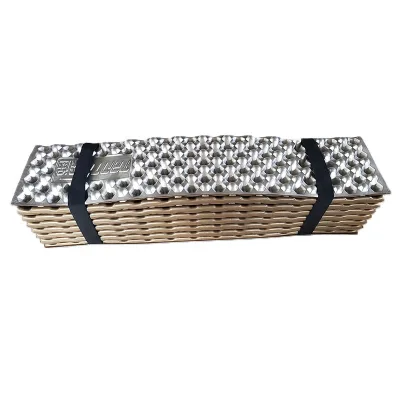
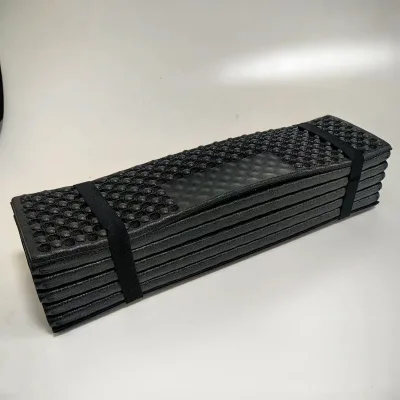



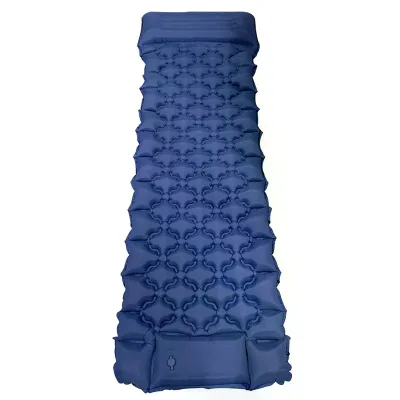

Camping Sleeping Pad Ultralight Camping Mat with Pillow Inflatable Sleeping Pads
$5.00 - $10.00
MOQ: 200 Pieces

Comprehensive Sourcing Guide
Strategic Sourcing Guide for Single Outdoor Sleeping Mats
Understanding Product Specifications and Variability
When sourcing single outdoor sleeping mats, buyers must navigate a complex landscape of technical specifications that vary significantly even within the same product category. The core keyword "Single Outdoor Sleeping Mat" encompasses a wide range of designs, from ultra-lightweight hiking pads to heavy-duty camping solutions. Based on observed market data, the physical dimensions of these products are not uniform. For instance, specific models in the current market exhibit dimensions such as 2007610cm or 20013210cm, while others are designed for compact travel with sizes like 190586cm or 192585cm.
Thickness is a critical differentiator that directly correlates with comfort and insulation. The observed data indicates thicknesses ranging from 1cm to 10cm. A 10cm thickness, often associated with models like KG6221, suggests a focus on maximum comfort and insulation, suitable for colder conditions or users prioritizing sleep quality over packability. Conversely, mats with a thickness of 1cm or 5cm, such as those found in models KG6521 and KG6102, are engineered for weight savings and portability, making them ideal for long-distance hiking where every gram counts.
The shape and style of the mat also play a pivotal role in the sourcing decision. While many products are rectangular, some listings indicate square shapes, and styles range from modern to simple. The material construction is equally diverse; some mats utilize open foaming technology, which is a specific type of dampproof mat type, while others employ woven crafts for enhanced durability. The hardness of the product is another variable, with options ranging from soft to partially hard. Buyers must align these physical attributes with their specific use cases, understanding that a "soft" mat may offer superior comfort but potentially less durability than a "partial hard" alternative.
Technical Performance and Material Composition
The performance of a Single Outdoor Sleeping Mat is heavily dependent on its material composition and inflation mechanism. The market data reveals the existence of mats that require an external inflator pump, a feature that impacts the user experience by adding a step to the setup process but ensuring consistent firmness. Other products may rely on self-inflating properties or manual inflation, though the specific mechanism must be verified against the product model.
Waterproofing is a non-negotiable feature for outdoor sleeping mats, as exposure to moisture is inevitable in camping environments. The observed data confirms that waterproof capabilities are a standard attribute for these products. However, the specific construction method, such as the "open foaming" type mentioned in certain specifications, requires careful evaluation to ensure it meets the buyer's durability expectations. The dampproof mat type must be validated to ensure it prevents moisture ingress from the ground, which can lead to heat loss and discomfort.
Weight is a significant technical constraint for outdoor gear. The observed weight range for single mats varies dramatically, from ultra-light options weighing as little as 0.1kg or 330g (10oz) to heavier models reaching 4kg or 6.3kg. For example, a model with dimensions 812525cm is noted to weigh 4kg, while a smaller variant at 693131cm weighs 6.3kg. These figures highlight the trade-off between size, thickness, and portability. Buyers sourcing for backpacking must prioritize the lighter end of the spectrum, whereas those supplying base camps or car camping enthusiasts might prioritize the heavier, thicker options for comfort.
Compliance, Certification, and Safety Standards
In the B2B procurement of outdoor sleeping mats, verifying compliance and safety standards is essential to mitigate risk and ensure product reliability. While specific certification names are not universally standardized across all listings, buyers must demand evidence of adherence to relevant safety and quality standards. The product origin is identified as China, a major manufacturing hub, which necessitates rigorous supplier vetting to ensure that production processes meet international safety requirements.
Buyers should verify that the mats meet specific product standards, such as those indicated by model numbers like KG6112-1 or KG6511. These model numbers often correspond to internal or industry-specific standards that define the acceptable range of performance metrics. It is crucial to confirm that the "prod_standard" listed for a product, such as 2007610CM or 40300.8, aligns with the actual physical dimensions and performance capabilities of the goods being purchased.
Safety regarding materials is another critical compliance area. The mats must be free from harmful substances that could cause skin irritation or respiratory issues, especially given the close contact users have with the product during sleep. Although specific chemical certifications are not explicitly detailed in the provided data, buyers should request Material Safety Data Sheets (MSDS) or equivalent documentation to confirm the absence of toxic materials. Additionally, the "Customized" nature of many products implies that branding and logos can be added, which requires ensuring that any inks or adhesives used for customization are also compliant with safety regulations.
Cost Drivers and Pricing Dynamics
The pricing of single outdoor sleeping mats is influenced by a multitude of factors, including material costs, manufacturing complexity, and customization requirements. The observed price range in the market spans from $0.40 to $38.69, a wide variance that reflects the diversity in product quality and features. The lower end of the spectrum likely corresponds to basic, lightweight mats with minimal features, while the higher end represents premium models with advanced insulation, durable materials, and complex manufacturing processes.
Customization is a significant cost driver. Products that accept customized logos or specific dimensions often incur additional tooling and setup costs. The "Customized" attribute is prevalent in the market, suggesting that buyers can tailor products to their brand, but this comes at a premium. The MOQ (Minimum Order Quantity) also plays a crucial role in unit pricing. The observed MOQ range of 2 to 5000 units indicates that buyers can source small batches for testing or prototyping, but larger orders typically yield better per-unit economics.
Other cost factors include the inflation mechanism and packing method. Mats requiring external pumps may have higher component costs, while those packed in OPP bags offer a cost-effective solution for shipping and storage. The thickness and weight of the mat also impact the cost, as thicker, heavier mats require more raw material. Buyers must balance these cost drivers against their target market's willingness to pay, ensuring that the final product offers value without compromising on essential quality attributes.
Supplier Evaluation and Quality Assurance
Selecting the right supplier for single outdoor sleeping mats requires a comprehensive evaluation of their capabilities, quality control processes, and track record. Given that the products originate from China, buyers should prioritize suppliers with a proven history of exporting to their target markets. The ability to handle customization, such as adding logos or altering dimensions, is a key indicator of a supplier's flexibility and technical competence.
Quality control is paramount in the outdoor gear industry. Buyers should implement a rigorous QC strategy that includes pre-production sampling, in-process inspections, and final random inspections. The "Craft" attribute, such as woven materials, should be inspected for consistency and durability. Additionally, the "Hardness" and "Shape" of the mats must be verified to ensure they match the specifications provided in the product model. For instance, a mat listed as "Rectangle" should not exhibit deviations that affect its usability.
Suppliers should also demonstrate a commitment to continuous improvement and responsiveness to feedback. The ability to provide detailed product specifications, such as the "Fold Size" or "Weight" for specific models like KG6122-2, is a sign of transparency and reliability. Buyers should request samples to test the "Waterproof" and "Dampproof" claims firsthand, ensuring that the mats perform as expected in real-world conditions.
Typical Applications and Market Segmentation
Single outdoor sleeping mats serve a variety of applications, ranging from recreational camping to professional outdoor expeditions. The "Outdoor Activity" attribute, specifically "Hiking," highlights the primary use case for these products. However, the diversity in specifications suggests that these mats are also suitable for other activities such as backpacking, car camping, and even indoor use as temporary bedding.
The "Season" attribute, which includes "All" and "Spring/Autumn," indicates that some mats are designed for year-round use, while others are optimized for specific weather conditions. Thicker mats with higher insulation properties are better suited for colder seasons, while thinner, lighter mats are ideal for warmer weather. The "Style" and "Color" options, such as "Green" or "Blue," allow buyers to target specific consumer preferences and brand identities.
Understanding the target market is essential for successful sourcing. Buyers must align their product selection with the needs of their customers. For example, a supplier targeting ultralight backpackers should focus on mats with low weight and compact fold sizes, while a supplier catering to family camping might prioritize comfort and durability. The "Customization" feature allows suppliers to create unique products that stand out in a crowded market, offering tailored solutions for specific customer segments.
Long-Term Procurement Considerations
Sourcing single outdoor sleeping mats is not just a one-time transaction but a long-term partnership that requires strategic planning. Buyers should consider the scalability of their supply chain, ensuring that suppliers can handle increased order volumes as demand grows. The "MOQ" range of 2 to 5000 units provides flexibility, but buyers must plan for future growth and potential fluctuations in demand.
Sustainability is becoming an increasingly important factor in procurement. Buyers should evaluate the environmental impact of the materials used in the mats, such as the "Open Foaming" type, and consider suppliers who are committed to sustainable manufacturing practices. The "OPP Bag" packing method is a common standard, but buyers may explore eco-friendly packaging options to align with their corporate sustainability goals.
Finally, maintaining a strong relationship with suppliers is crucial for long-term success. Regular communication, feedback loops, and collaborative problem-solving can help ensure that the supply chain remains resilient and responsive to market changes. By focusing on these long-term considerations, buyers can build a robust sourcing strategy that delivers value and reliability over time.
FAQs
What are the available thickness options for single outdoor sleeping mats?
Thickness options range from 1cm to 10cm depending on the specific model selected. Thicker mats like the 10cm version offer maximum comfort for camping, while 1cm or 5cm variants are designed for lightweight hiking and portability.
Can I request a customized logo on these sleeping mats?
Yes, customization including custom logos is available for many models in this category. Buyers should verify specific model requirements as some items may have different customization constraints or additional setup costs.
How does the inflation mechanism work for these outdoor mats?
Some models require an external inflator pump to achieve the desired firmness and shape. This feature ensures consistent performance but adds a step to the setup process compared to self-inflating alternatives.
What is the typical weight range for single outdoor sleeping mats?
Weights vary significantly from 0.1kg for ultra-light models to over 6kg for heavy-duty options. Lighter mats around 330g are ideal for backpacking, while heavier ones provide superior insulation for base camps.
Which dimensions are standard for the rectangular sleeping mat models?
Common rectangular dimensions include 200 by 76 by 10cm and 190 by 58 by 6cm. Specific sizes like 40 by 30 by 0.8cm are also available for compact travel needs.
Are these mats suitable for use in all seasons?
Some models are rated for all seasons, while others are optimized specifically for spring and autumn. Thicker mats generally provide better insulation for colder conditions compared to thinner, lighter versions.
What is the minimum order quantity for these products?
The minimum order quantity ranges from 2 units up to 5000 units depending on the supplier and customization level. Smaller batches allow for testing, while larger orders typically improve per-unit economics.