Source Single Motor Electric Car for Commuting, Delivery, and Tourism
Explore 30 verified listings for a Single Motor Electric Car suitable for urban commuting, last-mile delivery, and tourist transport. Buyers can compare specifications like battery type, range, and braking systems to find the right vehicle for their business needs.
Key considerations
Products List

$1700.00 - $1800.00
MOQ: 1 Pieces

Electric Car 5 Seater Electric Automobile Car Four Wheel Cheap Electric Car
$12000.00 - $20000.00
MOQ: 1 Sets

High Speed Electric Car with High Performance Four Wheel Electric Car
$12000.00 - $20000.00
MOQ: 1 Sets


Energy Electric Vehicle Motors Car Automobile Cars Made in China Car SUV Electric
$12000.00 - $20000.00
MOQ: 1 Sets

Electric Vehicles High Speed EV Car Family Car Electric Cars Adults Vehicle
$12000.00 - $20000.00
MOQ: 1 Sets
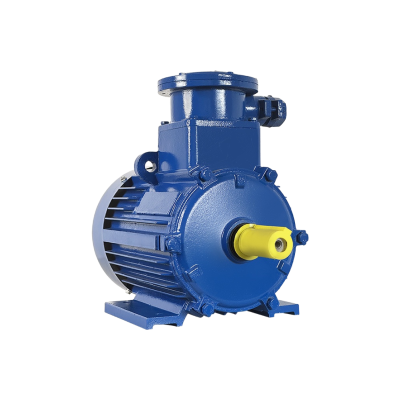


EV Car Cheap Electric Vehicles Electric Automobile Car Electric Motors Vehicles
$30700.00 - $31300.00
MOQ: 1 Pieces

Electric Automobile Car Car Adult Electric Electric-Car New Electric Car
$35700.00 - $36100.00
MOQ: 1 Pieces

4 Wheels 4 Seats Electric Car 45km/H Electric Small Car Vehicles Electric Car
$4000.00 - $4500.00
MOQ: 1 Pieces


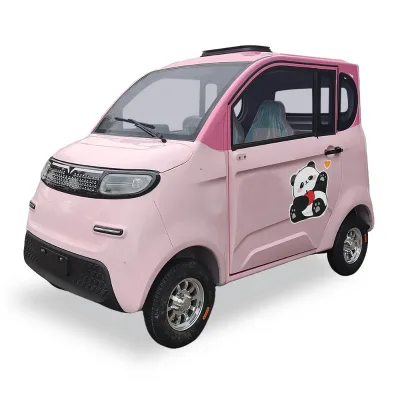
Mini Electric EV Motor 4-Seater New Energy Vehicle Hot Concept Electric Car
$765.99 - $1021.31
MOQ: 1 pieces
Comprehensive Sourcing Guide
Strategic Sourcing Guide for Single Motor Electric Vehicles
The global shift toward sustainable urban mobility has elevated the Single Motor Electric Car from a niche novelty to a critical component of modern logistics and personal transport fleets. For B2B procurement professionals, sourcing these vehicles requires a disciplined approach that balances technical performance, regulatory compliance, and supply chain reliability. The market offers a diverse array of configurations, from compact closed-body passenger units to specialized utility vehicles, each with distinct operational parameters. This guide outlines the essential factors buyers must evaluate to secure a reliable supply chain while avoiding common pitfalls associated with unverified specifications and inconsistent quality standards.
Technical Specifications and Performance Parameters
When evaluating single motor electric cars, the primary focus must be on the core powertrain and chassis architecture. The supplied data indicates a prevalent engine power rating of 1200W, though some entries note power outputs exceeding 800W, suggesting a range of performance tiers available in the market. Buyers should verify the voltage architecture, as observed listings show systems operating at both 60V and 72V. The choice of voltage directly impacts the vehicle's torque delivery and acceleration characteristics. Furthermore, the battery technology is a critical differentiator; the available inventory predominantly utilizes Lead-Acid Battery systems, which offer cost advantages but require careful management regarding weight and cycle life compared to lithium-ion alternatives.
Range and speed are equally vital metrics for operational planning. Observed maximum speeds for these units typically cap at 30km/H, positioning them as ideal candidates for low-speed urban environments, gated communities, or industrial campuses rather than high-speed public highways. The driving range is another variable that requires specific verification per model; one documented specification cites a range of 58km, while others may vary based on load conditions and terrain. The wheelbase dimension, observed at 1275mm in specific models, influences stability and turning radius, while the wheel distance exceeding 1110mm suggests a design optimized for load-bearing capacity. For buyers requiring specific dimensions, the standard product sizes observed range significantly, with one model measuring 230011201600mm and another reaching 407016901540mm, indicating that "single motor" does not imply a uniform footprint.
Compliance and Certification Verification
Navigating the regulatory landscape is perhaps the most complex aspect of international procurement. The provided data highlights a mix of certifications, including CCC (China Compulsory Certification), CE (Conformité Européenne), EEC (European Economic Community), and ISO 9001:RoHS. It is crucial for buyers to understand that these certifications are not universally applied to every listed product. For instance, while some models explicitly list CCC and CE, others may only carry CE or a combination of CE and EEC. The presence of ISO 9001:RoHS indicates adherence to quality management systems and restrictions on hazardous substances, but this must be confirmed for the specific unit being purchased.
Buyers must not assume that a supplier's general certification covers all their SKUs. The distinction between "CCC" and "CE" is particularly important; CCC is mandatory for domestic sales in China, whereas CE is required for entry into the European market. If a buyer intends to import these vehicles into a jurisdiction requiring EEC approval, they must request specific documentation proving that the model number in question has undergone the necessary type-approval testing. Additionally, the "Video outgoing-inspection" attribute suggests that some suppliers offer remote quality verification, which can be a valuable tool for confirming that the physical unit matches the certified specifications before shipment.
Cost Drivers and Pricing Structures
The pricing landscape for single motor electric cars is highly variable, with observed ranges spanning from $30 to $36,100 USD. This vast disparity is not indicative of a single product category but rather reflects differences in body type, battery capacity, customization levels, and intended usage. The lower end of the spectrum likely corresponds to basic, open-frame utility vehicles or components, while the higher figures may represent fully enclosed, passenger-grade vehicles with advanced features. Buyers should be wary of prices that seem abnormally low, as they may indicate compromised build quality or missing essential components.
Beyond the unit price, the Minimum Order Quantity (MOQ) is a significant cost driver. The observed MOQ range extends from 1 unit to 12,000 units. For small-scale pilots or fleet expansions, a low MOQ of 1 is advantageous, allowing for market testing without massive capital commitment. However, larger orders often unlock better pricing tiers and more favorable shipping terms. The "Selling Units" attribute confirms that single-item purchases are possible, but bulk buyers should negotiate based on the specific volume. Furthermore, the "Customization" attribute being "Available" implies that bespoke requirements, such as specific colors (White, Black, Blue, Red) or branding, may incur additional costs or extended lead times.
Typical Applications and Usage Scenarios
The classification of these vehicles as "Passenger" usage with a "Closed" body type points to specific use cases. These vehicles are well-suited for last-mile delivery in urban centers, security patrols in large facilities, and transportation within university campuses or industrial parks where speed limits are low. The "Adult" driving type designation confirms that these are not toy vehicles but functional transport for adult operators. The inclusion of a "Hydraulic Disc Brake" system suggests a need for reliable stopping power, which is essential for safety in crowded or variable terrain environments.
The "PHEV" (Plug-in Hybrid Electric Vehicle) attribute found in some listings introduces a hybrid capability, though this is less common in the standard single-motor electric segment. If a buyer encounters a PHEV listing, they must clarify the specific hybrid architecture, as it may involve a secondary combustion engine or a different power generation method. For pure electric applications, the "Charging Voltage" of 220V is a standard requirement that buyers must ensure matches their local infrastructure. The "40hq" container capacity, observed at 9 to 10 units depending on the model, is a critical logistical factor for importers planning container loads, as it directly impacts the per-unit shipping cost.
Supplier Evaluation and Origin Analysis
Geographic origin plays a pivotal role in supplier evaluation. The data indicates production hubs in Fujian, Taizhou, Henan, and Shandong, all within China. While these regions are known for manufacturing capabilities, buyers should verify the specific factory location for their chosen model to assess logistics costs and potential supply chain disruptions. The "OEM" (Original Equipment Manufacturer) and "Customization" attributes suggest that many suppliers are capable of white-labeling or modifying products to meet buyer specifications. However, the "Compatible Brand: Other" note implies that some units may be generic or designed to fit multiple brand requirements, necessitating a thorough review of the supplier's ability to maintain brand integrity.
When evaluating suppliers, the "Delivery Time" of 15 days is a benchmark for standard production runs, but this can fluctuate based on order volume and customization needs. The "Payment" terms, specifically T/T (Telegraphic Transfer), are standard but require careful negotiation regarding deposit percentages and balance release conditions. Buyers should also scrutinize the "prod_packing" details, which vary from "Iron Frame Package" to "Steel," "Wooden Box," and "Carton." Robust packaging is essential to prevent damage during transit, especially for vehicles with delicate components like hydraulic brakes or battery systems.
Quality Control and Long-Term Procurement
Ensuring long-term reliability requires a proactive quality control strategy. The "Warranty: 1 Year" is a standard offering, but buyers should clarify the scope of coverage, including whether it covers battery degradation or motor failures. The "Video outgoing-inspection" feature is a positive indicator of a supplier's transparency, allowing buyers to verify the condition of the vehicle before it leaves the factory. For high-volume orders, implementing a third-party inspection protocol before shipment is highly recommended to catch any deviations from the agreed specifications.
Long-term procurement considerations extend beyond the initial purchase to include spare parts availability and after-sales support. The "Rated Current: 32A" and specific voltage requirements mean that replacement parts must be compatible with the original design. Buyers should request a list of critical spare parts and their lead times before finalizing a contract. Additionally, the "Standard" dimensions and "Model Number" consistency are vital for future maintenance; ensuring that the supplier provides detailed technical manuals and wiring diagrams will facilitate easier repairs and reduce downtime. By focusing on these comprehensive factors, buyers can secure a supply of single motor electric cars that meet their operational needs while maintaining high standards of safety and reliability.
Comparative Analysis of Key Product Attributes
To assist in decision-making, the following table summarizes the key technical and logistical attributes observed in the market data. This comparison highlights the variability buyers must navigate when selecting a specific model.
| Attribute | Observed Range / Specific Values | Procurement Implication |
|---|---|---|
| Engine Power | 1200W, >800W | Verify torque requirements for intended load. |
| Battery Type | Lead-Acid Battery | Assess cycle life and weight constraints. |
| Max Speed | 30km/H | Confirm suitability for local speed regulations. |
| Certifications | CCC, CE, EEC, ISO 9001:RoHS | Match specific certification to destination market. |
| Dimensions | 230011201600mm to 407016901540mm | Ensure fit for intended storage or transport. |
| MOQ | 1 to 12,000 units | Align order volume with budget and storage capacity. |
| Lead Time | 15 Days (Standard) | Plan inventory replenishment accordingly. |
| Packing | Iron Frame, Steel, Wooden Box, Carton | Evaluate protection level for long-distance shipping. |
| Origin | Fujian, Taizhou, Henan, Shandong | Calculate logistics costs based on port proximity. |
This structured approach to sourcing ensures that buyers make informed decisions based on verified data rather than marketing claims. By rigorously checking specifications, certifications, and supplier capabilities, organizations can build a resilient supply chain for single motor electric vehicles that delivers value and performance over the long term.
FAQs
What certifications are available for single motor electric cars?
Available certifications include CCC, CE, EEC, and ISO 9001:RoHS. Buyers must verify that the specific model number holds the required certification for their target market, as not every listed product satisfies all standards.
How is the battery type configured for these vehicles?
The inventory predominantly utilizes Lead-Acid Battery systems. This configuration offers cost advantages but requires careful management regarding weight and cycle life compared to lithium-ion alternatives for long-term operation.
What is the maximum speed for single motor electric cars?
Observed maximum speeds typically cap at 30km/H. These units are ideal for low-speed urban environments, gated communities, or industrial campuses rather than high-speed public highways requiring higher velocity.
Can buyers customize the color and body of the vehicle?
Customization is available for colors such as White, Black, Blue, and Red. Bespoke requirements may incur additional costs or extended lead times depending on the specific factory location and order volume.
What is the typical lead time for delivery?
The standard delivery time is 15 days for production runs. This timeline can fluctuate based on order volume, customization needs, and the specific origin location of the manufacturer.
Which dimensions are standard for these electric cars?
Standard product sizes vary significantly, ranging from 2300*1120*1600mm to 4070*1690*1540mm. Buyers should verify the exact dimensions for the specific model to ensure fit for intended storage or transport.
What is the minimum order quantity for these vehicles?
The minimum order quantity ranges from 1 to 12,000 units depending on the supplier. Small-scale pilots can start with a single item, while bulk buyers should negotiate based on specific volume tiers.