Source Single-Phase Condenser Fan Motor for Industrial, Air Conditioner, and Refrigeration
Explore 30 verified single-phase condenser fan motor listings with options for copper or aluminum winding, various wattages, and protection types. Buyers can compare specifications like voltage, speed, and starting modes to find suitable units for industrial, air conditioner, and refrigeration applications.
Key considerations
Products List


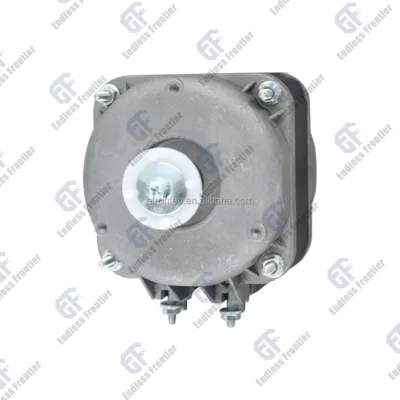
Electrical Motor Ventilation Fan Condenser Fan Motor Refrigerator Fan Motor
$4.17 - $4.20
MOQ: 1000 platform


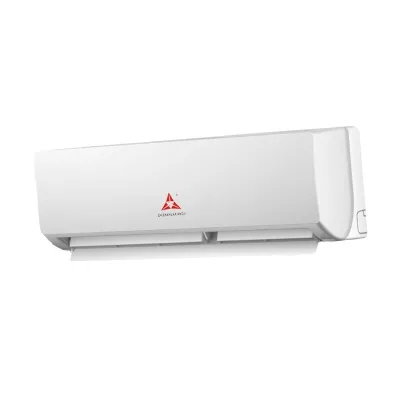
Air Conditioner Motor 220V 240V Condenser Fan Motor AC Condenser Fan Motor
$11.99 - $14.99
MOQ: 500 Pieces


Comprehensive Sourcing Guide
Strategic Sourcing Guide for Single-Phase Condenser Fan Motors
Procuring single-phase condenser fan motors requires a disciplined approach that balances technical compatibility with supply chain reliability. These components are critical for thermal management in industrial and commercial cooling systems, where failure can lead to significant operational downtime. The market offers a diverse array of options, ranging from small 5-watt units to more robust 90-watt models, each tailored to specific voltage and frequency requirements. Buyers must navigate a landscape defined by varying winding materials, bearing types, and protection structures to ensure the selected motor aligns with the intended application environment. This guide outlines the essential factors for evaluating single-phase condenser fan motors, focusing on the technical specifications, compliance standards, and procurement strategies derived from current market data.
Technical Specifications and Performance Parameters
The foundation of a successful procurement decision lies in a precise understanding of the motor's technical specifications. The single-phase condenser fan motor is characterized by its specific electrical and mechanical attributes. A primary consideration is the wattage, which dictates the power output and thermal capacity. Market observations indicate a wide range of available wattages, including 5, 7, 10, 16, 18, 25, and 34 watts, with some specialized units extending up to 90 watts. Selecting the correct wattage is essential to match the airflow requirements of the condenser unit without causing excessive energy consumption or overheating.
Voltage and frequency compatibility are equally critical. These motors are designed to operate on standard single-phase power supplies, with observed voltage ratings including 110V, 220V, and dual-voltage configurations of 220V/110V. Some applications may require a broader range, such as 10V to 240V, necessitating careful verification against the local grid infrastructure. Frequency requirements typically align with global standards of 50Hz or 60Hz, though some units are optimized specifically for 50Hz or 60Hz operation. The starting mode is another technical differentiator; buyers should verify whether the motor utilizes auto-induction voltage-reduced starting or direct on-line starting, as this impacts the inrush current and the required protection devices in the electrical circuit.
Mechanical construction also plays a pivotal role in performance. The winding structure can be either spill or integrated, influencing the motor's efficiency and thermal dissipation. The winding material is a key determinant of longevity and conductivity, with options available in both copper and aluminium. Copper windings generally offer superior conductivity and thermal stability, while aluminium offers cost advantages. The bearing type, whether sleeve or ball, affects the noise level and service life; sleeve bearings are common for low-noise applications, while ball bearings may be preferred for higher load or speed requirements. The casing protection type varies, with open type designs being prevalent, though the specific protection level must be verified against the operating environment to prevent dust or moisture ingress.
Compliance, Certification, and Safety Standards
Ensuring that a single-phase condenser fan motor meets international and regional safety standards is a non-negotiable aspect of B2B procurement. Compliance verifies that the product has undergone rigorous testing for electrical safety, thermal performance, and environmental impact. The most frequently observed certifications in the market include CCC (China Compulsory Certification) and ISO standards. These certifications indicate that the manufacturer adheres to specific quality management systems and safety protocols. Buyers must explicitly request certification documentation to confirm that the specific batch of motors being purchased holds valid CCC and ISO status, as these are not automatic guarantees for all listed products.
In addition to general certifications, specific product standards define the physical and material requirements. For instance, certain models are constructed with cast iron standards, which provide robustness and heat dissipation capabilities suitable for heavy-duty industrial applications. Other standards may reference specific dimensional requirements, such as 82MM, or adherence to specific model series like the ELCO Model. The CE marking is another critical standard observed, indicating conformity with health, safety, and environmental protection standards for products sold within the European Economic Area.
It is imperative for buyers to distinguish between general company certifications and product-specific compliance. A supplier may hold ISO certification for their management system, but the specific motor model must also meet the relevant product safety standards. Buyers should verify that the certification applies to the exact model number, such as FY-008, FY005, YZF007, or SY-392, as compliance can vary between different product lines within the same manufacturer. Failure to verify these details can result in regulatory non-compliance, leading to customs delays or product recalls in the destination market.
Cost Drivers and Pricing Dynamics
Understanding the cost structure of single-phase condenser fan motors is essential for budgeting and negotiating effectively. The observed price range in the market spans from 1 to 120 USD, reflecting the vast diversity in specifications, materials, and production volumes. Several key factors drive these price variations. The primary cost driver is the winding material; motors with copper windings typically command a higher price than those with aluminium windings due to the higher cost of raw materials and the superior performance characteristics of copper.
The complexity of the motor design also influences cost. Motors featuring integrated winding structures or specialized starting modes like auto-induction voltage-reduced starting may be priced higher than simpler direct on-line starting models. The bearing type is another significant factor; ball bearings generally cost more than sleeve bearings due to manufacturing precision and material costs. Additionally, the level of customization required can substantially impact the final price. Options for customizing the motor, label, and packaging are available, and these bespoke services add to the unit cost compared to standard off-the-shelf configurations.
Order volume plays a crucial role in pricing, as indicated by the observed Minimum Order Quantity (MOQ) range of 1 to 1000 units. Buyers purchasing in smaller quantities may face higher per-unit costs, while those capable of meeting higher MOQ thresholds can often negotiate more favorable pricing. The packaging requirements also affect the total landed cost; options range from simple cartons to small color boxes and wooden pallets, with more robust packaging solutions like standard export cartons or wooden pallets incurring additional material and handling expenses.
Typical Applications and Operational Context
Single-phase condenser fan motors are versatile components used across a broad spectrum of industries. The primary application is in industrial cooling systems, where they provide the necessary airflow to dissipate heat from condensers in refrigeration and air conditioning units. The observed usage specifically targets refrigeration and air conditioning applications, making these motors a staple in HVAC (Heating, Ventilation, and Air Conditioning) maintenance and manufacturing.
Beyond general industrial use, these motors are increasingly integrated into automation equipment. In such contexts, the motor's function extends beyond simple cooling to include precise control and driving mechanisms. The ability to operate at high speeds or constant speeds allows these motors to adapt to different operational demands. For example, a motor with a high-speed rating might be used in a compact air conditioner where space is limited, while a constant-speed motor might be preferred in a large industrial chiller where stable airflow is critical for temperature consistency.
The application environment dictates the required protection and durability features. In industrial settings, motors must withstand dust, humidity, and potential chemical exposure. The open type casing protection is common, but buyers must assess whether this is sufficient for their specific environment or if additional protective measures are needed. The color options, including black, white, grey, or customized finishes, are often selected to match the aesthetic requirements of the equipment housing, though this is secondary to the functional requirements of the application.
Supplier Evaluation and Verification
Evaluating suppliers for single-phase condenser fan motors requires a focus on transparency, capability, and consistency. Since the market is populated with numerous manufacturers, primarily originating from China, buyers must conduct thorough due diligence. The first step is verifying the supplier's ability to provide the specific model numbers observed in the market, such as SY-38, YJ82, or 0313. A reliable supplier should be able to provide detailed datasheets for each model, confirming the exact specifications regarding voltage, frequency, wattage, and dimensions.
Customization capabilities are a strong indicator of a supplier's flexibility and technical competence. Suppliers that offer customization for the motor, label, and packaging demonstrate a willingness to adapt to the buyer's specific needs. However, buyers should ensure that customization does not compromise the core certifications or safety standards. The supplier's location, typically China, should be considered in the context of logistics and lead times, though specific lead time data should be obtained directly from the supplier rather than assumed.
Quality assurance processes are paramount. Buyers should inquire about the supplier's internal quality control measures, including testing protocols for temperature rise, noise levels, and torque. The observed temperature rise limits of ≤55K, ≤65K, and ≤75K serve as benchmarks for quality; a supplier should be able to demonstrate that their products consistently meet these or better standards. Additionally, the warranty period, typically one year, should be clearly defined in the contract, outlining the terms for replacement or repair in case of premature failure.
Quality Control and Long-Term Procurement Considerations
Implementing a robust quality control (QC) strategy is essential for mitigating risks associated with long-term procurement of single-phase condenser fan motors. QC should begin at the source, with pre-shipment inspections verifying that the delivered goods match the agreed-upon specifications. Key parameters to inspect include the winding material, bearing condition, and the integrity of the casing protection. For high-volume orders, random sampling based on statistical standards can help ensure batch consistency.
Long-term procurement considerations extend beyond the initial purchase to include supply chain resilience and after-sales support. The warranty period of one year is a standard baseline, but buyers should negotiate terms that reflect the critical nature of these components in their operations. A supplier with a strong track record of honoring warranties and providing timely replacements is invaluable. Furthermore, buyers should consider the availability of spare parts and the ease of replacement, as downtime in industrial cooling systems can be costly.
The environmental impact of the motor is another growing consideration. Buyers should evaluate the energy efficiency of the motors, particularly those with higher wattages, to align with sustainability goals. The noise level, described as low in many models, is also a factor in applications where acoustic comfort is important. Finally, the packaging method, whether standard export cartons or wooden pallets, should be optimized to prevent damage during transit, ensuring that the motors arrive in perfect condition and ready for installation.
Comparative Analysis of Key Specifications
To facilitate decision-making, the following table summarizes the key specifications observed in the market for single-phase condenser fan motors. This comparison highlights the variability in options available to buyers.
| Specification Category | Observed Options | Typical Application Context |
|---|---|---|
| Wattage | 5, 7, 10, 16, 18, 25, 34W; 30-90W range | Small appliances to industrial chillers |
| Voltage | 110V, 220V, 220V/110V, 10V-240V | Regional grid compatibility |
| Frequency | 50Hz, 60Hz, 50/60Hz | Global market standard alignment |
| Winding Material | Copper, Aluminium | Performance vs. Cost trade-off |
| Bearing Type | Sleeve, Ball | Noise reduction vs. Load capacity |
| Casing Protection | Open Type | General industrial environments |
| Starting Mode | Auto-induction, Direct on-line | Inrush current management |
| Certifications | CCC, ISO, CE | Regulatory compliance |
| Warranty | One Year | Standard industry protection |
| Origin | China | Global manufacturing hub |
This table serves as a reference point for buyers to quickly identify the specifications that align with their project requirements. It underscores the importance of verifying each parameter against the specific needs of the application, rather than assuming that all listed products meet every criterion. By systematically evaluating these factors, buyers can secure reliable, high-performance single-phase condenser fan motors that ensure operational efficiency and longevity.
FAQs
What wattage options are available for single-phase condenser fan motors?
Available wattage options include 5, 7, 10, 16, 18, 25, and 34 watts, with some specialized units reaching up to 90 watts. Buyers must select the correct wattage to match specific airflow requirements without causing excessive energy consumption or overheating in their cooling systems.
Which certifications are commonly observed for these motors?
The most frequently observed certifications are CCC and ISO standards, which indicate adherence to quality management systems and safety protocols. Buyers must explicitly request documentation to confirm that the specific batch holds valid status, as these are not automatic guarantees for all listed products.
Can buyers customize the motor, label, and packaging?
Yes, customization for the motor, label, and packaging is available to adapt to specific buyer needs. These bespoke services add to the unit cost compared to standard off-the-shelf configurations, so buyers should ensure customization does not compromise core safety standards.
What winding materials are used in single-phase condenser fan motors?
Winding materials are available in both copper and aluminium, with copper offering superior conductivity and aluminium providing cost advantages. The choice of material significantly impacts longevity and thermal stability, influencing the overall price and performance of the motor unit.
How does the starting mode affect motor performance?
Motors utilize either auto-induction voltage-reduced starting or direct on-line starting, which impacts inrush current and required protection devices. Buyers should verify the specific starting mode to ensure compatibility with their electrical circuit protection requirements and operational stability.
What is the typical warranty period for these motors?
The typical warranty period is one year, outlining terms for replacement or repair in case of premature failure. Buyers should clearly define these terms in the contract and verify the supplier's internal quality control measures regarding temperature rise and noise levels.
Which voltage ratings are supported by these motors?
Supported voltage ratings include 110V, 220V, dual-voltage configurations of 220V/110V, and some units support a broader range from 10V to 240V. Careful verification against local grid infrastructure is necessary to ensure electrical compatibility and safe operation.