Source Single-Stage Gasoline Water Pump for Irrigation, Drainage, and Construction
Explore 30 single-stage gasoline water pump options from verified Chinese manufacturers. Buyers can compare models like WD-20 and HLW150, evaluating features such as hydraulic drive, cast iron construction, and pressure ratings for diverse industrial applications.
Key considerations
Products List




Comprehensive Sourcing Guide
Strategic Sourcing Guide for Single-Stage Gasoline Water Pumps
The global demand for single-stage gasoline water pumps remains robust across agricultural, construction, and emergency response sectors. These units are engineered to move large volumes of water efficiently using a single impeller stage, driven typically by internal combustion engines. For procurement professionals, navigating the market requires a disciplined approach to verifying technical claims, understanding cost structures, and ensuring compliance with international standards. This guide synthesizes available product attributes and market realities to provide a framework for sourcing high-quality units without relying on unverified supplier assertions.
Technical Architecture and Performance Parameters
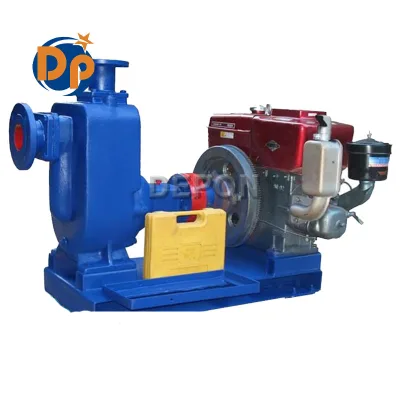
Understanding the mechanical architecture of a single-stage pump is the first step in defining procurement requirements. The core of these units is the impeller, which in many observed configurations is of the single-suction type with a closed design. This construction is critical for maintaining pressure integrity and preventing cavitation during operation. The pump casing often features a vertical joint surface, particularly in vertical pump configurations, which facilitates maintenance and assembly. The drive mechanism is a pivotal differentiator; while some industrial variants utilize hydraulic drives, the vast majority of single-stage gasoline pumps rely on a motor or engine directly coupled to the shaft.
Performance metrics vary significantly based on the intended application. Observed data indicates a wide range of capacities, from units handling 50-100 liters per minute to high-flow models exceeding 400 liters per minute. Head pressure is another critical variable, with specifications ranging from moderate lifts of 25 meters to high-pressure configurations capable of 30-50 meters. The suction lift capability is often standardized around 8 meters, a physical limit dictated by atmospheric pressure and pump design. Buyers must verify the specific model number, such as the WD-20, WX-WP10C, or HLW series, as these identifiers often correlate with specific flow rates and head pressures. The outlet size is another vital specification, commonly available in 1-inch, 2-inch, or 4-inch configurations, which must align with the existing piping infrastructure of the project site.
Material Composition and Durability Standards
The longevity of a single-stage gasoline pump is heavily dependent on the materials used in its construction. Cast iron is a frequently observed material for the pump casing, offering robust durability and resistance to impact. This material choice is particularly suitable for applications involving abrasive water or harsh environmental conditions. However, the presence of cast iron does not guarantee performance; the quality of the casting and the precision of the machining are equally important.
Compliance with international quality management standards is a prerequisite for reliable manufacturing. Many suppliers cite adherence to ISO9001, CE, TUV, and SGS standards. While these certifications indicate a commitment to quality processes, buyers should verify the specific scope of these certifications for the product line in question. The packaging also reflects the intended durability, with options ranging from standard cartons to strong brown boxes or color boxes designed to protect the unit during transit. For high-volume shipments, the "1PC 1carton" configuration ensures individual unit protection, minimizing the risk of damage during logistics.
Compliance, Certification, and Regulatory Verification
Navigating the regulatory landscape is essential for international procurement. The CE mark is a common observation in product listings, indicating conformity with health, safety, and environmental protection standards for products sold within the European Economic Area. However, the presence of a CE label on a product page does not automatically validate the specific unit's compliance; it is a self-declaration by the manufacturer that must be backed by technical documentation. Similarly, standards such as TUV and SGS provide third-party validation, but the specific test reports and certificates should be requested before finalizing an order.
Buyers must also consider the origin of the product. Manufacturing hubs in Taizhou and Fuzhou, China, are known for producing a wide array of pump models. While these regions offer competitive pricing and a vast supply chain, the distance from the manufacturing site to the destination market can influence logistics costs and lead times. It is crucial to verify that the product origin matches the declared location, as this can impact shipping costs and import duties. Furthermore, the "High Pressure" and "No Leakage" performance claims observed in listings should be treated as design objectives rather than guaranteed test results. Buyers should request specific test data or performance curves to validate these claims against their operational requirements.
Cost Drivers and Pricing Dynamics
The pricing of single-stage gasoline water pumps is influenced by a complex interplay of factors, including material costs, engine specifications, and production volume. The observed price range in the market spans from $25 to over $2,500, reflecting the diversity of models available. Entry-level units, often smaller in capacity and simpler in design, fall at the lower end of this spectrum. Conversely, high-capacity models with advanced features, such as electric start systems or specialized impeller designs, command premium prices.
The Minimum Order Quantity (MOQ) is another significant cost driver. The market observes MOQs ranging from a single unit to 500 units. For buyers requiring small quantities, the per-unit cost may be higher due to the lack of economies of scale. Conversely, bulk orders can significantly reduce the unit price but require substantial capital investment and storage capacity. Customization is a key factor in pricing; while many suppliers offer customization options, these modifications often incur additional costs and extend lead times. Buyers should clearly define their customization needs early in the negotiation process to avoid unexpected price escalations.
Typical Applications and Operational Context
Single-stage gasoline water pumps are versatile tools deployed across various industries. Their primary application is in agriculture, where they are used for irrigation, drainage, and water transfer. The ability to handle moderate to high flow rates makes them ideal for moving water from reservoirs to fields. In the construction sector, these pumps are essential for dewatering excavation sites, removing groundwater, and managing runoff. The "Clarified Water Pump" designation suggests suitability for applications requiring cleaner water, though the specific filtration requirements must be verified.
Emergency response and disaster relief operations also rely heavily on these pumps. Their portability and ability to operate independently of electrical grids make them invaluable in scenarios where power infrastructure is compromised. The "Start Pump" and "Electric Pump" start-up mechanisms indicate different operational preferences; electric start offers convenience, while manual start provides reliability in extreme conditions. The "Liquid Pumps" classification underscores their primary function, but the specific fluid properties, such as temperature and viscosity, must be considered to ensure compatibility.
Supplier Evaluation and Quality Assurance
Evaluating potential suppliers requires a rigorous assessment of their capabilities and track record. Buyers should prioritize suppliers who provide transparent information about their manufacturing processes, material sourcing, and quality control measures. The availability of customization services is a strong indicator of a supplier's flexibility and technical expertise. However, the mere claim of customization should be verified through detailed discussions about the scope of changes and their impact on the final product.
Quality control is paramount in ensuring the reliability of the pumps. Buyers should inquire about the supplier's inspection protocols, including incoming material checks, in-process quality control, and final product testing. The presence of certifications like ISO9001 suggests a structured approach to quality, but the actual implementation of these standards must be confirmed. Requesting samples for independent testing can provide valuable insights into the product's performance and durability. Additionally, the supplier's ability to provide technical support and spare parts is crucial for long-term maintenance and operational continuity.
Long-Term Procurement and Maintenance Considerations
Sourcing single-stage gasoline water pumps is not just a one-time transaction but a long-term commitment. Buyers must consider the lifecycle costs, including fuel consumption, maintenance requirements, and the availability of spare parts. The "Hand Pump" and "Electric Pump" start-up mechanisms have different maintenance profiles; electric systems may require more complex repairs, while manual systems are generally simpler but labor-intensive. The "Vertical Pump" and "Piston Pump" structures also influence maintenance schedules and part replacement needs.
To ensure long-term value, buyers should establish a relationship with suppliers who offer comprehensive after-sales support. This includes warranty terms, technical assistance, and the availability of replacement components. The "Strong Brown Box or Color Box" packaging indicates a focus on product protection, but the durability of the packaging during long-term storage should also be considered. Finally, buyers should stay informed about regulatory changes and industry standards that may impact the procurement and operation of these pumps in their specific markets. By maintaining a proactive approach to supplier management and quality assurance, buyers can mitigate risks and ensure the reliable performance of their single-stage gasoline water pumps.
FAQs
What materials are used for single-stage gasoline water pump casings?
Cast iron is the primary material used for the pump casing in these units. This construction offers robust durability and resistance to impact, making it suitable for applications involving abrasive water or harsh environmental conditions.
Which outlet sizes are available for single-stage gasoline water pumps?
Common outlet sizes include 2-inch and 4-inch configurations. Buyers must verify the specific model number to ensure the outlet size aligns with the existing piping infrastructure of the project site.
Can single-stage gasoline water pumps be customized for specific needs?
Customization is available for many single-stage gasoline water pump models. However, these modifications often incur additional costs and extend lead times, so buyers should define needs early in the negotiation process.
What is the typical suction lift capability for these pumps?
The suction lift capability is often standardized around 8 meters. This limit is dictated by atmospheric pressure and pump design, so buyers should verify specific model capabilities against their operational requirements.
Which certifications do single-stage gasoline water pump manufacturers hold?
Many suppliers cite adherence to ISO9001, CE, TUV, and SGS standards. While these indicate a commitment to quality processes, buyers should verify the specific scope of these certifications for the product line in question.
How is the single-stage gasoline water pump typically packaged for shipping?
Pumps are often packed in cartons, strong brown boxes, or color boxes. The packaging reflects the intended durability, with options designed to protect the unit during transit and minimize damage risks.
What is the maximum head pressure for single-stage gasoline water pumps?
Head pressure specifications range from moderate lifts of 25 meters to high-pressure configurations capable of 30-50 meters. Buyers must verify the specific model number as these identifiers correlate with specific flow rates and head pressures.
Where are single-stage gasoline water pumps typically manufactured?
Manufacturing hubs in Taizhou and Fuzhou, China, are known for producing a wide array of pump models. While these regions offer competitive pricing, the distance from the manufacturing site can influence logistics costs and lead times.