Source Sit In Fishing Ocean Kayak for lakes, rivers, and offshore waters
Find and compare 30 Sit In Fishing Ocean Kayak options from Chinese manufacturers. Buyers can review specifications like material, capacity, and dimensions for lakes, rivers, and offshore waters.
Key considerations
Products List
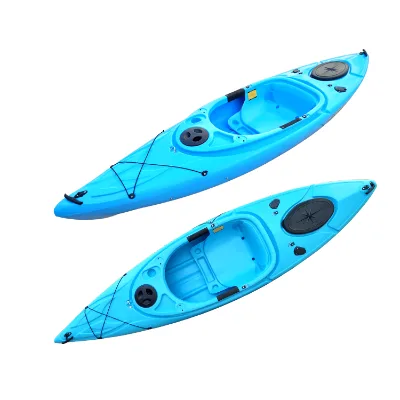
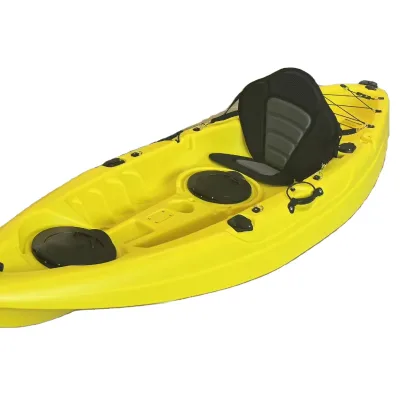
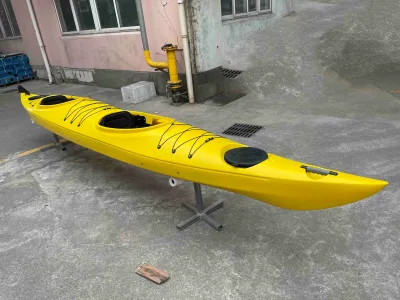
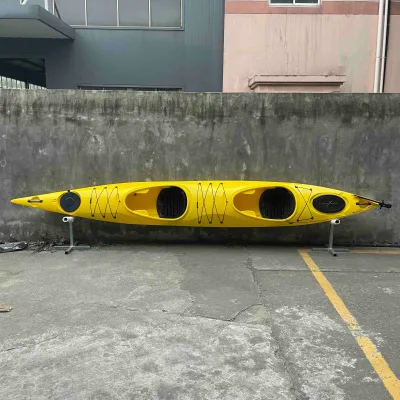
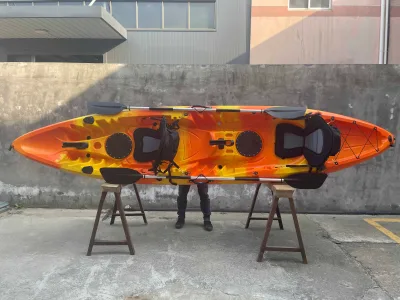
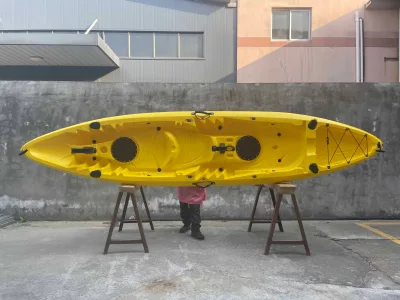
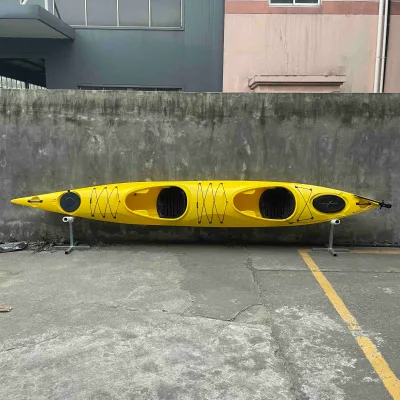
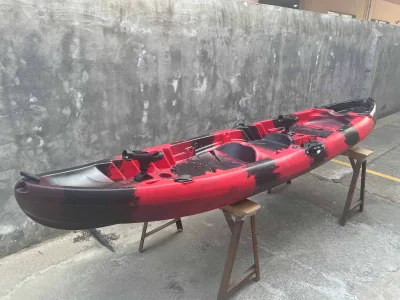


Sit in Recreational Sport Kayaking Cheap Plastic Sea Kayak Lightweight Kayak
$100.00 - $200.00
MOQ: 50 Pieces
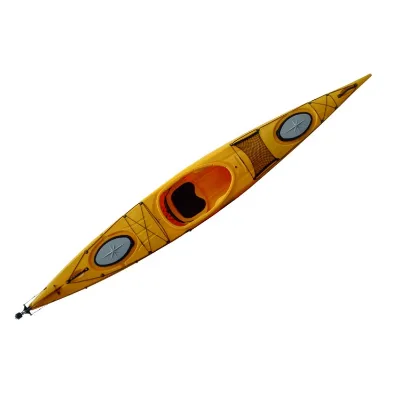
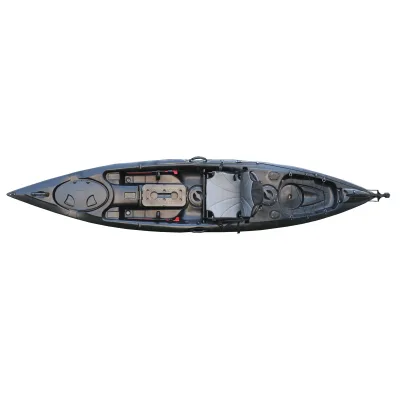
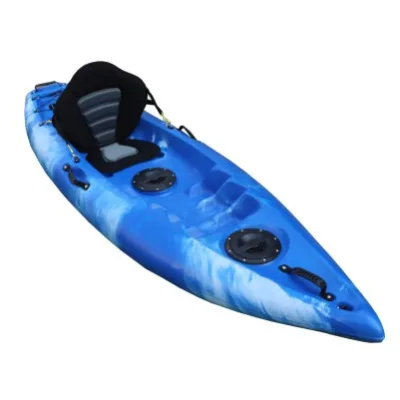


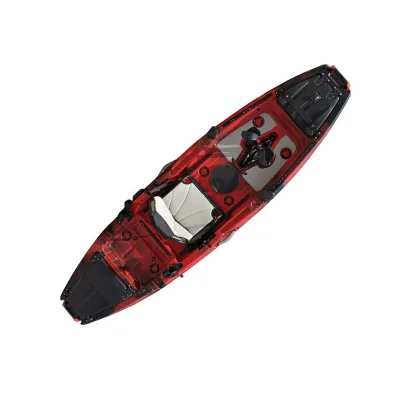
Wholesale Double Seat Ocean Fishing Kayak High Quantity Sit on Top Sea Kayak
$180.00 - $212.00
MOQ: 5 Pieces

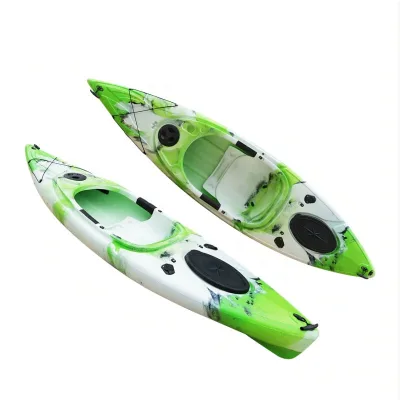
Wholesale Single Seat Small Ocean Fishing Kayak High Quantity Sit on Top Sea Kayak
$145.00 - $152.00
MOQ: 5 Pieces


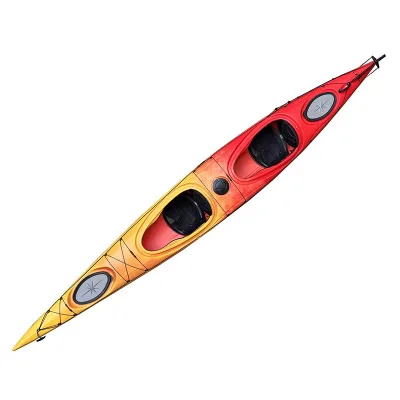
a Tandem Kayak 2 Person Sea Kayak Made in China Sit in Sea Fishing Kayak with Sale
$330.00 - $350.00
MOQ: 5 Pieces


Comprehensive Sourcing Guide
Strategic Sourcing Guide for Sit-In Fishing Ocean Kayaks
Understanding Product Specifications and Variability
When sourcing a sit-in fishing ocean kayak, buyers must navigate a landscape of specific technical attributes that define performance and suitability. The core keyword "sit-in fishing ocean kayak" implies a vessel designed for stability and storage, yet the actual market data reveals significant variance in construction and dimensions. The supplied product facts indicate that while the target application includes ocean waters, the specific models available often list dimensions such as 3087532cm or 3008030cm. These measurements suggest a compact profile, which may be optimized for specific water conditions rather than open-ocean touring.
A critical observation in the current market is the divergence in material composition. Some listings specify LLDPE (Linear Low-Density Polyethylene), while others cite High Polyethylene or a combination of LLDPE and HDPE. These materials are selected for their durability and resistance to impact, which is essential for fishing environments where gear and rocks may cause abrasion. The "Anti collision" and "Anti scratch" features noted in the product attributes are direct results of these material choices. However, buyers must verify if the specific unit they are purchasing is constructed from LLDPE or HDPE, as this affects the flexibility and UV resistance of the hull.
The distinction between "Sit-in" and "Sit-on-top" is equally vital. The provided data explicitly lists "Sit-in-top" and "Sit in" as distinct kayak types. A sit-in design typically offers better protection from wind and water, which is advantageous for ocean conditions, but it requires careful consideration of the internal volume. The observed payload capacity is consistently listed as 150kg (330lbs), which accommodates the paddler and their fishing gear. However, the weight of the vessels varies significantly, ranging from 23kg to 38kg (84lbs). This variance suggests differences in wall thickness or material density, which directly impacts portability and handling on a boat ramp or in a vehicle.
Furthermore, the supply data indicates a mix of inflatable and non-inflatable options. While the core keyword implies a rigid hull for ocean stability, some listings describe inflatable models with dimensions like 3008030cm. For ocean fishing, a rigid hull is generally preferred for tracking and stability in waves, whereas inflatable models may be better suited for confined waters or lakes. Buyers must scrutinize the "Inflatable" attribute to ensure the product matches the intended ocean environment. The presence of a single gross weight of 40.000 kg for some units suggests heavy-duty packaging or dense construction, which influences shipping logistics and cost calculations.
Compliance, Certification, and Safety Verification
In the B2B procurement of watercraft, particularly those intended for ocean use, compliance and safety verification are paramount. The supplied facts do not explicitly list third-party certifications such as ISO standards or specific maritime safety approvals. Consequently, buyers cannot assume that any listed product automatically meets international safety standards for ocean navigation. The absence of stated certifications in the product attributes necessitates a proactive verification process during the supplier evaluation phase.
Buyers should request documentation regarding the material safety and structural integrity of the kayak. Since the materials are identified as LLDPE or High Polyethylene, verification should focus on the UV stabilization processes used during manufacturing. Ocean environments expose vessels to intense solar radiation, which can degrade plastics over time if not properly treated. Without explicit certification data in the source list, the procurement team must ask suppliers for test reports confirming UV resistance and material durability under prolonged sun exposure.
Additionally, the "Safe Carton package" and "Bubble" packaging details indicate attention to transit protection, but they do not equate to operational safety certifications. For ocean fishing, the stability of the vessel is a critical safety factor. The "Sit-in" design, while offering protection, must be evaluated for its ability to keep the paddler secure in rough waters. Buyers should inquire about the internal layout and the presence of bulkheads or flotation chambers, which are standard safety features in ocean-capable kayaks but are not explicitly mentioned in the provided facts.
The "Place of Origin" is listed as both Anhui and Guangdong, China. While these are major manufacturing hubs, the specific factory's compliance history with international safety regulations varies. Buyers should verify if the supplier adheres to the safety standards of the destination market. For instance, if the kayaks are destined for the European Union, they may need to comply with specific toy or recreational equipment directives, even if the product is industrial-grade. The lack of specific standard references in the input data means that the burden of verification falls entirely on the buyer to request and validate these documents before finalizing the order.
Cost Drivers and Pricing Dynamics
The observed price range for these kayaks spans from 95 to 550 USD, a significant variance that reflects differences in material quality, manufacturing complexity, and brand positioning. The lower end of the spectrum, around 95 USD, likely corresponds to basic models with standard LLDPE construction and minimal features. In contrast, the higher end, approaching 550 USD, may include advanced designs with reinforced hulls, specialized fishing mounts, or superior UV-resistant coatings.
Material composition is a primary cost driver. High-density polyethylene (HDPE) and high-quality LLDPE are more expensive than standard plastics but offer superior durability and resistance to cracking. The supply data mentions "High Polyethylene" and "LLDPE or HDPE," suggesting that models utilizing premium blends will command higher prices. Additionally, the weight of the product is a factor; heavier units, such as those weighing 38kg or 40kg gross, may involve more material usage or thicker walls, increasing the base cost.
Logistics and packaging also influence the final landed cost. The "Safe Carton package" and "Bubble" packaging details indicate that the units are prepared for shipping, but the dimensions of the single package size (ranging from 300x80x30 cm to 520x70x45 cm) will determine the volumetric weight. Larger packages, such as the 520cm length unit, will incur higher shipping costs, which can significantly impact the total cost of ownership, especially for ocean-bound shipments. The "Port of dispatch" being Ningbo or Shanghai is standard for Chinese exports, but the distance to the buyer's destination will affect freight rates.
The "MOQ" (Minimum Order Quantity) ranges from 1 to 50 pieces. Buyers purchasing small quantities may face a higher per-unit cost due to the lack of economies of scale. Conversely, orders meeting the higher MOQ thresholds might benefit from volume discounts, though the specific discount structure is not provided in the facts. The "Supply Ability" of 100 packs per week suggests that suppliers can handle moderate to large orders, but buyers should confirm lead times to ensure the production schedule aligns with their market launch dates.
Typical Applications and Usage Scenarios
The versatility of the sit-in fishing ocean kayak is highlighted by the broad range of applications listed in the product attributes. While the core keyword focuses on ocean fishing, the data indicates suitability for "Lakes & Rivers," "Offshore waters," "Confined water," and "Micro wave waters." This suggests that the product line is designed to be adaptable to various water conditions, from calm inland waters to more challenging ocean environments.
The "Occasion" attribute explicitly mentions "Fishing," "Amusement Leisure," "Diving," "Surfing," and "Sailing." This diversity implies that the kayaks are marketed as multi-purpose vessels. For the specific use case of fishing, the "Sit-in" design offers a lower center of gravity, which enhances stability when casting lines or reeling in catches. The "Max Payload" of 150kg ensures that the vessel can support the weight of the paddler plus essential fishing gear, including rods, tackle boxes, and coolers.
The "Applicable People" attribute lists "Male, Female, Children, Universal, Unisex, 14+, 12 ~ 14 Year," indicating that the design is inclusive and can accommodate a wide range of users. However, the "Number Of Paddlers" is specified as "1 paddler" or "2 paddlers," which requires careful selection based on the intended user. For ocean fishing, a single paddler is often preferred for maneuverability, but the availability of two-paddler models offers options for tandem fishing trips.
The "Activity" tag includes "TOURING, Recreational, Casual," which aligns with the leisure and fishing markets. The "Usage" of "Water Floating Entertainment" and "Swimming" suggests that these kayaks are also suitable for general recreation. However, buyers must distinguish between recreational use and serious ocean fishing. The "Ocean waters" and "Offshore waters" mentions in the attributes suggest that the vessels are robust enough for coastal fishing, but the specific wave conditions they can handle are not quantified. Buyers should verify the vessel's performance in specific sea states before committing to large orders for ocean-specific applications.
Supplier Evaluation and Production Capacity
Evaluating suppliers for sit-in fishing ocean kayaks requires a focus on their production capabilities and consistency. The "Supply Ability" of 100 packs per week is a key metric for assessing whether a supplier can meet demand. This capacity suggests that the supplier is capable of handling medium-sized orders, but buyers should confirm if this rate is sustainable during peak seasons. The "Place of Origin" being Anhui or Guangdong, China, indicates that the manufacturing base is in established industrial regions, which typically have access to raw materials and skilled labor.
The "Packaging Details" of "Safe Carton package" and "Bubble" packaging demonstrate that the supplier considers the product's protection during transit. However, the "Single package size" varies significantly, which can complicate logistics planning. Buyers should request a detailed packing list to understand the dimensions and weight of each unit to optimize container loading and reduce shipping costs.
The "Logo" attribute, which accepts "Customized Logo," indicates that the supplier offers OEM (Original Equipment Manufacturer) services. This is a valuable feature for buyers looking to build their own brand. However, the customization process should be clearly defined, including lead times for logo application and any additional costs involved. The "Color" attribute, listed as "customized," "available," or specific colors like "RED/GREEN/YELLOW," suggests flexibility in product appearance, which can be a competitive advantage in the market.
Buyers should also verify the "Model Number" consistency. The data lists models such as "QSSIT30000" and "QSJTC30000," which correspond to different specifications. Ensuring that the supplier can consistently produce the exact model number with the required attributes is crucial for maintaining product quality and brand integrity. The "Selling Units" being "Single item" implies that the supplier is willing to sell individual units, which is beneficial for sampling or small-scale testing before committing to bulk orders.
Quality Control and Long-Term Procurement Strategy
Implementing a robust quality control (QC) strategy is essential for sourcing sit-in fishing ocean kayaks. Given the variance in weight and material composition observed in the product data, buyers should establish clear acceptance criteria. The "Feature" attributes of "Resistant, Durable, Anti collision, Anti scratch" must be verified through physical inspection or third-party testing. Since the data does not provide specific test results, buyers should request sample units to conduct their own durability assessments, particularly focusing on the hull's resistance to impact and UV degradation.
Long-term procurement considerations involve building a relationship with suppliers who can maintain consistent quality over time. The "MOQ" range of 1 to 50 pieces allows for flexibility, but buyers should aim to establish a steady order volume to secure better pricing and priority production slots. The "Lead time" is not explicitly stated in the facts, so buyers must negotiate this term carefully to ensure timely delivery.
The "Max Payload" and "Weight" specifications are critical for long-term satisfaction. A kayak that is too heavy (e.g., 38kg) may be difficult for some users to handle, while one that is too light (e.g., 23kg) might lack the stability required for ocean fishing. Buyers should consider the target demographic and select models that balance weight and payload capacity appropriately.
Finally, the "Product Name" variations, such as "canoeing kayak" and "1 person fishing canoeing," highlight the importance of clear communication with suppliers. Ensuring that the product description matches the buyer's requirements is essential to avoid receiving the wrong model. By maintaining a disciplined approach to specification verification and quality control, buyers can mitigate risks and ensure a successful procurement of sit-in fishing ocean kayaks that meet their operational and market needs.
FAQs
What materials are used for sit in fishing ocean kayaks?
These kayaks are constructed from LLDPE, HDPE, or High Polyethylene to ensure durability. The material choice provides resistance against collisions and scratches, which is essential for fishing environments where gear and rocks may cause abrasion.
How much weight can a single Sit In Fishing Ocean Kayak hold?
The maximum payload capacity is consistently listed as 150kg or 330lbs. This limit accommodates the paddler along with essential fishing gear, ensuring stability for both single and two-paddler configurations depending on the specific model.
Can I find inflatable options for sit in fishing ocean kayaks?
Yes, some models are listed as inflatable, while others are rigid. Buyers must verify the inflatable attribute carefully, as rigid hulls are generally preferred for ocean stability while inflatable models may suit confined waters or lakes better.
What is the typical MOQ for ordering these kayaks?
The minimum order quantity ranges from 1 piece to 50 pieces depending on the supplier. Small quantities may face higher per-unit costs, while larger orders might benefit from volume discounts if the supplier can meet the demand.
Which dimensions are standard for sit in fishing ocean kayaks?
Common dimensions include lengths between 2.1 and 4 meters with widths around 75 to 80 cm. Specific models vary, with sizes like 308*75*32cm or 300*80*30cm, affecting portability and suitability for different water conditions.
How are these kayaks packaged for shipping?
Products are typically shipped in safe carton packages or bubble wrap to prevent damage. Packaging details vary, with single package sizes ranging from 300x80x30 cm to 520x70x45 cm, which influences volumetric weight and shipping costs.