Source sit-on-top eva kayak seat with storage bag for lakes, rivers, and fishing
Explore 30 listings for the sit-on-top eva kayak seat with storage bag, comparing features like weight, material, and customization options. Buyers can evaluate specifications for lakes, rivers, and fishing applications to find suitable suppliers.
Key considerations
Products List
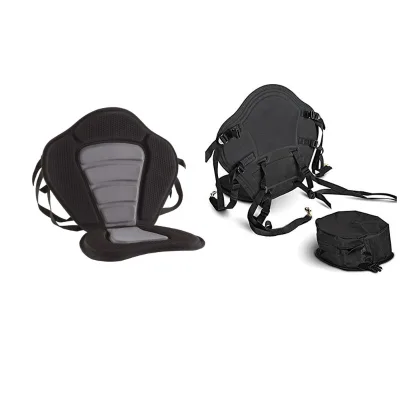
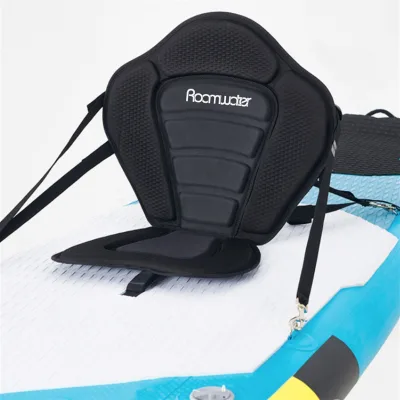
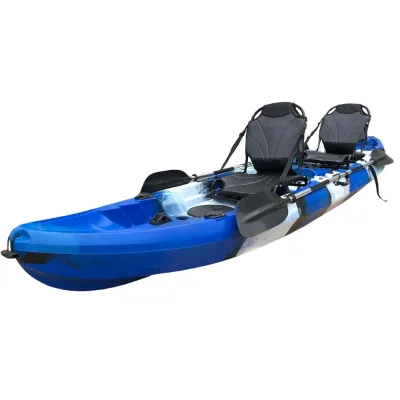
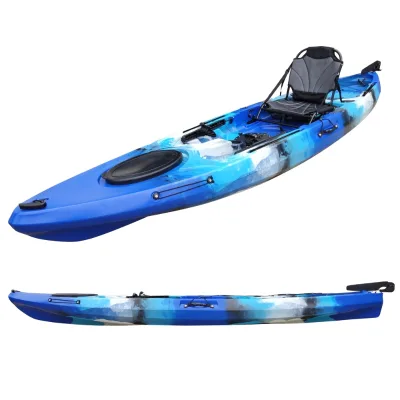
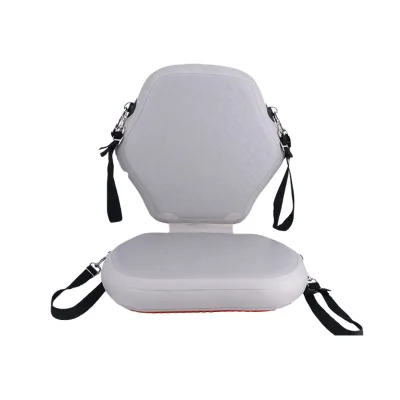
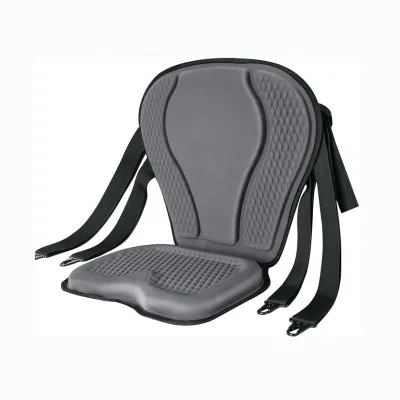
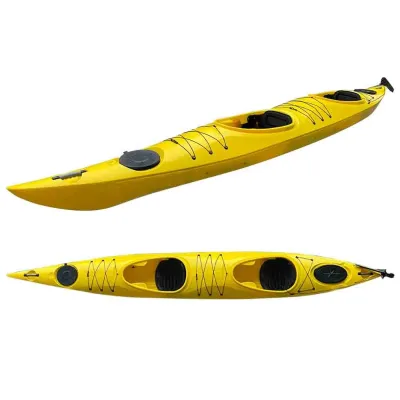
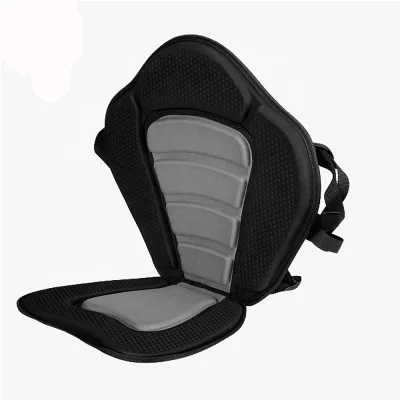
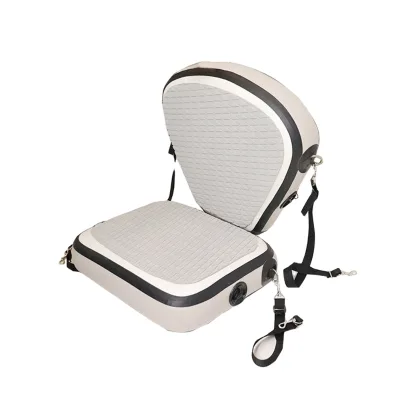
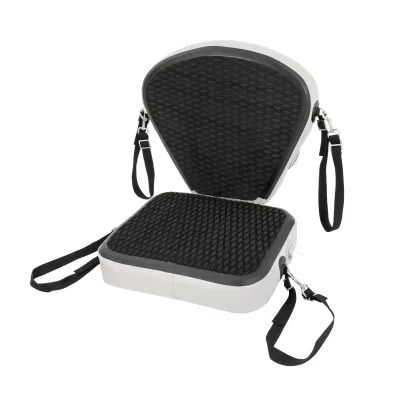
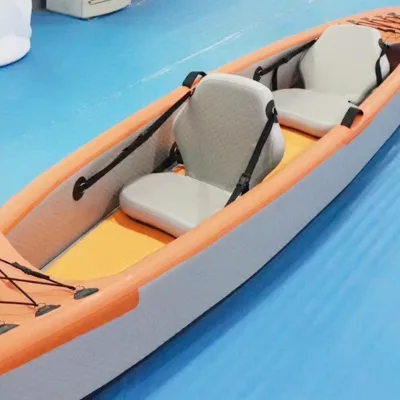
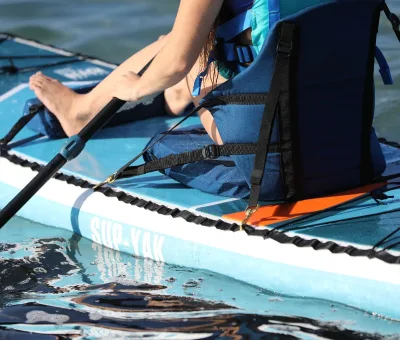
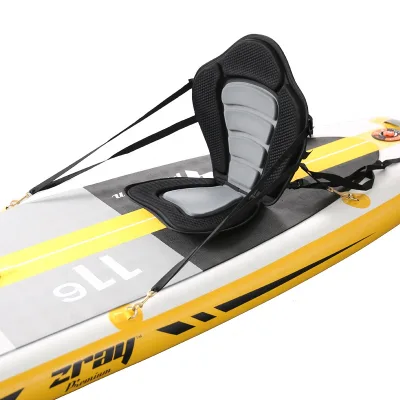
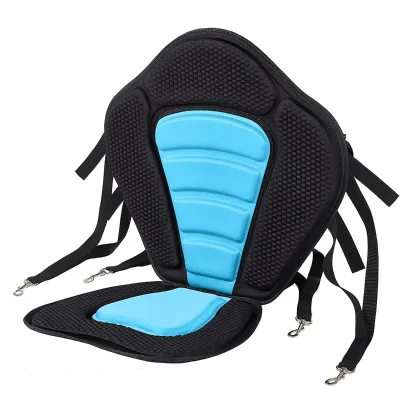
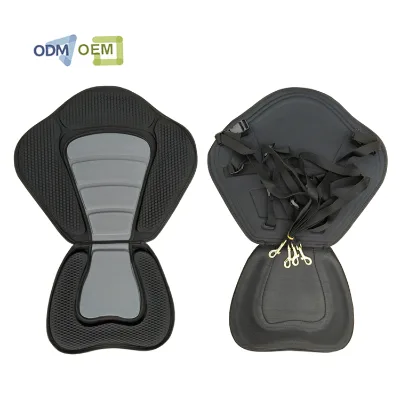
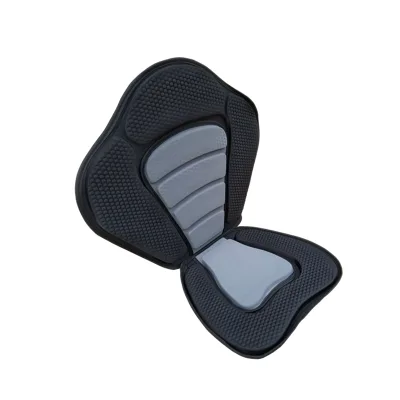
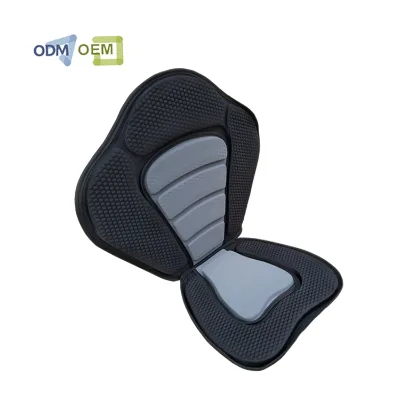
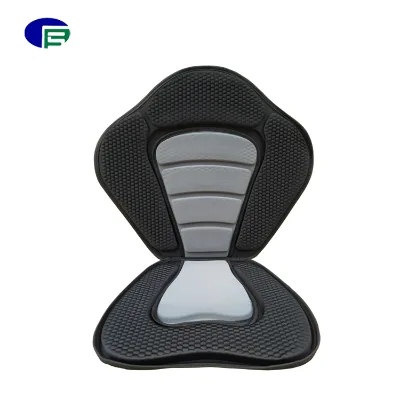
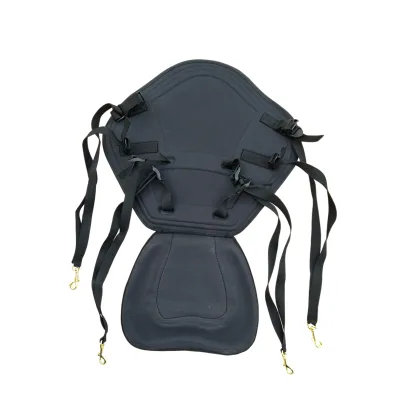
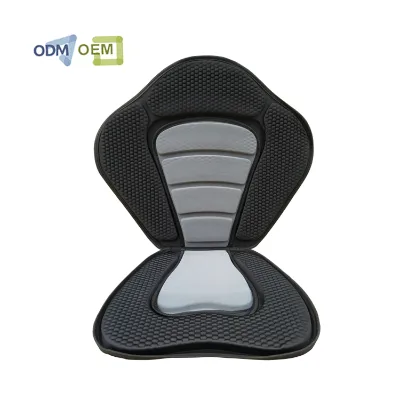
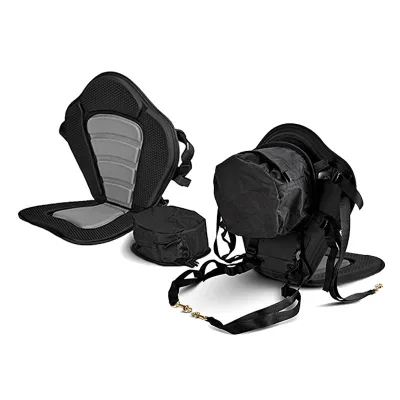
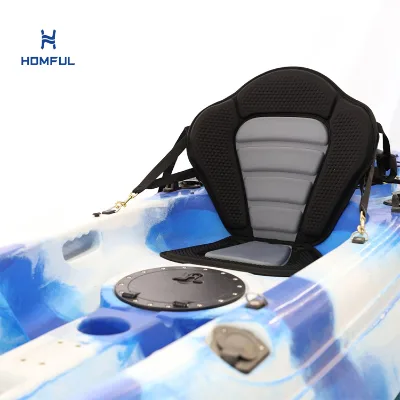
HOMFUL Marine Folding Fishing Seat Waterproof Kayak Seat Cushion for Boat
$22.28 - $22.73
MOQ: 100 pieces
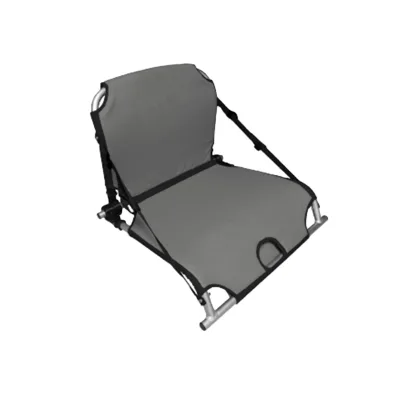
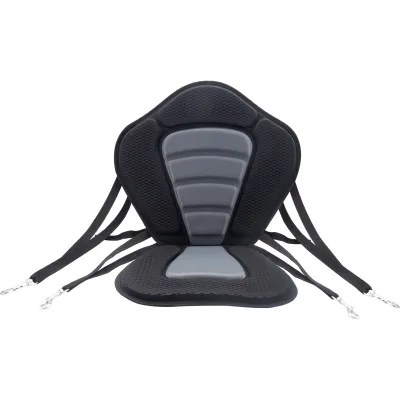
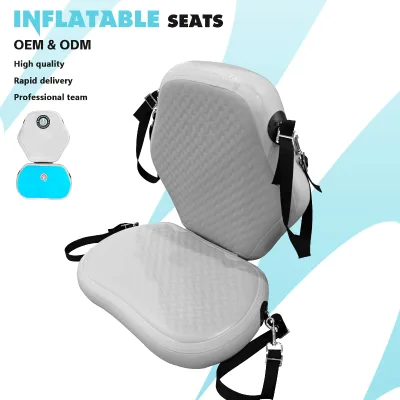
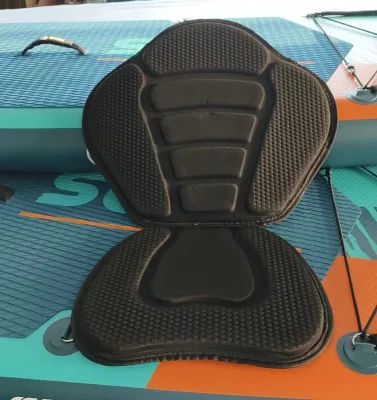


Kayak Folding Seats with Aluminum Frame Fishing Boat Seat Canoe Backseat
$23.00 - $32.00
MOQ: 2 Pieces

Comprehensive Sourcing Guide
Strategic Sourcing Guide for Sit-on-Top EVA Kayak Seats with Storage Bags
Understanding the Core Product Architecture and Material Composition
When sourcing a sit-on-top EVA kayak seat with storage capabilities, buyers must first distinguish between the seat component and the vessel itself, as the supply chain often treats these as distinct SKUs. The core product under this keyword is a specialized accessory designed to enhance comfort and utility on flat-bottomed or recreational kayaks. Based on observed market data, the primary construction material for these seats is a composite of EVA (Ethylene-Vinyl Acetate) foam and nylon. This combination is critical because EVA foam provides the necessary buoyancy, water resistance, and cushioning, while the nylon outer layer offers abrasion resistance and structural integrity against the harsh marine environment.
The physical dimensions of the seat are a primary specification for procurement teams. Observed data indicates a maximum size of 201518 cm for the single package unit, with a specific single gross weight of 2.0 kg. This weight profile suggests a robust build, likely incorporating internal reinforcement or a substantial storage compartment. The seat is designed for a specific application: sit-on-top kayaks, which are distinct from sit-in models due to their open deck design. The product is often categorized under "Kayak Seat" with a specific usage profile for lakes, rivers, and recreational fishing.
A critical technical observation is the presence of storage integration. While the primary function is seating, the "storage bag" aspect implies a compartmentalized design. This is often achieved through the inclusion of a zippered pouch or a dedicated mesh pocket integrated into the seat structure. The weight of the single item is noted as 2.0 kg, which includes the packaging, indicating that the seat itself is a substantial unit. For buyers, this means the shipping weight will be higher than a standard foam cushion, impacting freight cost calculations significantly. The material composition of EVA and nylon also suggests a product that is resistant to UV degradation, a vital feature for outdoor equipment exposed to direct sunlight for extended periods.
Technical Specifications and Functional Performance Metrics
To ensure the selected product meets operational requirements, buyers must verify specific technical parameters. The supply chain data reveals a high-confidence fact regarding the weight of the seat at 1.15 kg, which may represent the net weight of the product excluding packaging, contrasting with the 2.0 kg gross weight. This discrepancy is essential for logistics planning. The seat is designed to accommodate a single paddler, though some variations in the market may support multi-person configurations. The "Number of Paddlers" attribute observed in related listings varies, with some data points indicating 1 paddler and others suggesting 3 paddlers for the vessel itself, but the seat accessory is typically rated for one user.
The attachment mechanism is another vital technical specification. The observed data lists "Kayak Seat Hooks option" as either fixed large copper hooks or rotary small copper hooks. This detail is crucial for compatibility. Copper hooks are chosen for their corrosion resistance in saltwater environments, a common requirement for fishing and recreational kayaking. The ability to choose between fixed and rotary options allows the buyer to match the seat to the specific mounting points of the target kayak model. Fixed hooks offer stability, while rotary hooks provide adjustability for different seating angles.
Furthermore, the product is often described as "Inflatable" in certain contexts, though the primary seat material is solid EVA foam. This distinction is important; the seat itself is not an inflatable cushion but a solid foam block. However, some listings may conflate the seat with inflatable kayak accessories. Buyers must clarify that the core product is a solid EVA structure. The "UV resistance" attribute is noted as an 8-grade rating in some observed data, which implies a high level of protection against sun damage, a standard that buyers should verify through supplier documentation. The color options are generally customized, allowing for branding or aesthetic matching to the kayak. The "Feature" set includes "Safe" and "Adjustable," indicating that the seat design prioritizes user stability and ergonomic positioning.
Compliance, Certification, and Safety Verification Protocols
In the B2B procurement of marine accessories, compliance is not merely a formality but a risk mitigation strategy. While the provided data does not list specific third-party certifications (such as ISO or CE) for the EVA kayak seats, buyers must treat the absence of listed certifications as a verification point rather than a confirmation of non-compliance. The "Warranty" period observed ranges from 1 to 2 years, which serves as a proxy for the manufacturer's confidence in product durability. A 2-year warranty on a product made of EVA and nylon suggests a commitment to quality, but buyers should explicitly request the terms and conditions of this warranty, including coverage for UV degradation and seam failure.
Safety standards for marine equipment often involve testing for flammability, toxicity, and structural integrity. Since the product is used in water, the material must not leach harmful chemicals into the environment. Buyers should request Material Safety Data Sheets (MSDS) to verify that the EVA foam and nylon are free from prohibited substances. The "Logo" attribute indicates that customization is accepted, which introduces a compliance layer regarding trademark and intellectual property rights. If the buyer is ordering with a customized logo, they must ensure the supplier has the legal right to produce that branding and that the printing process does not compromise the material's water resistance.
For products intended for export, particularly to markets like the United States or the European Union, buyers should verify if the supplier adheres to specific regional safety standards. While the "Place of Origin" is consistently listed as Zhejiang, China, a major manufacturing hub, the specific factory certifications are not provided in the general data. Therefore, the procurement strategy must include a pre-shipment audit or a request for third-party test reports. The "UV resistance" claim of 8-grade should be backed by a test report from a recognized laboratory, as this is a performance claim that directly impacts the product's lifespan. Without such documentation, the claim remains an observation rather than a verified fact.
Cost Drivers and Supply Chain Economics
The cost structure for sit-on-top EVA kayak seats is influenced by several variables, including material costs, customization levels, and logistics. The observed price range in the market is broad, spanning from 8 to 356.97 USD. This wide variance suggests that the lower end of the spectrum likely represents basic, unbranded units, while the higher end includes premium features, custom branding, or bulk packaging solutions. The "MOQ" (Minimum Order Quantity) is a significant cost driver, with observed ranges from 1 to 1000 units. High-confidence data points to an MOQ of 100 pieces for certain configurations, while other listings suggest an MOQ of 10. This flexibility allows buyers to test the market with smaller orders, but it also means that unit costs will decrease as order volume increases.
The "Supply Ability" is listed as 10,000 pieces per month, indicating that the manufacturing capacity is robust and can handle large-scale orders without significant lead time delays. However, the "Port of dispatch" is typically Shanghai or Ningbo, which are major Chinese ports. Buyers must factor in the logistics costs associated with these ports, including inland transportation to the factory and ocean freight to the destination. The "Packaging Details" specify a carton dimension of 68x53x47 cm for 10 pieces, which is a critical metric for calculating container load and shipping efficiency. Optimizing the packaging to minimize air space can significantly reduce freight costs.
Customization is a primary cost driver. The "Brand Name" is often listed as OEM, meaning the product is manufactured for private label. Customizing the color, logo, and hook type will incur additional tooling and setup costs. The "Color" attribute allows for single or mixed colors, which can affect production complexity. If a buyer requires a specific color mix, they must ensure the supplier can manage the inventory without causing production bottlenecks. The "Single gross weight" of 2.0 kg per unit also impacts shipping costs, as sea freight is often calculated by volume or weight, whichever is higher. For heavy items like these, weight-based pricing may apply, making the 2.0 kg figure a key variable in total landed cost calculations.
Typical Applications and Market Segmentation
The sit-on-top EVA kayak seat with storage bag is designed for a diverse range of applications, primarily centered around recreational and professional water activities. The "Occasion" is explicitly listed as "Lakes & Rivers," indicating suitability for calm to moderate water conditions. The "Activity" attributes include "Recreational," "Casual," "Touring," and "Fishing." This versatility makes the product attractive to a broad buyer base, from individual hobbyists to commercial tour operators. The "Application" field further specifies "Outdoor, Lake, Fishing," highlighting the seat's utility in angling scenarios where storage for tackle or catch is essential.
The "Type" of kayak is consistently identified as "sit-on-top," which is the most popular style for beginners and anglers due to its stability and ease of use. The seat is also compatible with "double seat" configurations, suggesting it can be used in tandem kayaks or as a standalone unit in larger vessels. The "Number of Paddlers" for the vessel can vary, with some data points indicating 1 paddler and others suggesting up to 3 paddlers. This implies that the seat is adaptable to different vessel sizes, provided the mounting system (hooks) is compatible.
For commercial buyers, the "Usage" as a "Kayak or SUP Seat" expands the market potential. Stand-up Paddleboards (SUPs) often require similar seating solutions for long-distance paddling or fishing. The "Feature" set of "Safe" and "Adjustable" is particularly relevant for commercial rental fleets, where user safety and comfort are paramount. The "Warranty" of 1 to 2 years provides a safety net for businesses that purchase in bulk, ensuring that defective units can be replaced without significant financial loss. The "Color" customization option allows rental companies to brand their fleet, enhancing visibility and marketing appeal.
Supplier Evaluation and Quality Control Strategies
Evaluating suppliers for EVA kayak seats requires a rigorous approach to ensure consistency and reliability. The "Place of Origin" is consistently Zhejiang, China, a region known for its manufacturing capabilities but also for a wide variance in quality. Buyers should not assume that all suppliers in this region meet the same standards. The "Brand Name" is often OEM, which means the supplier may produce for multiple brands. Buyers should request references from other clients to gauge the supplier's track record. The "Logo" capability, whether "Customized Logo" or "Die Cut Logo," indicates the supplier's printing and branding expertise. Buyers should request samples to verify the quality of the logo application, ensuring it does not peel or fade over time.
Quality control (QC) is essential for marine products. The "Material" of EVA foam and nylon must be inspected for defects such as uneven density, tears, or poor stitching. The "Hooks" option, whether fixed or rotary, must be tested for corrosion resistance and structural strength. Buyers should request a pre-shipment inspection report that includes a random sampling of units to check for dimensional accuracy, weight consistency, and functional performance. The "Single package size" of 20X20X10 cm should be verified to ensure it matches the shipping documentation, preventing issues at customs or with freight forwarders.
The "Warranty" period is a strong indicator of supplier confidence. A 2-year warranty is preferable to a 1-year warranty, as it suggests the supplier is willing to stand behind their product for a longer duration. However, buyers should clarify the warranty terms, including the process for claims and the types of defects covered. The "Supply Ability" of 10,000 pieces per month suggests the supplier has the capacity to handle large orders, but buyers should verify their current production schedule to avoid delays. The "Port of dispatch" being Shanghai or Ningbo is standard, but buyers should confirm the specific port to ensure accurate freight planning.
Long-Term Procurement and Relationship Management
Sourcing sit-on-top EVA kayak seats is not a one-time transaction but a long-term partnership that requires strategic planning. The "Model Number" for these products is often generic, such as "Kayak Seat" or "Gem," which can lead to confusion if not managed correctly. Buyers should establish a clear internal naming convention to track different variations of the product. The "Inflatable" attribute, while observed in some data, should be treated with caution. Buyers must ensure that the product they are ordering is indeed the solid EVA seat and not an inflatable variant, as the performance characteristics and shipping requirements differ significantly.
Long-term procurement considerations include the scalability of the supply chain. As the buyer's business grows, the "MOQ" may need to be adjusted. The observed range of 1 to 1000 pieces offers flexibility, but buyers should negotiate volume discounts as their order quantities increase. The "Color" customization option allows for product differentiation, which is crucial for maintaining a competitive edge in the market. Buyers should plan their color strategies in advance to avoid inventory issues. The "Logo" customization is another area for long-term planning. Consistent branding across all products can enhance brand recognition and customer loyalty.
Finally, buyers should maintain open communication with suppliers regarding market trends and product innovations. The "Feature" set of "Safe" and "Adjustable" is a baseline, but suppliers may introduce new features such as enhanced storage compartments or improved hook designs. Staying informed about these developments can help buyers stay ahead of the competition. The "Warranty" and "Material" specifications should be reviewed periodically to ensure they remain relevant to the evolving needs of the market. By adopting a proactive approach to supplier management, buyers can secure a reliable supply of high-quality sit-on-top EVA kayak seats that meet their specific requirements.
Comparative Analysis of Product Variants
To assist buyers in making informed decisions, the following table summarizes the key differences between observed product variants based on the provided data. This comparison highlights the variability in specifications, warranties, and material compositions that buyers must navigate.
| Feature | Variant A (Standard) | Variant B (Premium) | Variant C (Custom) |
|---|---|---|---|
| Material | EVA foam and nylon | EVA foam and nylon | EVA foam and nylon |
| Weight (Gross) | 2.0 kg | 2.0 kg | 2.0 kg |
| MOQ | 100 pcs | 10 pcs | 100 pcs |
| Warranty | 2 Years | 1 Year | 2 Years |
| Hooks | Fixed large copper | Rotary small copper | Customizable |
| Logo | Customized Logo | Die Cut Logo | Customized Logo |
| UV Resistance | Not specified | 8 grade | Not specified |
| Inflatable | No | No | Yes (Observed) |
| Color | Single/Mixed | Customized | Customized |
| Application | Lakes & Rivers | Fishing, Touring | Outdoor, Lake |
This table illustrates that while the core material remains consistent, the specific features and service levels vary significantly. Buyers should use this comparison to align their procurement strategy with their specific operational needs and budget constraints. The presence of "Inflatable" options in some variants requires careful verification to ensure the product matches the intended use case. By understanding these nuances, buyers can make more informed decisions and secure the best value for their investment.
FAQs
What materials are used for the sit-on-top eva kayak seat with storage bag?
The seat is constructed from EVA foam and nylon to ensure durability and water resistance. This combination provides cushioning while the nylon outer layer offers abrasion protection against marine environments.
How much does a single unit of the sit-on-top eva kayak seat with storage bag weigh?
The single gross weight is 2.0 kg, while the net product weight is 1.15 kg. Buyers should account for the 2.0 kg figure when calculating shipping costs and container load efficiency.
Which hook options are available for attaching the sit-on-top eva kayak seat with storage bag?
Suppliers offer fixed large copper hooks or rotary small copper hooks for attachment. These copper options provide corrosion resistance suitable for saltwater environments and allow for stable or adjustable mounting.
Can the sit-on-top eva kayak seat with storage bag be customized with a logo?
Yes, customized logos are accepted for this product to support private labeling. Buyers can also request specific colors, though the standard options include single or mixed color configurations.
What is the minimum order quantity for the sit-on-top eva kayak seat with storage bag?
The minimum order quantity is 100 pieces for standard configurations, though some listings show an MOQ of 10. This flexibility allows buyers to test the market with smaller initial orders.
How long is the warranty period for the sit-on-top eva kayak seat with storage bag?
The warranty period ranges from 1 to 2 years depending on the specific supplier agreement. A 2-year warranty indicates manufacturer confidence in the durability of the EVA and nylon construction.
Where is the sit-on-top eva kayak seat with storage bag manufactured and shipped from?
The product originates from Zhejiang, China, and is dispatched from Shanghai or Ningbo ports. This location is a major manufacturing hub with a supply ability of 10,000 pieces per month.