Source Ski Gloves for Skiing, Racing, and Snowfield Use
Compare 30 Ski Glove options featuring materials like leather and neoprene with waterproof and insulated designs. Buyers can evaluate models for skiing, racing, and snowfield applications with customizable features and various closures.
Key considerations
Products List


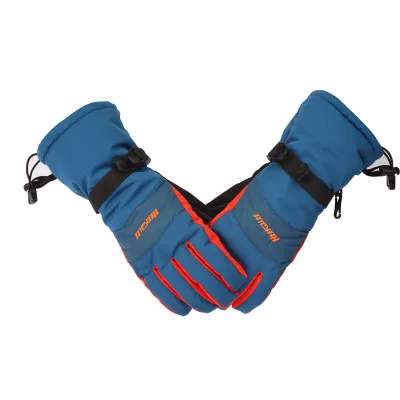


Outdoor Sports Waterproof Impact Resistant Insulated Ski Winter Gloves
$12.17 - $13.15
MOQ: 2000 Pairs


Winter Riding Gloves Waterproof Winter Ski Gloves Velvet Warm Snowing Gloves
$4.50 - $6.00
MOQ: 1000 Pairs

Custom Winter Windproof Touchscreen Gloves Snowboard Ski Sports Gloves with Buckle
$5.00 - $7.00
MOQ: 1000 Pairs


Comprehensive Sourcing Guide
Strategic Sourcing Guide for Ski Gloves
The global market for winter sports equipment has seen a steady expansion, with ski gloves representing a critical component for both performance and safety. For procurement professionals entering this sector, the complexity lies not just in the aesthetic appeal of the product but in the rigorous technical specifications required to withstand sub-zero temperatures and high-impact environments. This guide synthesizes observed market data and technical attributes to provide a disciplined framework for sourcing ski gloves, focusing on material integrity, functional design, and supply chain reliability.
Material Composition and Thermal Performance
The foundation of a high-quality Ski Glove lies in its material selection. Analysis of current market offerings reveals a diverse array of outer and inner materials, each serving a distinct purpose in thermal regulation and durability. The observed supply chain data indicates that Acrylic, Cotton, Goatskin, Leather, Lycra, Neoprene, Polyester, PU, Spandex, and Split Leather are the primary materials utilized in production. Among these, Genuine Leather and Split Leather are frequently cited for their durability and abrasion resistance, particularly in the palm area where grip is essential.
The inner lining is equally critical for thermal retention. Data points highlight Velvet and fully lined constructions as standard features for winter applications. The combination of a SBR waterproof coating with velvet lining represents a specific technical standard observed in the market, designed to balance water resistance with softness against the skin. Furthermore, the presence of Neoprene suggests a focus on flexibility and insulation, while Lycra and Spandex are likely incorporated to provide stretch and a snug fit, preventing cold air from entering the cuff.
When evaluating suppliers, buyers should verify the specific blend of these materials. A glove marketed as "waterproof" must be scrutinized for the integrity of its coating and the seam-sealing process. The distinction between Full Finger and Split Finger designs is also material-dependent, with split fingers often requiring more complex stitching to maintain thermal efficiency while allowing for dexterity.
Functional Design and Technical Specifications
Beyond raw materials, the functional architecture of ski gloves dictates their suitability for specific snow conditions. The observed product range includes Full Finger and Split Finger configurations, catering to different user preferences for dexterity versus warmth. A recurring specification is the Long length design, which is essential for preventing snow ingress during deep powder runs or when the glove cuff is pulled up.
Waterproofing is a non-negotiable attribute for ski gloves. The market data explicitly lists Waterproof as a key feature, often achieved through specialized coatings or laminated membranes. In addition to water resistance, Anti-scratch properties are noted, suggesting that the outer material is treated or selected to resist abrasion from ski edges, poles, or rough terrain. The Double Layers of Cuff observed in several product lines serve a dual purpose: they provide an extra barrier against wind and snow, and they offer a secure fit that can be adjusted via Adjustable Strap Closure.
The thickness of the product is another variable that requires careful interpretation. While some listings describe the product as Flimsy, this may refer to the outer shell's flexibility rather than a lack of insulation, or it may indicate a specific lightweight model. Conversely, insulated variants are explicitly marketed for extreme cold. Buyers must cross-reference the "flimsy" descriptor with the stated insulation materials to ensure the glove meets the thermal requirements of their target application. The Fully Lined attribute generally indicates a complete interior coverage, which is standard for winter sports gear.
Application Scenarios and Usage Context
Understanding the intended application is vital for matching the right product to the right buyer. While the core keyword is "Ski Glove," the observed usage data reveals a broader spectrum of applications. The primary use case is clearly defined as Ski Gloves for Snowfield applications, suitable for Leisure, Fancy, Racing, and Stunt activities. This diversity implies that the supply chain must cater to both high-performance racing gloves, which prioritize aerodynamics and tactile sensitivity, and leisure gloves, which emphasize comfort and warmth.
Interestingly, the data also lists Household Electrical Appliances, Cleaning, and Gardening as usage categories. This suggests that some suppliers may offer multi-purpose gloves that are repurposed for industrial or domestic tasks, or that the product specifications (such as Leather Full Palm and Anti-scratch features) make them suitable for general protection. However, for a dedicated Ski Glove procurement strategy, the focus must remain on the Winter season and Snowfield environments. The Unisex and Adults age group designations indicate a broad market reach, requiring sizing strategies that accommodate a wide demographic.
Cost Drivers and Procurement Parameters
The financial structure of sourcing ski gloves is influenced by several key variables. The observed price range in the market spans from 1.25 to 50 USD, a significant variance that reflects differences in material quality, brand positioning, and manufacturing complexity. A glove priced at the lower end of this spectrum likely utilizes synthetic materials like Polyester or PU with basic insulation, whereas the higher-end products may feature Genuine Leather, advanced waterproof membranes, and specialized branding.
Minimum Order Quantities (MOQ) present another critical consideration. The observed MOQ range is extensive, from 2 to 3000 units. This flexibility allows buyers to test the market with small orders or commit to large-scale production runs. Specific product models, such as HX-003, are associated with an MOQ of 1000 pairs, while other listings indicate that Small Orders are accepted. This variability suggests that suppliers are willing to negotiate based on the product model and the buyer's volume commitment.
Customization is a significant cost driver and value-add. The data confirms that Customization is Available, and Logo addition is a standard service. This allows brands to differentiate their products through unique branding, which can justify a higher price point. However, customization often increases the lead time and may require a higher MOQ to amortize the setup costs. Buyers must balance the desire for custom branding with the constraints of their budget and inventory turnover rates.
Supplier Evaluation and Quality Assurance
Evaluating suppliers requires a rigorous approach to verifying claims against observable facts. The origin of the products is consistently listed as China, with specific mentions of China Mainland and Qingdao Shandong. These regions are known for their textile and leather manufacturing capabilities. When assessing a supplier, buyers should verify the consistency of the prod_model numbers, such as SG001, HX-003, CPOP21M003, and ST2201/ST2202/ST2203, to ensure they are dealing with established product lines rather than generic, unverified items.
Quality control should focus on the adherence to the stated specifications. For instance, if a supplier claims a glove is Waterproof, the buyer should request evidence of the SBR waterproof coating or similar technology. The Standard sizes listed as S/M/L/XL and S,M,L,XL,XXL indicate a standardized sizing system, but buyers should verify if the actual measurements align with international sizing charts. The prod_packing details, such as 1 Doz. Per Polybag, 10 Doz. Per Carton or 1pair/OPP Bag, provide insight into the supplier's logistics capabilities and packaging standards.
Compliance and certification checks are essential, though specific certification names are not provided in the source data. Buyers should inquire about the supplier's adherence to international safety and environmental standards relevant to textile and leather goods. The Disposable attribute is listed as Non-Disposable, confirming that these are durable goods intended for repeated use, which aligns with the expectations for ski equipment.
Long-Term Procurement and Market Trends
Sourcing ski gloves is not merely a transactional exercise but a strategic decision that impacts long-term brand reputation. The availability of Customized options and Logo services suggests a market trend toward brand differentiation. As the industry evolves, buyers should look for suppliers who can adapt to changing material technologies, such as more sustainable alternatives to traditional leather or advanced synthetic insulations.
The Season: Winter designation highlights the cyclical nature of demand. Procurement planning must account for the lead times required to produce and ship goods before the winter season begins. The Place of Origin: Shandong, China indicates a specific manufacturing hub, and buyers should consider the logistical implications of sourcing from this region, including potential shipping delays or customs requirements.
Furthermore, the diversity of prod_model numbers suggests a robust product portfolio. Buyers should aim to establish relationships with suppliers who can offer a range of models, from entry-level Ski Gloves to high-performance racing variants. This flexibility allows buyers to diversify their inventory and mitigate the risk of relying on a single product line.
Conclusion
Sourcing ski gloves requires a meticulous approach that balances technical specifications, material quality, and supply chain reliability. The observed market data provides a clear picture of the available options, ranging from basic synthetic models to premium leather constructions. By focusing on the core attributes of Waterproof performance, Insulated warmth, and Durable materials like Genuine Leather and Split Leather, buyers can make informed decisions that meet the demands of winter sports enthusiasts.
The wide range of MOQ values and Price points offers flexibility for buyers of all sizes, from small retailers to large distributors. However, the key to success lies in thorough supplier evaluation, verifying that the claimed specifications match the physical product. As the market continues to evolve, maintaining a focus on quality control and customization capabilities will ensure that procurement strategies remain competitive and responsive to consumer needs. By adhering to these evidence-based guidelines, buyers can navigate the complexities of the Ski Glove market with confidence and precision.
FAQs
What materials are commonly used for ski gloves?
Ski gloves are constructed from diverse materials including Acrylic, Cotton, Goatskin, Leather, Lycra, Neoprene, Polyester, PU, Spandex, and Split Leather. Genuine Leather is often used for the palm to ensure durability and grip, while fully lined constructions with Velvet provide necessary thermal retention for winter conditions.
Can I find waterproof ski gloves with adjustable cuffs?
Yes, waterproof ski gloves with adjustable strap closures are available in the market. These products often feature a Double Layers of Cuff design to prevent snow ingress and ensure a secure fit, combining waterproof attributes with practical functionality for snowfield applications.
Which models offer customization options for branding?
Customization is available for various Ski Glove models such as SG001, HX-003, and CPOP21M003. Buyers can add logos and request specific customizations, though this may require meeting minimum order quantities like the 1000 pairs noted for certain models to amortize setup costs.
How do MOQ requirements vary across different suppliers?
Minimum Order Quantities range significantly from 2 to 3000 units depending on the supplier and product model. While some listings accept small orders, specific models like HX-003 may require an MOQ of 1000 pairs, so buyers should verify volume commitments before placing orders.
What is the price range for ski gloves in this market?
The observed price range for ski gloves spans from 1.25 to 50 USD. This variance reflects differences in material quality, such as synthetic blends versus Genuine Leather, and the level of insulation or waterproofing technology incorporated into the specific product design.
Where are these ski gloves manufactured?
These products originate from China, with specific manufacturing hubs located in China Mainland and Qingdao Shandong. The consistent origin data indicates a strong supply chain presence in these regions for textile and leather goods used in winter sports equipment.