Source Skid-Mounted Oxygen Generator for Aquaculture, Mining, Medical
Compare 30 skid mounted oxygen generator units with customizable voltage, purity levels, and capacities for aquaculture, industrial processing, and medical applications. View specifications including noise levels, installation types, and pricing ranges from 800 to 198000 USD; compare the available evidence and request quotations based on your requirements.
Key considerations
Products List

Skid Mounted Integrated PSA Oxygen Generator for Outdoor Aquaculture Oxygen Supply
$10000.00 - $100000.00
MOQ: 1 Pieces

KSTK 93±2% Skid-mounted Energy-saving Oxygen Generator for Aquaculture
$10000.00 - $100000.00
MOQ: 1 Pieces

KSTK 93±2% Skid-mounted Modular Energy-saving Oxygen Generator for Aquaculture
$10000.00 - $100000.00
MOQ: 1 Pieces

KSTK 93±2% Skid-mounted High-Efficiency Oxygen Generator for Aquaculture
$10000.00 - $100000.00
MOQ: 1 Pieces

KSTK 93±2% Skid-mounted Industrial Oxygen Generator for Aquaculture
$10000.00 - $100000.00
MOQ: 1 Pieces

KSTK 93±2% Skid-mounted Modular High-Efficiency Oxygen Generator for Aquaculture
$10000.00 - $100000.00
MOQ: 1 Pieces


Factory Price Modular Design Oxygen Generator for Aquaculture Breeding
$9000.00 - $18000.00
MOQ: 1 Pieces

High Performance Space Saving Cabinet Integrated Oxygen Generator for Aquaculture Breeding
$9000.00 - $18000.00
MOQ: 1 Pieces


40L Oxygen Machine O2 Generator OEM Big Flow Oxygen Generator for Aquaculture
$3800.00 - $5000.00
MOQ: 2 Pieces

Factory Supply Oxygen Generator Fish Tank Durable 20L Oxygene Generator Aquaculture
$1950.00 - $2200.00
MOQ: 1 Pieces

High Flow O2 Generator for Aquaculture Oxygen Source Industrial Oxygen Concentator
$1950.00 - $2200.00
MOQ: 1 Pieces
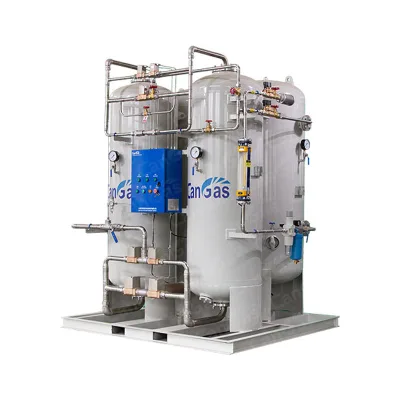

$5000.00 - $50000.00
MOQ: 1 Sets


Industrial Oxygen Oxigen Making Machine Generator Plant Price for Aquaculture
$6470.00 - $15020.00
MOQ: 1 Sets


Comprehensive Sourcing Guide
Skid Mounted Oxygen Generator Sourcing Guide
Procuring a skid-mounted oxygen generator for aquaculture requires careful alignment of technical output with biological demand. These systems are designed to deliver high-purity oxygen directly into fish ponds or recirculating aquaculture systems, ensuring optimal dissolved oxygen levels for high-density farming. The skid-mounted design offers significant logistical advantages, allowing for rapid deployment and simplified installation at remote or rural farm sites. Buyers must prioritize units that integrate all necessary components, including compressors, dryers, and control panels, into a single, pre-assembled frame. This integration reduces on-site assembly time and minimizes the risk of installation errors, which is critical for maintaining continuous oxygen supply in sensitive aquatic environments.
The market offers a variety of models, ranging from small-scale units for hatcheries to large-capacity systems for commercial farms. Observed listings indicate a wide price range, reflecting differences in capacity, purity, and automation levels. Buyers should evaluate their specific oxygen consumption rates based on stock density and water temperature to select the appropriate capacity. It is essential to verify that the selected unit can maintain consistent pressure and flow rates under varying load conditions. Understanding the operational parameters of each model ensures that the investment meets the long-term needs of the aquaculture operation without unnecessary overspending on excessive capacity or underspending on inadequate performance.
Product Scope and Observed Listing Signals
The current market presents a diverse array of oxygen generation technologies, primarily focusing on Pressure Swing Adsorption (PSA) systems. Listings reveal multiple model series, such as the KOB-SA, KOB-MA, and JYZY series, each tailored to different capacity requirements. The observed oxygen capacity ranges from small outputs of 1-5 cubic meters per hour to large industrial scales exceeding 5000 cubic meters per hour. This breadth allows buyers to match equipment precisely to their farm size. The presence of customizable voltage options, including 220V and 380V, indicates that these units can be adapted to various regional power infrastructures, a crucial factor for international procurement. Buyers must carefully cross-reference their local power availability with the unit’s electrical specifications to avoid costly retrofitting.
Color and packaging details provide additional insights into the product’s intended use and handling requirements. Many units are described as green or white, with wooden packaging designed to protect the equipment during transit. The skid-mounted configuration is a consistent feature, emphasizing ease of transport and installation. Some listings highlight intelligent control modes and automatic remote operation capabilities, which are increasingly important for modern aquaculture management. These features allow for unattended operation and real-time monitoring, reducing labor costs and improving response times to system anomalies. Buyers should prioritize units with robust control systems to ensure reliable performance and minimal manual intervention during daily operations.
Technical Specifications to Verify
Oxygen purity and pressure are the most critical technical parameters for aquaculture applications. Listings indicate purity levels typically ranging from 93% plus or minus 3% to greater than 94.5%, with some units offering lower purity for specific industrial uses. For aquaculture, higher purity is generally preferred to maximize oxygen transfer efficiency. The operating pressure range is also vital, with observed specifications spanning from 0.2 to 15 MPa. Buyers must ensure that the selected unit’s pressure output matches the requirements of their diffuser or injection systems. Additionally, the dew point specification, often listed as less than -45 degrees Celsius, indicates the effectiveness of the integrated drying system, which is essential for preventing moisture-related issues in the oxygen delivery lines.
Dimensional and weight specifications vary significantly across models, impacting site preparation and logistics. Standard dimensions are often provided in millimeters, such as 1500x900x1500 to larger configurations, while weights are typically listed as "see unit spec." Buyers must account for the footprint and load-bearing requirements of their installation site. The skid-mounted design simplifies this process by providing a stable base, but precise measurements are still necessary for crane or forklift access. Furthermore, the gas source requirement is generally ambient air, but buyers should verify the intake conditions to ensure optimal performance. Understanding these physical and operational constraints helps in planning the installation site and ensuring that the equipment fits seamlessly into the existing farm infrastructure.
Compliance and Safety Documentation
Certification is a fundamental requirement for ensuring the safety and reliability of oxygen generation equipment. Listings frequently mention CE and ISO9001 certifications, indicating adherence to European safety standards and quality management systems. These certifications provide a baseline assurance that the manufacturing processes and product design meet recognized industry benchmarks. Buyers should request copies of these certificates to verify their validity and scope. Additionally, some listings reference ISO45001 and ISO14001, which relate to occupational health and environmental management, respectively. While not always explicitly confirmed for every unit, these standards suggest a commitment to safe working conditions and environmental responsibility, which are increasingly important for sustainable aquaculture operations.
Noise level is another critical safety and operational consideration, particularly for farms located near residential areas. Observed listings describe noise levels as "low" or "ultra-low," which is beneficial for maintaining a comfortable working environment and complying with local noise regulations. Buyers should inquire about specific decibel ratings to ensure compliance with local ordinances. Furthermore, the intelligent control systems mentioned in some listings often include safety interlocks and automatic shutdown features to prevent overpressure or overheating. These automated safeguards reduce the risk of accidents and equipment damage. Buyers must verify that the control system includes comprehensive alarm and diagnostic functions to facilitate quick troubleshooting and minimize downtime during critical oxygen supply periods.
Cost Drivers and Commercial Terms
The price range for skid-mounted oxygen generators is extensive, reflecting variations in capacity, purity, and automation. Observed prices span from approximately 800 to 198,000 USD, highlighting the importance of selecting a unit that matches specific operational needs rather than opting for the most expensive or cheapest option. Key cost drivers include the oxygen capacity, measured in cubic meters per hour, and the purity level achieved. Larger capacity units with higher purity and advanced control systems command higher prices. Buyers should conduct a total cost of ownership analysis, considering not only the initial purchase price but also energy consumption, maintenance requirements, and expected lifespan. This holistic approach ensures that the selected unit provides the best value over its operational life.
Payment terms and minimum order quantities are standard commercial considerations in international procurement. Listings often specify a payment structure of 30% deposit and 70% balance, which is common in B2B transactions. The minimum order quantity is typically low, ranging from 1 to 2 units, allowing for flexible procurement based on immediate needs. Buyers should negotiate clear terms regarding shipping, insurance, and delivery timelines to avoid unexpected costs. Additionally, the availability of OEM and ODM services suggests that customization is possible, which may impact the final price and lead time. Understanding these commercial terms helps in budgeting accurately and managing cash flow effectively throughout the procurement process.
Supplier Qualification and Quality Control
Verifying supplier credentials is essential to mitigate risks associated with international procurement. Buyers should prioritize suppliers who demonstrate a strong track record in manufacturing oxygen generation equipment. The presence of certifications such as CE and ISO9001 is a positive indicator, but buyers should also request detailed product specifications and test reports to verify performance claims. The origin of the products, often listed as China or specific regions like Yancheng, provides context for the manufacturing base. Buyers should assess the supplier’s production capacity and quality control processes to ensure consistent product quality. Engaging with suppliers who offer comprehensive technical support and after-sales service is also crucial for long-term operational success.
Quality control extends beyond initial certification to include ongoing performance monitoring and maintenance support. Buyers should inquire about the availability of spare parts and the supplier’s response time for technical issues. The skid-mounted design simplifies maintenance, but access to critical components like molecular sieves and valves is essential for long-term reliability. Suppliers who offer remote operation support and intelligent control systems can provide valuable insights into system performance, allowing for proactive maintenance. Buyers should establish clear communication channels with the supplier to address any concerns promptly. Additionally, reviewing customer testimonials or case studies can provide insights into the supplier’s reliability and the real-world performance of their equipment in similar aquaculture applications.
Long-Term Procurement Checks
Long-term success with skid-mounted oxygen generators depends on regular maintenance and performance monitoring. Buyers should establish a preventive maintenance schedule that includes checking the air intake filters, inspecting the molecular sieves, and verifying the integrity of the piping system. The intelligent control systems mentioned in some listings can facilitate this process by providing real-time data on system performance and alerting operators to potential issues. Buyers should ensure that their staff is trained to interpret these data points and perform basic troubleshooting. Regular maintenance not only extends the lifespan of the equipment but also ensures consistent oxygen output, which is critical for the health and growth of aquatic stock.
Energy efficiency is another key factor for long-term cost management. Oxygen generation is an energy-intensive process, so selecting a unit with high energy efficiency can significantly reduce operational costs over time. Buyers should inquire about the specific energy consumption rates of different models and compare them against their budget constraints. Additionally, advancements in PSA technology continue to improve efficiency, so staying informed about new developments can help buyers make informed decisions when upgrading or expanding their systems. Finally, buyers should maintain a relationship with their supplier for future upgrades or replacements, ensuring compatibility and support as their aquaculture operations grow and evolve.
FAQs
Can I customize the voltage and frequency for this unit?
Yes, the voltage and frequency are customizable to meet specific site requirements. This flexibility ensures compatibility with various power grids. The unit supports skid-mounted installation for easy integration into existing aquaculture facilities without complex modifications.
What is the oxygen purity level of the generator?
The oxygen purity ranges from 93% plus or minus 3% for standard models. Some advanced units achieve purity levels greater than 94.5%. This high concentration ensures optimal support for aquatic life in demanding aquaculture environments.
How is the unit installed and what is its weight?
The unit features skid-mounted installation for stability and ease of setup. Weight specifications vary by model and must be checked in the unit spec sheet. This design allows for straightforward placement on prepared foundations.
What certifications does the oxygen generator hold?
The equipment holds CE and ISO9001 certifications for quality and safety compliance. These standards verify that manufacturing processes meet international requirements. Buyers can rely on these documented certifications for regulatory adherence in their projects.
What is the packaging method for shipping?
Products are shipped in wooden packages or wooden cases to ensure safety during transit. This robust packaging protects the skid-mounted units from damage. It is suitable for long-distance international shipping to various global destinations.
Can the supplier provide OEM or ODM services?
Yes, the supplier offers OEM and ODM services for customized production needs. This allows buyers to tailor specifications like capacity or color to their specific requirements. Customization is available for various models including the KOB and JYZY series.
What is the minimum order quantity for this product?
The minimum order quantity ranges from one to two units depending on the specific model selected. This low MOQ allows smaller aquaculture operations to access the technology. Buyers should verify the exact requirement for their chosen configuration.