Source Ski Mask for Outdoor Sports, Snowboarding, and Leisure
Explore 30 verified listings for ski masks designed for outdoor sports, snowboarding, and leisure activities. Buyers can compare features like UV protection, material types, and customization options from suppliers in China.
Key considerations
Products List


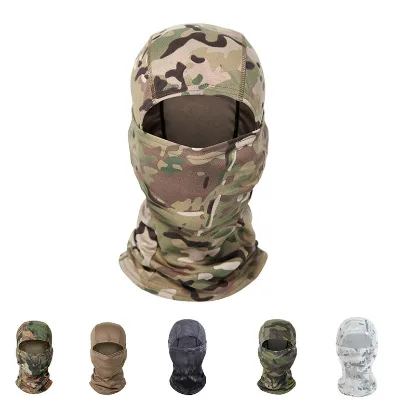
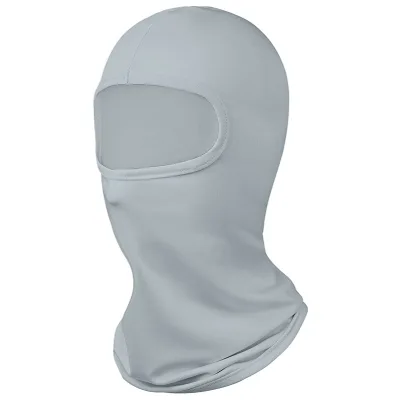
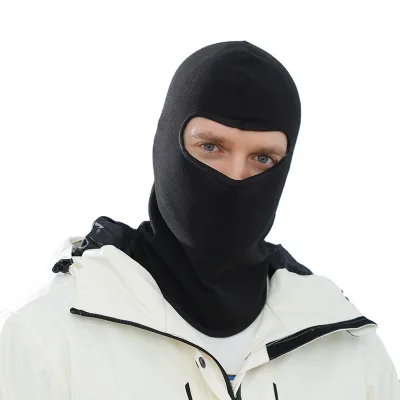
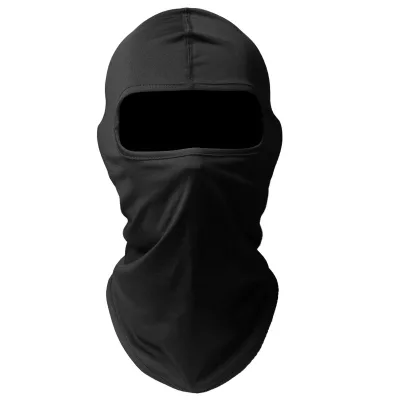
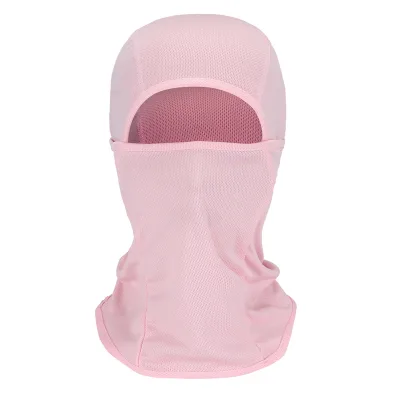
Balaclava Ski Mask-Face Mask for Skiing, Snowboarding, Motorcycle Riding
$2.99 - $3.20
MOQ: 500 Pieces












Comprehensive Sourcing Guide
Strategic Sourcing Guide for Ski Masks and Winter Face Protection
The global market for winter sports apparel has seen a significant shift toward specialized face protection, with the Ski Mask emerging as a critical component for athletes and outdoor enthusiasts. For B2B procurement professionals, sourcing these items requires a nuanced understanding of material science, manufacturing capabilities, and supply chain logistics. The product category encompasses various iterations, from traditional balaclavas to modern neck gaiters and specialized snowboard masks. This guide synthesizes available market data to provide a disciplined framework for evaluating suppliers, ensuring product quality, and managing procurement risks without relying on unverified claims or specific supplier endorsements.
Technical Specifications and Material Composition
When defining the technical requirements for ski masks, the primary differentiator lies in the material composition and physical dimensions. The supplied product data indicates a diverse range of materials, with 100% Polyester and 100% Cotton being the most frequently observed specifications. Polyester variants are often selected for their durability and moisture-wicking properties, which are essential for high-intensity activities like skiing and snowboarding. In contrast, cotton options may be preferred for leisure applications where comfort and softness are prioritized over high-performance moisture management.
Physical specifications vary significantly across the product line. Observed dimensions include a standard size of 25CM*40CM, which suggests a versatile fit for various head shapes. However, other entries list a single package size of 10X10X5 cm, indicating that the final packaged volume depends heavily on the folding method and packaging density. The length is generally categorized as "Medium Long," providing adequate coverage for the neck and lower face. Weight is a critical factor for athletes; a specific observation notes a weight of 100g, which serves as a benchmark for lightweight designs that do not impede movement.
The design features also play a pivotal role in functionality. Many products are engineered with specific hole configurations, such as "3 holes," to accommodate eyes, nose, and mouth while maintaining breathability. Features like "Sun UV Protection" and "Lightweight" construction are common selling points. Some advanced models include adjustable elements, such as a "Magical Metal Band," to ensure a secure fit during dynamic movements. The color palette is highly customizable, with options ranging from specific solid colors like Black to a wide array of customizable hues, allowing brands to align products with their visual identity.
Compliance, Certification, and Safety Standards
Navigating the compliance landscape for ski masks requires careful verification of safety standards, particularly regarding fire resistance and material safety. While the supplied data mentions standards such as EN 149 and ASTM F2100, these are often associated with respiratory protection or medical-grade textiles rather than general winter sports apparel. Buyers must not assume that a listed product automatically meets these specific standards without explicit verification from the supplier. The presence of "SGS" as a standard in the data suggests that third-party testing is available, but the specific nature of the test (e.g., chemical composition, flammability) must be confirmed.
Certifications like CE are noted in the background context but should be treated as potential rather than guaranteed attributes. Procurement teams should request current test reports from the supplier to validate any claims regarding compliance with international safety regulations. For products intended for export to the European Union, verifying adherence to REACH regulations for chemical safety is essential. Similarly, for markets in North America, ensuring that materials do not contain prohibited substances under local laws is a mandatory step.
The "Comfortable" standard listed in the data is a qualitative attribute rather than a regulatory one. To translate this into a procurement requirement, buyers should establish objective criteria for comfort, such as breathability ratings or skin irritation tests. It is crucial to distinguish between marketing claims and verified performance data. Buyers should explicitly request documentation that proves the product meets the specific safety and quality standards required for their target market, rather than relying on the general presence of a certification name in a product listing.
Cost Drivers and Pricing Dynamics
The pricing structure for ski masks is influenced by a complex interplay of material costs, customization levels, and order volume. The observed price range in the market spans from $0.45 to $10.50 USD, reflecting the vast difference between basic, unbranded cotton masks and high-performance, feature-rich polyester models with advanced branding. The lower end of the spectrum typically corresponds to standard cotton products with minimal customization, while the higher end includes items with specialized features like UV protection, adjustable bands, and complex embroidery.
Minimum Order Quantity (MOQ) is a significant factor in determining the unit cost. The data reveals a wide MOQ range, from as low as 5 pieces to as high as 10,000 pieces. This variance suggests that suppliers offer flexible tiers, where smaller orders incur a higher per-unit cost due to setup and handling fees, while larger orders benefit from economies of scale. Some suppliers list an MOQ of 1,000 pieces, which may be a standard threshold for custom branding, whereas others accommodate smaller batches of 500 or even 5 pieces for testing or limited runs.
Customization is a primary cost driver. The ability to add logos, choose specific colors, and alter packaging significantly impacts the final price. Products with "Customized" logos and "Various Colors Available" options often require additional setup time and resource allocation, which is reflected in the pricing. Buyers should anticipate that highly customized orders will command a premium over standard stock items. Additionally, the packaging method, such as "Paper Carton" or "100PCS in a Carton," adds to the overall cost, particularly if specialized branding on the packaging is required.
Typical Applications and Usage Scenarios
Ski masks serve a broad spectrum of applications, ranging from professional winter sports to casual outdoor leisure. The data identifies specific usage categories including "Outdoor," "Leisure," "Snowfield," and "Fancy." This diversity indicates that the product is not limited to high-altitude skiing but is also suitable for general winter activities, snowboarding, and even fashion-forward leisure wear. The "Skiing Type" attribute further distinguishes between "Protective Clothing" and "Snowboard," suggesting that some designs are optimized for the specific aerodynamics and impact risks of snowboarding, while others focus on general protection against wind and cold.
Seasonality is another critical application factor. The products are explicitly noted for use in "Autum Winter" and "Winter, spring, autumn," highlighting their versatility across multiple cold-weather seasons. This broad seasonal applicability makes them suitable for year-round inventory planning for retailers targeting transitional weather periods. The "Range" of "Outdoor Sports" reinforces the utility of these masks for active users who require protection against the elements while engaging in physical exertion.
For B2B buyers, understanding the specific application is vital for matching the right product to the right customer segment. A mask designed for "Snowboard" protection might prioritize durability and impact resistance, whereas a "Leisure" mask might focus on comfort and aesthetic appeal. The "Brand Name: Events" attribute suggests that some products are tailored for promotional use or event-specific branding, which requires a different approach to customization and quality assurance compared to mass-market retail products.
Supplier Evaluation and Operational Capabilities
Evaluating suppliers for Ski Mask production requires a thorough assessment of their manufacturing capabilities, location, and logistical reliability. The data indicates that production origins include Ningbo, Guang Dong, and Fujian, all of which are major manufacturing hubs in China known for textile and apparel production. Buyers should verify the specific factory location to ensure it aligns with their logistical preferences and to assess the local supply chain ecosystem.
Customization capabilities are a key differentiator among suppliers. The data confirms that customization is "Available" and that logos can be displayed "anywhere," including options for "Maching embroidery." This level of flexibility is essential for brands looking to create unique products. However, buyers must verify the supplier's capacity to handle these customizations efficiently, including their ability to manage different embroidery techniques and color matching.
Lead times and delivery schedules are critical for inventory planning. The observed delivery time ranges from 2 to 4 weeks, which is a standard window for custom apparel production. Buyers should confirm whether this timeline includes sample approval, production, and shipping, or if it refers solely to the manufacturing phase. The "Product Name" variations, such as "Balaclava Face Mask" and "Neck Gaiter Face Mask," indicate that suppliers may offer a range of related products, which can be advantageous for bundling orders and optimizing shipping costs.
Quality Control and Long-Term Procurement Strategy
Implementing a robust quality control (QC) strategy is essential for maintaining brand reputation in the competitive winter sports market. Given the variability in materials and features, buyers should establish clear QC checkpoints at the raw material, in-process, and final inspection stages. Specific attention should be paid to the integrity of the "3 holes" design, the durability of the "adjustable metal band," and the consistency of the "100% Polyester" or "100% Cotton" claims.
Long-term procurement considerations involve building a sustainable relationship with suppliers who can scale with demand. The wide MOQ range suggests that suppliers are capable of handling both small test orders and large-scale production runs. Buyers should aim to negotiate terms that allow for flexibility in order quantities while maintaining consistent quality. The "Paper Carton" packaging standard should be evaluated for its environmental impact and durability during transit, especially for international shipments.
To mitigate risks, buyers should develop a diversified supplier base rather than relying on a single source. This approach ensures continuity of supply in case of disruptions at one facility. Regular audits and performance reviews should be conducted to assess the supplier's adherence to quality standards, delivery timelines, and communication responsiveness. By focusing on these strategic elements, B2B buyers can secure a reliable supply of high-quality ski masks that meet the diverse needs of their customers while maintaining operational efficiency and cost-effectiveness.
FAQs
What materials are used for ski masks?
Ski masks are commonly made from 100% Polyester or 100% Cotton. Polyester offers durability and moisture-wicking properties, while cotton provides softness for leisure use. Buyers should verify the specific material composition for their intended application.
Can I customize the logo on ski masks?
Yes, customization is available for logos on ski masks. Buyers can display the logo anywhere, including options for machine embroidery. This service allows brands to align products with their visual identity, though it may affect the unit cost.
What is the minimum order quantity for ski masks?
The minimum order quantity varies significantly, ranging from 5 pieces to 10,000 pieces depending on the supplier. Some vendors require 500 or 1,000 pieces for custom branding, while others accommodate smaller test batches. Buyers must confirm the specific MOQ with each supplier.
How long does delivery take for ski masks?
Delivery time typically ranges from 2 to 4 weeks for ski masks. This period covers the manufacturing phase, but buyers should confirm if it includes sample approval and shipping. Lead times may vary based on customization complexity and order volume.
Where are ski masks manufactured?
Ski masks are manufactured in major Chinese hubs including Ningbo, Guang Dong, and Fujian. These locations are known for textile and apparel production. Buyers should verify the specific factory location to ensure it aligns with their logistical preferences and supply chain needs.
What certifications apply to ski masks?
Some products list SGS as a standard, indicating third-party testing is available. Other standards like EN 149 or ASTM F2100 may appear but require explicit verification as they often relate to respiratory protection. Buyers must request current test reports to validate safety claims.