Source Sketchbook for Gift, School, and Promotion Needs
Explore 30 available Sketchbook options from Chinese manufacturers. Buyers can compare specifications like size, binding, and material to find suitable products for gifts, school use, or promotional events.
Key considerations
Products List
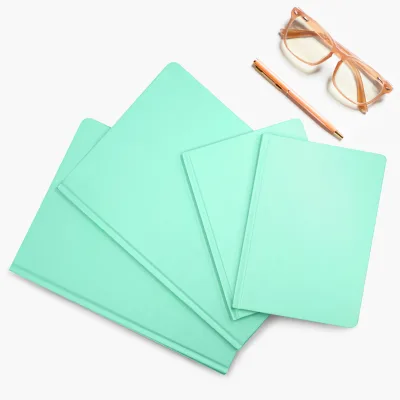
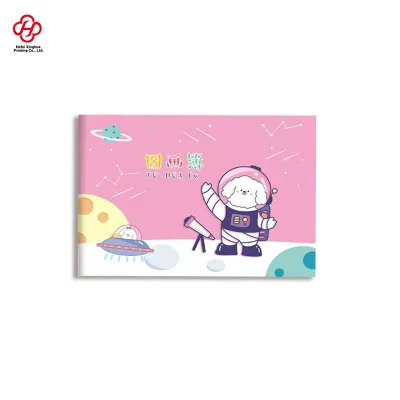


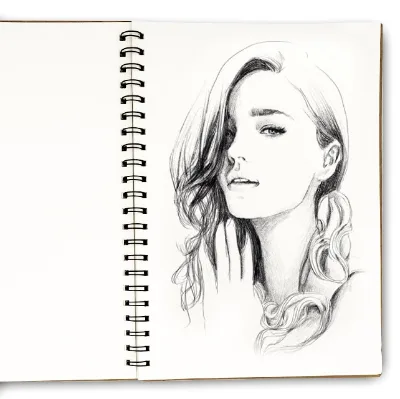

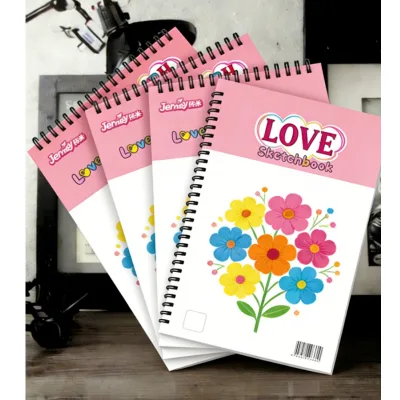


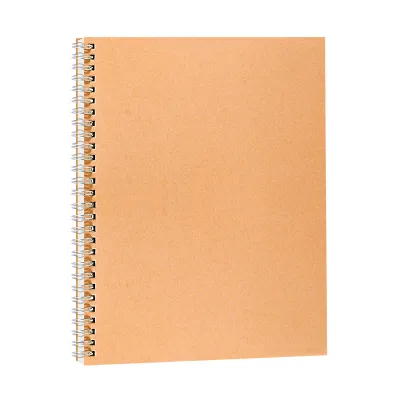

160g Thicken Portable Recyclal Drawing Book 8K Sketchbook for Students
$0.05 - $0.08
MOQ: 10000 Pieces




Comprehensive Sourcing Guide
Sketchbook Sourcing Guide
Sourcing sketchbooks for B2B distribution, promotional campaigns, or educational institutions requires a nuanced understanding of material variability and binding integrity. The market offers a wide spectrum of options, ranging from basic composition notebooks to premium artistic pads, each serving distinct end-user needs. Buyers must navigate a landscape where product attributes such as paper weight, cover durability, and binding style vary significantly between suppliers. This guide provides a structured approach to evaluating Sketchbook listings, ensuring that procurement decisions align with specific functional requirements and quality expectations. By focusing on verified specifications and commercial terms, buyers can mitigate risks associated with inconsistent product quality and supply chain disruptions.
The following sections detail the critical evaluation criteria for Sketchbook procurement, drawing on observed market signals and standard industry practices. We examine product scope, technical verification, compliance documentation, cost structures, supplier qualification, and long-term operational checks. Each section is designed to help buyers make informed decisions, from initial supplier screening to final quality acceptance. The goal is to provide a comprehensive framework that supports efficient sourcing while maintaining high standards for product performance and safety.
Product Scope and Observed Listing Signals
The current market for sketchbooks exhibits significant diversity in product naming and categorization, which can complicate initial supplier searches. Listings frequently use terms such as "Sketchbook," "composition book," "sketching book," and "notepad" interchangeably, often within the same supplier catalog. This semantic variation suggests that buyers should broaden their search parameters to include related stationery categories. Observed product types include spiral-bound notebooks, perfect-bound pads, and hardcover options, indicating that the term "Sketchbook" in B2B contexts often encompasses a broader range of paper-based writing and drawing tools rather than just professional-grade art supplies.
Color and customization options are prominent features in current listings, with suppliers offering standard colors like pink, yellow, and white, alongside fully customizable color schemes. The availability of customization extends to branding, with many suppliers accepting OEM requests and offering custom logos or designs. This flexibility is particularly relevant for promotional gifts and corporate branding initiatives. Buyers should note that while "customized" is a common attribute, the extent of customization—whether limited to cover design or extending to paper type and binding—varies by supplier capability. Understanding these signals helps in filtering suppliers based on specific branding or aesthetic requirements.
Technical Specifications to Verify
Paper quality is the most critical technical factor in Sketchbook procurement, directly impacting user experience and product longevity. Buyers must verify the paper material composition, with options ranging from standard paper products to 100% acid-free paper, which is essential for archival quality and preventing yellowing over time. The inner page count is another key specification, with observed listings ranging from 10 sheets to 50 sheets, and some offering a range of 40-60 sheets. It is crucial to clarify whether the sheet count refers to physical leaves or printed sides, as this affects the usable page count. Additionally, the paper type should be confirmed for its suitability for intended use, such as pencil, ink, or mixed media, to ensure adequate bleed resistance and texture.
Binding and cover materials significantly influence the durability and usability of the Sketchbook. Observed binding styles include perfect binding and spiral binding, each offering distinct advantages in terms of lay-flat capability and structural integrity. Cover materials vary from hard paper and PVC to PP (polypropylene), with some listings specifying paper products as the primary cover material. Buyers should assess the cover's resistance to wear and tear, especially for products intended for school or promotional use where handling is frequent. Size specifications also vary, with common formats including A4, A5, and B5 (252*170mm), and some suppliers offering A3 and A6 options. Verifying these dimensions ensures the product fits packaging and distribution requirements.
Compliance and Safety Documentation
Safety certifications are particularly important for sketchbooks intended for children or educational use, as they ensure the materials meet strict regulatory standards. Some suppliers provide documentation such as MSDS (Material Safety Data Sheets) and EN71 Standard compliance, which are critical for products entering markets with stringent safety regulations, such as the European Union. EN71, in particular, covers safety requirements for toys and children's products, including migration of certain elements and flammability. Buyers should request these certificates to verify that the inks, adhesives, and paper materials used in the sketchbooks are non-toxic and safe for prolonged contact.
Environmental and chemical safety is another area requiring verification, especially if the sketchbooks are marketed as eco-friendly or premium products. While some listings mention "100% acid-free" paper, which is beneficial for longevity, buyers should inquire about the sourcing of raw materials and the manufacturing process. Certifications related to sustainable forestry or recycled content may be relevant for buyers with corporate social responsibility goals. It is advisable to ask suppliers for detailed material composition reports to ensure that no harmful substances are present in the binding adhesives or cover laminates. This due diligence helps in maintaining brand reputation and avoiding regulatory penalties.
Cost Drivers and Commercial Terms
Pricing in the Sketchbook market is influenced by several factors, including material quality, customization level, and order volume. Observed price ranges vary widely, reflecting differences in paper weight, binding complexity, and cover material. Buyers should expect lower prices for basic composition books with standard paper and perfect binding, while premium options with acid-free paper, spiral binding, and custom covers will command higher prices. The minimum order quantity (MOQ) is another significant commercial term, with observed ranges from 1 to 10,000 pieces. Suppliers with lower MOQs may offer higher per-unit costs, while bulk orders can leverage economies of scale to reduce prices.
Payment terms and lead times are critical components of the commercial agreement. Sample times are often short, ranging from 1-3 days, which facilitates quick evaluation of product quality before committing to large orders. However, production lead times can vary based on customization requirements and supplier capacity. Buyers should negotiate clear delivery schedules and penalty clauses for delays. Additionally, packaging details, such as individual OPP bags and carton quantities (e.g., 50PCS/Carton), impact logistics costs and storage efficiency. Understanding these commercial terms helps in budgeting accurately and planning inventory management effectively.
Supplier Qualification and Quality Control
Supplier location and manufacturing capability are key indicators of reliability and cost efficiency. Observed listings indicate origins in regions such as Anhui and Zhejiang in China, which are known for their paper and stationery manufacturing industries. Buyers should verify the supplier's production capacity and quality control processes to ensure consistent output. Requesting factory audits or third-party inspection reports can provide insights into the supplier's operational standards. Additionally, checking the supplier's history and reputation in the market can help assess their reliability and commitment to customer satisfaction.
Quality control measures should be established before placing orders, including pre-production samples and in-line inspections. Buyers should define clear acceptance criteria for paper quality, binding strength, and print accuracy. It is advisable to conduct random sampling from production batches to verify consistency. Suppliers who accept OEM requests and offer customization should be evaluated on their ability to maintain quality across different product variations. Establishing a robust quality control framework helps in minimizing defects and ensuring that the final product meets the buyer's specifications and customer expectations.
Long-Term Procurement Checks
Building a sustainable supply chain for sketchbooks requires ongoing monitoring of supplier performance and market trends. Buyers should regularly review supplier delivery times, product quality, and responsiveness to issues. Establishing a long-term partnership with reliable suppliers can lead to better pricing, priority production, and improved service levels. It is also important to stay updated on changes in material costs and regulatory requirements, which can impact sourcing strategies. Diversifying suppliers across different regions can mitigate risks associated with supply chain disruptions and geopolitical factors.
Continuous improvement in product offerings is essential to meet evolving customer demands. Buyers should gather feedback from end-users to identify areas for product enhancement, such as paper texture, cover durability, or binding style. Collaborating with suppliers on product development can lead to innovative solutions that differentiate the brand in the market. Additionally, exploring new materials and sustainable practices can align with global trends towards eco-friendly products. By maintaining a proactive approach to procurement, buyers can ensure a steady supply of high-quality sketchbooks that meet both current and future market needs.
FAQs
What binding styles are available for sketchbooks?
Sketchbooks are available in perfect binding and spiral styles. Perfect binding offers a clean, professional look suitable for composition books, while spiral binding allows pages to lay flat for easier sketching. Buyers can choose the style that best fits their intended usage, whether for promotional gifts or school supplies.
Can I customize the color and specifications of my order?
Yes, customization is available for both color and specifications. Buyers can select from options like pink, yellow, or custom colors. Specifications can be tailored to specific needs, including inner page counts ranging from 10 to 60 sheets. This flexibility supports various uses such as gifts, planners, or promotional items.
What paper materials are used for these sketchbooks?
The sketchbooks utilize paper materials, with options including 100% acid-free paper for longevity. Cover materials vary, including hard paper, PVC, PP, and standard paper products. The inner pages are typically blank, suitable for pencil painting or general sketching, ensuring a high-quality writing and drawing experience for the end user.
What are the standard size options for these products?
Standard sizes include A4, A5, and B5 (252*170mm). Some products also support A3 and A6 formats or fully customized dimensions. These sizes cater to different needs, from pocket-sized notepads to larger sketching books, allowing buyers to select the most appropriate format for their specific application or target audience.
What is the typical MOQ and sample time for orders?
The minimum order quantity is typically 500 pieces, though ranges can extend up to 10,000 units depending on the supplier. Sample times are generally fast, often taking 1 to 3 days. This allows buyers to verify quality and specifications before committing to larger production runs, ensuring the product meets their requirements.
Are these sketchbooks suitable for promotional gifts?
Yes, these sketchbooks are explicitly listed for usage as gifts, promotions, and organizers. They can be customized with specific colors and branding, making them ideal for corporate giveaways or school supplies. The variety of binding styles and paper options allows for versatile promotional strategies tailored to different marketing campaigns and recipient preferences.